

The air in the Parvati Valley hummed with a different kind of energy, a palpable sense of ancient secrets whispered on the mountain breeze. For years, the name Malana had danced on the periphery of my travel dreams, a mythical village shrouded in tales of unique customs and breathtaking isolation. Perched high in the Himalayas, a veritable ‘Forbidden Kingdom’ as it’s often called, it beckoned with an allure that was impossible to ignore. So, when my college buddy Vikram, a fellow explorer with an insatiable curiosity, proposed a trip, my answer was an immediate and enthusiastic yes.
Our adventure began with a spirited drive from Amritsar, Vikram’s hometown in Punjab, towards the famed Parvati Valley in Himachal Pradesh. This valley, I knew, held a certain mystique for travellers, renowned for its vibrant, almost otherworldly atmosphere and the legendary hashish that traces its origins back to the ancient folds of Malana. As evening painted the sky in hues of orange and purple, we arrived in Kasol, a charming little town affectionately nicknamed “Mini Israel.” The air here buzzed with a bohemian vibe, a melting pot of cultures drawn to the valley’s enigmatic charm.
After a hearty breakfast in Kasol, the real leg of our journey began. We drove the winding 8 kilometers to Jari, a crucial point where permits were required to venture further towards Malana. The anticipation was building with every hairpin bend the car navigated. From Jari, the road surrendered to the rugged terrain, and we embarked on a two-hour trek.
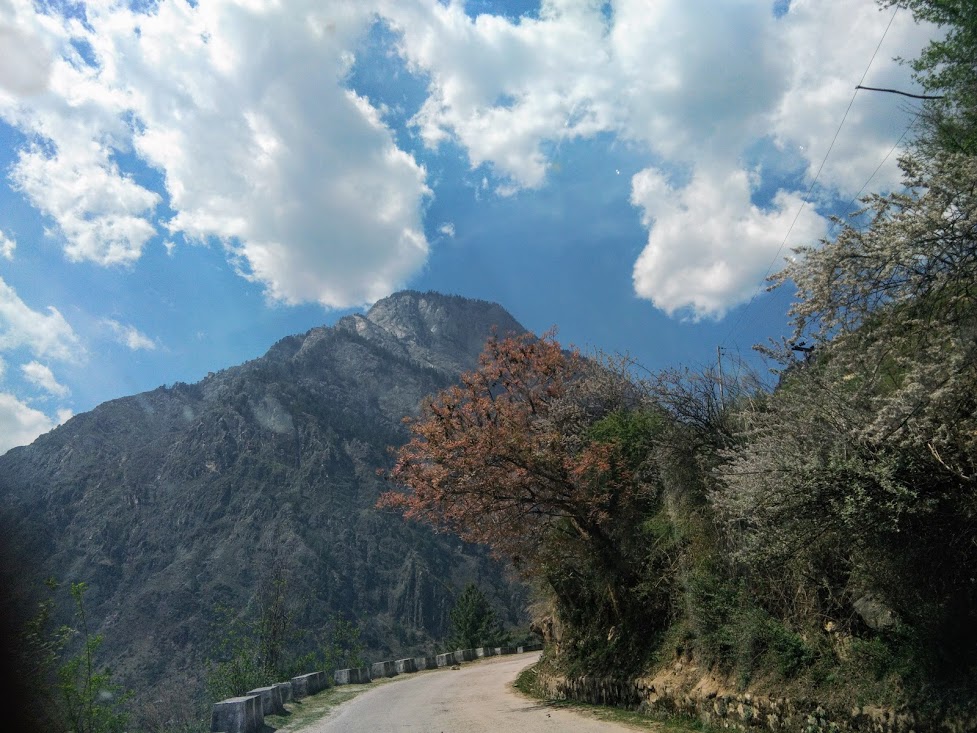
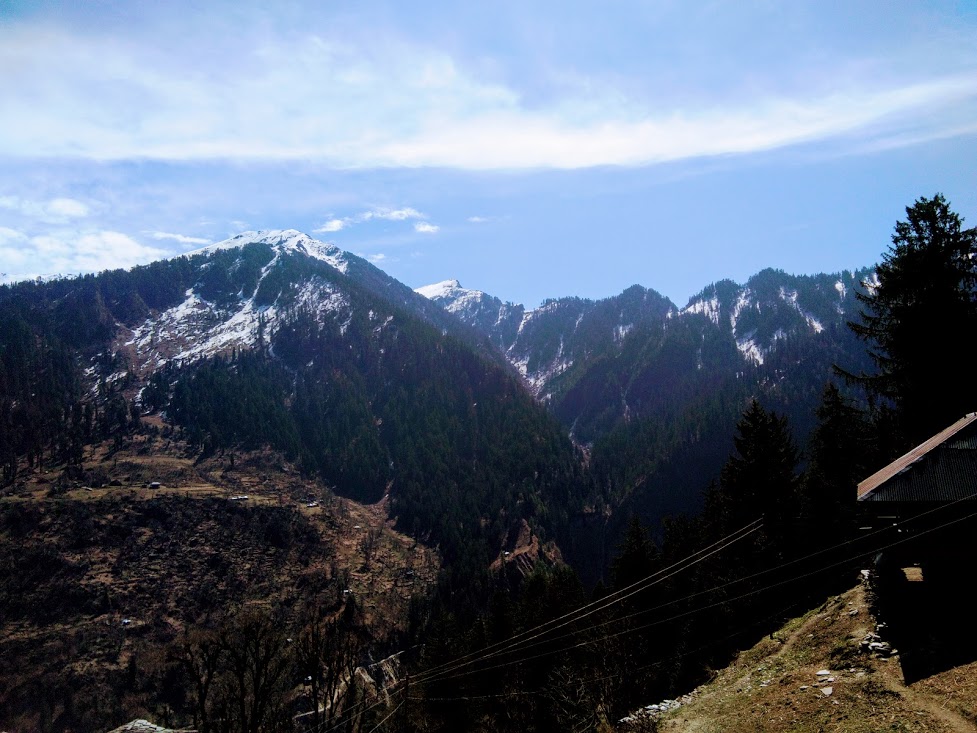
The path was a narrow, rocky ribbon snaking its way up the mountainside, a constant negotiation with loose stones and the occasional gurgling stream we crossed via makeshift bridges. Yet, the arduous climb was constantly rewarded by the breathtaking panorama unfolding around us. Lush green mountains, their peaks occasionally kissed by lingering snow, embraced the deep valleys, creating a vista that felt both ancient and eternally beautiful.
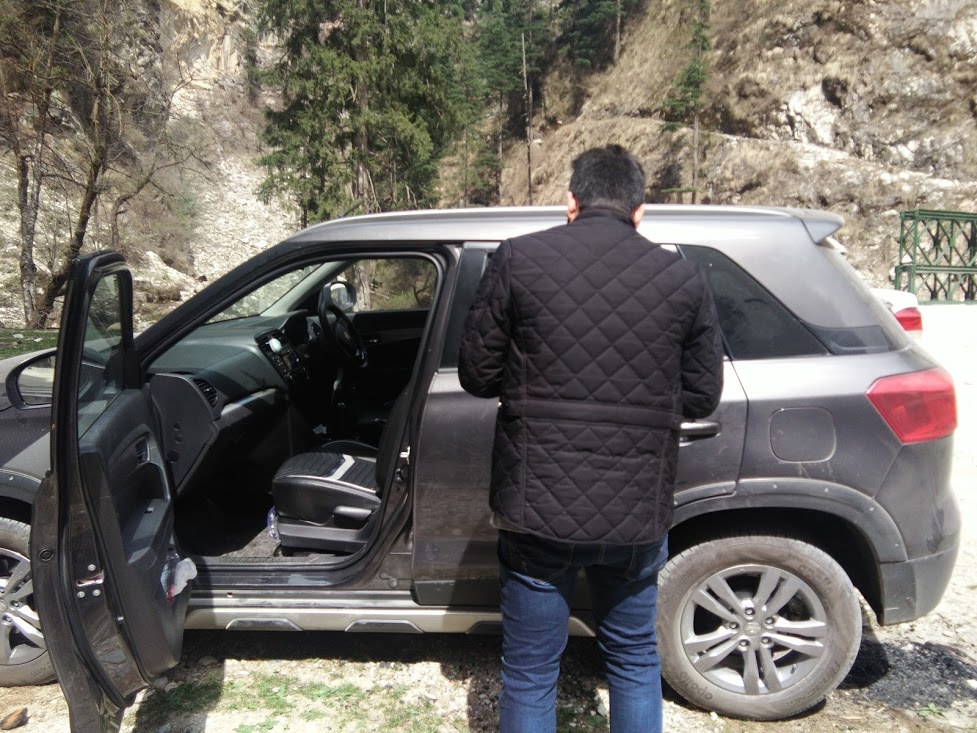
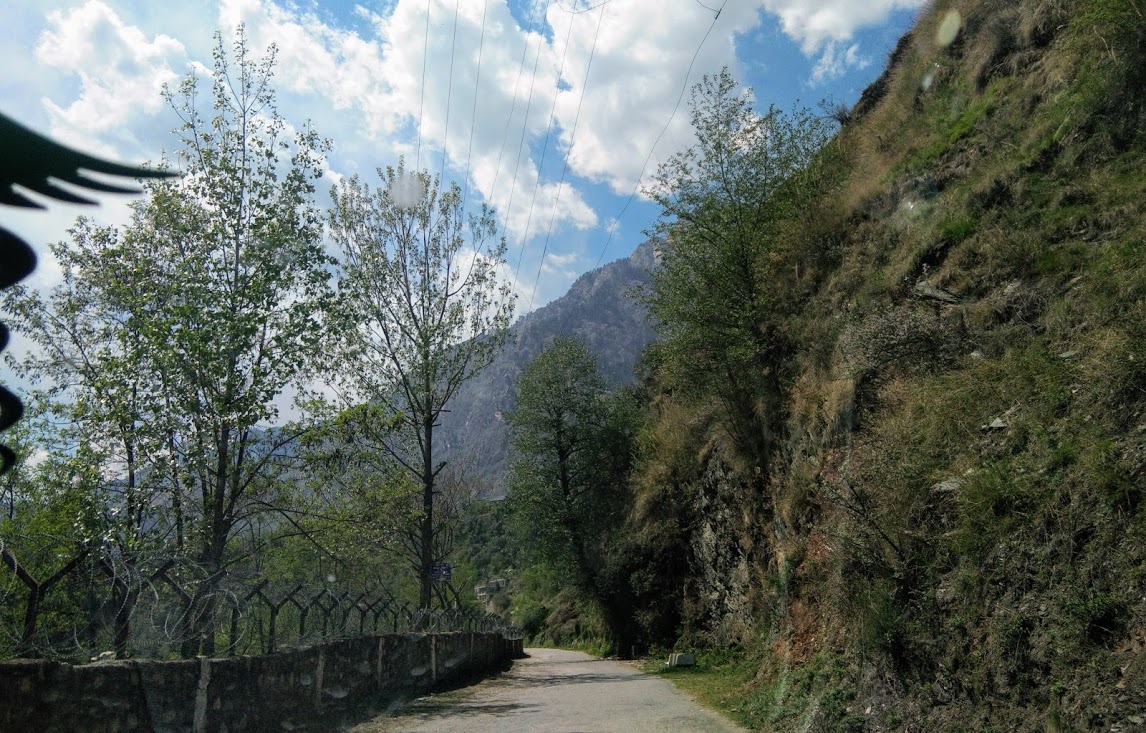
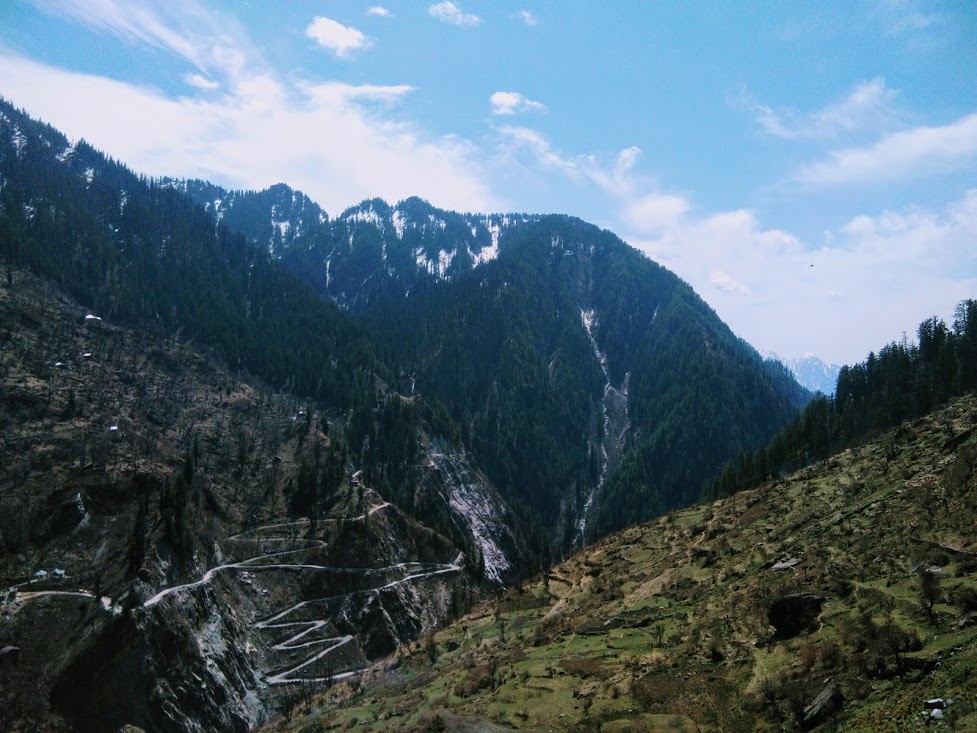
The road, or rather the lack thereof, was a testament to Malana’s isolation. After what felt like an eternity of sharp turns and bumpy rides, the paved path finally gave way completely.
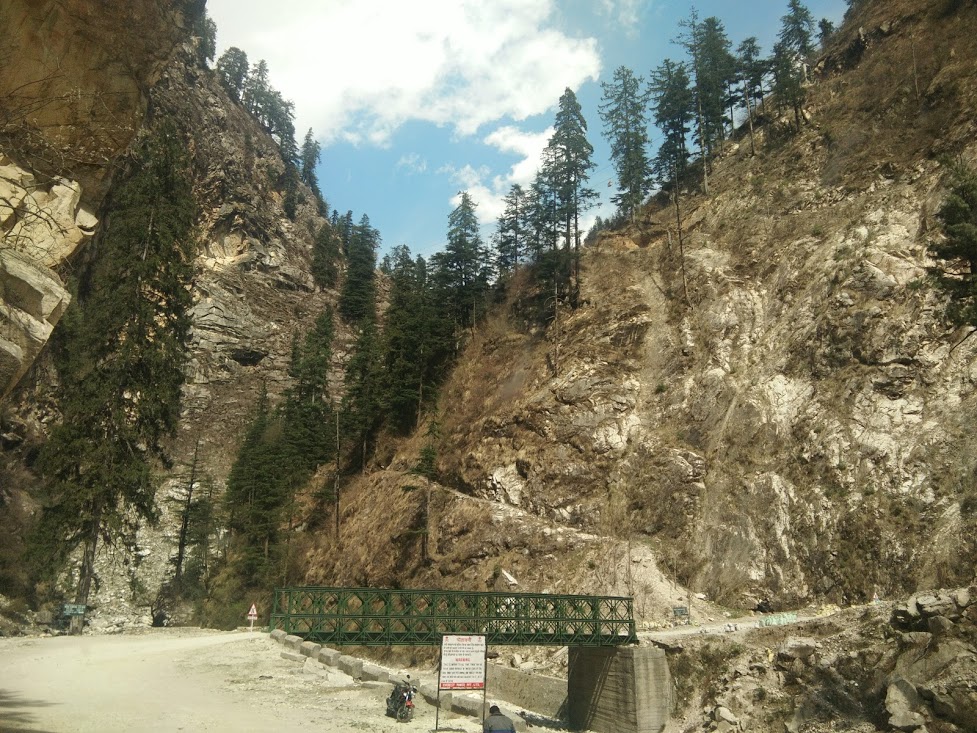
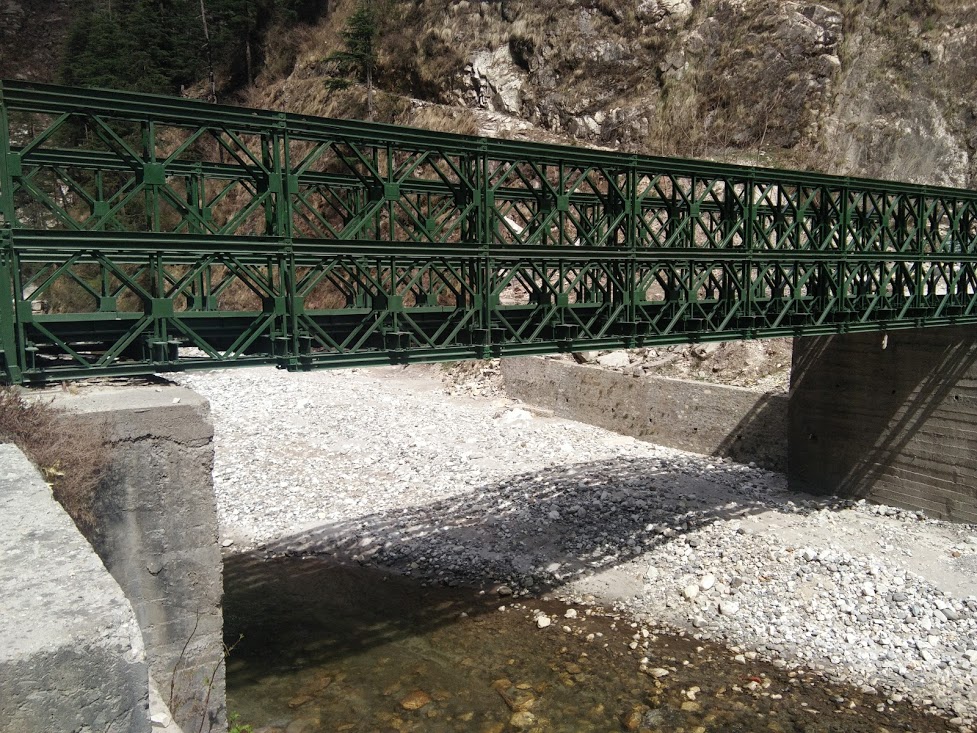
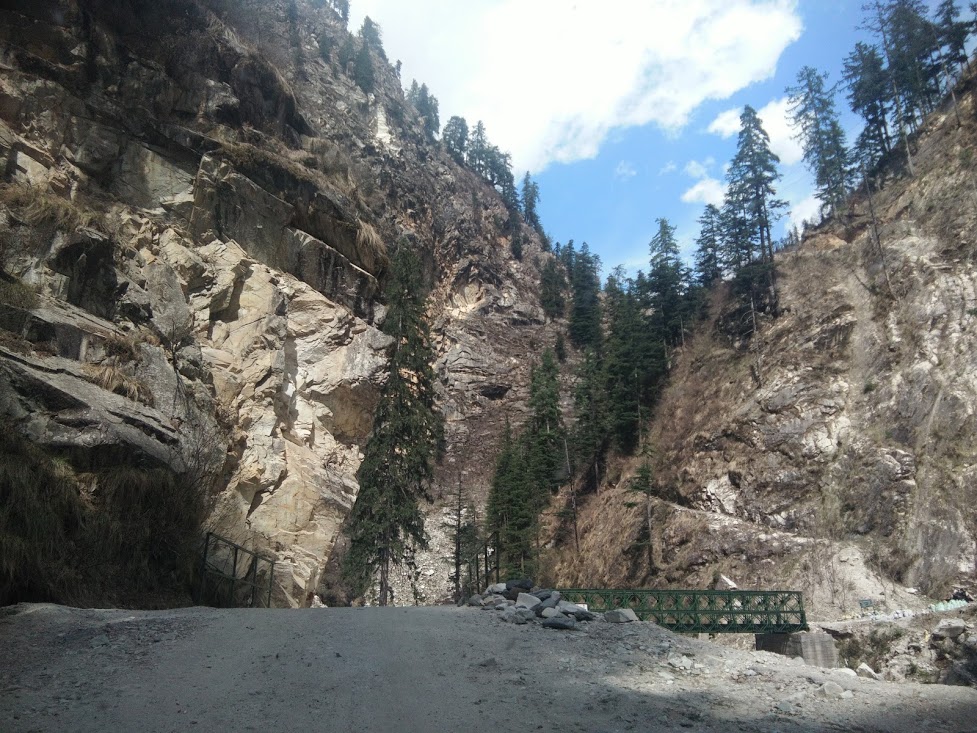
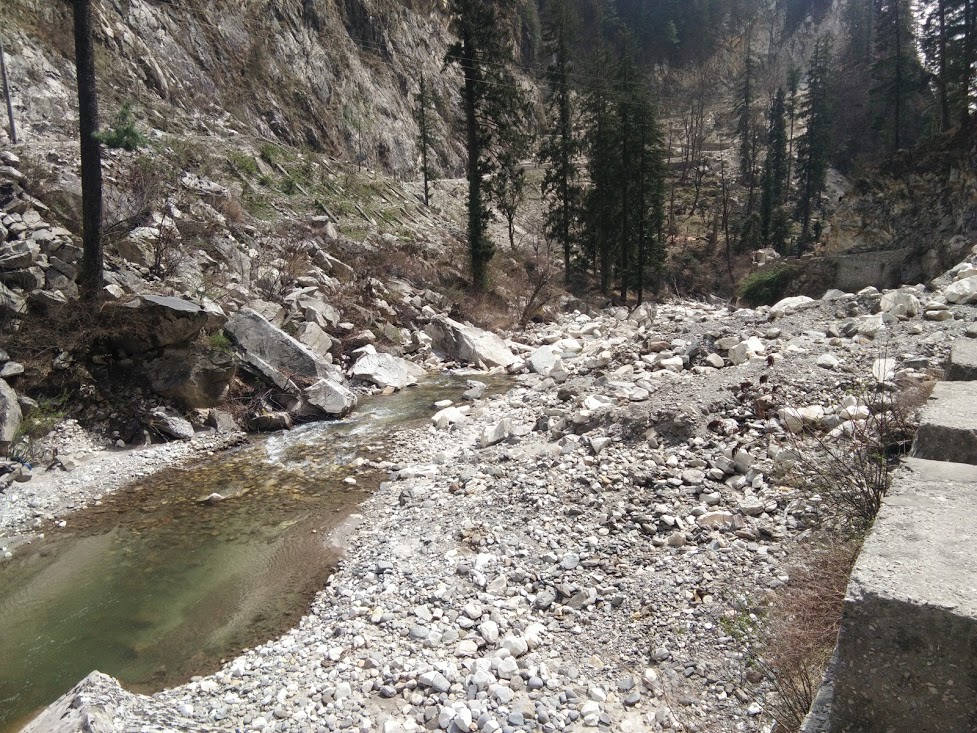
From this point, the village was still a good two kilometers away, a seemingly short distance that transformed into a significant uphill hike in the thin mountain air. While the locals, nimble and accustomed to the terrain, could cover it in a brisk 30 to 45 minutes, Vikram and I, city dwellers finding our mountain legs, took nearly two hours.
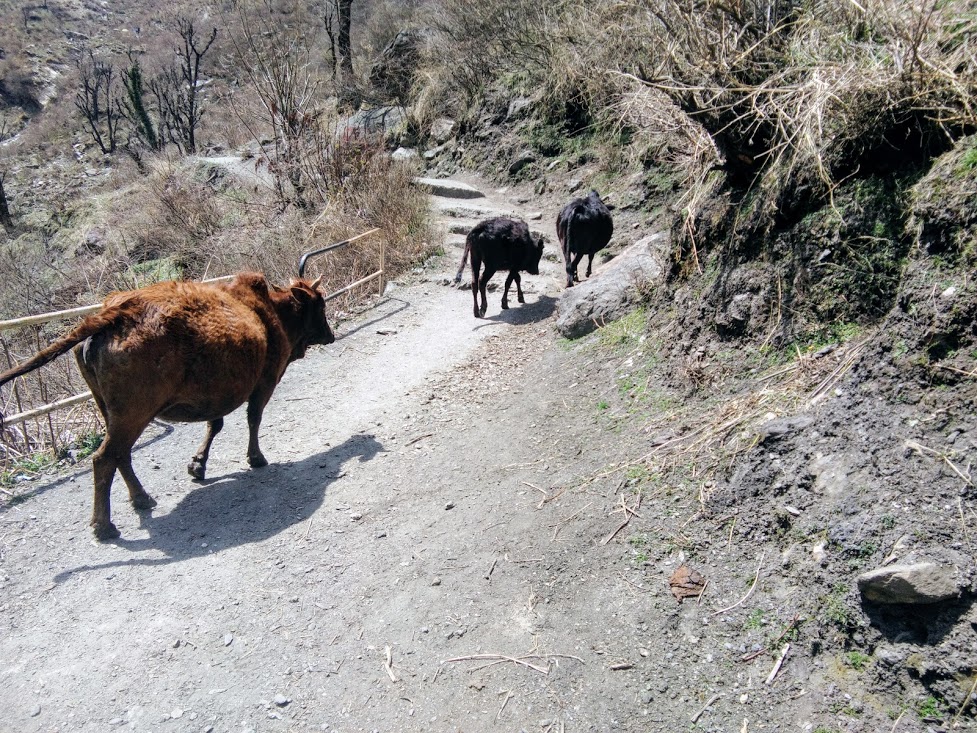
But oh, what a walk it was! The trail to Malana was a shaded sanctuary, flanked by towering deodar trees that seemed to stand sentinel over the ancient village. A refreshing breeze danced around us, a welcome balm against the exertion, carrying the earthy scent of pine and damp soil. With the majestic, snow-capped peaks forming a dramatic backdrop, the seemingly stressful climb transformed into a delightful immersion in nature’s grandeur.
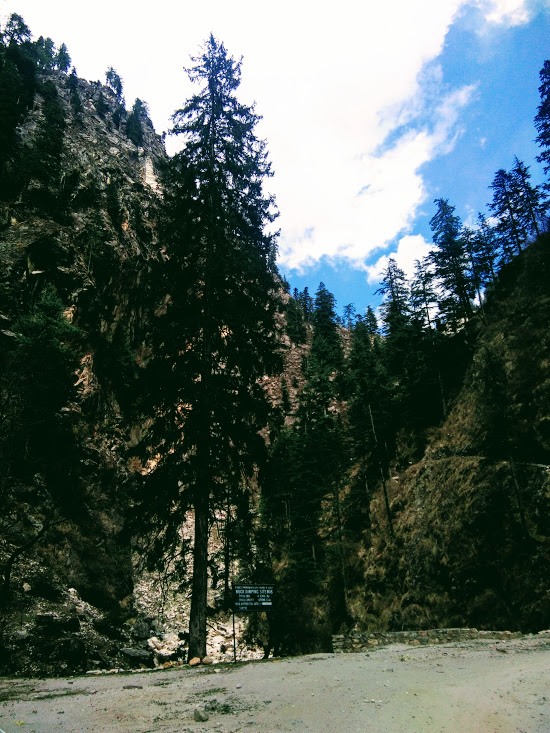
Finally, as we rounded a bend, Malana revealed itself, a cluster of traditional wooden houses with distinctive slate roofs clinging to the steep hillside. The view was simply mesmerizing. It felt like stepping into a forgotten world, a place where time moved at a different pace. A weathered sign at the entrance declared, “Welcome to Malana: The oldest democracy in the world.” This bold claim sparked an immediate curiosity within me. How could this remote, seemingly untouched village boast such a title?
I soon learned that Malana operates on a unique democratic system, where villagers elect their own council, known as the Hakima, to govern their affairs. This council, I was told, has both a lower and an upper house, reminiscent of ancient Greek democracy. But what truly set it apart was the spiritual element. Ultimate rulings, I discovered, rested with the upper court, which included a representative of their revered deity, Jamlu Devta. This spiritual twist added another layer of intrigue to the village’s already fascinating narrative.
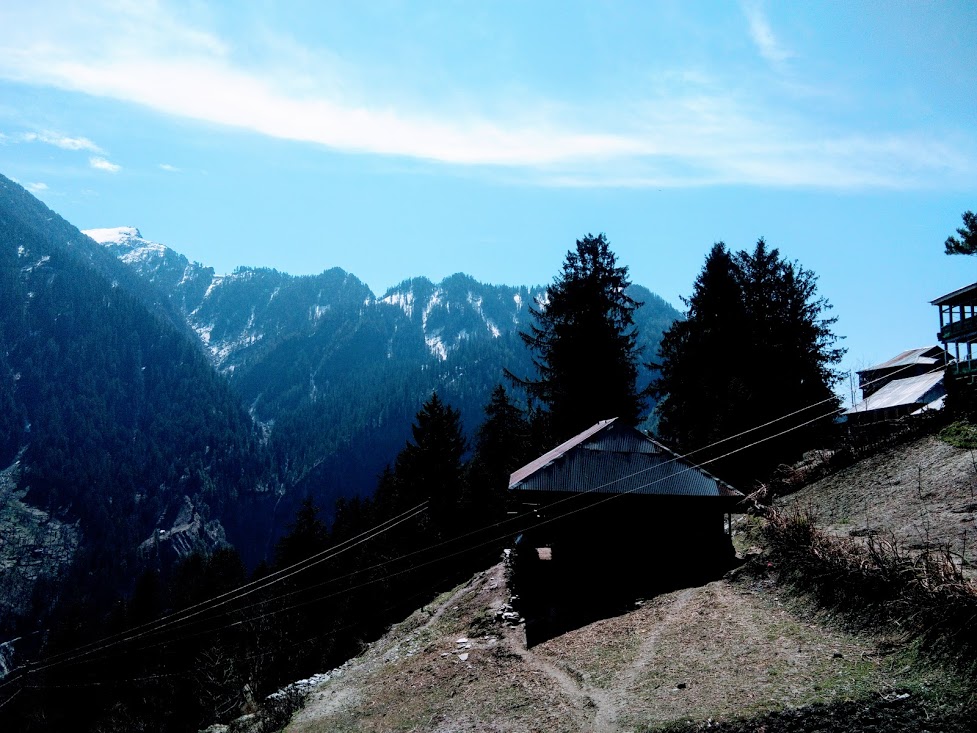
According to local legends, Jamlu Devta, identified with the sage Jamadagni Rishi from the Puranas, is the supreme authority in Malana. The story goes that Lord Shiva, pleased with the sage’s intense prayers, directed him to this secluded haven, rich in natural beauty. Indeed, gazing at the verdant slopes overlooking the majestic Deotibba and Chandrakhani peaks, I could understand why this place was deemed sacred. The tall deodar trees whispered secrets in the wind, and the moonlight, I imagined, must paint the snow-capped peaks in an ethereal, pearly white glow – a beauty, as the locals said, that no camera could truly capture. It was a place that resonated with a profound sense of peace and divine presence.
The arrival of Jamadagni Rishi in Malana wasn’t without its challenges. The village was then under the control of a Rakshasa, Banasura, who initially resisted the sage. Their conflict eventually led to a unique peace treaty, dividing governance and justice. While administration fell under Banasura, justice remained the domain of Jamadagni Rishi. Even today, the Kanashi language, a unique blend of Sanskrit and Tibetan dialects, and the ancient customs are fiercely protected. It’s said that this linguistic isolation was also part of the village’s secrets, with outsiders traditionally forbidden from using it. Thankfully, many Malanis also understand Hindi, allowing for some level of communication.
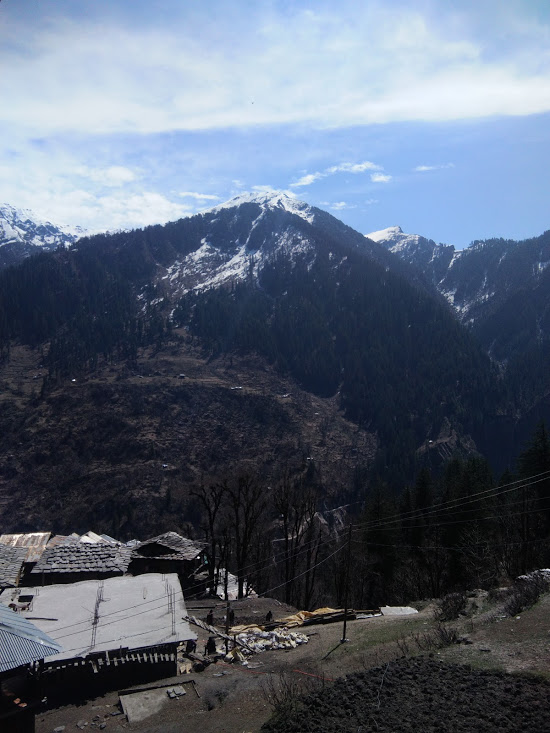
As we wandered through the village, a sense of awe mixed with a palpable awareness of their distinct culture permeated the air. I was careful to adhere to the unspoken rules, mindful of the signboards requesting visitors not to touch the walls or belongings of the locals. This wasn’t mere rudeness; it stemmed from their deep-rooted belief in their purity and a reluctance to be touched by outsiders. Even food cooked by non-natives is traditionally avoided. Tourists, I noted, were not permitted to enter the temples, further emphasizing the boundaries between their world and ours.
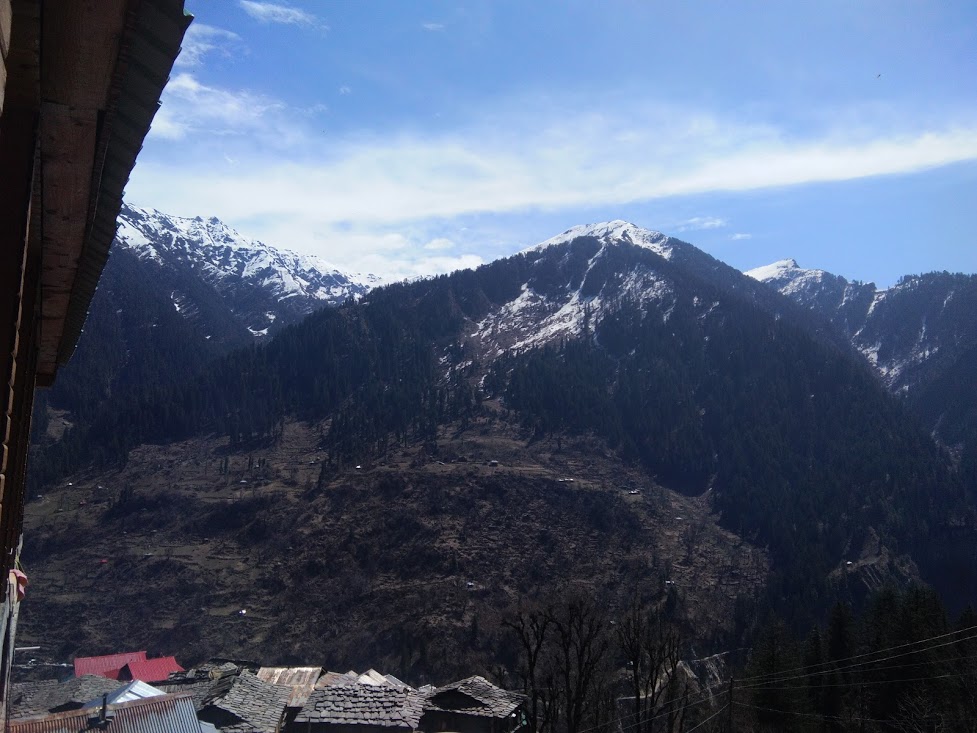
The wooden houses, clustered together along the hillside, exuded a rustic charm. Villagers went about their daily lives, tending to their fields of maize, potatoes, and beans, or caring for their animals. And then there were the cannabis plants, growing openly, a stark reminder of Malana’s other, more controversial claim to fame. Charas, the hand-rubbed hashish, is not just a source of income here; it’s considered sacred, offered to Jamlu Devta as a tribute.
I was particularly intrigued by the legend linking the Malanis to Alexander the Great’s army. It’s believed that some of his soldiers, wounded after their battle with King Porus in 326 BCE, sought refuge in this isolated valley and eventually settled here. The light eyes and distinct features of some villagers lend credence to this theory, and artifacts reportedly dating back to that era have been found. The Malanis themselves proudly claim this Hellenic connection, believing their ancestors were the very soldiers who marched with Alexander. This historical thread added another layer of fascination to the already rich tapestry of Malana’s identity.
Despite their claim to being the “oldest democracy,” life in Malana appeared challenging. The very isolation that preserved their unique culture also meant a lack of easy access to the outside world. Everything had to be carried up the steep trail. While a hydroelectric project hummed nearby, a consistent power supply remained elusive, perhaps a consequence of their self-imposed seclusion.
I tried to engage with the locals, eager to learn more about their traditions and beliefs. However, I encountered a polite but firm reserve. Eye contact was often avoided, and conversations were brief, conducted in hushed tones and often in their native Kanashi. They answered my questions, but without any real enthusiasm, as if guarding secrets passed down through generations.
Yet, glimpses of their vibrant culture did emerge. I learned about Phagli, a significant festival celebrated in February and March, marking the victory of Jamlu Devta over a demon who once troubled the region. During this time, the usually reserved villagers come alive with dance and song, their colourful attire breaking the monochrome of the winter landscape.
We were fortunate to witness the tail end of these festivities. The air vibrated with the rhythmic beat of traditional instruments, and the sight of Malani men and women singing and dancing under the spring night sky was a truly captivating experience. I even saw a ritualistic performance where a villager, masked and adorned with grass, played the role of the defeated demon, while another, representing the deity, enacted a symbolic dance of triumph.
The economic backbone of Malana, I discovered, is undeniably the cultivation and production of hashish, particularly the renowned “Malana Cream.” This potent strain is highly sought after globally, commanding impressive prices in international markets. While cannabis cultivation and use are largely illegal in India, it forms an integral part of Malana’s economy and, to some extent, its cultural identity. I learned about the meticulous hand-rubbing process used to create the prized “Super” quality hashish and the different grades produced, each with its own unique characteristics and value. It was a fascinating, albeit complex, aspect of their livelihood.
Interestingly, despite the prevalence of cannabis, alcohol consumption is forbidden for the Malanis, though tourists are permitted. Guesthouses exist in the village, owned by locals but often managed by people from nearby areas due to the restrictions on interacting with outsiders. The substantial cash generated from the hashish trade, I was told with a hint of astonishment, is often stored in pots buried beneath their homes, a practice rooted in the absence of nearby banking facilities.
As our time in Malana drew to a close, I felt a mix of emotions swirling within me. I deeply admired the resilience and unwavering commitment of the Malanis to preserving their unique heritage in the face of a rapidly changing world. Their self-governing system and deep-rooted spiritual beliefs were truly remarkable. Yet, I couldn’t help but wonder about the impact of their isolation. Were they missing out on opportunities and advancements? Was their strict adherence to tradition sustainable in the long run? These were questions that lingered in my mind as we began our descent.
Our return journey took us through Manikaran, another significant spot in the Parvati Valley, famous for its hot springs and Sikh gurudwara. But even amidst the spiritual serenity of Manikaran, my thoughts kept drifting back to Malana. I had, in a way, fallen under its spell. This journey had been more than just a visit to a remote village; it was an encounter with a different way of life, a testament to the enduring power of culture and tradition.
Malana, hidden behind its veil of towering deodar trees and steeped in centuries of myths and legends, truly lives up to its reputation as the forbidden village. It’s a destination that challenges your perspectives, prompting you to question your own notions of progress and happiness. It taught me that there isn’t one singular path to fulfillment and that the diversity of human existence is a precious and beautiful thing. Sometimes, the most transformative journeys are those that challenge us to release our preconceived notions and embrace the world and its people exactly as they are.
If you’re looking for a retreat from the noise of modern life, a chance to immerse yourself in the untamed beauty of nature, and a glimpse into the whispers of an ancient past, Malana is a destination that promises to captivate. Approach it with respect, an open mind, and a readiness to step into a realm unlike any other.

Very well written and provides inspiration to visit Malana. Our friend Ashish will be too happy to go there and perhaps settle down.
LikeLiked by 2 people
Thanks Aranjit. I am also very much interested to visit Malana after hearing the stories. We will make a programme to visit this place.
LikeLiked by 1 person
It was almost 24 years ago in summers of 1993, when I first visited Malana. It wasn’t that commonly known till then and nor Israelis had occupied Kasol till then. More importantly, it was tough to trek, actually very tough. Things have changed a lot during subsequent visits and drastically till now. Haven’t been there for many years now. Just wanted to know that at one point you have mentioned, “Road to Malana was quite different from rest of Parvati valley”. Curious to know whether there is a road till Malana now? It was unimaginable in our days, and if it has then it would be quite catastrophic for the local ecology, I fear!
LikeLike
Nah. From Kasol you gotta drive like 15km, of which 5km is extremely bad; it’s completely kaccha road decorated with hairpin turns to make the matter worse. But then there’s the point (you can see in the featured photo), you have to walk from there for 2km to reach the village. That is some hike. Normally residents take about 30 minutes to 45 minutes to reach, which was covered by me and my friend in almost 2 hours. But, you get a lot of inspiration on the way when you see old ladies (locals) carrying firewood and climbing the stairs. I think the hike is still not easy. The nature is awesome there. For people like us used to urban lifestyle, the hike is not an easy one, but yes, it’s definitely worth.
LikeLiked by 3 people
Two decades back we trekked more than six hours to reach Malana, changed a lot. Thanks a lot
LikeLiked by 3 people
Thanks for your interest sir. It must be much more interesting trek two decades ago!
LikeLiked by 1 person
Fascinating post. Nice images and interesting narration.
LikeLiked by 3 people
Thanks. 🙂
LikeLike
Have heard a lot about Malana but never have come across such an enlightening and elaborate article. Thanks to Mr Judhajit…
LikeLiked by 1 person
Thanks. 🙂
LikeLiked by 1 person
Such a pleasure to read about this village! We have visited Manikaran Sahib and seen the picturesque Parvati Valley, mesmerising hot water springs and the majestically cascading Parvati river but was not aware of this heritage village. Thanks for sharing the information, it revived many lovely memories.
LikeLiked by 1 person
Thank you!
LikeLike
What an interesting place this is! The pictures are mesmerising. It is interesting to note that their language sounds like Sanskrit. Do the inhabitants of Malana still have any semblance with their Greek ancestors, in terms of traditions or features?
LikeLiked by 2 people
There is no convincing substantiation for Malanis being Greeks. Vivek Mohan, who has conducted over four years of study and produced a national award winning documentary ‘Malana’, said the answer to Malana residents’ origin remains a riddle to him.
LikeLiked by 2 people
Such an elaborate write up, Sir. I can feel the chill going down my body…the views are unparalleled (rightly said, we have to be there to experience it).
LikeLiked by 2 people
Thanks Alok. This post is published by my son Judhajit after his recent visit to Parvati valley in Himachal Pradesh.
LikeLiked by 2 people
Yes, I could see him as the the author.
LikeLiked by 2 people
Such a lovely place!
LikeLiked by 2 people
Yes indeed. Thanks.
LikeLike
Very thorough article and informative. It definitely sounds like it’s worth an exploration someday. Traveled so much but never been to Malana!
LikeLiked by 2 people
Thanks. If you like exploring then you should go.
LikeLiked by 1 person
One day, maybe.
LikeLike