
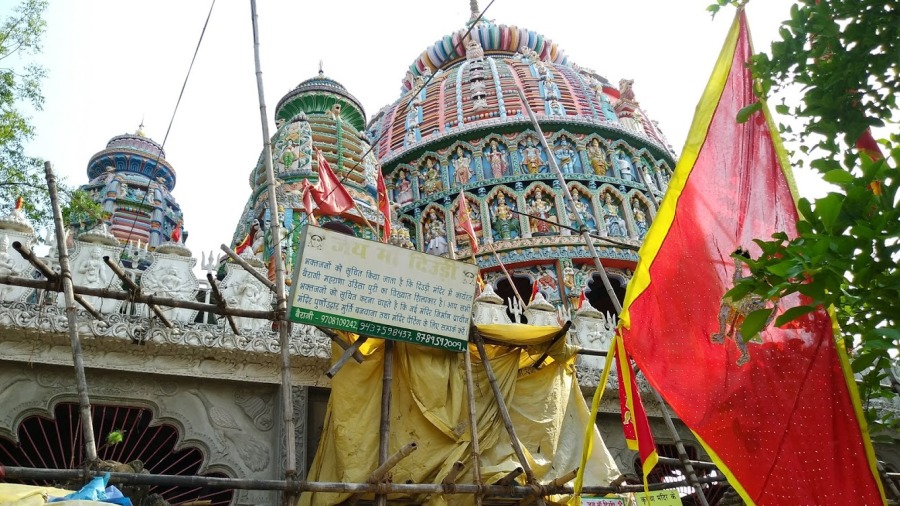
Nestled in the quiet embrace of Tamar in Jharkhand, a modest village along the Jamshedpur–Ranchi Highway, stands a temple that defies time, convention, and even the limits of imagination—Deori Mandir. It’s not merely a place of worship; it’s a living chronicle where faith meets folklore, where stone whispers legends, and where the divine stands armed—not with eight or ten arms as in common depictions of Durga—but with sixteen.

For me, stepping into this sacred space after many years was more than a visit—it was a homecoming. The air seemed to hum with familiarity. Every breeze carried whispers from my first visit decades ago, when this temple first etched itself into my spiritual map.
From New Delhi to Ranchi – The First Calling
The year was the late 1990s. Life was in transition. I had moved from New Delhi to Ranchi, stepping into a fresh professional chapter, adapting to a new rhythm. Conversations with colleagues inevitably drifted toward Jharkhand’s spiritual landmarks. One name kept surfacing—spoken not with casual interest, but with the kind of reverence that makes you pause: Deori Mandir.
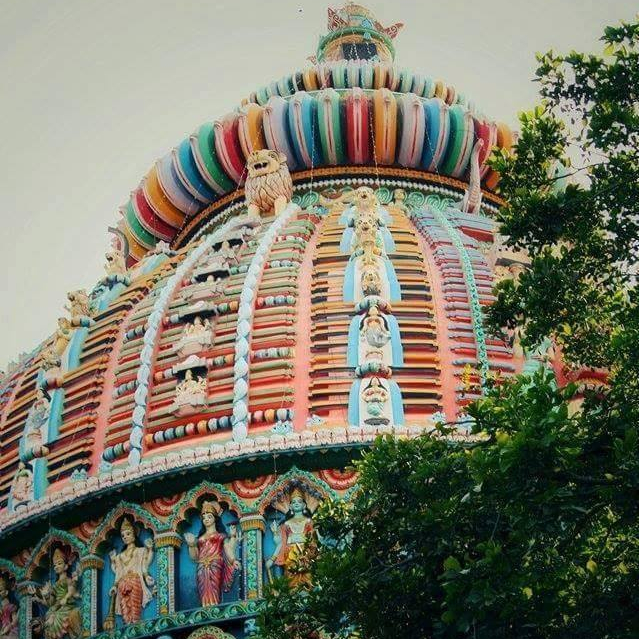
Intrigued by the reverent tone in which it was mentioned, I found myself one weekend heading toward Tamar. The road curved gently between stretches of forest and farmland, carrying with it stories of a sixteen-armed goddess—Maa Deori—whose presence was said to be both protective and fierce. That first visit left an imprint I didn’t know would last decades.
The Sixteen-Armed Goddess
Durga, the invincible mother, is often depicted riding a lion or tiger, weapons in hand—a symbol of courage, cosmic power, and unyielding protection. But in Deori Mandir, the goddess takes on a rarer form. Here, she is sixteen-armed, each arm holding a weapon or divine symbol. The sheer symmetry of her stance radiates an energy that is at once serene and formidable.
This form is not just an artistic variation—it’s a statement. It sets the temple apart in the spiritual geography of Jharkhand. The idol, carved from dark stone, seems less like a crafted sculpture and more like a figure that emerged fully formed from the earth itself.


Legends Etched in Stone
The origins of Deori Mandir are wrapped in layers of myth and memory, each story adding depth to its aura. One tradition claims that its roots reach back to the Mahabharata era, making it a timeless sentinel of faith that has watched over countless generations. Another legend links it to Emperor Ashoka, who, during the bloody Kalinga War, sought divine counsel. Guided by celestial dreams, he is said to have journeyed to this very site, offering prayers for peace and guidance. Geographically, the temple lies just before the borders of the ancient Kalinga Kingdom when approached from the heartland of Magadha—a location that itself feels like a threshold between worlds.
More recent folklore recounts a tale of a king from Tamar in the 18th century who had a dream in which the goddess instructed him to uncover a hidden temple. Acting on this vision, villagers cleared a forested patch and discovered a small shrine with a stone idol of Durga. Since then, Maa Deori has been worshipped here, her presence a constant in the lives of those who seek her blessings.
Architecture Held Together by Faith
The temple’s architecture is a marvel in itself. Stones are stacked without cement or mortar—just gravity, precision, and devotion binding them together. This method harks back to ancient construction styles, where permanence came from alignment, not adhesives.
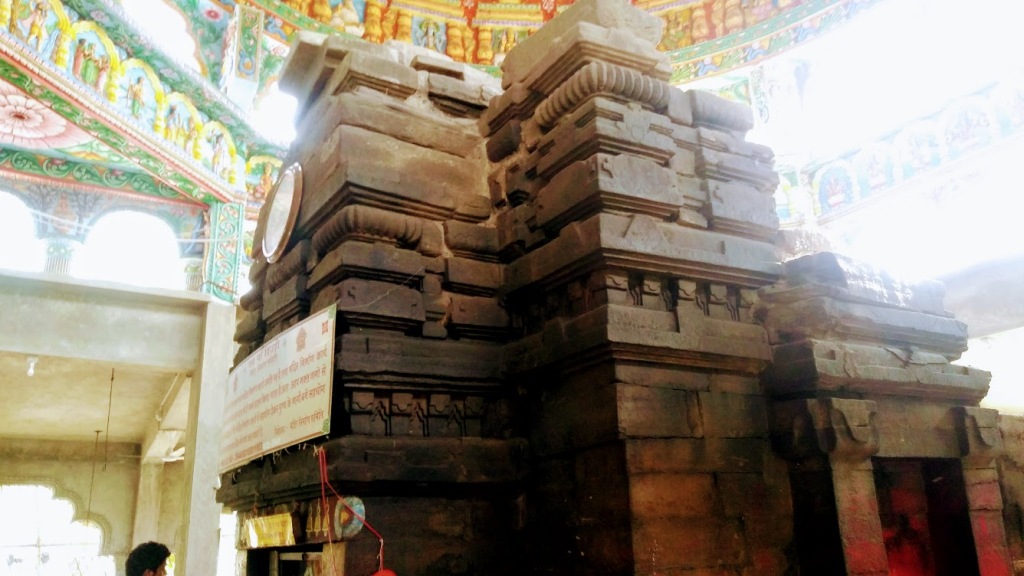
Interestingly, “Deori” comes from the Mundari language, meaning “stone”—an apt name for a temple that is both materially and metaphorically enduring.
Threads, Wishes, & Vows
One of the most moving sights inside Deori Mandir is the forest of red and yellow threads tied to bamboo poles. These are not mere decorations—they are physical prayers. Every knot is a wish, every strand a vow, and every colour a sentiment: red for strength and energy, yellow for hope and blessing.
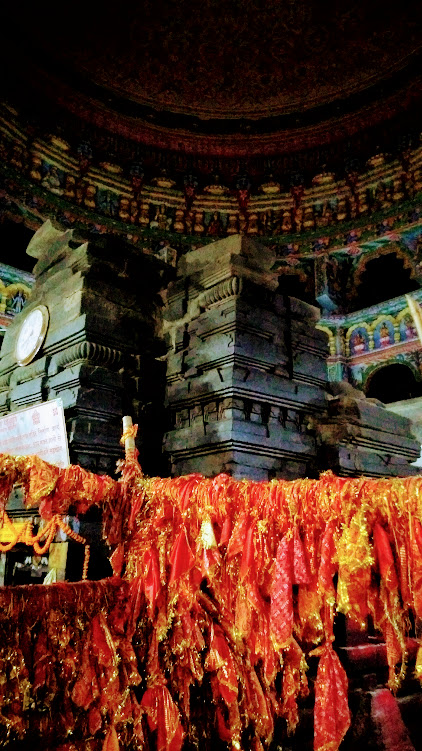
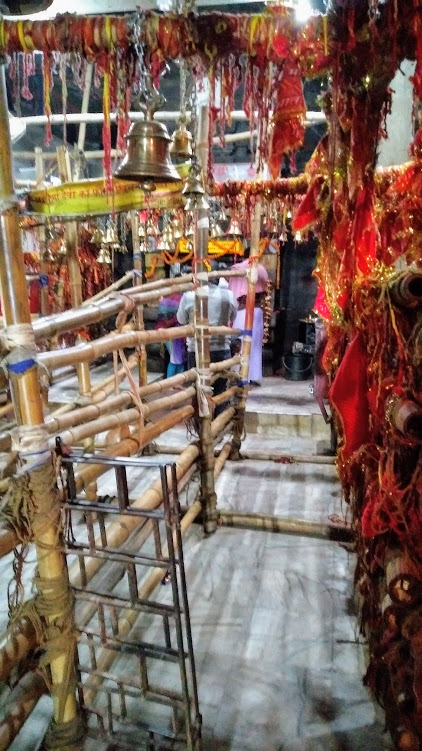
Legends caution against altering the temple’s original structure, warning of divine retribution. All modern extensions are built outside the main sanctum, keeping the heart of the temple untouched—an unbroken link to its ancient spirit.
The Cricketer & the Goddess
Among Deori Mandir’s devotees is a name known far beyond Jharkhand—Mahendra Singh Dhoni. For over a decade, the cricketing legend has been a regular visitor. His connection to the temple isn’t a superstition—it’s a quiet, personal act of faith.
Dhoni’s visits have brought national attention to the temple, but within these walls, celebrity dissolves into the same humility that brings farmers, students, and travellers to Maa Deori’s feet.
Return, Reflection, & Benediction
As I stood once more before the sixteen-armed goddess, a sense of calm enveloped me. The years between my visits melted away, replaced by the timeless rhythm of chants and the rustle of sacred threads in the wind. In that moment, I wasn’t just revisiting a temple—I was reconnecting with a part of myself that had been shaped by memory, myth, and meaning.
Deori Mandir is more than stone and sculpture. It’s a sanctuary of the spirit, a place where history breathes through legend, and devotion finds its voice in silence. In the embrace of Maa Deori’s benevolence, I found not just solace, but a reminder—that in life’s ever-shifting tides, some anchors remain eternal.
सर्वमङ्गलमाङ्गल्ये शिवे सर्वार्थसाधिके ।
शरण्ये त्र्यम्बके गौरि नारायणि नमोऽस्तु ते ॥
ॐ जयंती मंगला काली भद्रकाली कपालिनी ।
दुर्गा क्षमा शिवा धात्री स्वाहा स्वधा नमोऽस्तुते ॥

Interesting to read about the temple where tribal priests worship the deity of Durga Ma with 16 hands. The dome of the temple is very beautiful. Many of these ancient structures are built of stones interlocked with each other and have survived for a very long time. Thank you for sharing.
LikeLiked by 2 people
Thanks, Somali.
LikeLiked by 1 person
Glad to come across this post on Deori Mandir!
LikeLiked by 1 person
Thanks, Mrinalini.
LikeLike
Nice to know these facts about Deori mandir. Been there number of times.
LikeLiked by 1 person
Reblogged this on World beneath the feet and commented:
The famous Deori Mandir near Ranchi is an all-time favourite for the people of this city.
LikeLiked by 1 person
Thanks, Abhi. You’re right.
LikeLiked by 1 person
Just now visited this temple…so old and yet not known.Great place…requires govt attention for infrastructural dev.
LikeLike
Yes, you are right. A small improvement in the tourist infrastructure can make it a big religious tourism attraction.
LikeLike
Nice Blog!! Very beautiful place! Pictures are great,Thanks for sharing.
LikeLiked by 1 person
Thanks, Chitra.
LikeLike
Nice story! Beautiful temple.
LikeLiked by 1 person
Thanks, Nilanjana.
LikeLike
Pingback: Old Friends, New Adventures: A Reunion to Remember in Ranchi – Indrosphere