

Welcome back, fellow travelers! Today, I’m thrilled to take you through the awe-inspiring landscapes of Sikkim, as we recount our unforgettable third day spent at the majestic Yumthang Valley and the edge-of-the-world Zero Point. These destinations, nestled in the heart of the Himalayas, are not just places on the map; they’re experiences that stir the soul. From snow-capped peaks to lush valleys in full bloom, this was a day that left us in utter awe of nature’s boundless beauty.
A Morning to Remember: Waking Up to the Himalayas
Yesterday’s travels to Gurudogmar Lake, Chopta Valley, and Kala Patthar were incredible, but this morning in Lachung was something else entirely. Opening the window, I was met with a vista of mountains bathed in the soft glow of dawn. It’s moments like these, surrounded by nature’s quiet majesty, that remind me why I travel. The crisp mountain air and the gentle sound of the pines were a balm to the soul, a perfect way to begin the day.
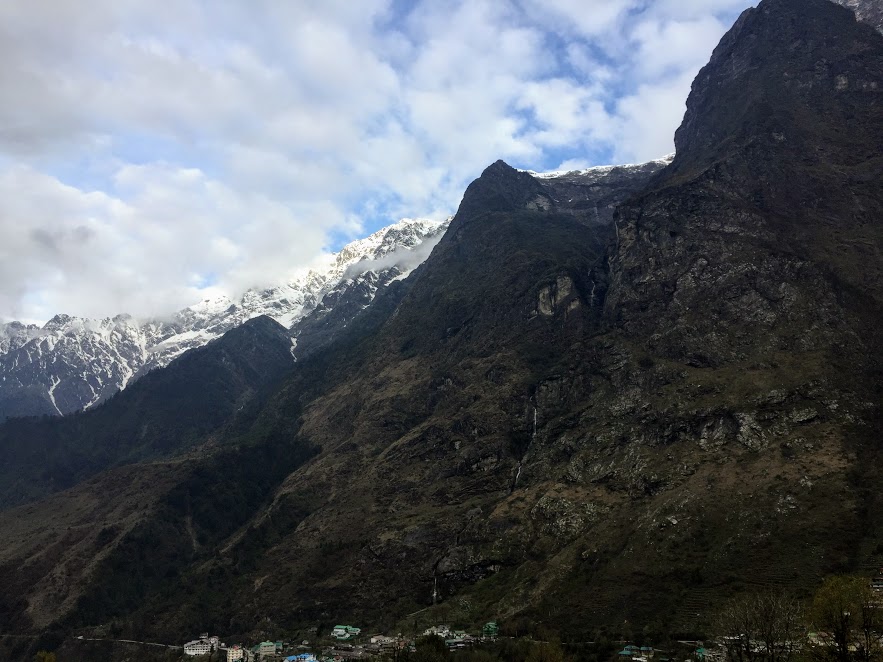
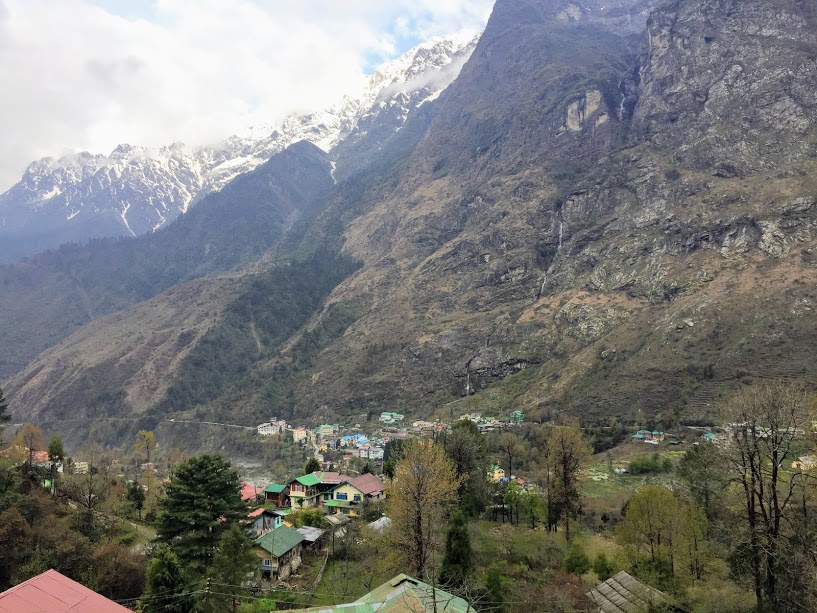
The Road to Zero Point: A Bumpy Ride to the Edge of the World
Zero Point beckoned at 7:00 a.m., with Yumthang Valley as our first stop. The initial stretch was deceptively smooth, but the mountains quickly asserted their dominance. The scars of an old landslide manifested in a jarring, uneven road. The vehicle rattled and bounced, but the crisp mountain air and the growing excitement for Zero Point drowned out the discomfort.

Zero Point: The Edge of Civilization
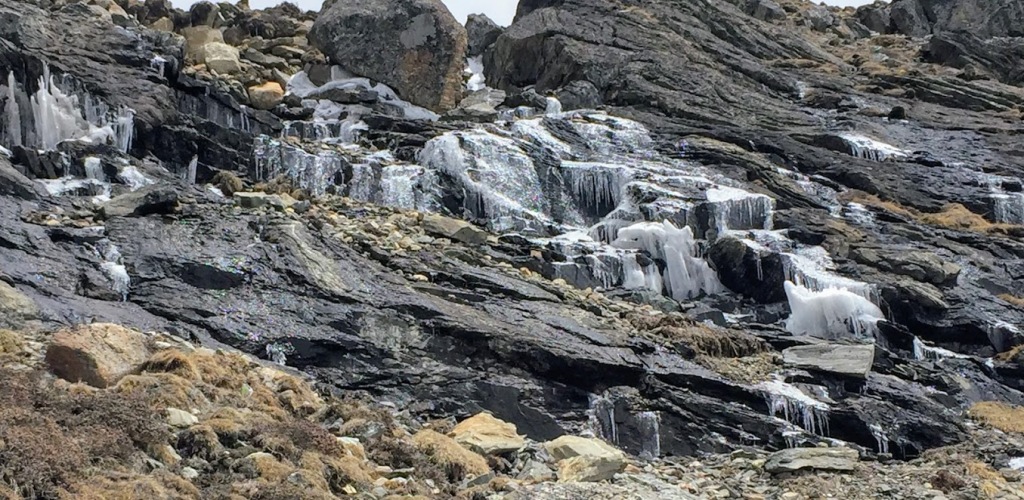
At 15,300 feet, Zero Point, or Yumesamdong, marks the end of the road, a frontier where civilization yields to the raw, untamed Himalayas. This last motorable outpost before the Indian-Chinese border felt like standing on the edge of the world. A stark landscape of snow and rock stretched before us, devoid of vegetation, where only the biting wind and the towering peaks held dominion.
The journey from Yumthang Valley, a grueling 1.5-hour climb along narrow, rugged roads, culminated in a moment of breathtaking awe. Here, at the top of the world, the landscape was stripped bare: snow-covered expanses, jagged mountain silhouettes, and a sky of infinite clarity. The effort was rewarded with a vista that transcended words.
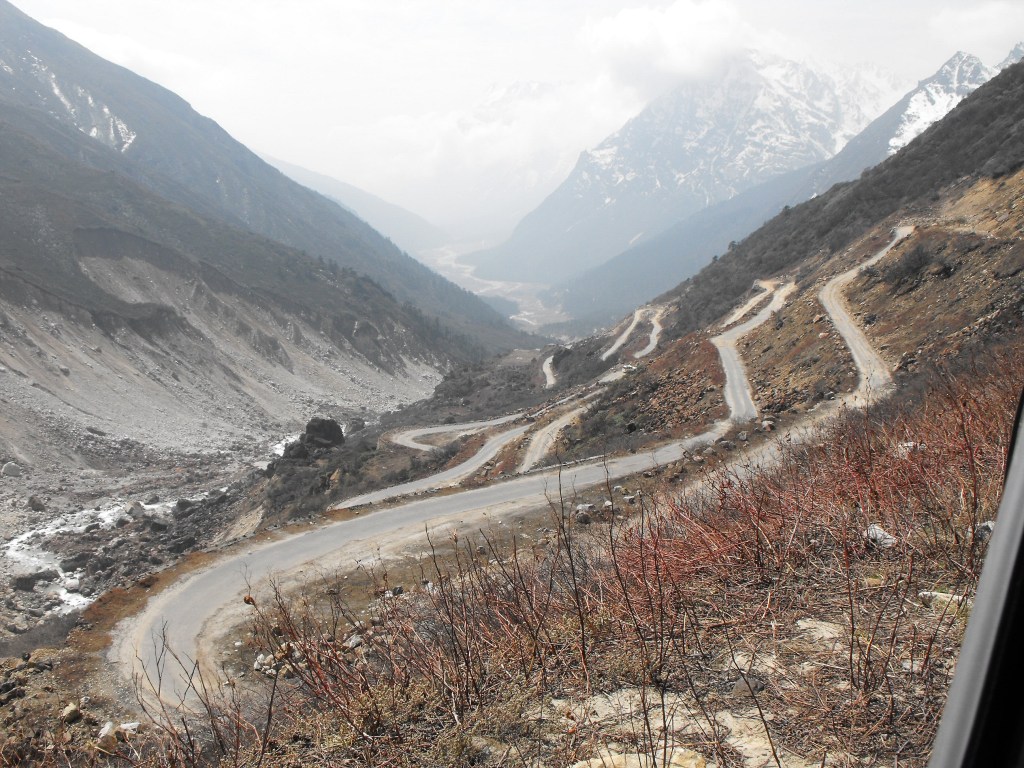
Although we were at an altitude where vegetation barely survives, the view was an incredible reward for our efforts. The road was treacherous, but the surroundings more than made up for it. This spot marked the end of the road for civilians, and a short distance beyond it, the border with China lies just out of reach.


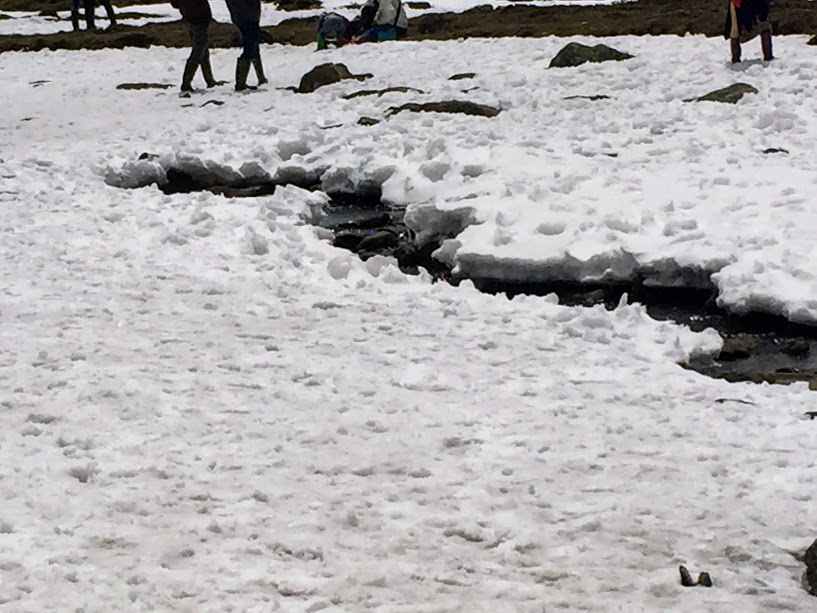


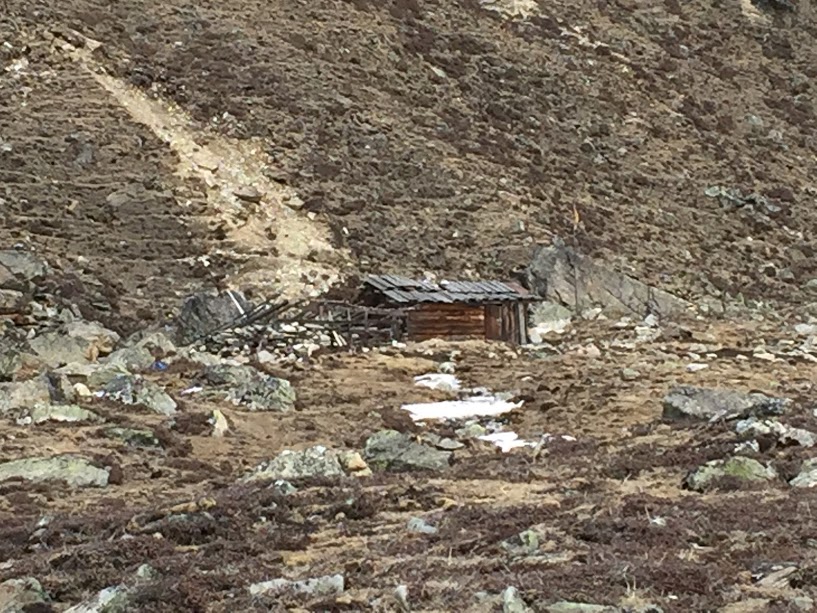
A solitary hut stood as a silent witness, and the elusive Donkia-La pass, at 18,400 feet, whispered tales of inaccessible heights, a boundary beyond reach, guarded by the proximity of the India-China border.
Yumthang Valley: A Floral Paradise
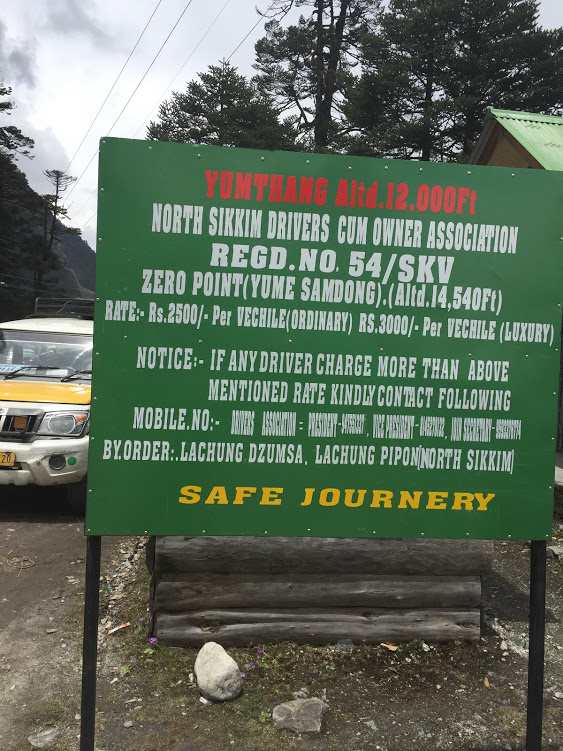
On our way back, we stopped at Yumthang Valley, about 25 km from Lachung and situated at 12,000 feet. It is one of those rare places that feels like a dream brought to life. Known as the Valley of Flowers, this stunning natural sanctuary is famous for its wild, undisturbed beauty, especially during spring when the valley comes alive with a vibrant tapestry of alpine blooms.
However, Yumthang is not just about flowers—it’s a harmonious blend of majestic mountains, lush meadows, flowing rivers, and a rich cultural heritage, making it one of the most sought-after destinations for nature lovers and adventure seekers alike.
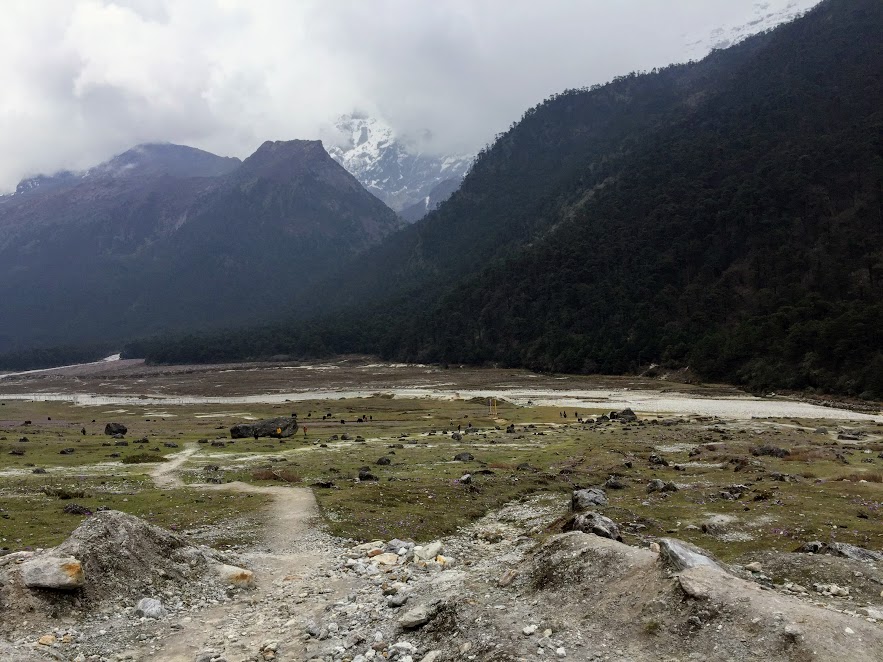
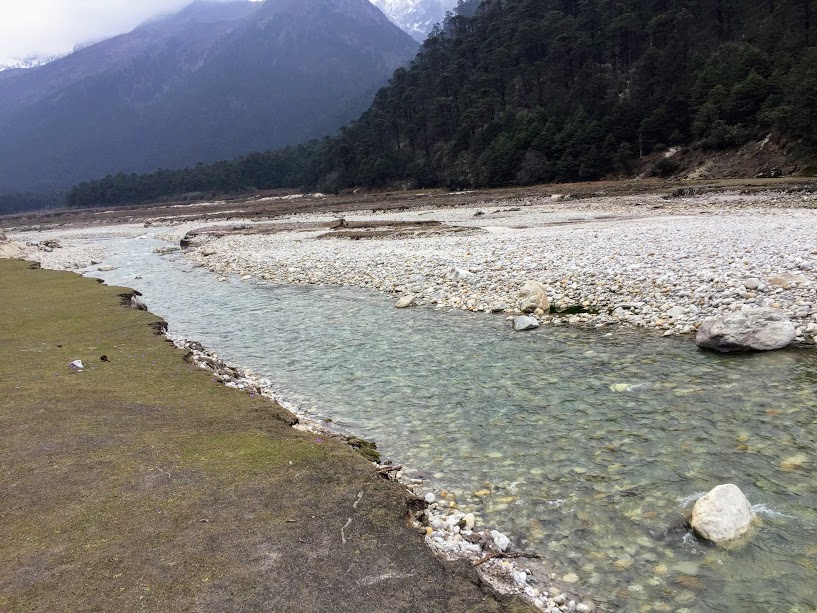
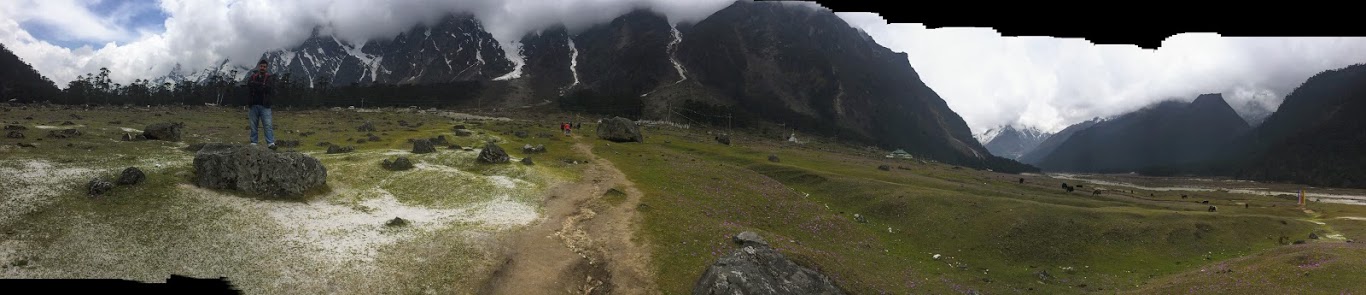
The valley’s lush green meadows are dotted with grazing yaks, while the tranquil Lachung Chu River meanders through the landscape, adding a layer of serenity to the view.
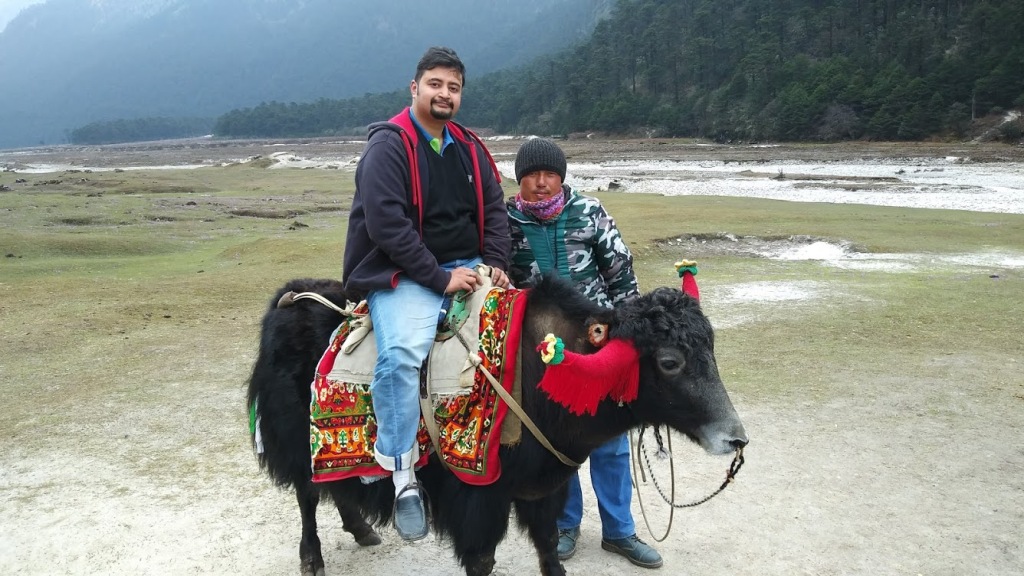
A tributary of the river Teesta (Lachung Chu) flows through the valley to make it even more mesmerizing beauty. Apart from its own astonishing beauty, Yumthang also offers an eye-catching vista of Himalayan peaks along with Pauhunri and Shundu Tsenpa.
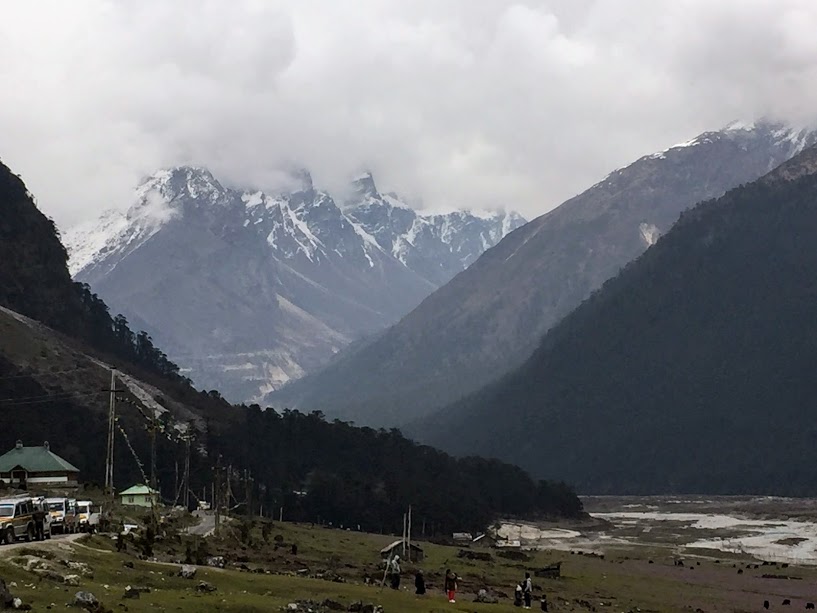
Rising to 7,128 meters (23,386 feet), Pauhunri was first conquered in 1911 by Alexander Mitchell Kellas, a Scottish mountaineer, along with two Sherpas, Sony and Tuny’s brother. It wasn’t until 80 years later that the world learned of the climb’s extraordinary significance: Pauhunri held the title of the highest climbed summit on Earth from 1911 to 1930.
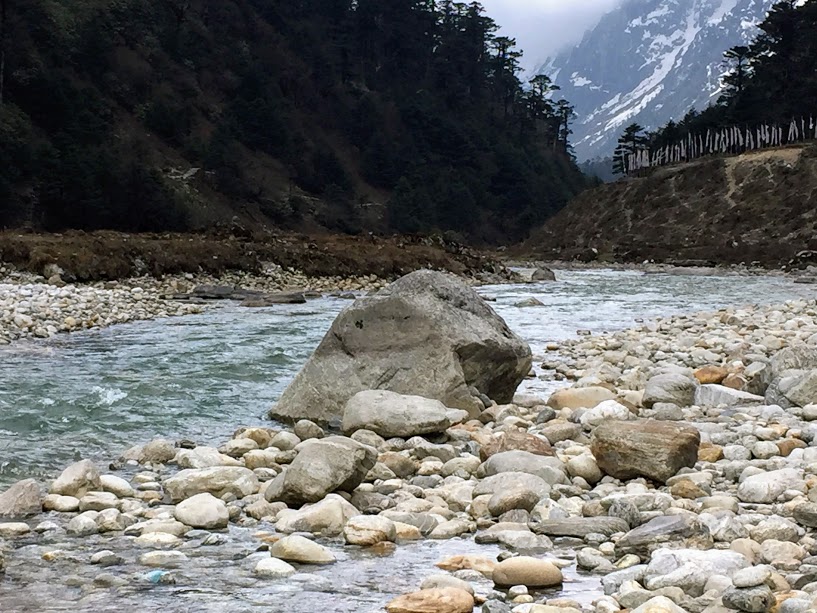
The valley’s beauty is rivaled only by its history. Sir Joseph Dalton Hooker, in his Himalayan Journal of 1855, described Lachung and Yumthang as the two most picturesque places in all of Sikkim, even comparing them to Switzerland’s famed valleys. Indeed, the views here are nothing short of mesmerizing.
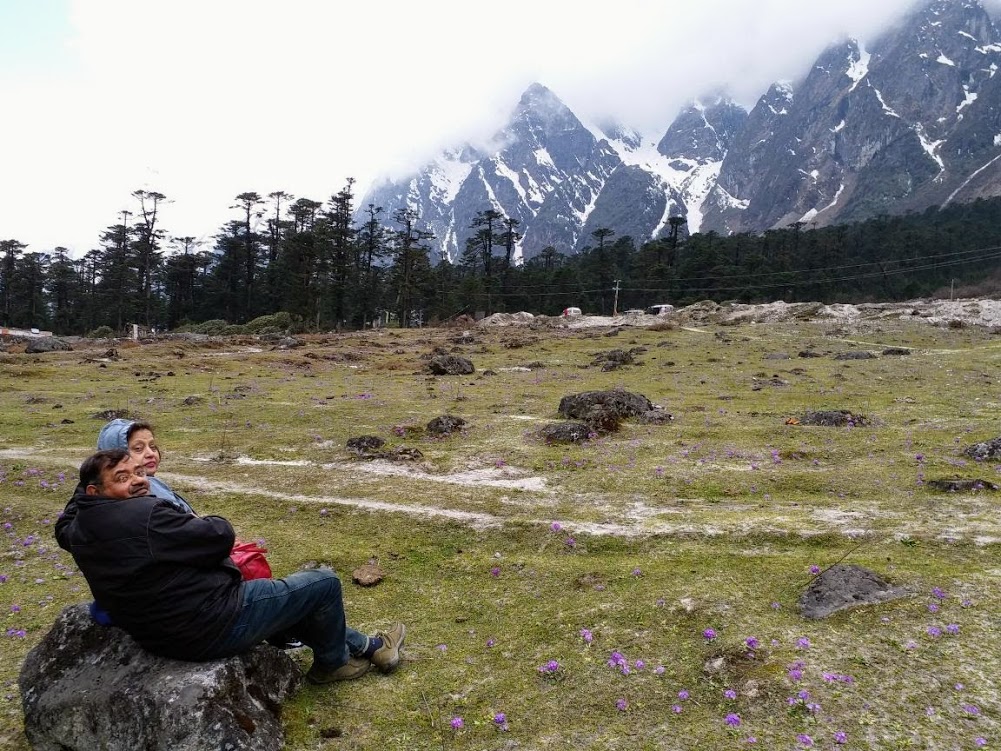
Yumthang Valley is totally covered by thick snow during the winter. It is a very peculiar feature of the valley that during summer it’s a flower bed and during winter it’s a snow bed. The valley is closed to tourists from December till March as the area experiences heavy snowfall.
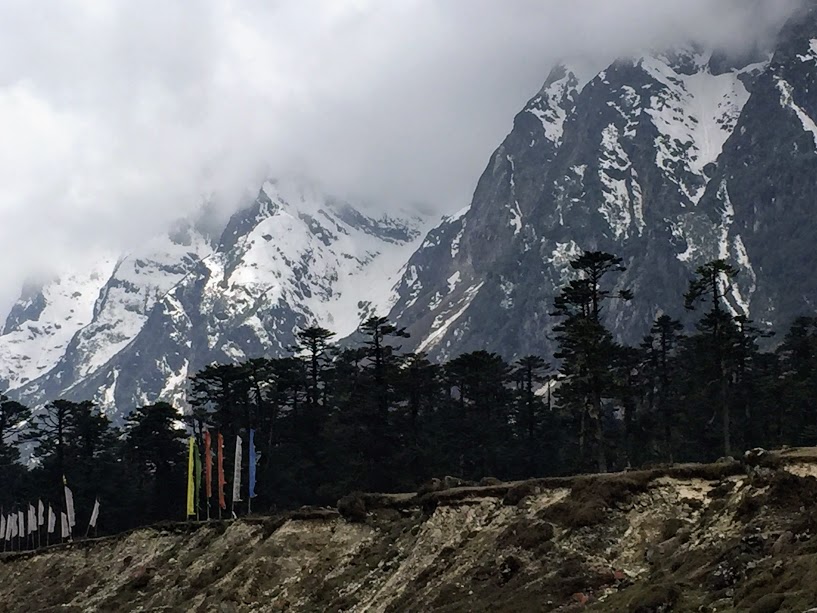
Yumthang is located on a flat valley and is the near tree line – the altitude above which there are no trees – as the surrounding hills look like touching the sky. This makes the Yumthang Valley unique in that it has trees and rhododendrons, and yet abounds in tiny, low-growing Himalayan flowers.
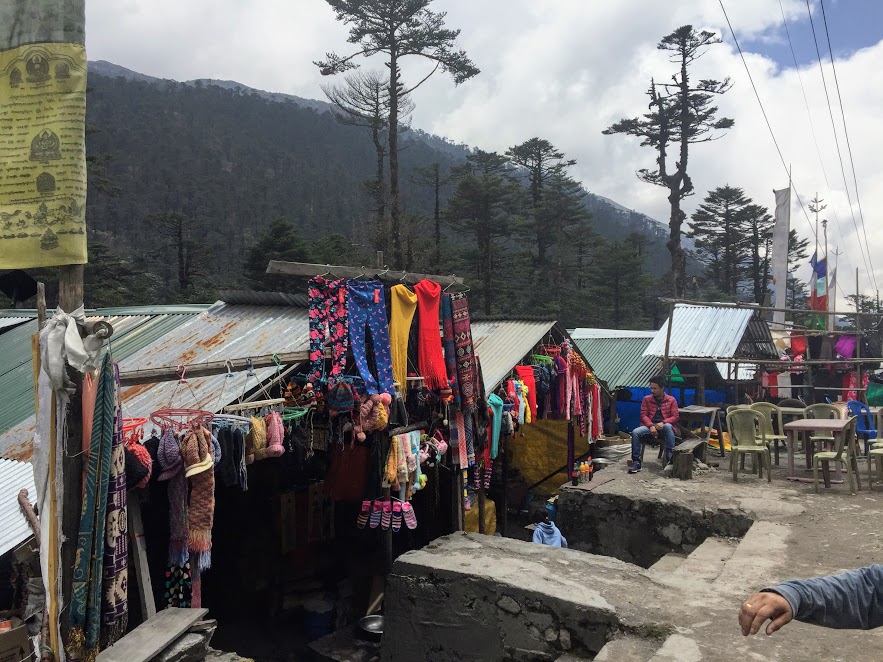
We wandered through the small local market, a kaleidoscope of colors and sounds. The aroma of steaming noodles and eggs filled the air, a welcome respite from the chill. Jagrata browsed the stalls, picking up souvenirs for her friends, while I soaked in the atmosphere, capturing the moment in my mind’s eye.
The Hot Springs of Yumthang: A Relaxing Soak
Yumthang Valley is also home to the Natural Hot Springs, a welcome oasis in the midst of the cold. A short walk across a swaying hanging bridge on the Lachung chu led us to the Natural Hot Spring. The sulphur-rich waters, bubbling up from the earth, offered a soothing balm to our weary limbs. I watched as Judhajit immersed himself in the warm pool, a picture of pure contentment.
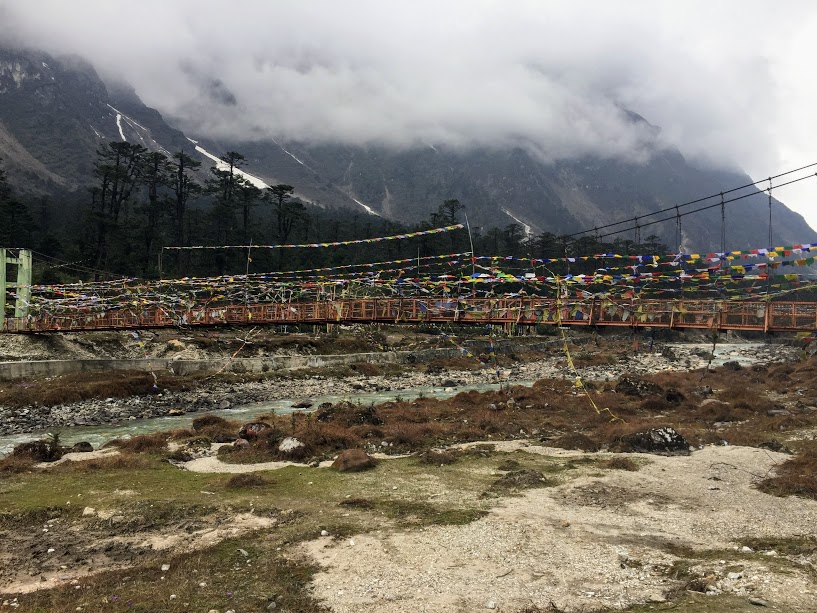
For the convenience of bathers, a hut with two pools in which the hot spring water collects has been constructed. Hot water rich in sulphur emanates from a spring behind the hut and is diverted to the pools. It is difficult to imagine that water so hot in its natural form could be found in a place so cold.
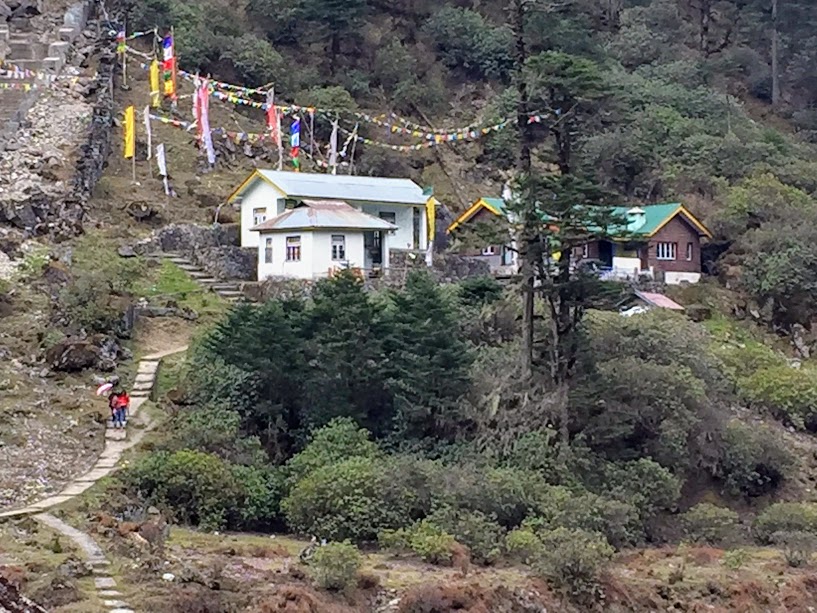
The bounty of nature, sky-kissing mountains, green meadows, flowing river, hot spring make this valley a tourist’s dream place to visit and to enjoy the beauty without any sort of infringement.
A Floral Wonderland: The Rhododendron Sanctuary
The jewel of Yumthang Valley is undoubtedly the Shingba Rhododendron Sanctuary. This protected area spans over 43 square kilometers and is home to a remarkable variety of rhododendron species, making it one of the largest rhododendron sanctuaries in the world. The sanctuary is situated at the very heart of Yumthang, and it’s here that the true magic of the valley unfolds.
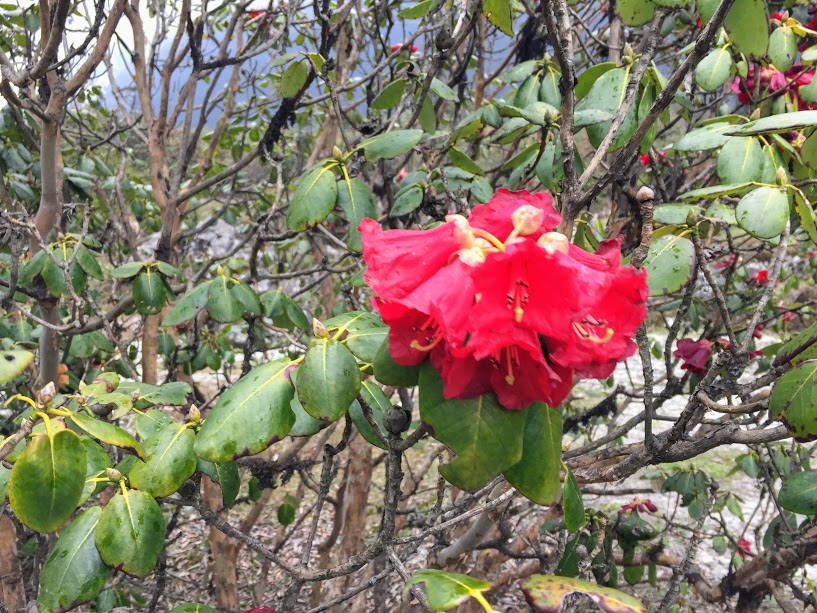
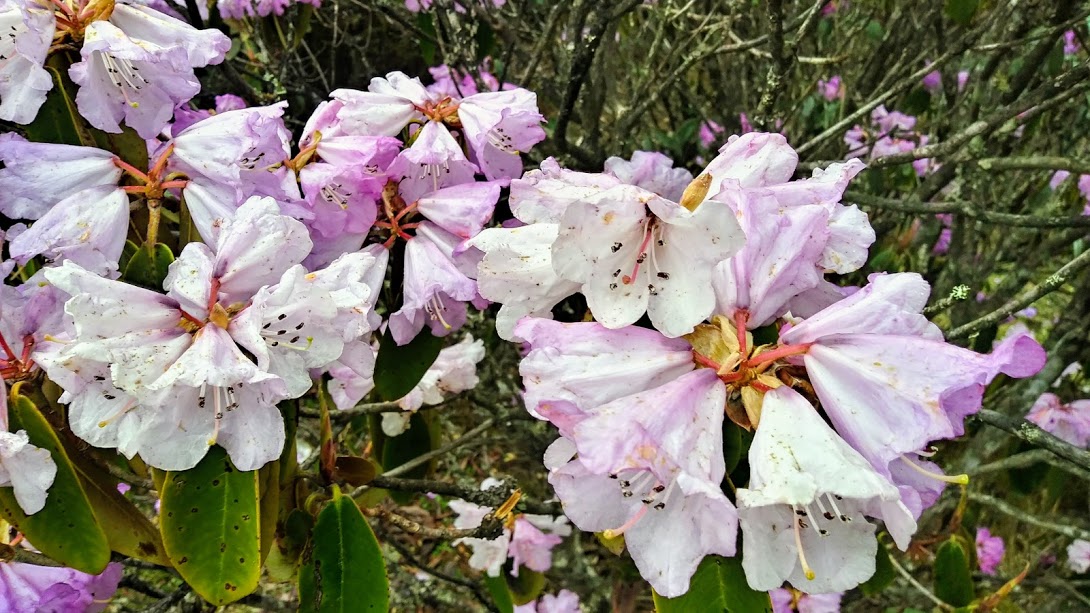
The Shingba Rhododendron Sanctuary is a botanical paradise, with over 24 different species of rhododendrons found in the area. These flowers, which bloom in a riot of colors—red, pink, purple, white, and even yellow—create a breathtaking natural tapestry that stretches as far as the eye can see. The valley’s unique climate, at the juncture of alpine and sub-alpine zones, provides the perfect conditions for these flowers to thrive. The best time to visit is between March and May, when the sanctuary is in full bloom and the valley is awash with the vibrant hues of rhododendrons.
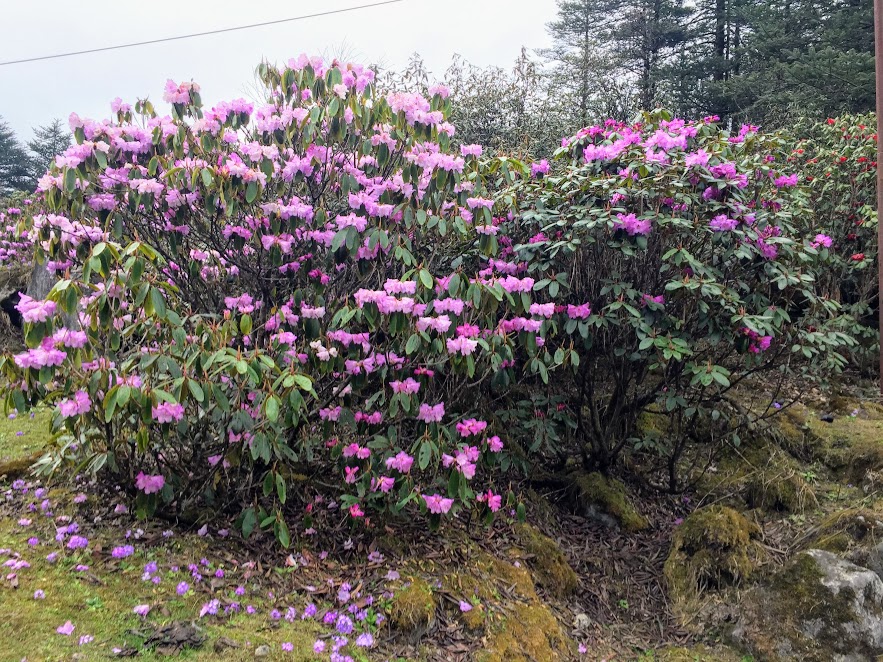
The rhododendrons here are not just ornamental; they play an important ecological role in maintaining the delicate balance of the alpine ecosystem. These flowers, along with other alpine flora like primulas, orchids, and gentians, provide sustenance to the local wildlife, including the yak herders’ cattle, who graze on the lush vegetation that carpets the valley floor.
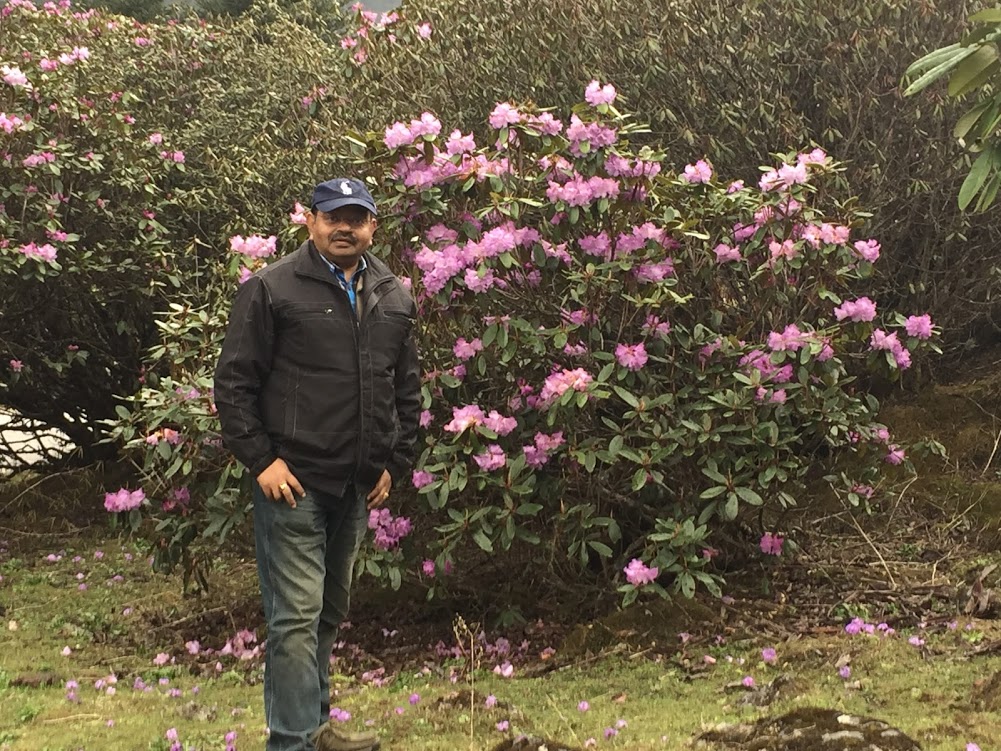
Exploring the Shingba Rhododendron Sanctuary feels like stepping into a fairy tale. The entire area is crisscrossed by well-maintained trails that guide you through forests of tall, slender rhododendron trees and along streams that glisten like silver threads in the sunlight. The trails are easy to follow and provide several vantage points to admire the vast stretches of flowers and the snow-capped peaks in the distance.
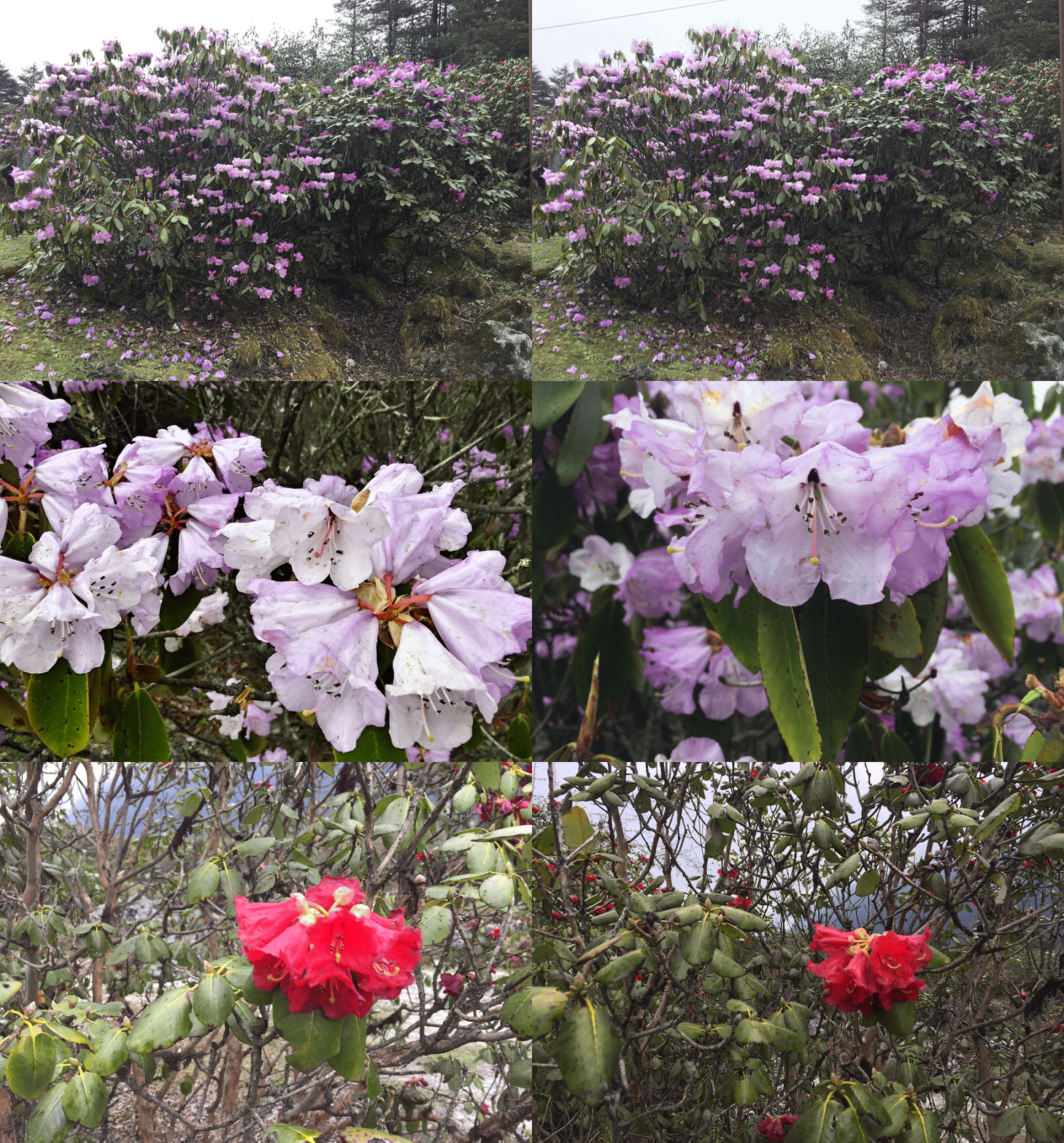
One of the most magical aspects of the sanctuary is the contrast between the rhododendrons and the surrounding snow-covered mountains. As the snow melts during spring, the valley floor becomes a lush carpet of green, dotted with colorful patches of flowers. In the background, the rugged peaks of the Himalayas stand tall and imposing, their slopes still dusted with snow. It’s a sight that captures the essence of nature’s resilience and beauty—life flourishing in the face of harsh conditions.
An Unexpected Delay: The Road to Gangtok
Our return journey to Lachung was smooth, but the road to Gangtok was not. Our idyllic day was interrupted by a massive landslide near Mangan. The road, blocked by enormous boulders, became a temporary prison. We waited, watching a movie on my laptop, hoping for a miracle. The sound of explosives echoed through the mountains as the road was cleared, inch by painstaking inch. Finally, we were allowed to pass, but the challenges continued. The petrol pump in Mangan was closed, forcing our driver to rely on the kindness of a friend.
The final stretch to Gangtok was a testament to our resilience. We arrived at 2:00 a.m., exhausted but exhilarated. The day had been a rollercoaster of emotions, a blend of awe and frustration, beauty and challenge. But as I closed my eyes, I knew that the memories of Yumthang and Zero Point, the whispers of snow and blossoms, would forever be etched in my heart. This was Sikkim, a land of contrasts, a land of unforgettable experiences.
Reflections on the Journey
Despite the unexpected delays, this journey to Yumthang Valley and Zero Point was nothing short of magical. The landscapes of Sikkim—untouched, wild, and utterly stunning—remain etched in my memory. The combination of high-altitude terrain, blooming valleys, and the rugged charm of the Himalayas made this day a once-in-a-lifetime experience.
If you’re an adventurer at heart and seek to witness the raw beauty of nature, Sikkim’s Yumthang Valley and Zero Point should be at the top of your bucket list. These places are a testament to the incredible power of the natural world, and visiting them is an experience you won’t forget.
Until next time, keep exploring and keep embracing the beauty of the world around you!

Wonderful and lively. As I said earlier, you have a natural flow for travelogue where you take the reader on a ride along with you. Keep it up Bro. Cheers !!!
LikeLiked by 3 people
Thanks, Aro.
LikeLiked by 1 person
Breathtaking Pictures and reading through your post is like being at that place. Thank you 🙂
LikeLiked by 3 people
Thanks, Sumi. 🙂
LikeLiked by 2 people
beautiful pictures sir 🤗👏👍👌
LikeLiked by 3 people
Thanks, Badal.
LikeLiked by 1 person
Beautiful. Sikkim is high on my list of places to visit.
LikeLiked by 3 people
Thanks, Sapna. I am sure you would love every corner of Sikkim.
LikeLiked by 1 person
Vivid post… Took me on a voyage down the memory lane, when I was there few year back. Thanks for amazing clicks.
LikeLiked by 3 people
Thanks, Prakash.
LikeLiked by 1 person
Reblogged this on jayaspace.
LikeLiked by 2 people
You have a great blog and some nice posts. Can you please visit my new blog and provide me your valuable feedback about it?
LikeLiked by 1 person
You have got a nice blog and I have started following your blog.
LikeLike
The “Valley of Flowers”, sounds like a dream world with alpine pastures, rhododendron forests, and snow-clad peaks of the Himalayas. What could be a better reward after a tedious drive? Thank you or sharing the travelogue,
LikeLiked by 2 people
Thanks, Somali. Very true. Yungtham is a lovely valley.
LikeLiked by 1 person
When we visited Sikkim in early 90s and visited Changu Lake at the border of China, we did experience the same thrill as you have captured but couldn’t take any digital pictures. Thanks for sharing breathtaking pictures of the valley and mountains. We saw similar terrain at Leh too. Your post is a pictorial treat!
LikeLiked by 2 people
Thanks, Balroop for your appreciation. You can refresh your memories of Changu lake reading earlier post: https://wp.me/p10bZs-2hv 🙂
LikeLiked by 1 person
Incredible place, enjoyed the wonderful photos and the travel writing, thank you.
LikeLiked by 1 person
Thanks, Libre.
LikeLike
Hello bro..
Nicely written content and some exquisite pictures.
We are planning to visit it in the 2nd week of october. Can you please suggest how to get beyond guru dongmar lake and visit cho lamu lake..and what places we can see snow
Thank you. Keep visiting..blogging and inspiring
Us.
LikeLiked by 1 person
Thanks, Bikash.
You can see snow at Kala Patthar, Zero Point in October in North Sikkim. Our trip was arranged by Mr. Samunder Singh. You may contact him for details at +919434629950 / +919735918399 / +919434011467 or his website.
LikeLike
Breathtaking! Thankfully such places still exist. Greatly value indie travel journals like yours for an “authentic” feel.
LikeLiked by 1 person
Thanks sir. I feel honoured.
LikeLike
very nice post beautiful visiting spot……and captures very impressive photos.
LikeLiked by 1 person
Thanks, Chitra.
LikeLike
Beautiful place. In 2015 we had been in most of these nice places of Sikkim, including Yamthung and Nathula pass.
LikeLiked by 1 person
Sikkim is full of awesome sites… a wonderful state.
LikeLike
Great post! That’s a detailed travelogue with simply amazing pictures. It was such an informational blog, pleasure reading your content, Thanks.
LikeLiked by 1 person