

We spent January 26th through 30th in Varanasi, immersed in the city’s vibrant energy and spiritual atmosphere while attending a wedding. During the celebrations, my mother expressed a desire to bathe at the Triveni Sangam on the auspicious occasion of Mauni Amavasya. This brought back memories of our family’s pilgrimage to the Maha Kumbh Mela in 2013, a treasured experience we shared with my father. The trip was made easier and more enjoyable by the presence of our extended family in Allahabad, including my maternal grandfather (dadu) and uncle’s family.
Arrival at Prayagraj – The Grand Kumbh Mela
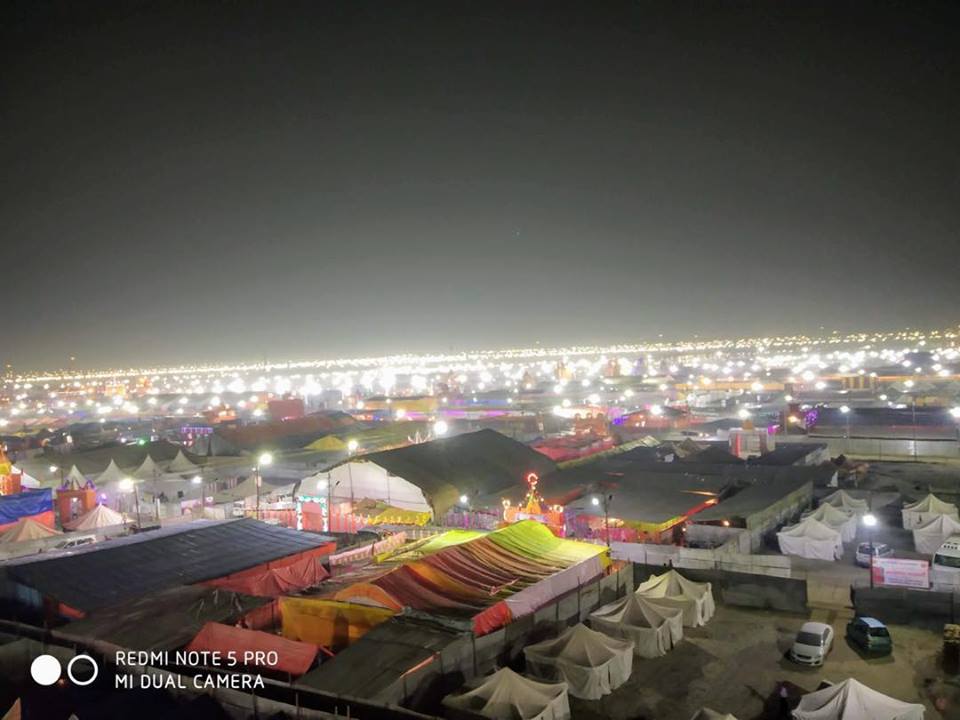
Upon arrival in Prayagraj, we witnessed the Kumbh Mela transforming the banks of the Ganga and Yamuna into a sprawling tent city. Illuminated by over 40,000 LED bulbs, the Mela glittered under the night sky, embodying the vibrancy of this grand congregation. Recognized by UNESCO as India’s ‘Intangible Cultural Heritage of Humanity,’ the Kumbh Mela attracts millions of saints, pilgrims, and devotees from around the world, all converging to take holy dips in the sacred confluence of the Ganga, Yamuna, and the mystical Saraswati, seeking spiritual purification.

Our Panditjee had booked a tent for the entire duration of the Mela. On the morning of January 3, my mother and I arrived at his tent, immersing ourselves in religious ceremonies and pujas. The day was spent in deep reverence and spiritual activities, culminating in a peaceful night’s rest, preparing us for our dawn dip in the Ganga. Dadu joined us in the evening, adding to the familial warmth of our spiritual endeavour.

A Tapestry of Faith and Diversity
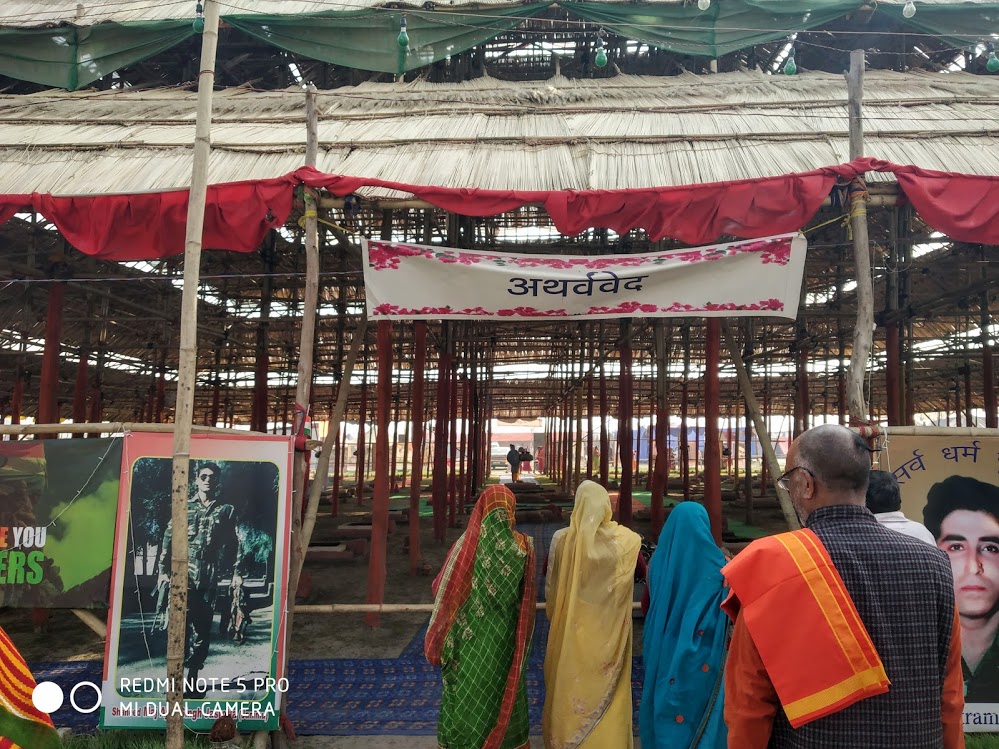
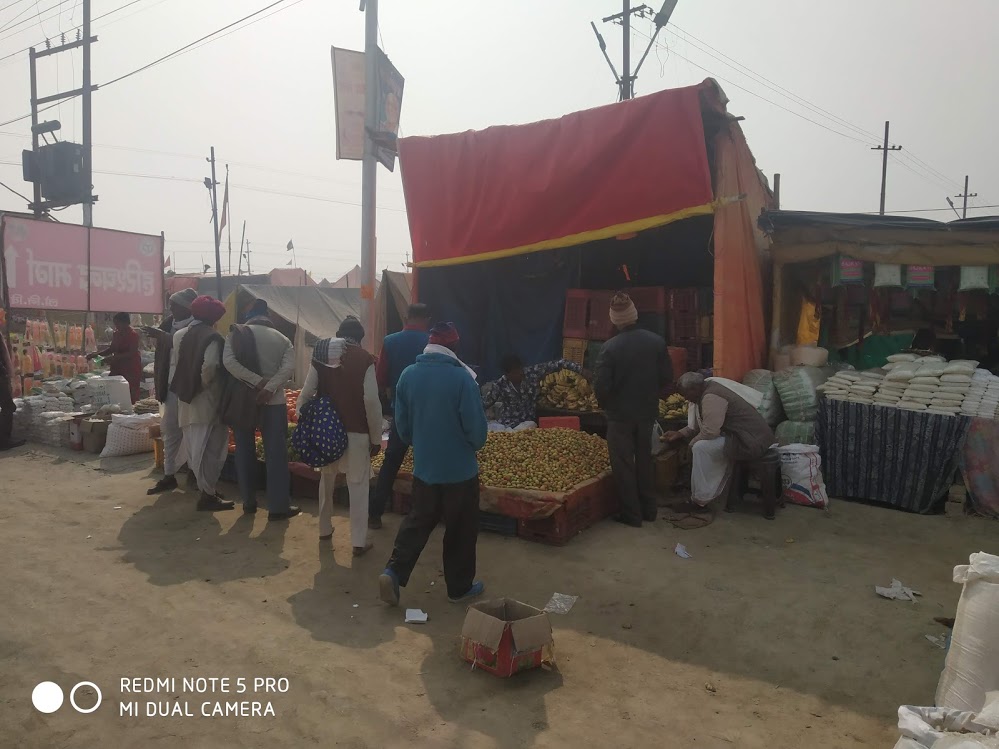
Walking around the Mela, I was mesmerized by the diverse assembly of sadhus, sannyasis, monks, and devotees. For the first time, the Kinnar Akhada’s participation, with over 2,500 transgender monastics and seers, added a unique dimension to the festival. Their presence and cultural programs highlighted the evolving inclusiveness within Indian society.


The place of hijras in Indian culture dates back to the Ramayana. In the text, the god-king Ram is exiled from the holy city of Ayodhya, with the entire kingdom following him into the forest. He orders them to turn back, but upon returning after 14 years, he finds the hijras waiting for him in the same spot. Impressed by their devotion, he grants them the power to invoke blessings and curses on people. However, a law passed by the British in 1871 classified hijras as “criminals.” It was only in 2014 that the Supreme Court officially recognized transgender people as a third gender. The Kinnar Akhada marks a step forward toward the inclusiveness of transgenders in Indian society.

The Sacred Dip on Mauni Amavasya
The Kumbh Mela, stretching across a 32,000-hectare township along the riverbanks, had been meticulously planned. The anticipation for Mauni Amavasya was palpable, with millions arriving for the holy dip. Observing the vow of silence, we silently prepared ourselves for the sacred bath, drawing inspiration from the legend of sage Rishabh Dev, who broke his silence with a bath in the holy waters on this day.


In the chilly dawn of February 4, we took our holy dip amidst an ocean of fellow devotees, feeling a profound sense of unity and spiritual cleansing. The invigorating experience was followed by a treat of hot jalebis, warming us in the cold morning air. The sense of camaraderie and shared spirituality among millions of pilgrims was overwhelming and humbling.
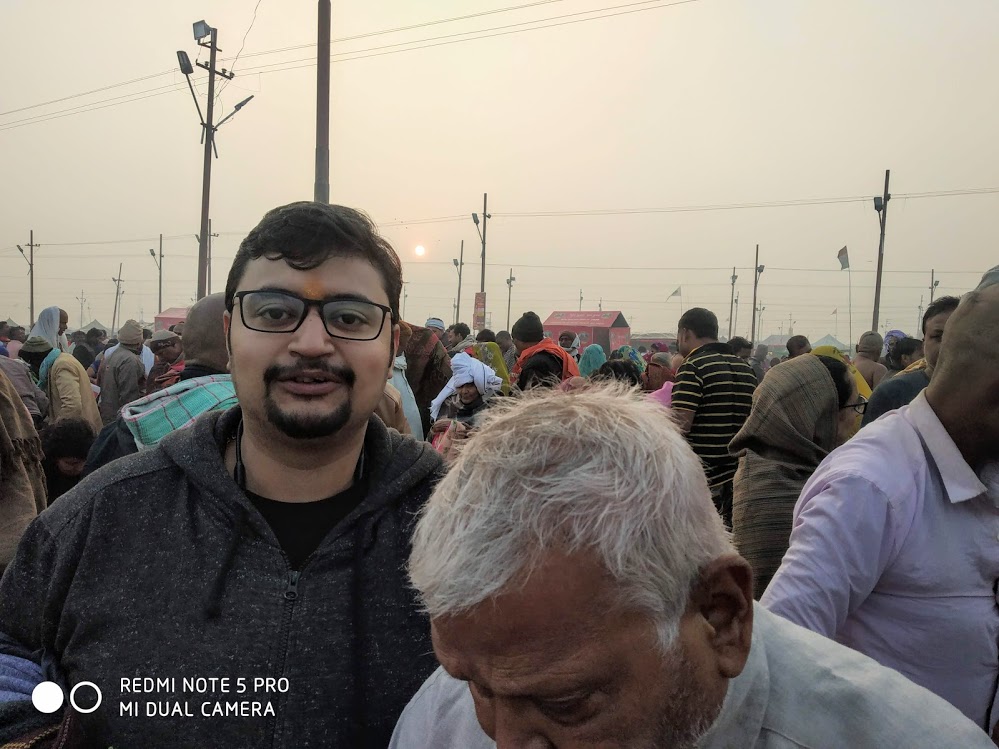


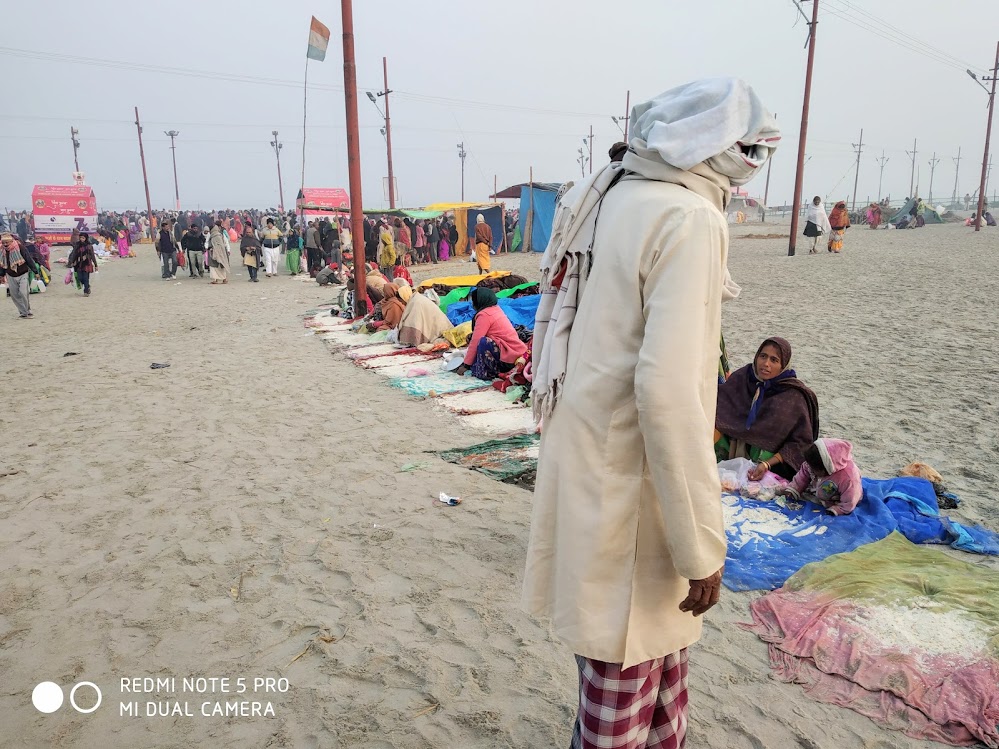
After our dip, we participated in a havan, offering prayers and sacrifices into the consecrated fire, marking the culmination of our pilgrimage. The day was spent attending religious discourses and prayers, enriching our spiritual journey. We concluded the day with a deep sense of fulfilment, returning home with hearts full of divine experiences.


The Impeccable Organization of Kumbh Mela
Reflecting on the Kumbh Mela, I was struck by its grandeur and the seamless arrangements made by the Uttar Pradesh government. The use of technology, from Artificial Intelligence (AI)-driven crowd management to live streaming by All India Radio, ensured the event was orderly and safe. The overall organization, disaster management, and security measures were commendable, making the entire experience a memorable one.


For the first time, an Integrated Control Command and Centre was established in Kumbh Nagri to facilitate traffic control and crowd management. Artificial Intelligence (AI) played a significant role in monitoring visuals of crowd movement and assessing crowd size, ensuring a smooth and secure experience for all pilgrims.

Spiritual Reflections and Eternal Memories
As we journeyed back, I felt a deep sense of connection to the spiritual heritage of our country. The Kumbh Mela, with its blend of devotion, tradition, and modernity, left an indelible mark on my soul. Though my father was not with us this time, his memory accompanied me throughout, making this pilgrimage a heartfelt homage to the shared spiritual journeys of our family.
The Kumbh Mela of 2019 was not just a gathering of millions but a confluence of faith, tradition, and the timeless quest for spiritual enlightenment. It was a reminder of the enduring legacy of our cultural heritage and the deep spiritual connections that bind us. This journey, rich with divine experiences and familial bonds, will remain etched in our hearts, guiding us on our path of spiritual growth and understanding.
Har Har Gangay! Har Har Mahadev!

Beautiful post !
LikeLiked by 2 people
Thank you. Should visit this kind of events.
LikeLiked by 1 person
I have to make time to visit or may be after my retirement
LikeLiked by 2 people
Well, don’t worry Madam. It’s repeated every 12 years or 6 years, if you include Ardha Kumbhs. Hope you’ll make time for one.
LikeLike
Interesting read; yet to visit Kumbh
LikeLiked by 2 people
Thanks, Arvind. It’s a wonderful experience. You must be there once to feel it.
LikeLiked by 2 people
I hope someday I do. Life is short and the list of places is pretty long. 🙂
LikeLiked by 1 person
Yes, very true. 😃
LikeLiked by 1 person
Beautiful post. It amazes me that since the begining of time this festival is going on. Everytime people come a take a dip. What a wonderful tradition! Blessed are those taking a dip in the river.
LikeLike
It is an awesome feeling to bathe with so many people at one point of time. Feels like the great baths of Harappa civilisations.
LikeLike
True. It is the continuity that is so thrilling.
LikeLiked by 2 people
Absolutely.
LikeLike
Lovely write-up with colourful pictures. It seems that now kumbh is organised with lots of planning. I will visit it next time if possible.
LikeLiked by 2 people
Sure, you must visit it at least once. It’s an amazing experience.
LikeLiked by 1 person
It is actually. Last time I went to Maha Kumbh 6 years ago and it was too crowded. But this time it was so well-managed that I didn’t feel it a bit crowded. Even vehicles were allowed to reach the ghat for old and physically challenged pilgrims, even though around 5 crore of pilgrims took holy dip this year.
LikeLiked by 1 person
Enjoyed the post as well as the photos 🙂 Kumbh mela is definitely on my bucket list!
LikeLiked by 1 person
Thank you. It’s definitely a lifetime experience.
LikeLiked by 2 people
It is really nice to feek the amazement in your words. As I had a complete different experience, I am happy to hear the opposite.
LikeLike
Hmm.. was the different good one or bad one?? I am curious.
LikeLike
I’ve always heard about the kumbh and the simplicity with which people attend it. You’ve written a great post covering and showing how significant the event is. Great job!
LikeLiked by 1 person
Thank you!
LikeLiked by 1 person
You’re welcome!
LikeLiked by 2 people
Nice darshan sir, very well narrated..
Thanks for sharing..
LikeLiked by 1 person