

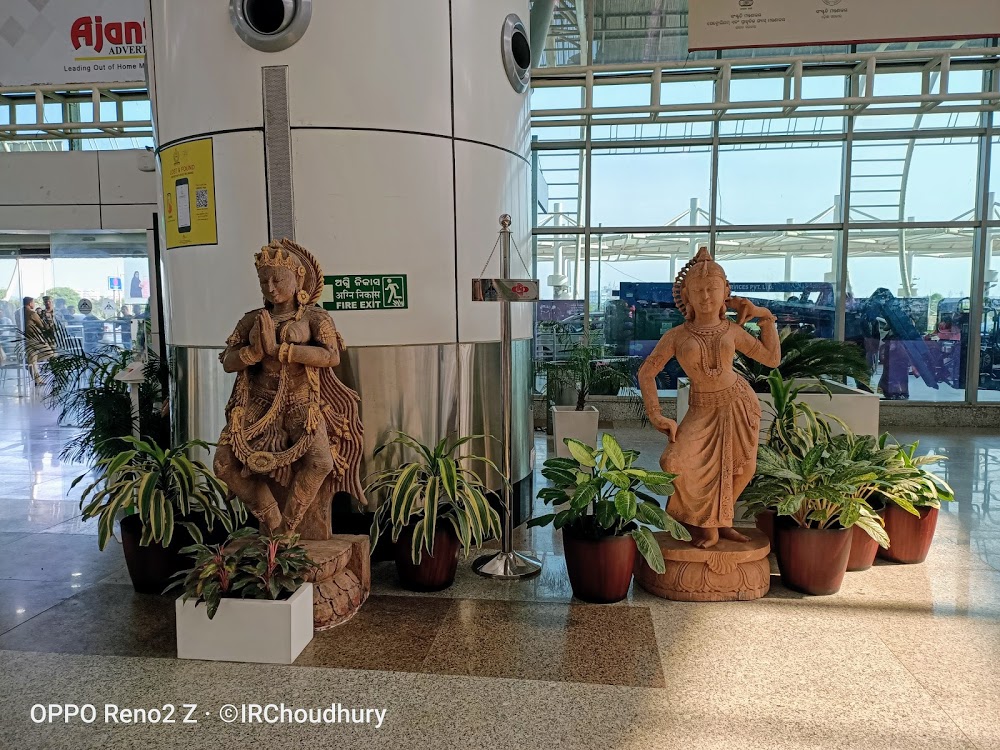
Our long-cherished plan to visit the sacred Jagannath Temple in Puri, Odisha, finally began to materialize. With a short trip on the cards due to time constraints, we decided to fly into Bhubaneswar, the state capital, and dedicate a morning to exploring its historical treasures before heading towards the coast. Arrangements were made, anticipation was high, and as our flight touched down at the beautifully designed Biju Patnaik International Airport, the adventure truly began.
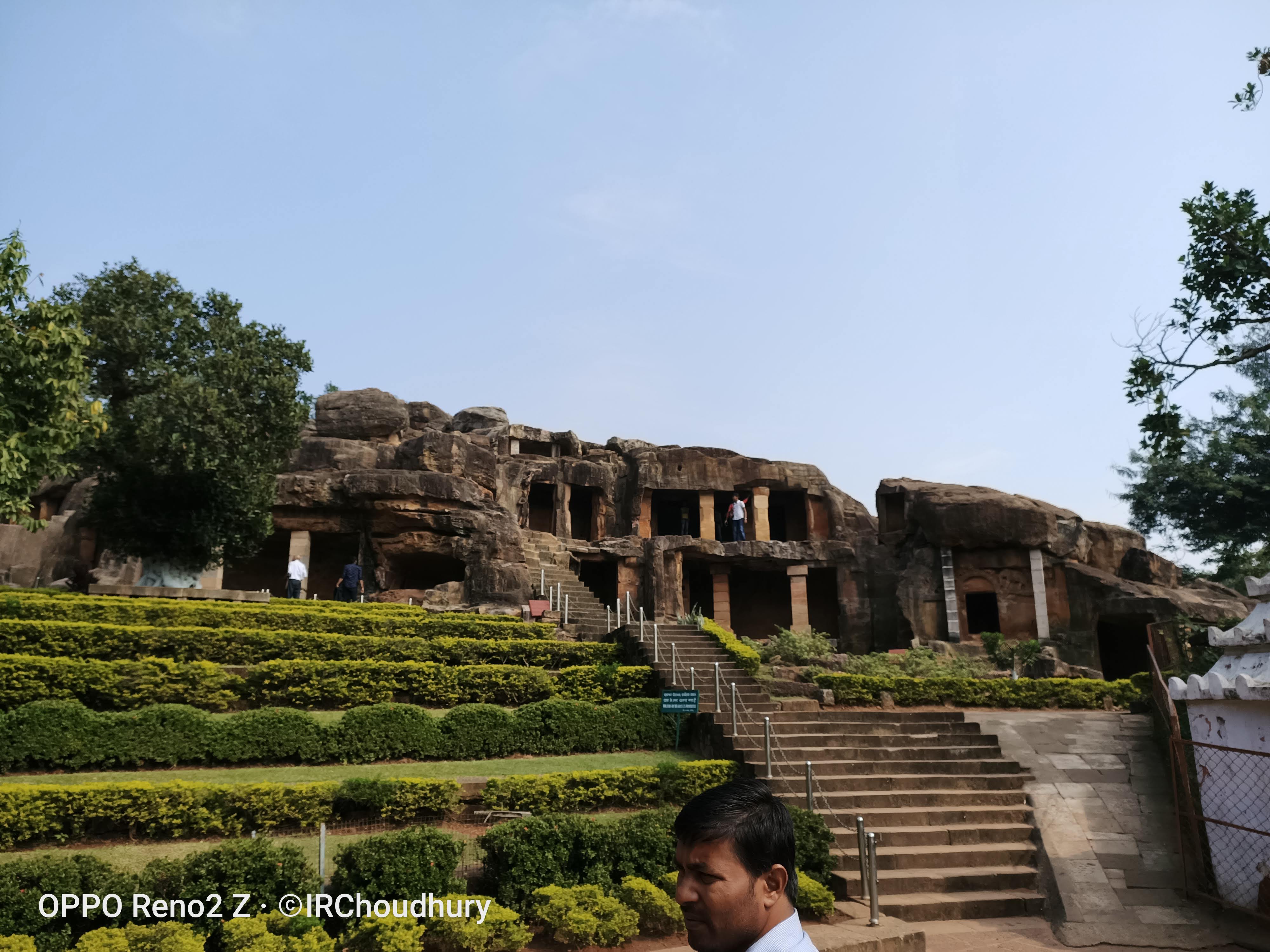
Our first destination was a site that immediately transported us centuries back in time: the Udayagiri and Khandagiri Caves. Located just a short drive from the heart of Bhubaneswar, nestled on the city’s outskirts, this sprawling complex of 33 rock-cut caves dates back to the 2nd century BCE. Carved out of imposing sandstone hills by Jain monks, these caves served as their dwellings, serene meditation chambers, and significant religious centers during the reign of the powerful King Kharavela of the Mahameghavahana dynasty. More than just architectural marvels, these caves resonated with a palpable sense of history, whispering tales of love, compassion, and a remarkable spirit of religious tolerance.
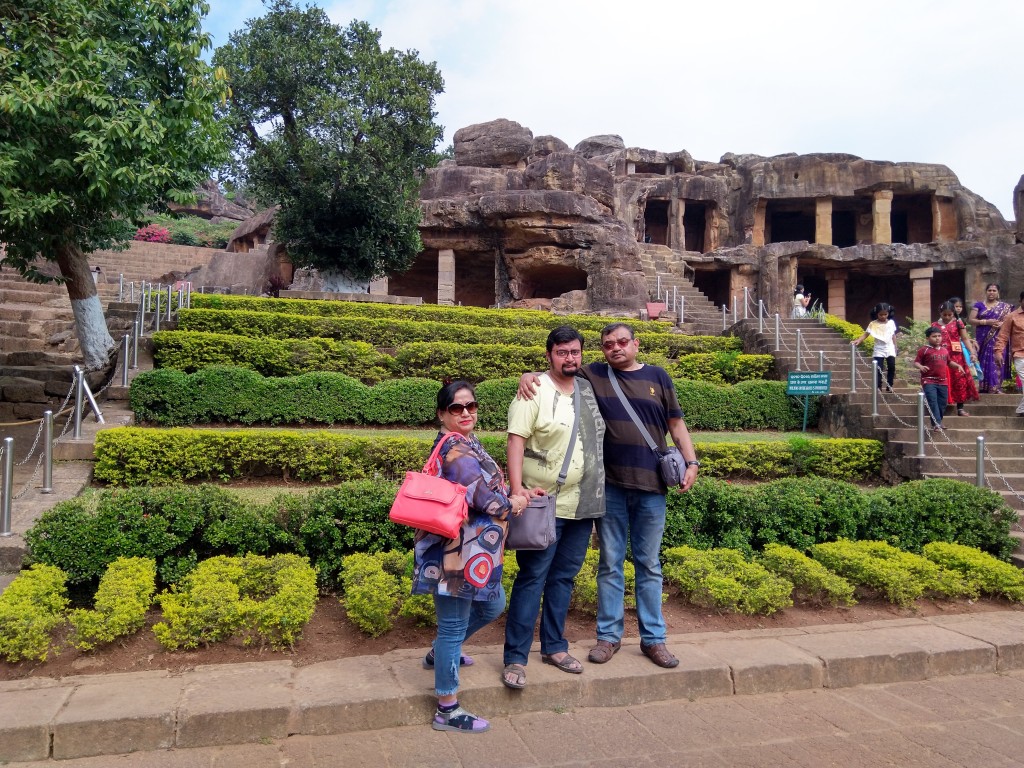
Standing at the foot of the hills, I couldn’t help but feel a sense of awe. These weren’t mere natural formations; they were meticulously crafted spaces, a testament to human dedication and artistic skill. Udayagiri, meaning “Sunrise Hill,” houses 18 caves, while its counterpart, Khandagiri, the “Broken Hill,” shelters 15. Originally known by evocative names like “Ranigumpha” (Queen’s Cave) and “Hati Gumpha” (Elephant Cave), these sites are undeniably among India’s ancient wonders, their origins stretching back to the 1st and 2nd centuries BCE.

The Khandagiri Caves, on the other hand, are located on a separate hill and are known for their natural beauty. The caves are named after the sword-shaped hill on which they are located. The Khandagiri Caves have 15 caves that were used by Jain monks as dwelling places. The caves have several interesting features, including inscriptions, carvings of animals, and a rock-cut cistern.
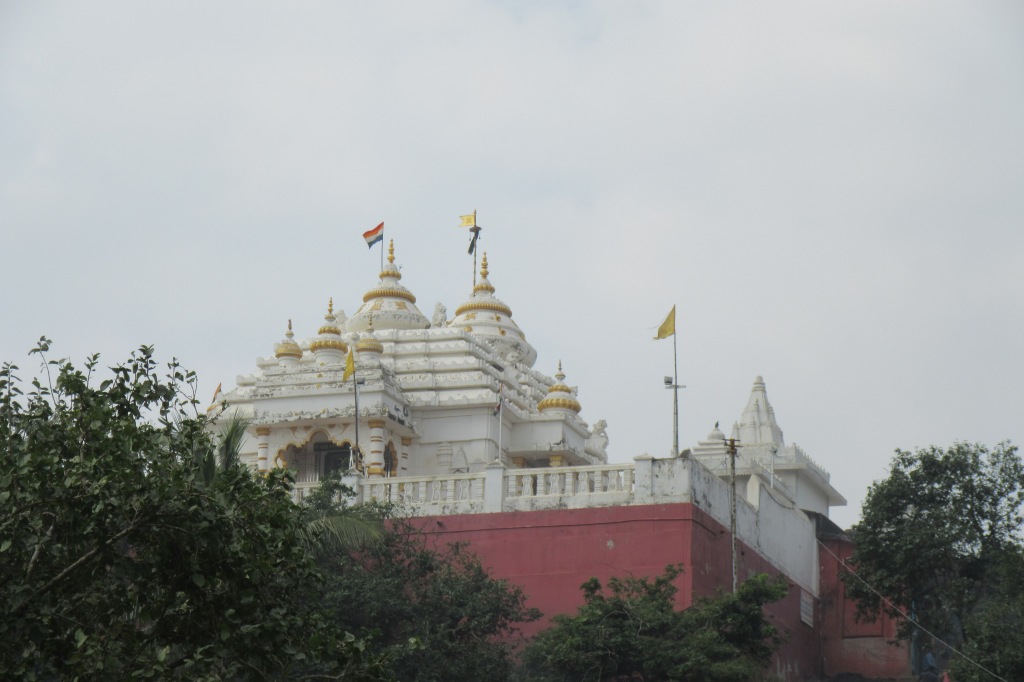
We started our exploration at Udayagiri. There’s a ticket of ₹25 ($0.35) per person for entering the Udaygiri caves, while there isn’t any ticket for Khandagiri. The rates are different for citizens of SAARC countries and citizens of other countries. As we ascended the gentle ramp, the intricate carvings began to reveal themselves. The hill, named after the sun god Udaya, clearly held deep religious significance for the Jain monks who once resided here.
We passed Swargapuri (Cave 9) on our right, its devotional figures still retaining a sense of piety. Our climb culminated at the famed Hathi Gumpha (Elephant Cave; Cave 14) at the summit. This cave is particularly significant as it houses a remarkable 117-line inscription, a historical record etched in stone, detailing the heroic exploits and achievements of its builder, King Kharavela of Kalinga, who ruled from 168 to 153 BCE. Imagine a king’s story, carved for eternity!
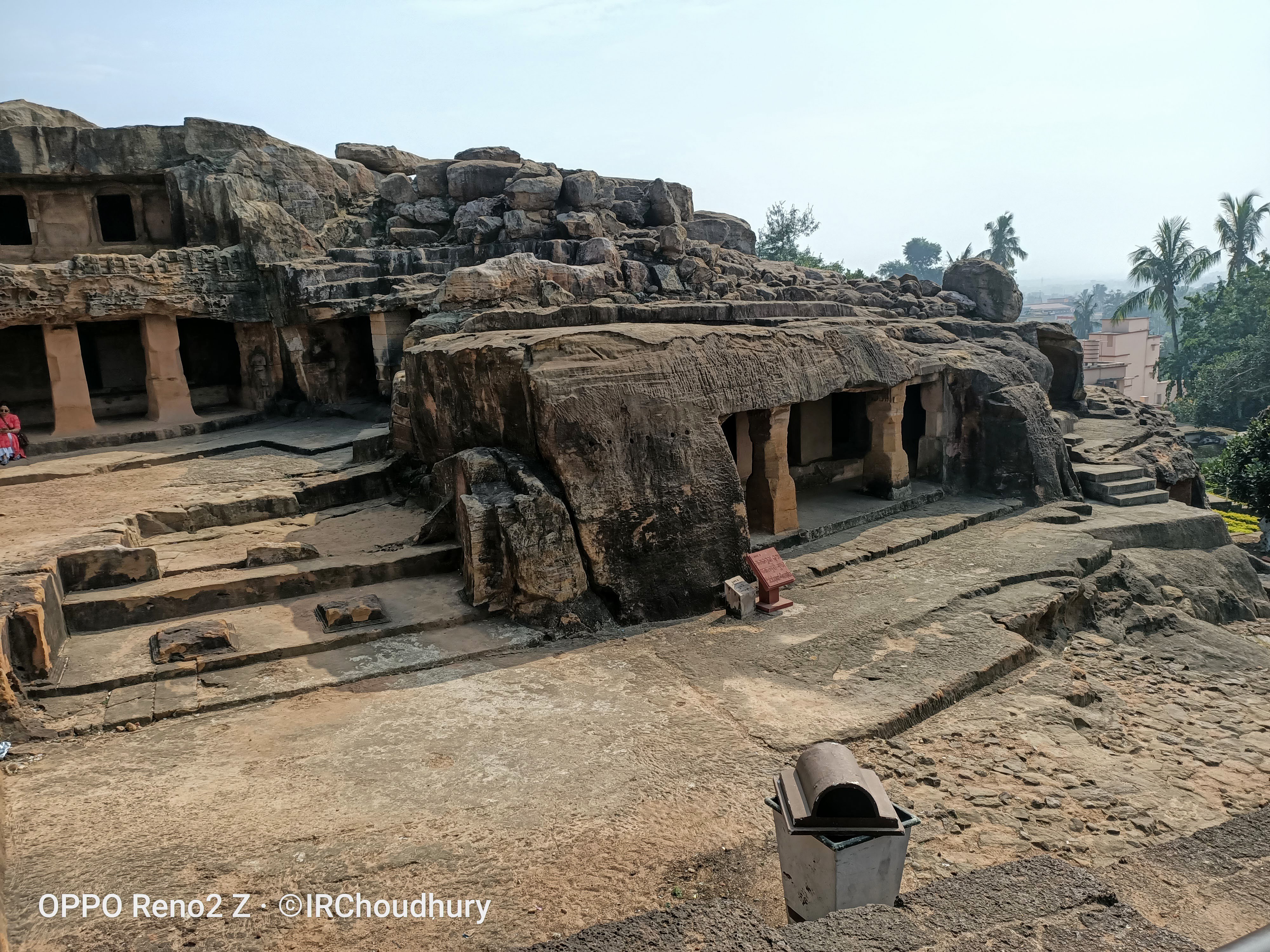
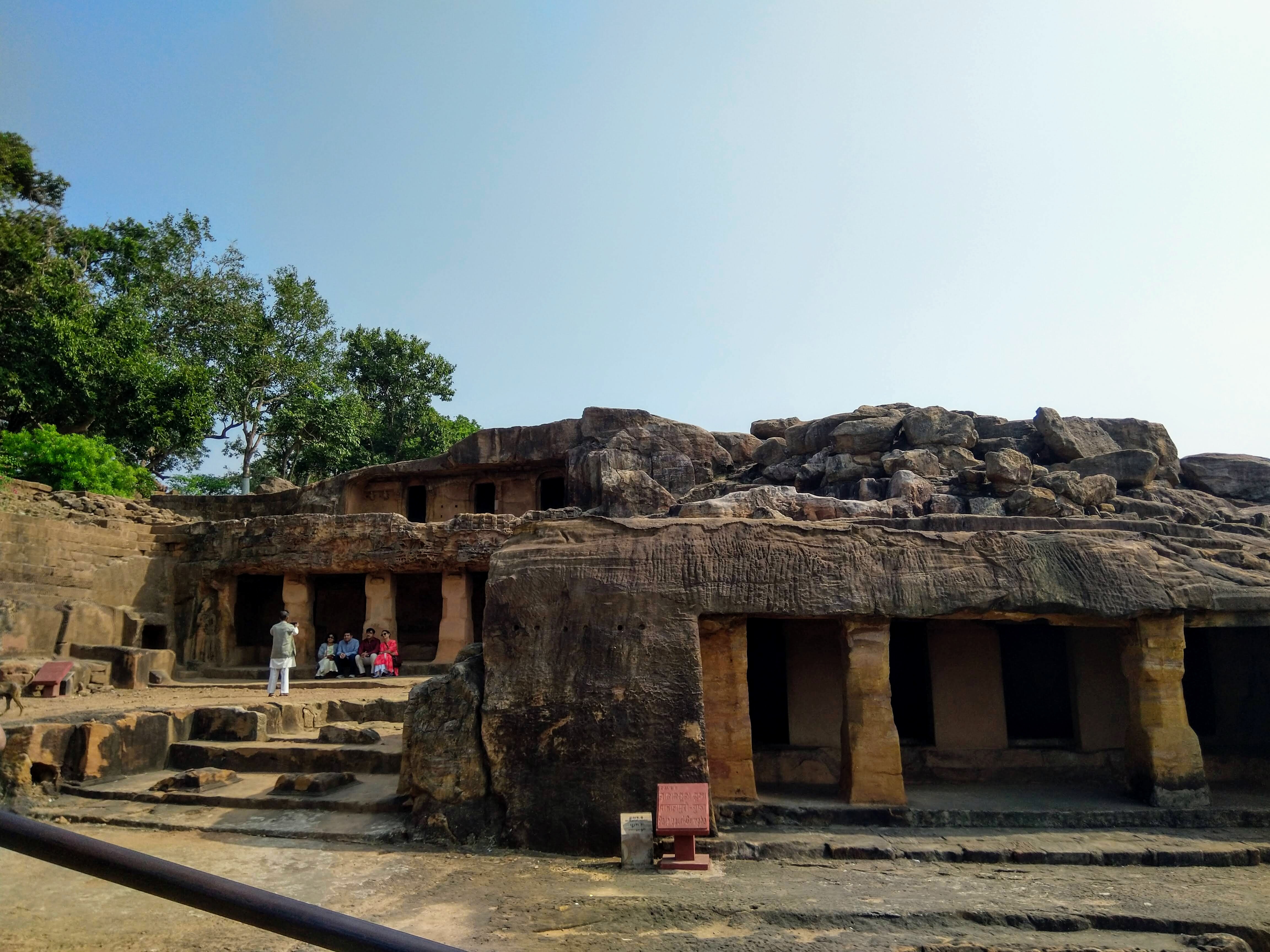


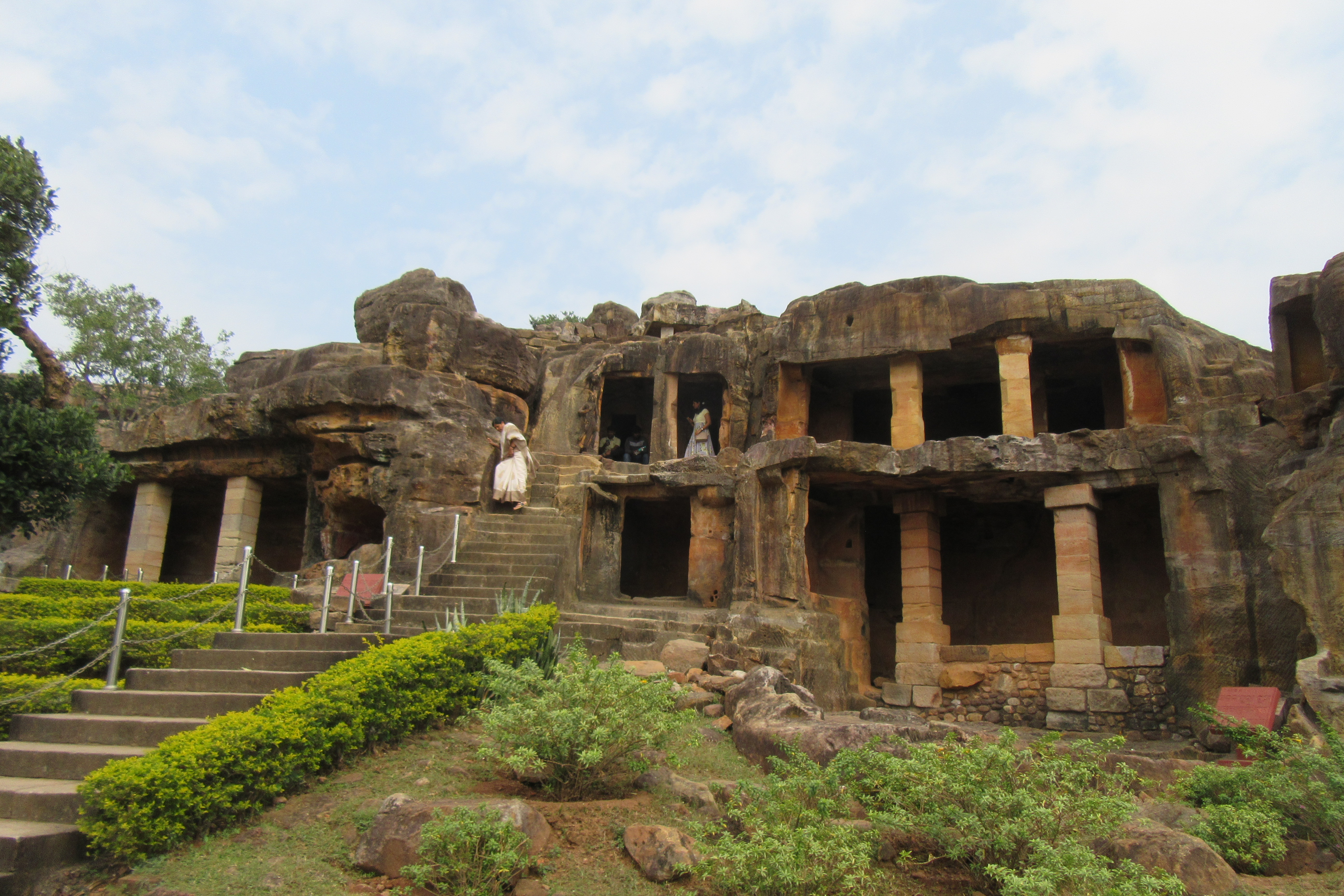
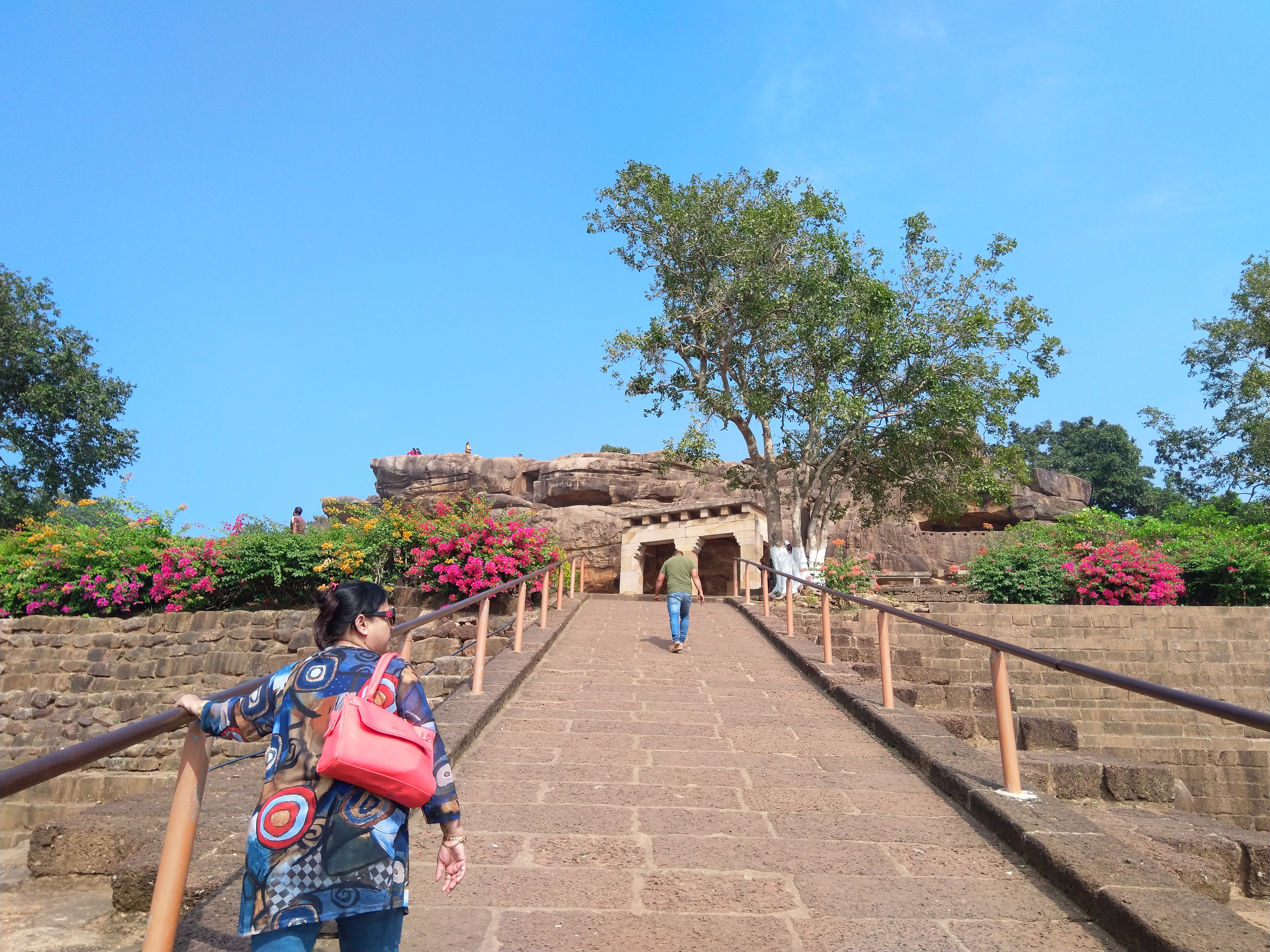
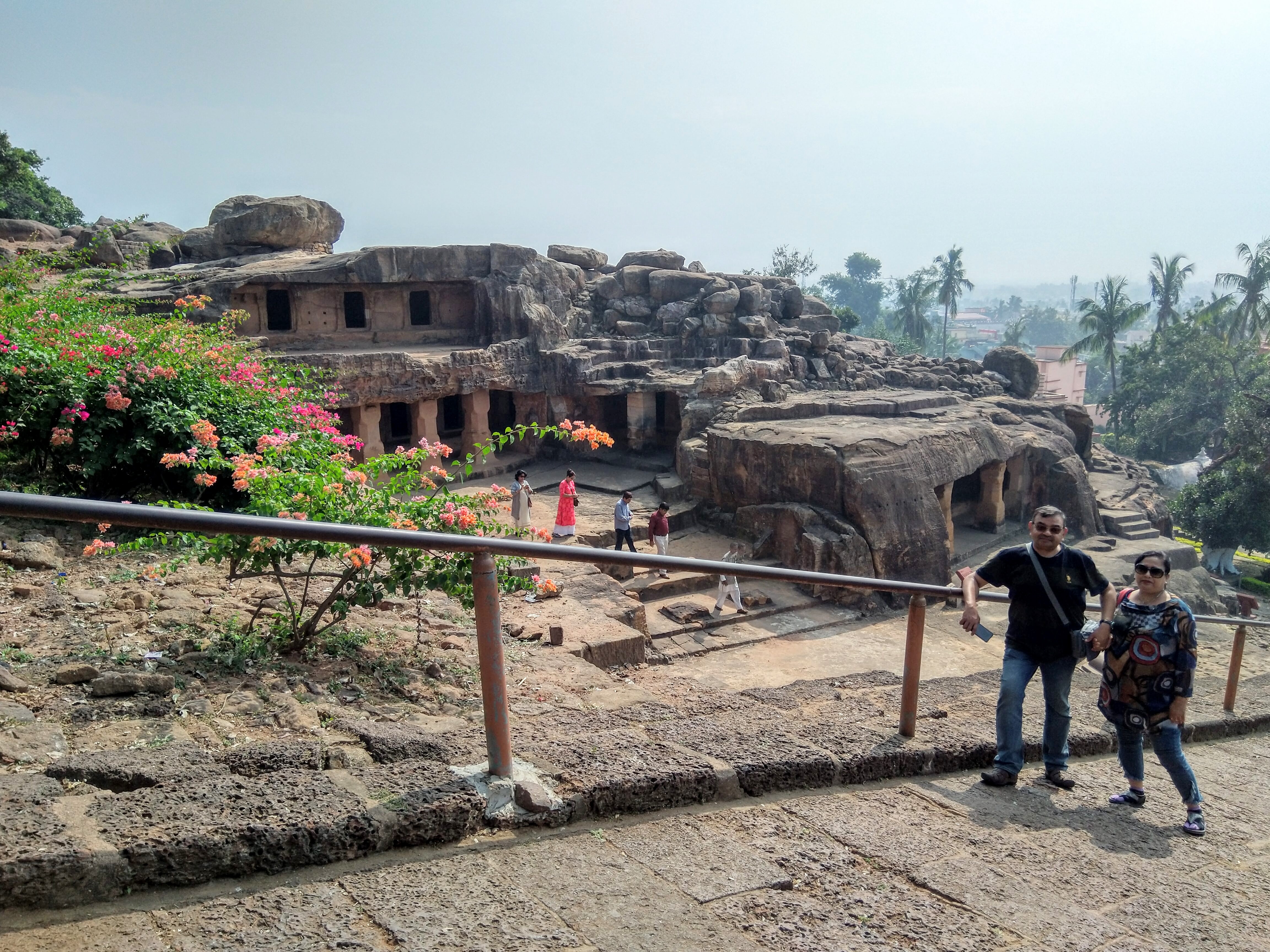
From the commanding vantage point of Hathi Gumpha, we ventured into the other caves, each with its own unique character. These were clearly designed for a life of asceticism, offering minimal comforts to the Jain monks known for their rigorous self-mortification.
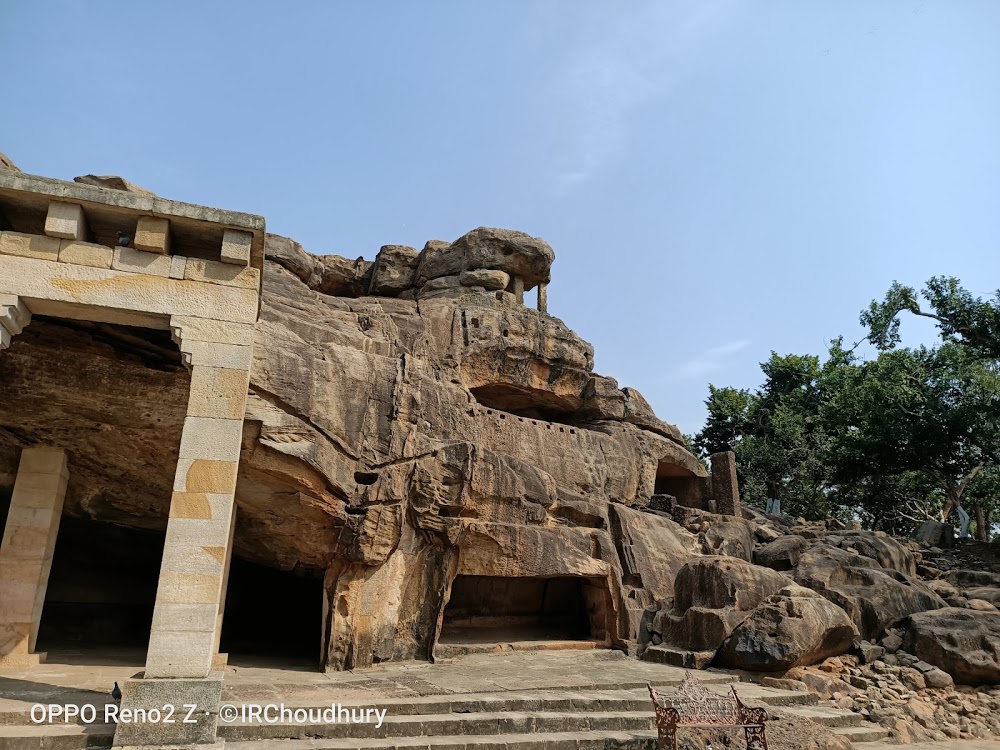
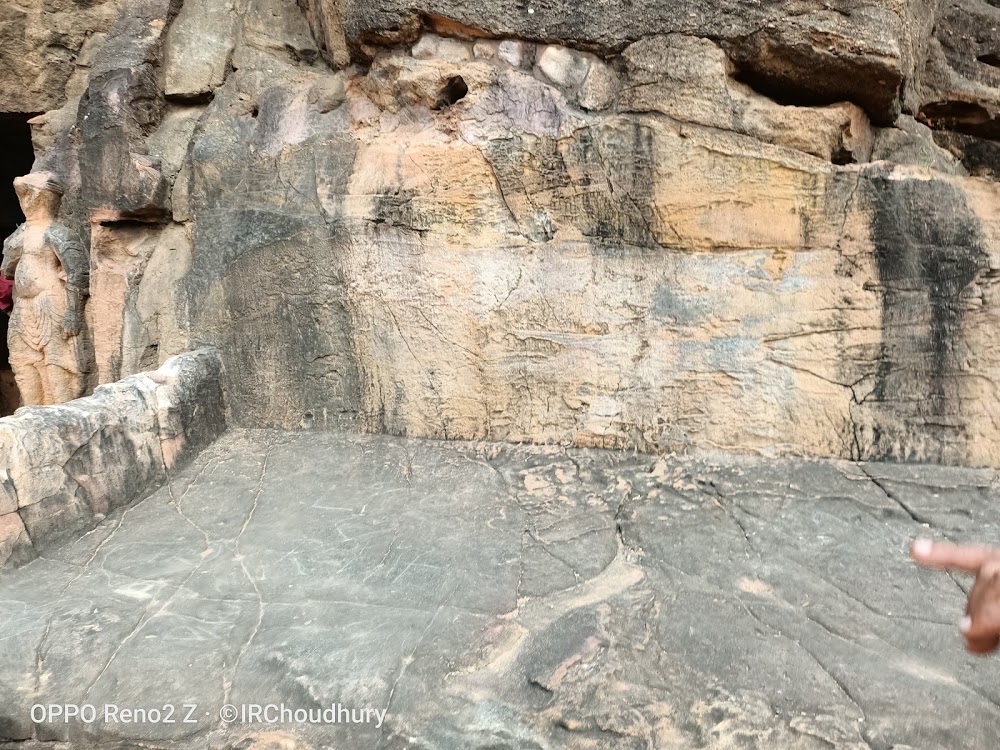
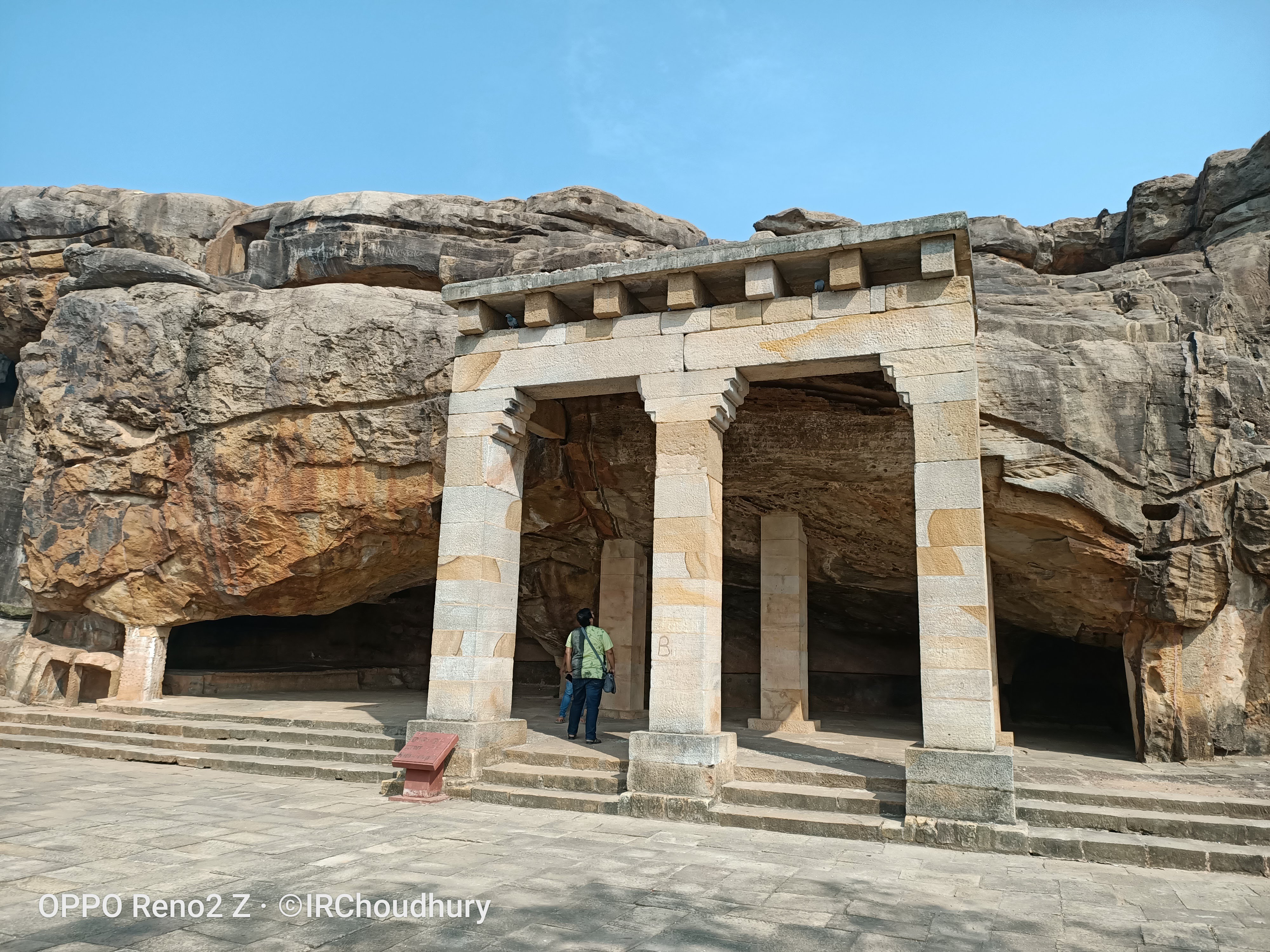
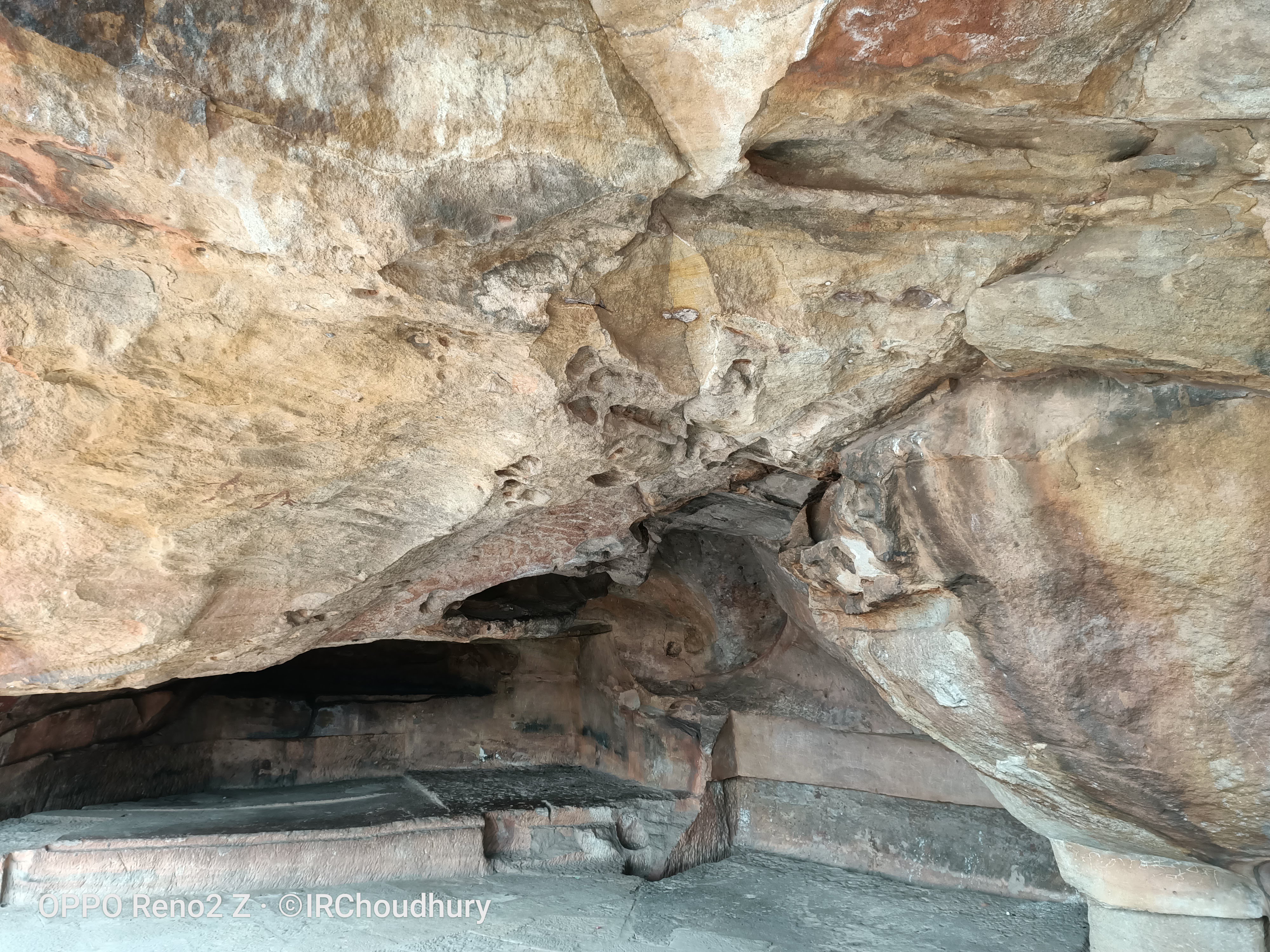
Most consisted of simple rows of cells opening onto a verandah or an open space. Inside, rudimentary shelves, carved directly into the rock, hinted at their purpose – perhaps to hold sacred scriptures, carefully stacked by devoted hands. The sloping rise of the floor in some cells struck me as particularly ingenious, serving as a natural pillow for the weary monks. These were more than just shelters; they were spaces designed for contemplation and spiritual pursuit.
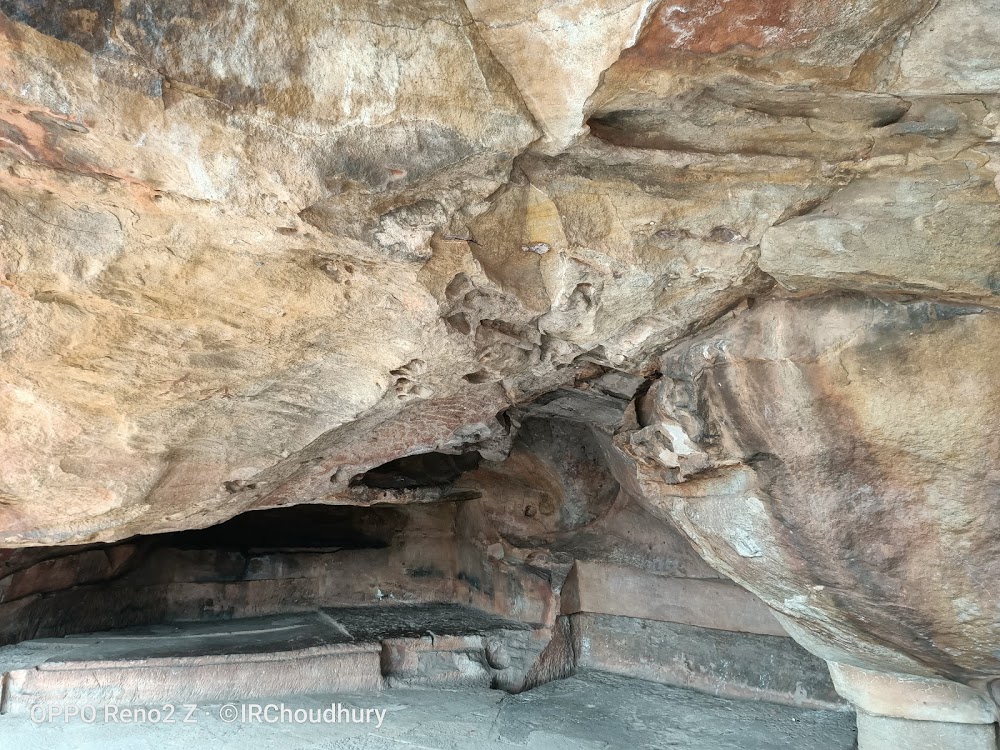
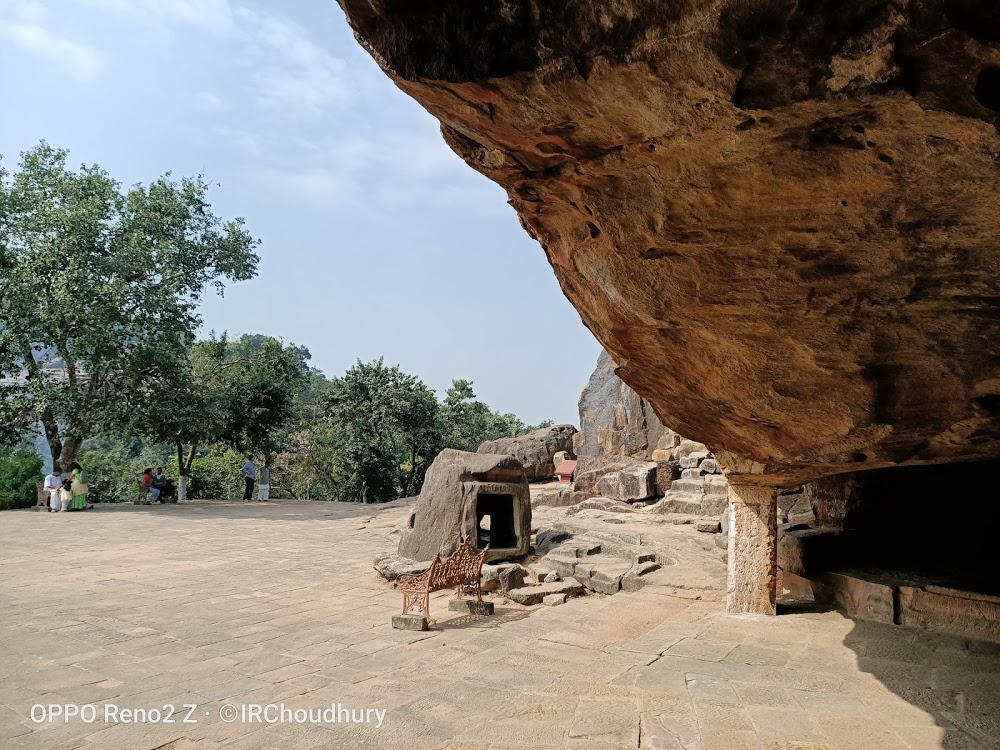
It was fascinating to learn that the existence of these caves was brought to public attention in 1825 by the historian A. Stirling, who also made the first attempts to decipher their ancient inscriptions. While a precise translation remains challenging due to the age of the Brahmi script, the weathering of the stone, and occasional inaccuracies in early interpretations, the overarching message is clear: these rock edicts speak of King Kharavela’s profound respect and dedication towards all religious orders and the deep affection his people held for him.
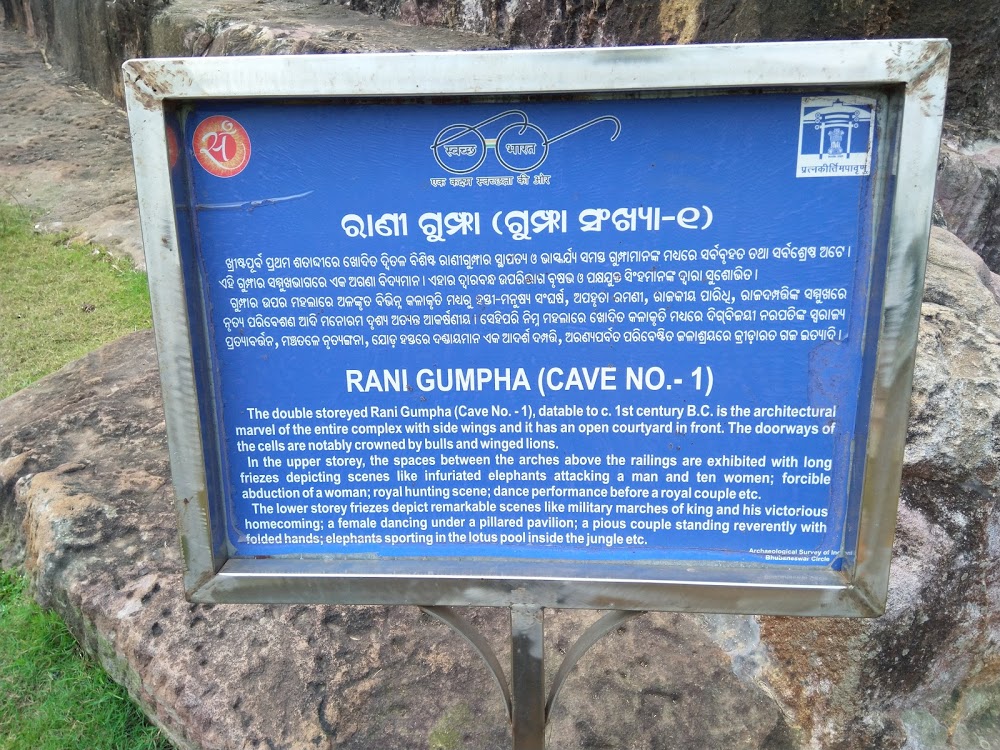
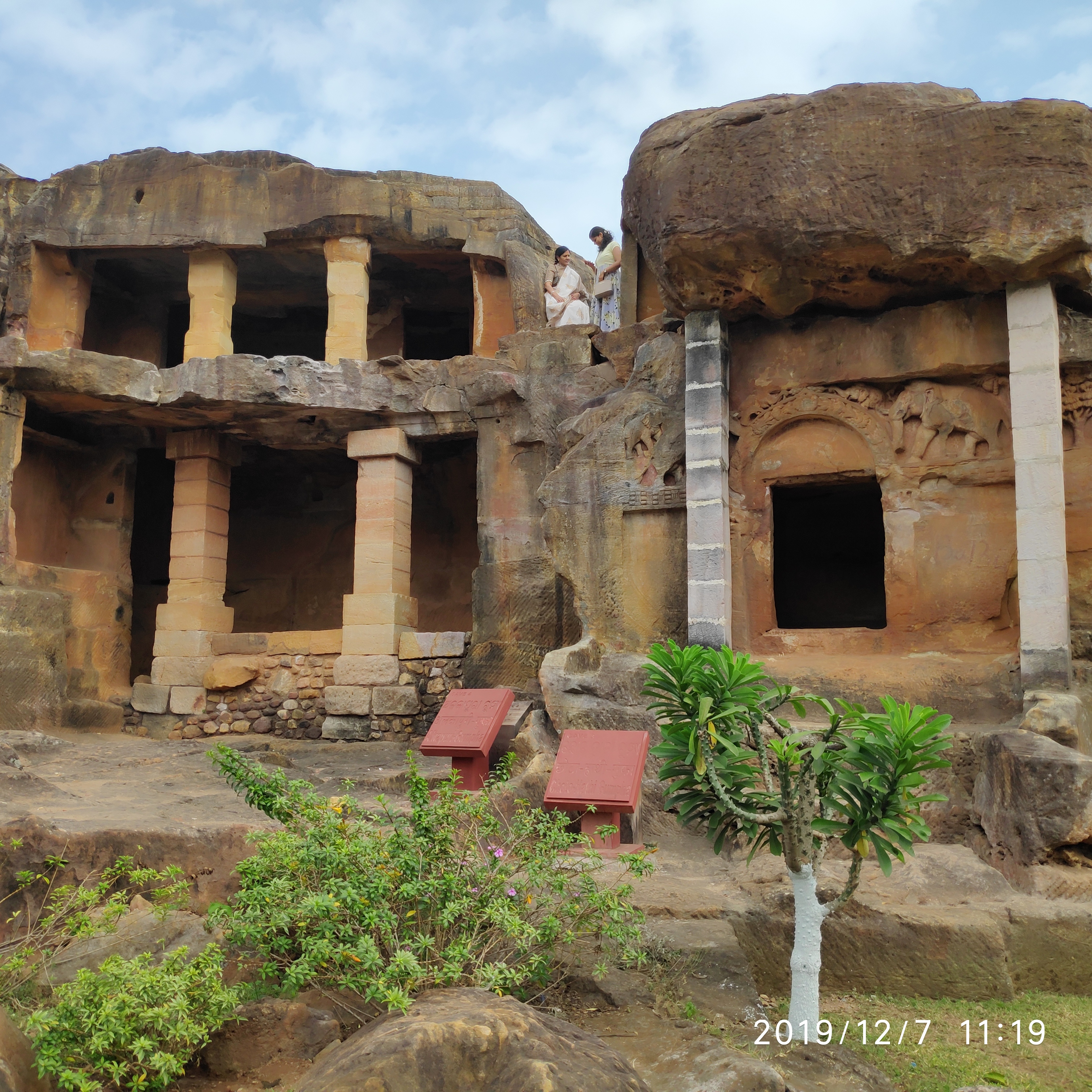
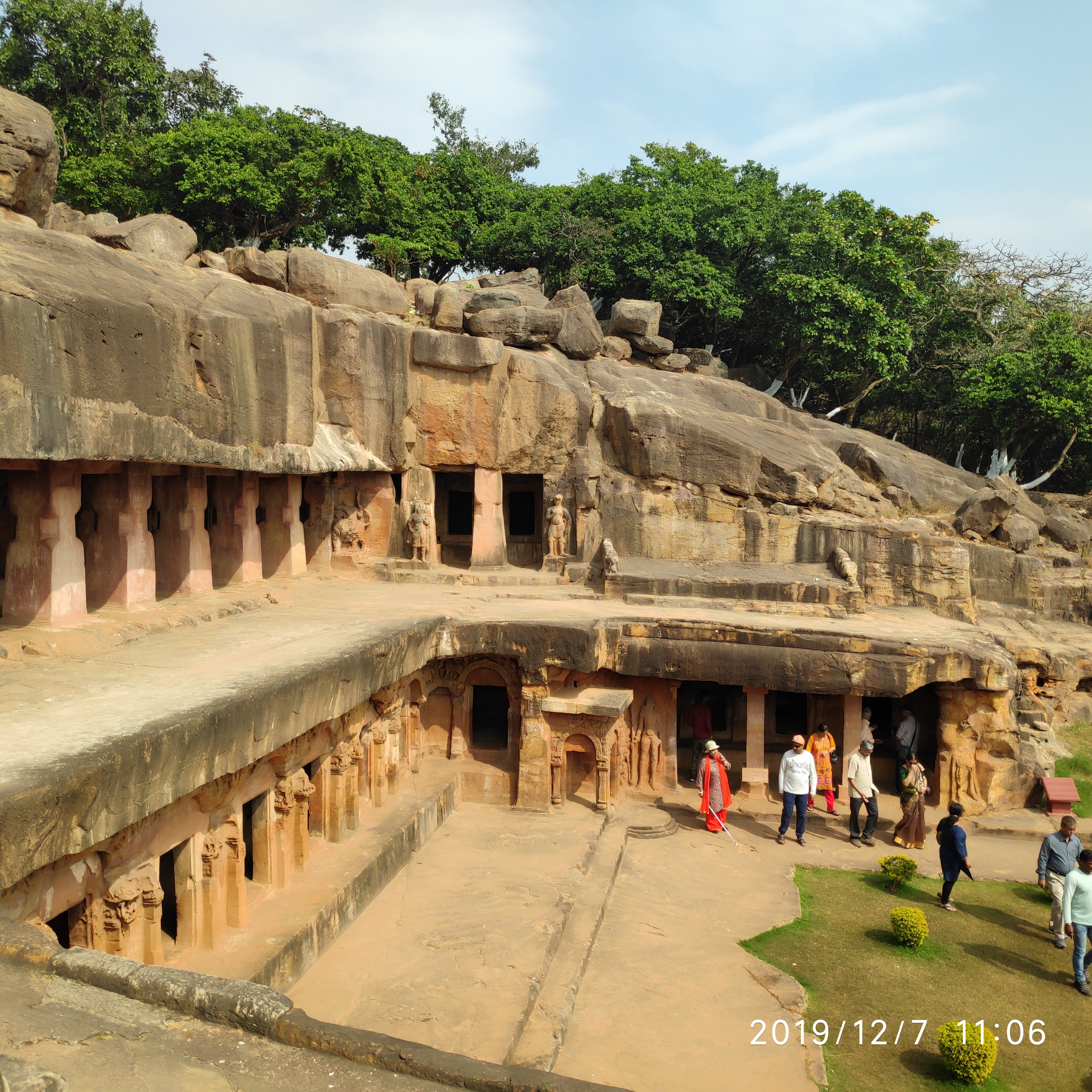
The Rani Gumpha, or the Queen’s Cave (Cave 1), truly stood out. The largest and most majestic of the complex, it’s a two-story monastery supported by an impressive array of columns and terraces. The intricate sculptures within depicted scenes of dancing women, royal processions, and the playing of ancient musical instruments, offering a vibrant glimpse into the social fabric of the time.
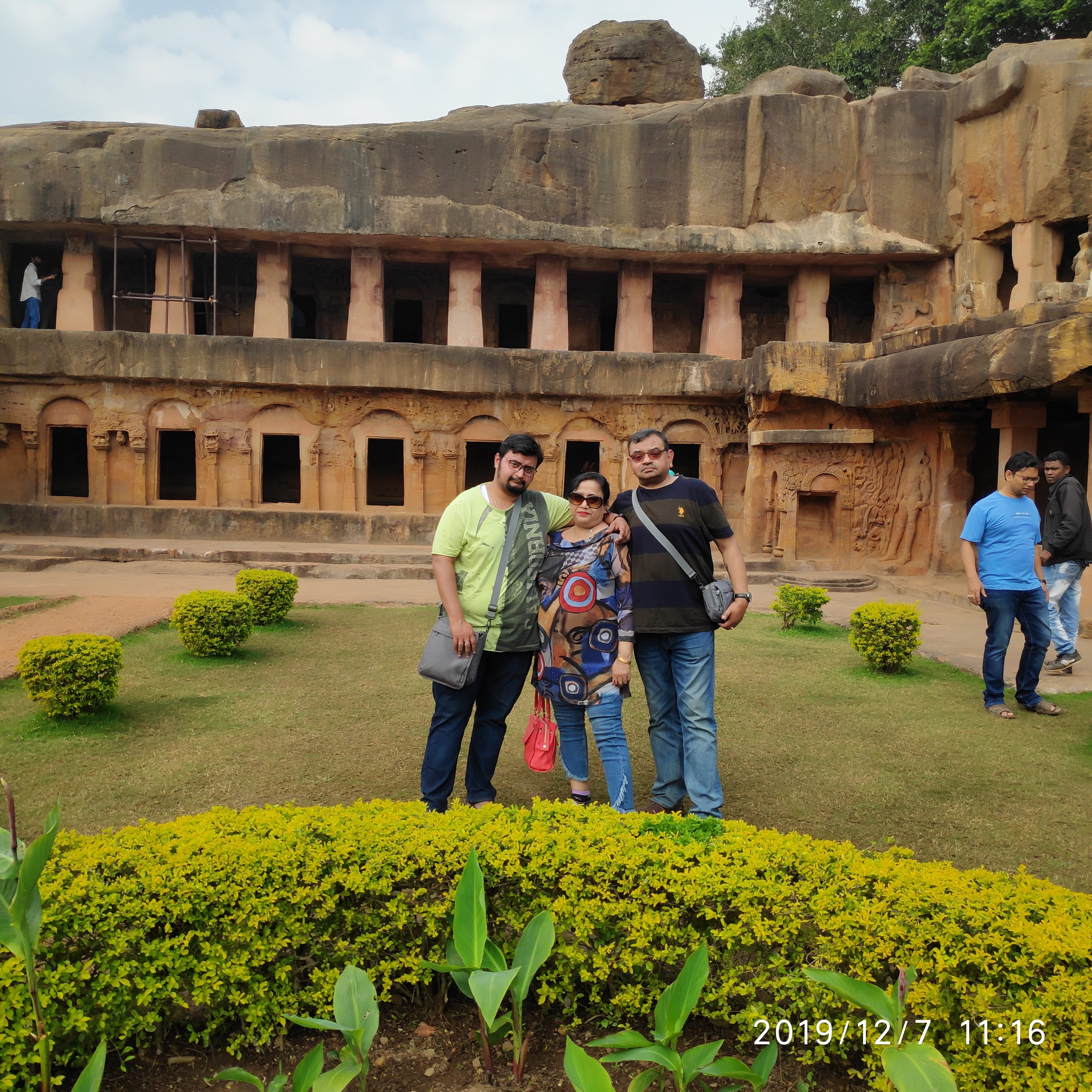
Another highlight was the Ganesha Gumpha, a rare cave with multiple dwellings and terraces. Its most striking feature is the image of Lord Ganesha carved on the rear wall – a fascinating inclusion within a Jain site. The cave also features a depiction of a Jain Tirthankara in worship and sculptures of majestic elephants, further showcasing the artistic diversity of the era. The relief work adorning the Ganesha Gumpha vividly portrays the king’s hunting expeditions and military campaigns, bringing history to life in stone.
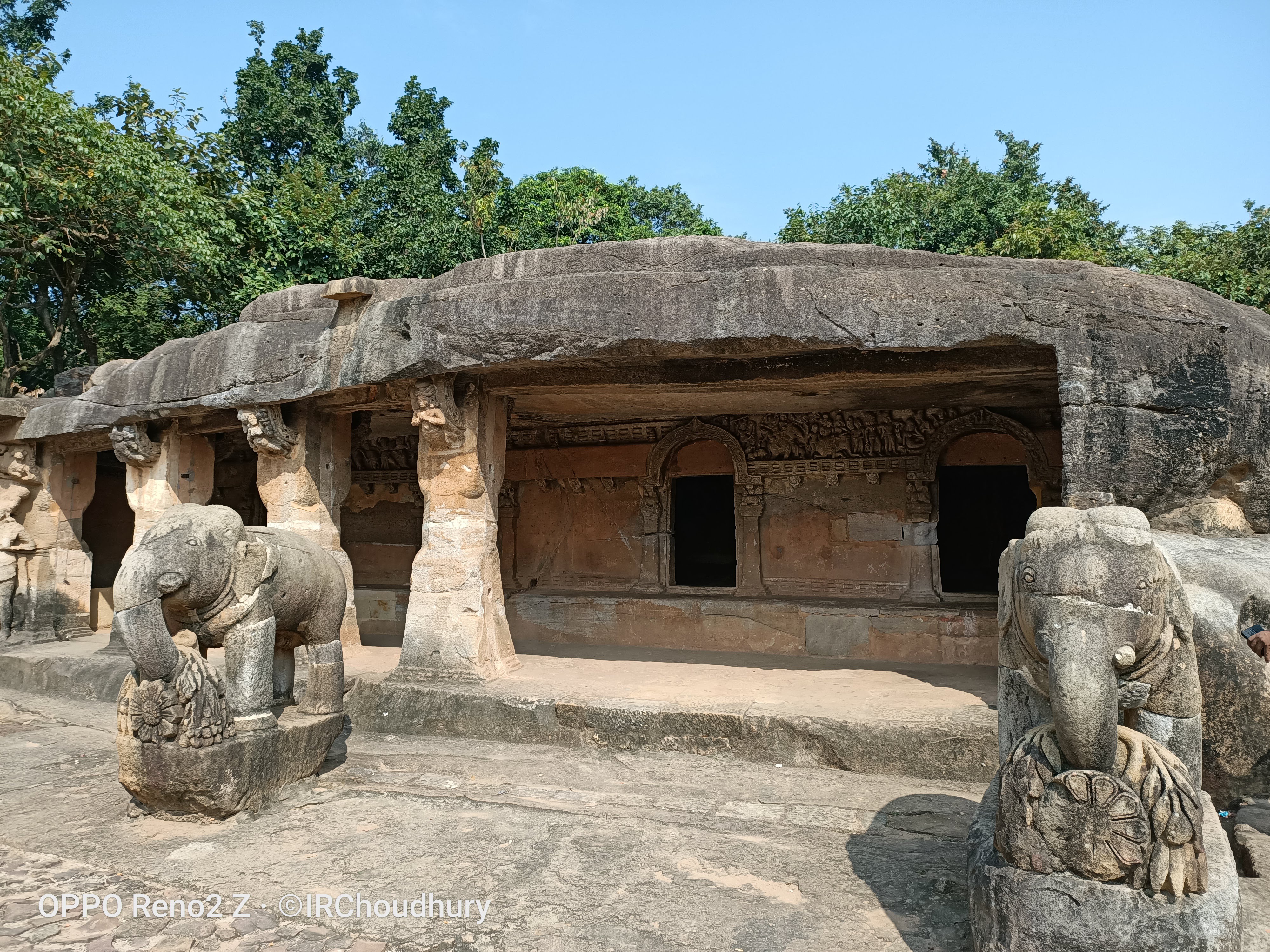
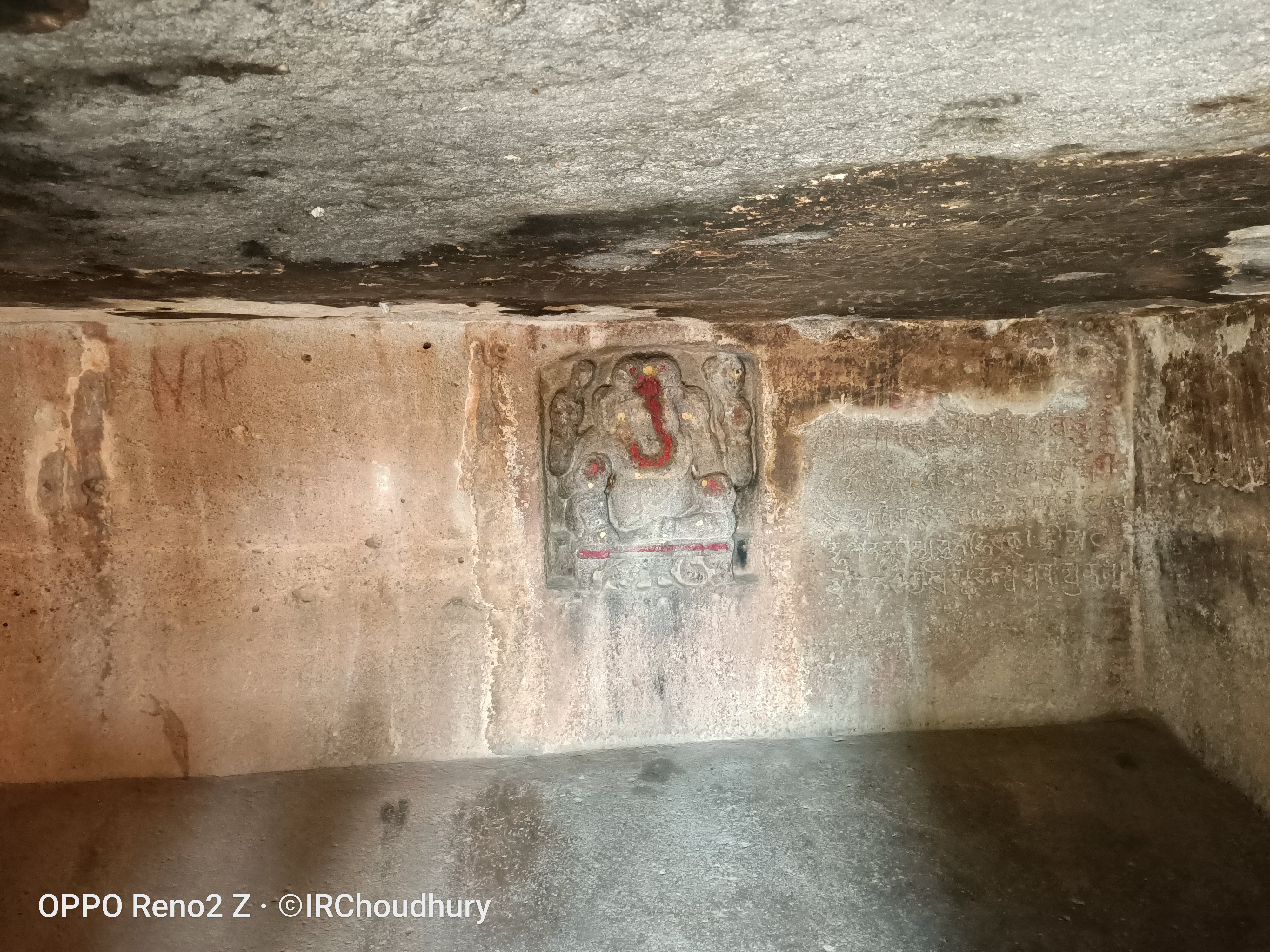

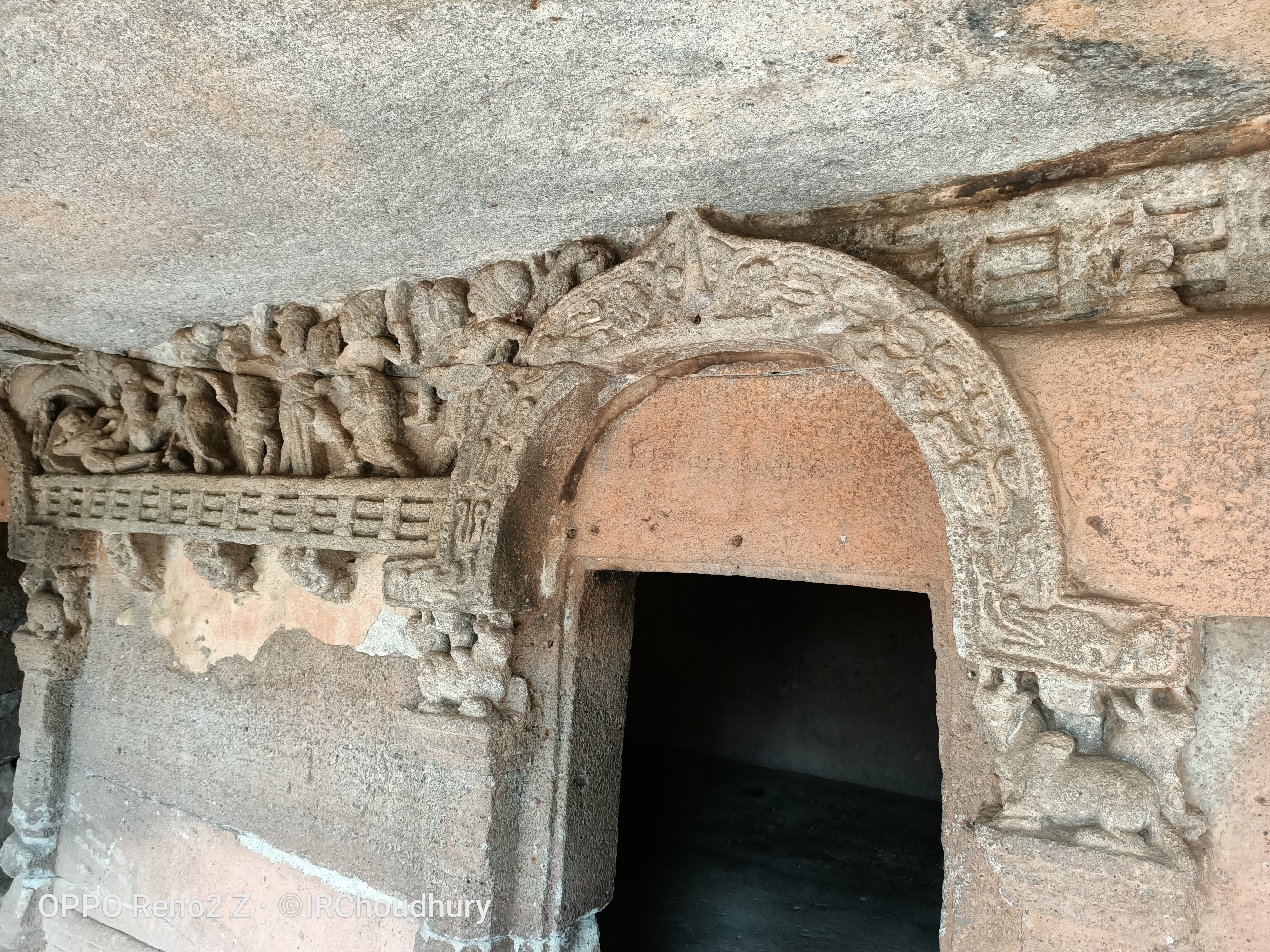
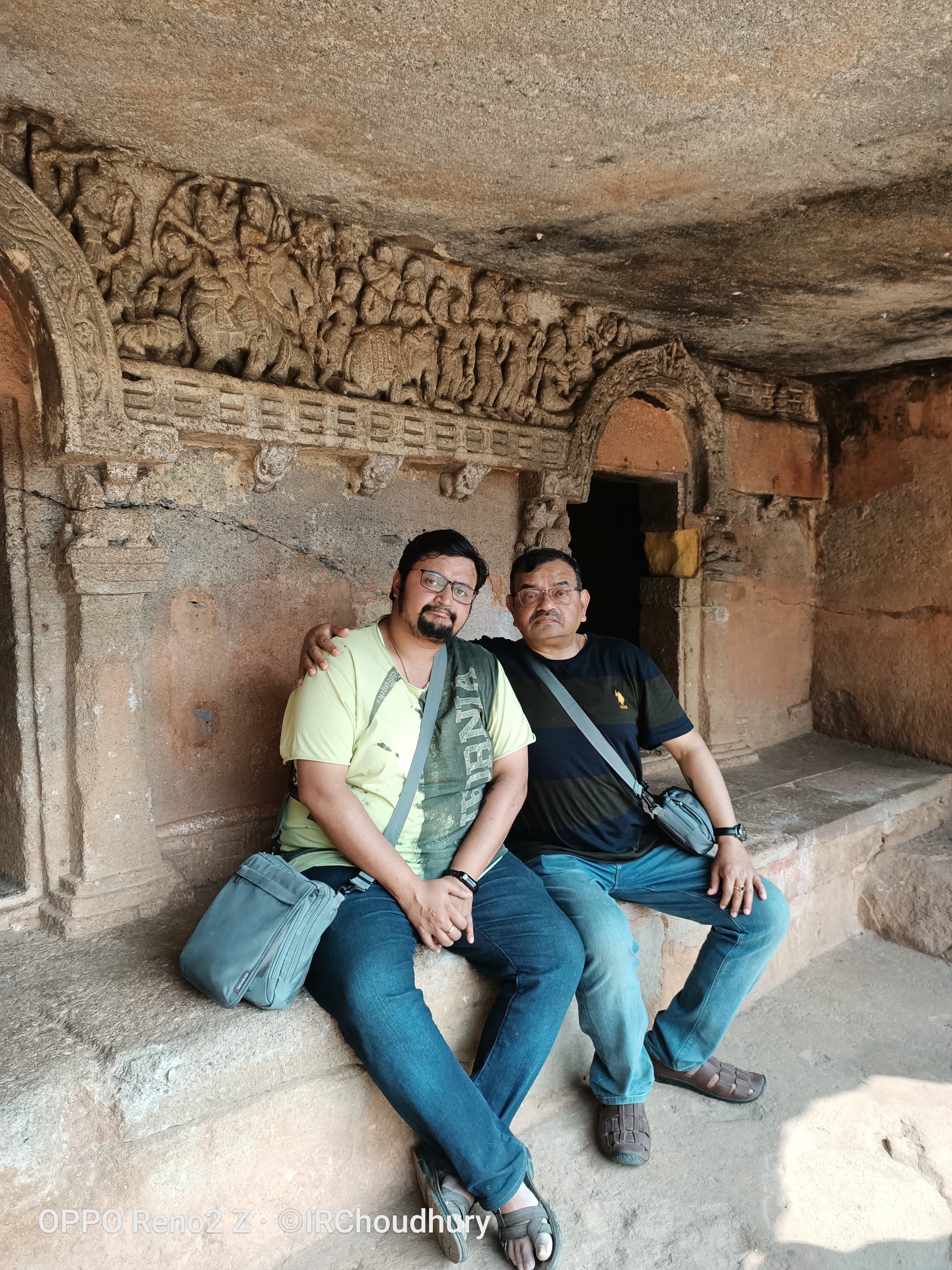
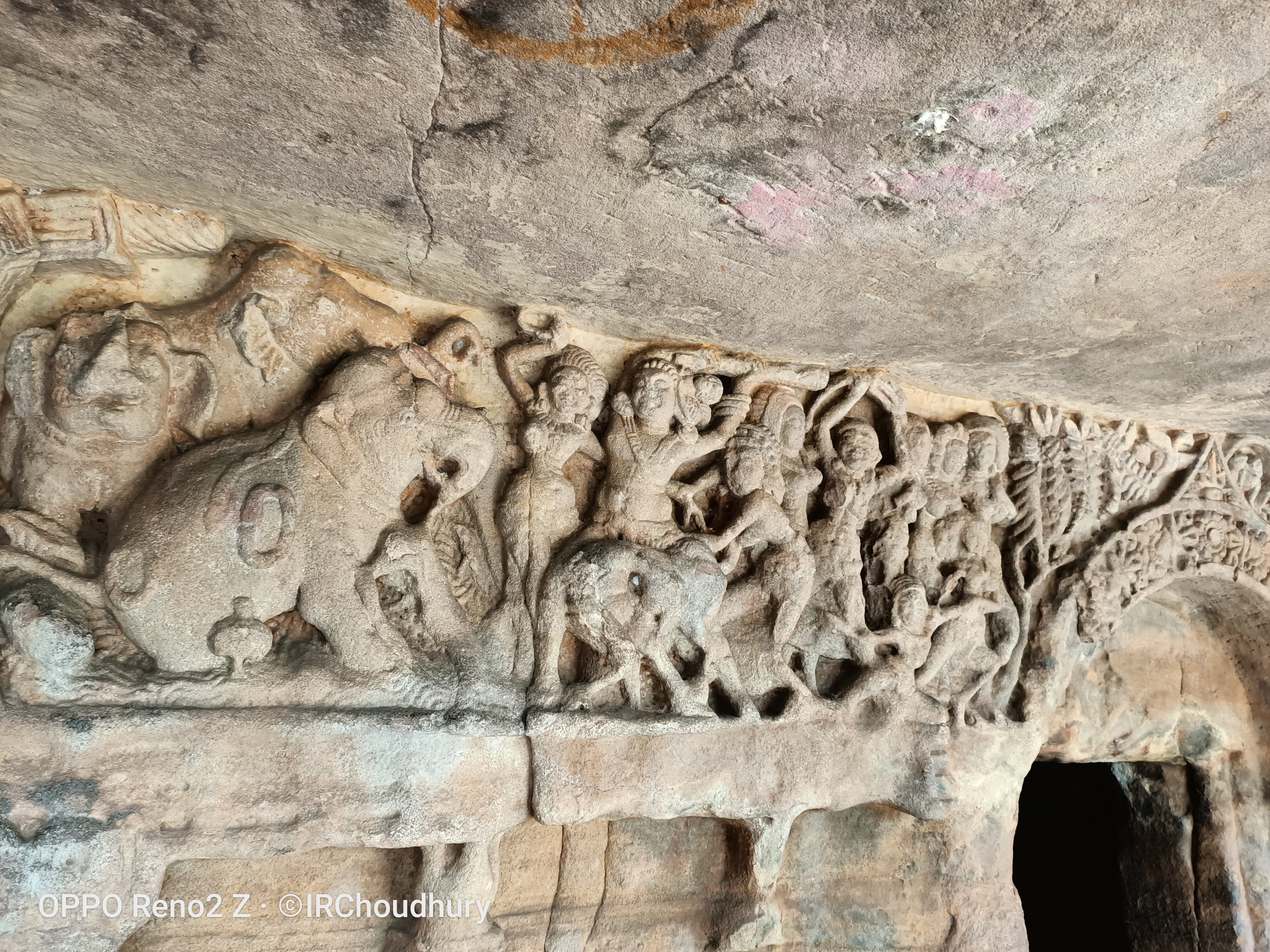
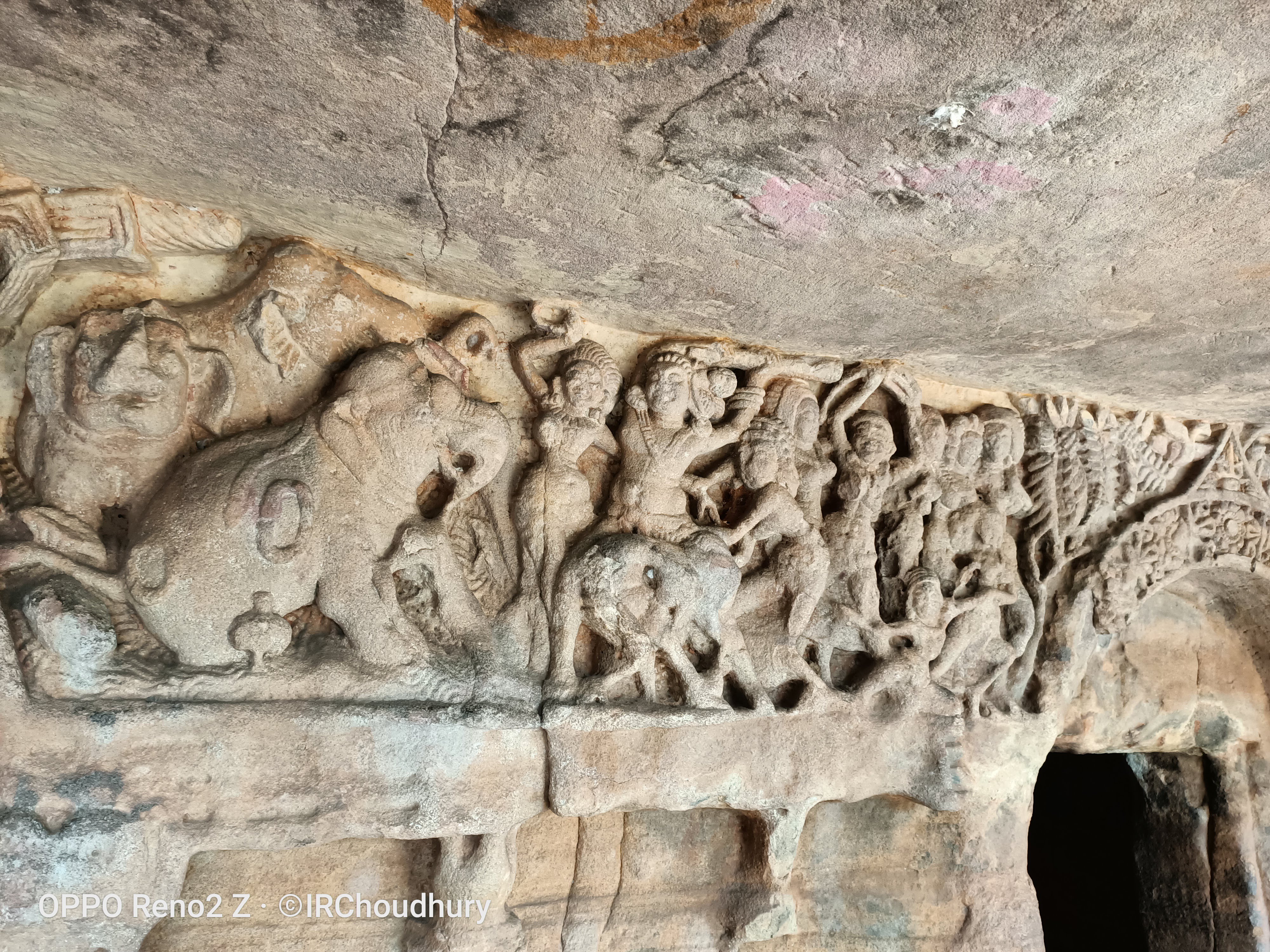
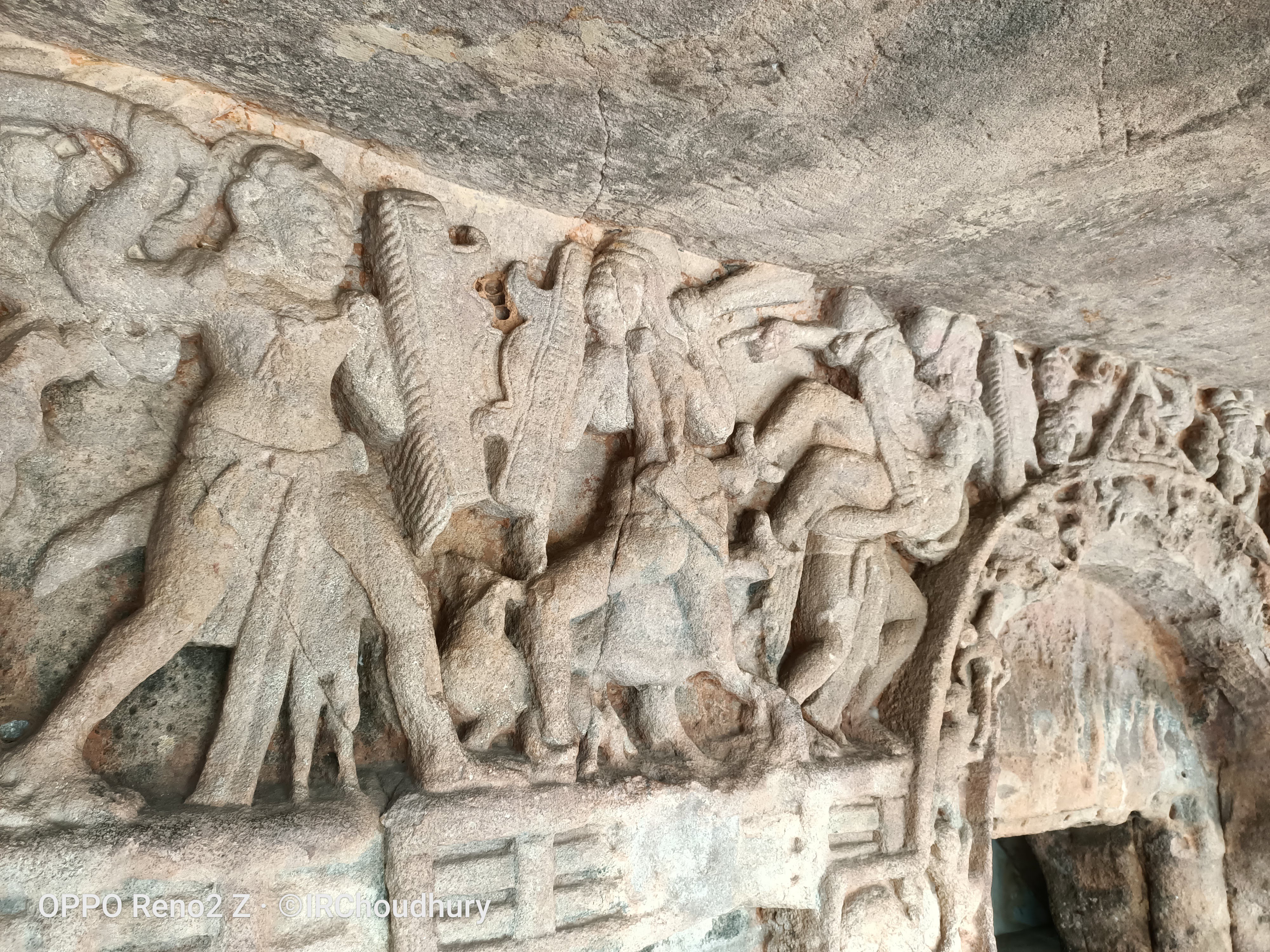
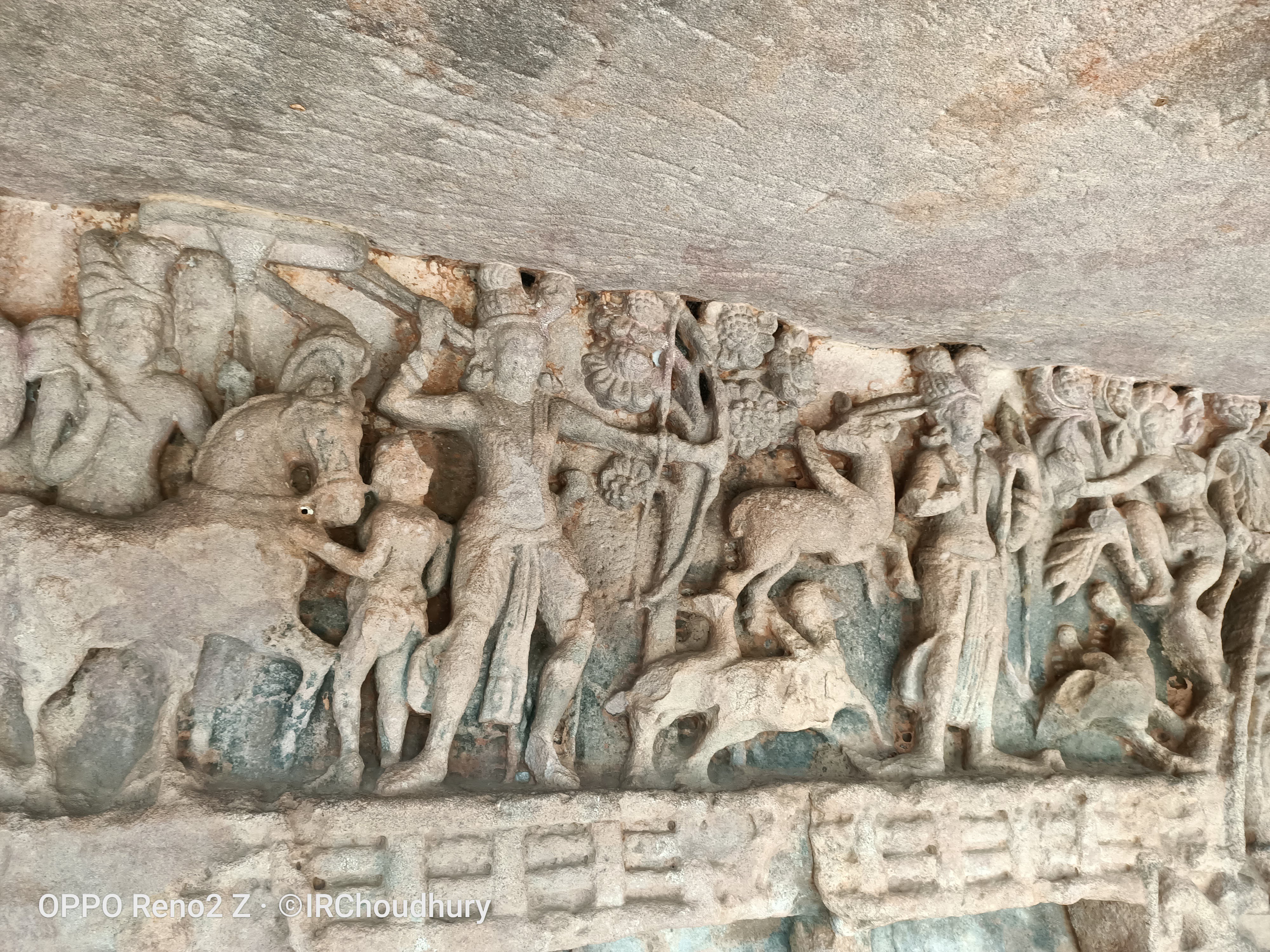
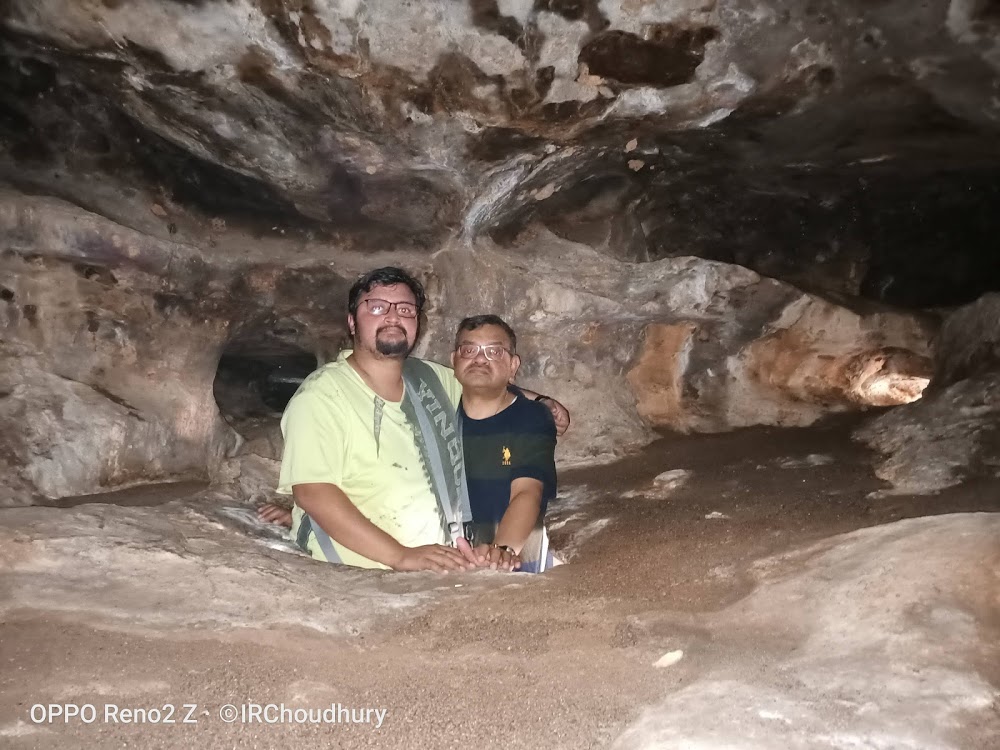
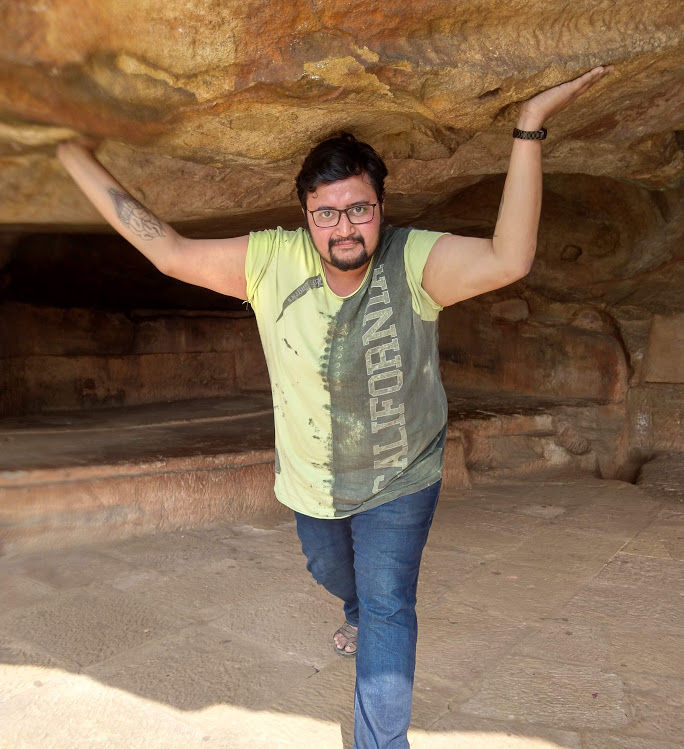
My son and I were particularly intrigued by the acoustics of one of the caves. It was explained that the ingenious layering of rocks created hollow spaces, a marvel of ancient engineering designed to transmit messages or resonate the recitation of sacred mantras. We even put our heads through one of the designated holes to experience this well-laid system firsthand! These hollow spaces also served a practical purpose, acting as a sophisticated drainage system to channel rainwater away from the living areas, minimizing damage to the delicate limestone.
The Hathi Gumpha Inscription remains the most crucial source of information about King Kharavela’s reign in the 1st century BCE Kalinga. This inscription, etched into the Elephant Cave, begins with the sacred Jain chant, the Namokar Mantra, and goes on to describe the king as “the worshipper of all religious orders, the repairer of all shrines of gods.” The seventeen lines, meticulously carved in Brahmi script, narrate King Kharavela’s victorious expeditions, including his triumph over Magadha and the retrieval of a revered Jaina cult image that had been taken away by a Nanda king long before.
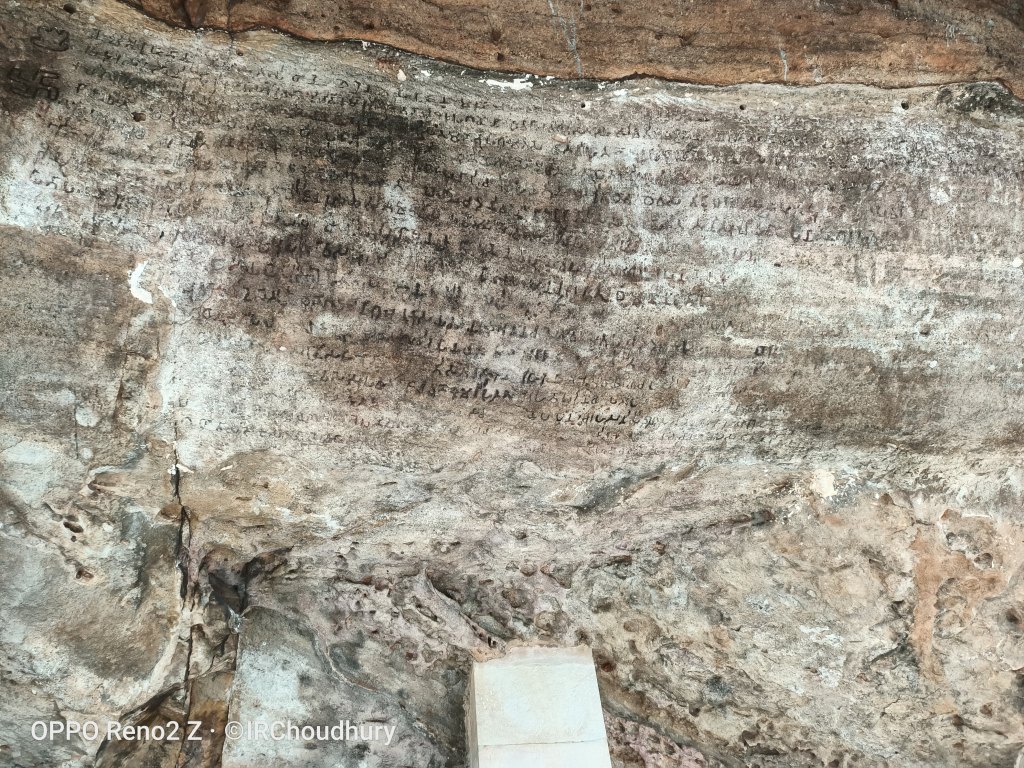
What struck me as particularly poignant was the proximity of these Jain caves to the rock edicts of Emperor Ashoka at Dhauli, just about six miles away. These two rulers were once adversaries, with Ashoka famously conquering Kalinga. Following this conquest, the patronage of Jainism gradually waned in this region, giving way to the ascendancy of Buddhism. Besides the significant Hathi Gumpha inscription, numerous smaller inscriptions can be found in the other caves within the complex, each adding a piece to the historical puzzle.
It was inspiring to learn about Bhagwan Lal Indraji, who is credited with the first authentic reading of the Hathi Gumpha inscription, presented in 1885. He was the first scholar to definitively identify the king eulogized in the inscription as Kharavela, a crucial step in understanding this ancient ruler and his legacy.
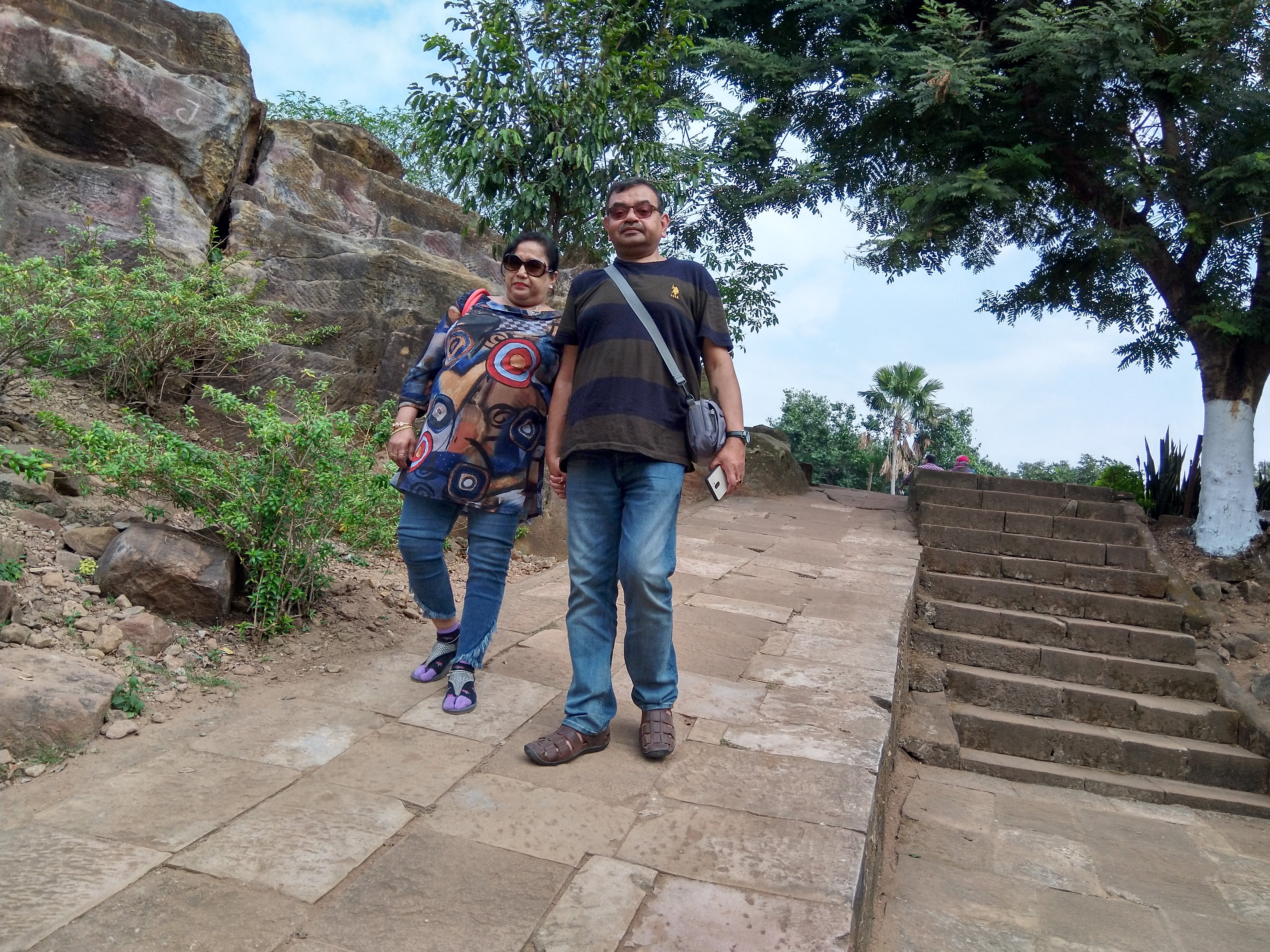
Walking through these rock-cut architectures was like stepping into a history book. The intricate detailing and the sheer variety in the design and creation of each cave were truly remarkable. It became clear to me that these sites are no less significant than the famed Ajanta and Ellora Caves in Maharashtra, offering a profound insight into India’s rich heritage. For anyone with an appreciation for history and ancient art, the Udayagiri and Khandagiri Caves are an absolute haven.
Our exploration of these ancient abodes was an unforgettable experience. As we wandered through the cool, dimly lit interiors, admiring the carvings and imagining the lives of the monks who once dwelled within, we were transported back in time to ancient India. The intricate sculptures, the weight of history etched in stone, and the whispers of a long-lost era left an indelible mark on my mind. It was a powerful reminder of the enduring legacy of faith, art, and human endeavor.
From Bhubaneswar, we would soon continue our journey to Puri, but the echoes of the Udayagiri and Khandagiri Caves, their stories etched in stone, would undoubtedly travel with us.

Hello Sir, I visited these caves around 9 years back and was simply wowed by it. It is so serene and peaceful there. Wish there was someone who knew Brahmi language! Thank you for sharing this.
LikeLiked by 1 person
Thanks, Shivangi. I also have the similar feelings regarding ancient scripts.
LikeLiked by 1 person
I truly believe that Odisha Govt should use your article in their promotion (of tourism) literature. You have exceptional skills in writing travelogue.
I have been to Bhubaneswar few times (all for work/ business) and missed out visiting this wonderful place. Whenever I go next, this will be in top of my “to-do-list”.
LikeLiked by 1 person
Yes, I have also missed visiting some magnificient historical monuments and temples in Bhubaneswar. This time I thought of covering a few of them.
Thanks Aro, for your compliments.
LikeLike
A nice narrative that took me to the ancient era.
LikeLiked by 1 person
Thanks, Nilanjana.
LikeLike
Glimpses of oldest civilization
LikeLiked by 1 person
Nice coverage of the heritage site.
LikeLiked by 1 person
Thanks Durga Prasad.
LikeLike