

They say a Bengali heart beats to the rhythm of rosogulla sweetness and the salty tang of maachh-bhaat. And while those tales hold their truth, they whisper nothing of our secret, our delightful defiance of the universally palatable: our profound and peculiar love for the bitter. Picture this: a Bengali, eyes closed in what can only be described as bliss, polishing off a mountain of rice accompanied by the fiercely crisp, unapologetically bitter neem leaves. “Ah,” they sigh, a contented smile gracing their lips, “this… this is amrito.” Divine nectar.
I, myself, was initiated into this bittersweet world from the moment I could discern flavours. It wasn’t a gradual introduction; it was an immersion. And at the heart of this curious culinary landscape stood a dish, a veritable queen amongst our meals: Shukto. More than just a medley of vegetables, this gently bitter concoction was, and remains, a testament to the Bengali soul’s uncanny ability to find harmony in the most unexpected of places.
This traditional Bengali dish, often served as the first course of a meal, holds a special place in the hearts of Bengalis and is a testament to the culinary art of balancing flavours.
The Magic of Shukto
In every Bengali household, a unique story of Shukto unfolds. Each family weaves its own nuances into the recipe, yet the core remains a shared narrative: a mildly spiced stew that doesn’t shy away from bitterness, but rather embraces it, cradling it in creamy, fragrant undertones.
Imagine a pot simmering gently, holding within it the earthy bitterness of gourd, the starchy comfort of potatoes and raw bananas, the slender elegance of drumsticks, and the ridged texture of torui (ridge gourd). These disparate characters are brought together in a silken, milk-based gravy, their individual voices harmonized by the subtle warmth of mustard seeds, the intriguing aroma of radhuni (wild celery seeds), and the bright spark of ginger. And then, the final, almost whispered secret: a touch of sugar, a delicate counterpoint that elevates the entire composition.
Shukto wasn’t just food; it was a ritual, a carefully orchestrated opening act to the culinary performance that was a Bengali meal. Served first, it was meant to awaken the palate, to cleanse it with its bracing touch, preparing it for the symphony of flavors to follow.
My mother, a firm believer in the ancient wisdom of Ayurveda, would often speak of bitterness as essential – a cooling balm for the body, a gentle nudge for digestion. Her stories painted vivid pictures of grand feasts from generations past, from the opulent kitchens of zamindars to the humble hearths of homes like ours, where Shukto reigned as a symbol of both nourishment and a deep connection to our roots.
The Story Behind the Bitterness
The very act of starting a meal with bitterness is a tale whispered down through the centuries. Ancient Ayurvedic texts, revered for their holistic approach to health, lauded the benefits of bitter foods. The Bengali palate, ever curious and receptive, embraced this wisdom wholeheartedly. Shukto, in its vibrant tapestry of bitter and earthy ingredients, became the embodiment of this philosophy. It wasn’t a fleeting trend; it was a tradition etched into our culinary DNA, appearing in medieval texts like the Mangal-Kavya and even finding mention in accounts of Sri Chaitanya Mahaprabhu’s dietary practices.
Diverse Ingredients in Shukto
Bengal’s fertile land, blessed with a rich biodiversity, offered an enviable palette of bitter greens and vegetables. While bitter gourd remained a constant, the seasonal bounty often brought forth other intriguing players. I remember my mother, always the culinary explorer, introducing us to the slightly grassy notes of hinchey (watercress), the subtly mucilaginous texture of nalte (jute mallow leaves), and the distinctly pungent aroma of gima (bitter cumin leaves). Sometimes, she would even add the delicate fragrance of night jasmine leaves (shiuli pata) or the slightly sweet earthiness of drumstick flowers (sajna phool), each addition painting a new stroke on the familiar canvas of our beloved Shukto.
A Taste of Home
For me, the story of Shukto is inextricably linked to the story of my childhood. I can almost smell the sharp, distinctive aroma of mustard oil tempering in a hot kadhai as I walked home from school. My mother, a steadfast presence by the stove, would carefully introduce each vegetable to the hot oil, coaxing out their individual flavours before uniting them in the simmering gravy. The moment she ladled the creamy broth over a mound of steaming white rice, I knew, with a certainty that settled deep in my bones, that I was home.
Even now, years later and miles away, that first spoonful of Shukto is a time machine, instantly transporting me back to those carefree days. Whether I’m navigating the familiar chaos of Ranchi’s streets or finding myself in a distant land, a pang of homesickness is often soothed by the mere thought of its bittersweet embrace. Now, my wife carries the torch, her own hands stirring the pot, adding her subtle inflections to the age-old melody, much like my mother did before her.
The Many Faces of Shukto
Over the years, I’ve encountered countless variations of this cherished dish. The classic rendition, with its bold bitterness, will always hold a special place in my heart. But I’ve also grown to appreciate the gentler charms of Lau Shukto, where the mild sweetness of bottle gourd takes center stage, offering a soothing counterpoint to the subtle bitterness. Just last night, our dinner table was graced by a simple, soulful Lau Shukto, a testament to the dish’s enduring appeal.
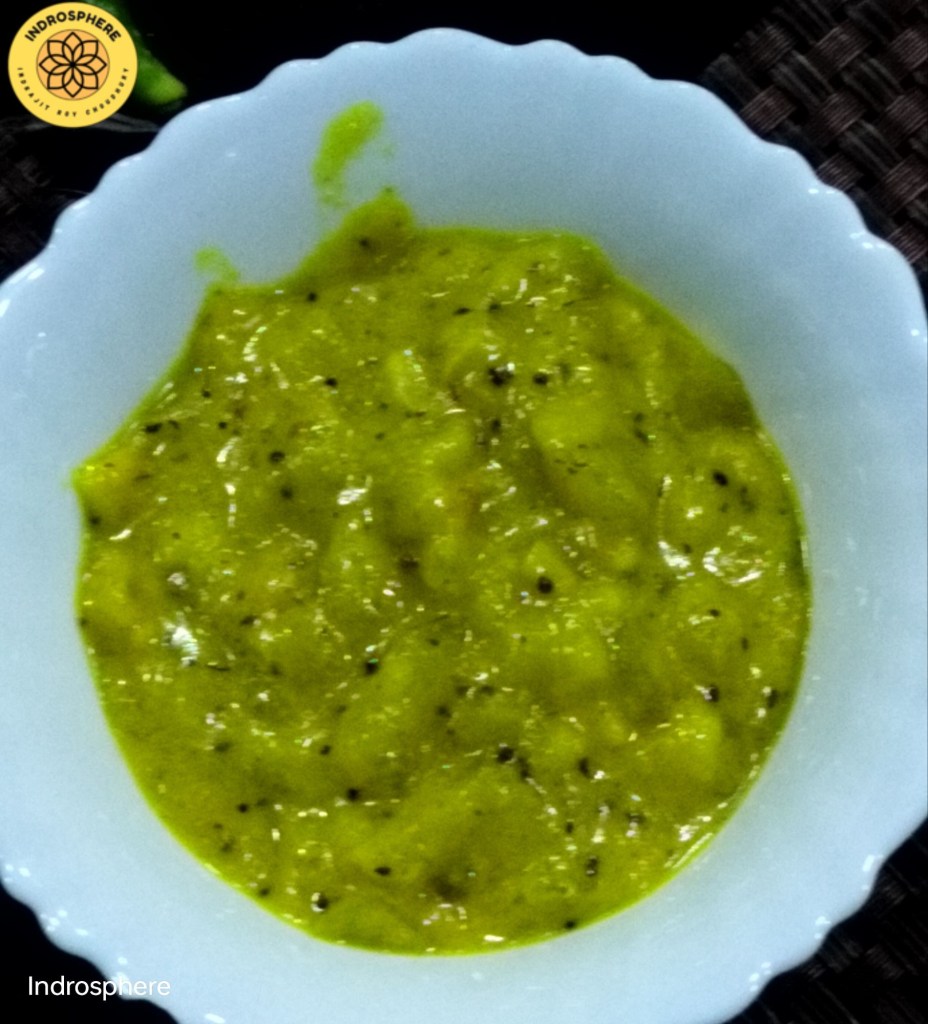
What makes Shukto so extraordinary is its remarkable adaptability. It can grace the table at the most lavish of feasts, yet feel perfectly at home in the simplicity of a humble everyday meal. It is a dish of beautiful contradictions – austere yet indulgent, comforting yet complex.
A Culinary Legacy
More than just a recipe passed down through generations, Shukto is an emotion. It is the gentle whisper of a grandmother’s wisdom, the tangible warmth of a mother’s love, and the ever-evolving yet steadfast traditions of a Bengali household. It is a celebration of contrasts – the sharpness of bitterness softened by the richness of cream, the slight astringency mellowed by a hint of sweetness. And like all truly great dishes, Shukto is a story on a plate, a narrative that continues to be written with every meal it graces.
So, the next time you find yourself at a Bengali table and are offered a bowl of Shukto, don’t shy away from its intriguing bitterness. Embrace it with an open mind, and perhaps, just perhaps, you too will discover your own taste of home in its complex and comforting embrace.

I also love shukto very much. I still remember our kid-time rhyme: “… shuktoni te jhaal diyechhe, ombolete ghee, chhi, chhi, Rani ranndhte shekeni…” 🤪
LikeLiked by 1 person
Thanks, Nilanjana. Yes, I do also remember this. 🙂
LikeLike
I love Shukto too
LikeLiked by 1 person
Thanks ❤️
LikeLike
My brother can polish off a plateful of rice with just Shukto. However, I restrict my bitter intake to crisply fried bitter gourd with Kasundi… 😜
LikeLiked by 1 person
Sukto is one our family favourite delicacies. 🙂
LikeLike
I love shukto.
LikeLiked by 1 person
Anybody eating it once will fall in its love. Thanks 🙏
LikeLike