

The air in Ranchi hangs heavy with the promise of rain. That familiar petrichor—the earthy scent that rises from the ground before the first drops fall—has begun to permeate everything. It’s a season that stirs something deep within me: a longing for familiar comforts, for the simple joys of home, and for the quiet rituals that define our cultural rhythm. And if there’s one dish that encapsulates this feeling with perfect clarity, it’s the humble yet exquisite bhaja—those quintessential Bengali fritters that grace our plates with crispy warmth and nostalgic delight.
A Market Quest: Choddo Shaak & a Floral Surprise
Just the other day, Judhajit and I braved the post-monsoon humidity and ventured into Kokar’s bustling vegetable market. Our mission was steeped in tradition: to gather the auspicious choddo shaak—fourteen leafy greens—for the upcoming Bhoot Chaturdashi. The market was alive with colour and sound, vendors calling out their wares, the chatter of shoppers, and the vibrant hues of fresh produce piled high.
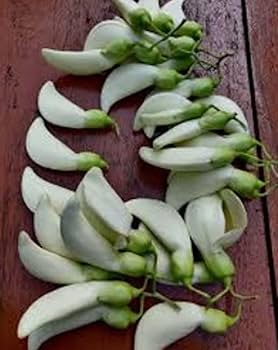
Amidst this delightful chaos, my eyes landed on something unexpected—a small mound of delicate, cream-coloured blossoms nestled among the greens. My heart skipped a beat.
Bok Phool. Heron flowers.
It had been years since I’d seen them, let alone tasted them. A wave of nostalgia washed over me, carrying me back to childhood afternoons scented with mustard oil and the gentle rhythm of my mother’s hands dipping these very flowers into golden batter.
Without hesitation, I nudged Judhajit and pointed. “Look! Bok Phool! We have to get some.” Half a kilogram later, nestled carefully in our bag, they felt like a treasure retrieved from memory.
Bok Phool: Nature’s Elegance on a Plate
For the uninitiated, Bok Phool—the Heron flower—belongs to the Sesbania grandiflora species. Native to Bengal and thriving in its monsoon-soaked soil, this plant offers both edible leaves and its true culinary gem: the elegant, curved blossoms. Beyond their subtle flavour, Bok Phool is celebrated for its medicinal properties—anti-inflammatory, antioxidant, and deeply nourishing.
But in Bengali kitchens, especially during the rains, these flowers are destined for something far more poetic: transformation into Bok Phool Bhaja, a crispy fritter that is as delicate in taste as it is in texture.
Back home, the excitement of finally having Bok Phool in my kitchen was palpable. The process of making Bok Phool Bhaja is a labour of love, requiring a gentle touch befitting the fragile nature of the petals. These aren’t your sturdy potato or eggplant slices; these are delicate blooms that need to be handled with care. Yet, when fried just right, they offer a unique, almost ethereal sweetness that is unlike any other fritter.
The Making of Bok Phool Bhaja: A Culinary Ritual
Back home, the excitement of having Bok Phool in my kitchen was palpable. Preparing these fritters is a labour of love, requiring a gentle touch befitting the fragile nature of the petals. These aren’t your sturdy potato or eggplant slices; these are blooms that demand reverence.
Ingredients:
- A generous handful of fresh Bok Phool (Sesbania grandiflora) petals
- 2 tablespoons rice flour (the secret to extra crispiness!)
- 2 tablespoons besan (chickpea flour)
- 1 tablespoon all-purpose flour (helps bind everything together)
- A pinch of turmeric powder (for colour and flavour)
- A pinch of red chilli powder (just a hint of warmth)
- A tiny pinch of cumin powder (adds an earthy note)
- A pinch of kalonji (nigella seeds – their slightly bitter flavour is a wonderful counterpoint)
- Salt to taste
- Mustard oil for deep frying (the only way to truly experience Bengali bhaja)
Method:
- Preparing the Flowers: The first step is to gently pluck the petals from the base of the flower. Inside, you’ll find a filament – make sure to carefully remove this as it can be a little bitter.
- A Gentle Wash: Once the petals are separated, give them a very gentle wash under cool running water to remove any dust or tiny insects. Pat them completely dry with a soft cloth. This step is crucial; excess water will make the batter runny.
- Whisking the Magic: In a mixing bowl, combine the besan, rice flour, all-purpose flour, turmeric powder, cumin powder, red chilli powder, kalonji, and salt. Gradually add a little water at a time, whisking continuously until you achieve a thick yet smooth batter. The consistency should be such that it coats the petals evenly without being too thin or too heavy.
- The Art of Coating: Now comes the delicate part. Gently dip each Bok Phool petal into the prepared batter, ensuring it’s completely coated. You can use your fingers or even a fork for this. Sometimes, I like to lightly press the petal into the batter to make sure it adheres well.
- The Sizzle of Anticipation: Heat mustard oil in a deep pan or wok over medium heat. The oil should be hot enough that a drop of batter sizzles immediately but not so hot that it burns.
- Frying to Perfection: Carefully slide the batter-coated petals into the hot oil, making sure not to overcrowd the pan. Fry them in batches, turning gently with a slotted spoon, until they turn a beautiful golden brown and become wonderfully crispy on both sides. The aroma that fills the kitchen at this point is simply divine!
- Draining the Goodness: Once they are perfectly fried, remove the Bok Phool Bhaja from the oil and place them on a paper towel-lined plate to absorb any excess oil.
- Serving with Love: Serve these golden delights hot! A sprinkle of chaat masala or just a pinch of salt can enhance the flavour. They are perfect as a side with a simple meal of rice and dal, or simply enjoyed on their own with a steaming cup of tea on a rainy afternoon.
The aroma that fills the kitchen as they fry is nothing short of divine—a scent that evokes monsoon afternoons, steaming cups of tea, and the warmth of shared stories.
More Than a Fritter: Bok Phool as Cultural Symbol
What makes Bok Phool Bhaja so special isn’t just its taste—it’s the symbolism it carries. The flower itself, with its swan-like elegance, evokes purity and grace. When transformed into a fritter, it feels as though nature’s beauty has been captured and made edible.

In Bengali culture, food is more than sustenance—it’s a language of love, a way of preserving heritage, and a medium for storytelling. Bok Phool Bhaja may not grace restaurant menus often, but in home kitchens, it holds a revered place. It’s a seasonal treat, a gesture of welcome, and a culinary ode to the monsoon.
A Taste of Home, A Slice of Heritage
As the monsoon season truly takes hold here in Ranchi, I know I’ll be looking out for more of these beautiful Heron flowers. Because Bok Phool Bhaja isn’t just a crispy fritter; it’s a little piece of Bengali culinary heritage, a celebration of nature’s bounty, and a reminder of the simple, profound joys that food can bring.
And every time I bite into one, I’m transported back to those cherished childhood memories, the scent of rain on the earth, and the loving hands of my grandmother in the kitchen. It’s a taste of home, pure and simple.

Must say I have been deprived of some of these delicacies despite spending some of my early working life in Cal 😦
LikeLiked by 1 person
Yes, it could be because these fritters aren’t commonly found in restaurants and the flowers are seasonal.
LikeLike
Roy, I can practically taste the crispy goodness of that Bok Phool Bhaja just reading this as last time it was Sugar palm! This post also had me craving a plate (or three) – don’t be surprised if I show up at your door demanding a taste test. Bengali hospitality demands it, right? Invite me over, and I’ll even help with the frying!
LikeLiked by 1 person
Both of you are most welcome here. Come with Sheral.
LikeLike
It has been over a decade since I last had bok phool bhaja, and your post made me drool. I hope Goddess Annapurna is listening.
LikeLiked by 1 person
Yes, sure. You’ll get an opportunity soon, with Her Grace.
LikeLiked by 1 person
I love Bok Phool Bhaja but haven’t savoured it since a long time.
LikeLiked by 1 person
Thanks, Sanchita.
LikeLike
I have never tasted this, maybe because it’s not available here in Delhi.
So, you can add this item when I come to Ranchi ‼️😜
LikeLiked by 1 person
You need to stay here for months since your requests are for seasonal items. 😂
LikeLike
😁😁😁
LikeLiked by 1 person
🤪
LikeLike