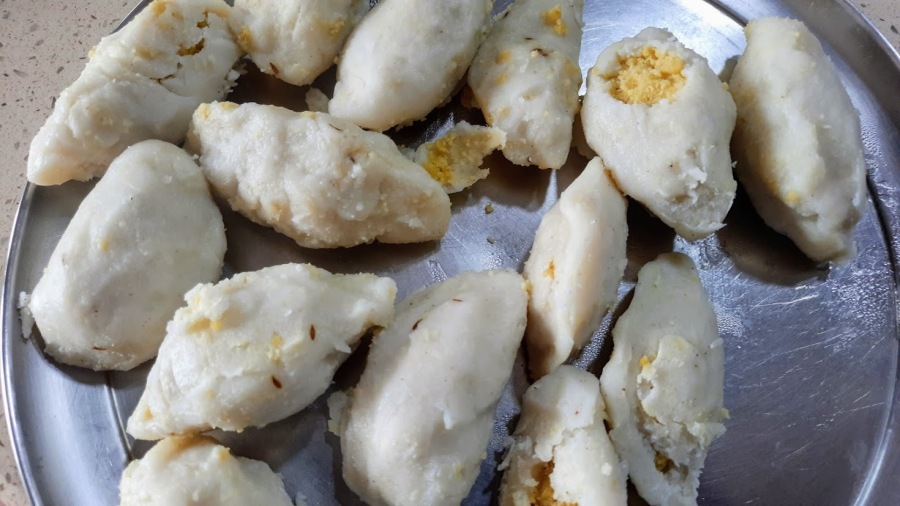
Lobongo Lotika: A Sweet Hymn to Heritage & Rain-Soaked Memories

On a rainy summer evening, nostalgia prompts a reflection on Lobongo Lotika, a cherished Bengali sweet. This recipe, rooted in tradition, symbolizes celebration and family love, particularly reflecting the influence of the author's mother-in-law. Making it becomes a meditative ritual, preserving heritage while fostering connections with loved ones through shared joy and memory.

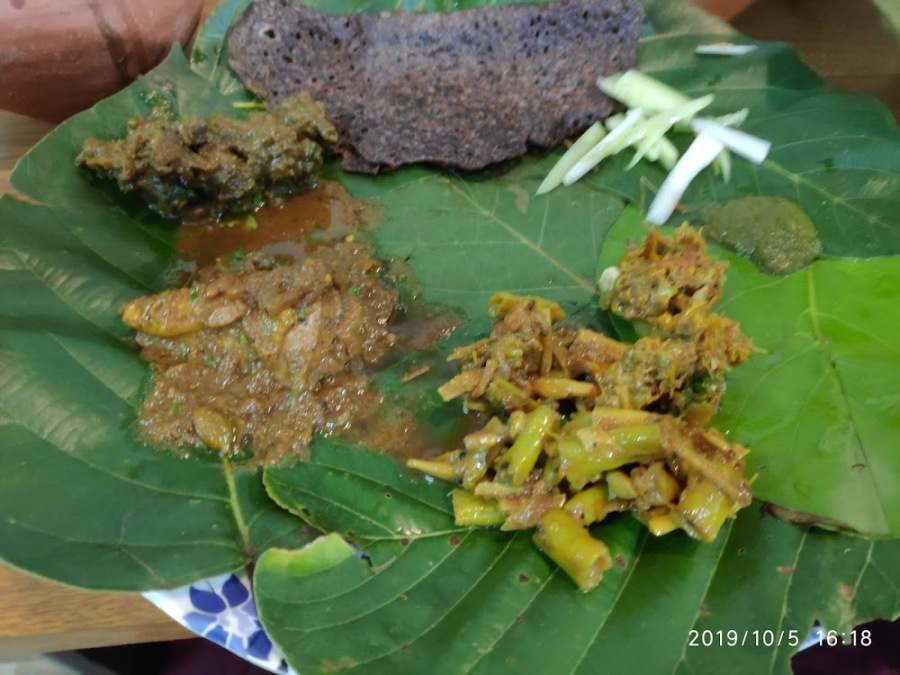
Rugda: The Elusive Forest Mushroom of Jharkhand

Living in Jharkhand offers a rich culinary experience rooted in nature, exemplified by the elusive Rugda mushroom. Found amidst Sal trees post-monsoon, its discovery in a local market feels magical. With unique preparation methods and its umami flavor, Rugda reflects local traditions and nutrition. As it remains relatively unknown outside Jharkhand, it embodies a connection to culture, nature, and the region's enduring culinary heritage.

Ajam Emba: Reviving Oraon Culinary Traditions

In Ranchi during Durga Puja, the anticipation of a tribal food lunch led me to Ajam Emba, an eatery celebrating Jharkhand's indigenous culinary heritage. Founded by Aruna Tirkey, the restaurant aims to revive tribal food traditions while empowering local communities. The experience combines rustic charm with traditional cooking methods and locally sourced ingredients, resulting in dishes rich in flavor and cultural significance, making it a must-visit destination.

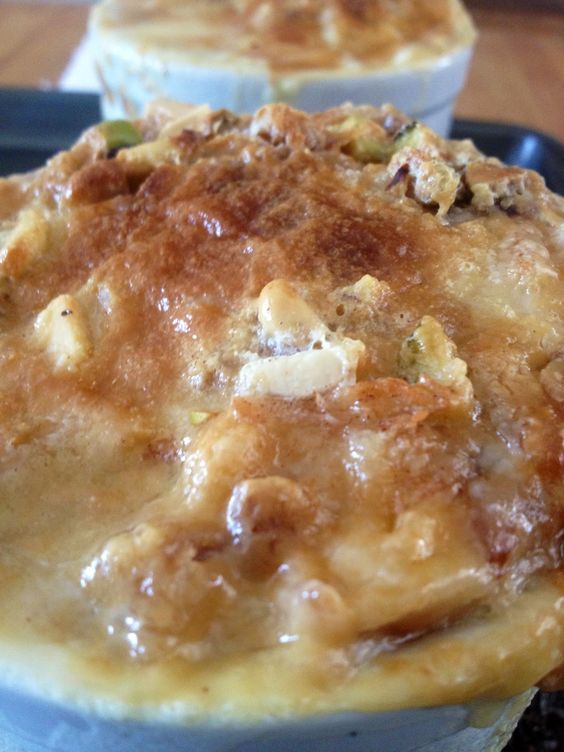
Om Ali — bread pudding of Arab world

Umm Ali: The Dessert Rich in History & Flavour

Umm Ali is more than just a recipe; it’s a legacy. It’s a dish that tells a story—one of ambition, power, and the complex dynamics of women in leadership. From its violent origins to its place at the table today, Umm Ali is a testament to the power of food to preserve history, culture, and the human experience. And as you savor each bite, you’re not just indulging in a dessert—you’re partaking in a centuries-old tradition, woven with stories of love, betrayal, and strength.

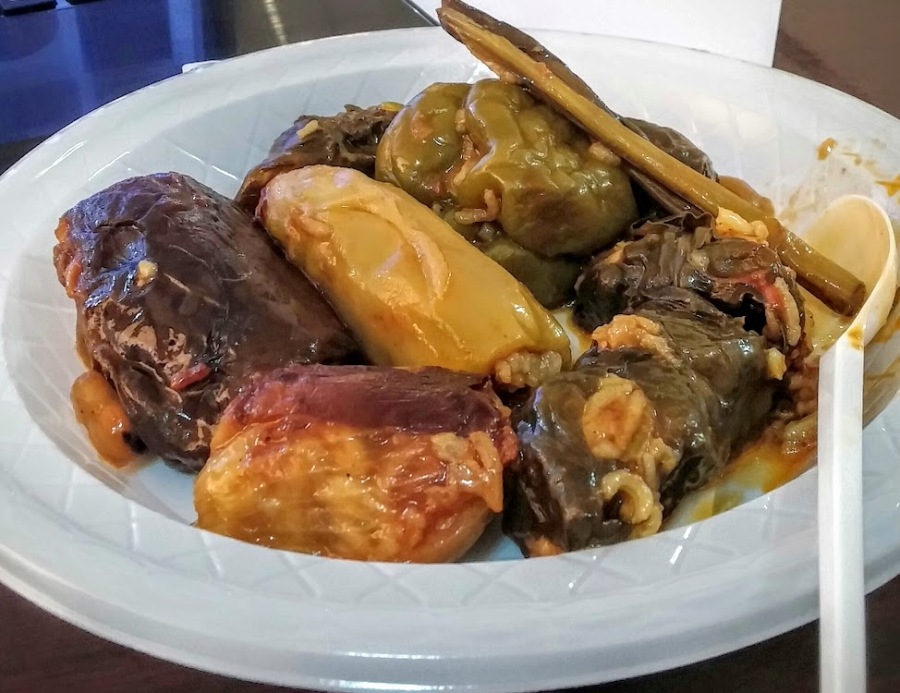
Dolma

Dolma: The Stuffed Secrets of Togetherness

Dolma, a beloved dish with stuffed vegetables like grape leaves, peppers, and eggplants, reflects a culinary evolution across the Mediterranean, Middle East, and India. With origins in the Ottoman Empire, dolma has evolved through Byzantine refinement and Arab influences, reaching diverse regions like Greece, Azerbaijan, and Bengal. Today, it continues to captivate palates with vegetarian and vegan variations, embodying the spirit of cultural exchange and culinary exploration.

Savoury Kebab Stories: Iraq & India Unite

The article discusses kebabs from two distinct regions: Iraq and India. Both kebabs, being from rich culinary traditions, vary greatly in their preparation and presentation. Iraqi kebabs like the shish and tikka use chunks of marinated meats, whereas Indian kebabs are made from minced meat mixed with herbs and spices. The Iraqi kebab is often complemented by amba, a fermented mango condiment, while the Indian variant is generally accompanied by yoghurt-based sauces, chutneys, and flatbreads.

The Sweet Atom Bombs of Kuru – A Taste of Jharkhand’s Heartland

While on duty at Jharkhand, the writer frequently visited Kuru and discovered a popular sweetmeat, Chhana (known locally as 'atom bombs' due to its size), which traditionally made from milk curdled by adding a sour substance. Despite its evolution in other regions, Kuru stays true to its original recipe, which dates back 50-60 years. Visitors from various parts of India bring these sweets back, testifying to their popularity.

Desert Truffle: A Lesser-known Delicacy of the Middle East

Truffles, an expensive type of subterranean fungus that grows near the roots of specific trees, are renowned in the culinary world, particularly in Europe. However, more affordable desert truffles in the Middle East and North Africa, have provided nourishment, medicinal benefits, and even aphrodisiac properties throughout history. Their cultivation remains challenging, mostly relying on natural phenomena like thunderstorms for growth. These culinary treasures have a rich history, dating back to Sumerian times, and continue to be enjoyed today in various cuisines due to their unique flavor and nutritional benefits.