Tradition vs. Reform: The Legacy of Bankim Chandra & Ishwar Chandra Vidyasagar

The ideological conflict between Bankim Chandra Chattopadhyay and Ishwar Chandra Vidyasagar illustrates the tension between tradition and social reform in 19th-century Bengal. Vidyasagar championed women's rights and advocated for radical social change, notably through the Widow Remarriage Act, while Bankim emphasized cultural revivalism and gradual reform. Despite their disagreements, both figures significantly impacted Bengal's intellectual landscape, shaping its evolution and illustrating different paths toward progress.

Vande Mataram: The Anthem Born from a Cricket Dispute

The Indian Premier League celebrates cricket, but its connection to patriotism is profound. Bankim Chandra Chattopadhyay's anthem "Vande Mataram" emerged from a heated cricket match in 1873, where he faced humiliation from Colonel Duffin. This incident sparked a legal battle symbolizing resistance against colonial rule. Ultimately, his powerful words united Indians in their fight for independence, reshaping the nation's historical narrative.

From Surat to Cocktails: The Legacy of Punch in Drink Culture

Holi celebrations are incomplete without drinks, particularly punch, which originated in Surat, Gujarat, during the 1600s. This bustling port city facilitated cultural exchanges among diverse traders, leading to the creation of this communal drink made with five key ingredients. British officers later popularized punch in England, evolving into modern cocktails. Surat’s innovative spirit laid the groundwork for global drinking traditions, highlighting India's vital influence on mixology.

Ratan Sarkar: The Washerman’s Role in Colonial Trade

The history of British colonialism in India reveals overlooked stories of individuals like Ratan Sarkar, a washerman who became the East India Company's first interpreter in Calcutta. During the 17th century, Shaista Khan's administration allowed European trade, transforming Bengal into a trading hub. Despite initial communication barriers, Ratan's adeptness bridged cultural gaps, fostering trade relationships crucial to British interests. His legacy endures in Kolkata through street names, illustrating the significant role of local figures in colonial history.

Betla National Park: Exploring the Wild Beauty

Embarked on a three-day excursion with the family to Betla National Park in Jharkhand, India. As a component of Project Tiger, this park provides opportunities for observing wildlife, enjoying tranquil natural landscapes, and exploring the historical Palamu Fort. Noteworthy aspects of the trip encompass savoring local cuisine, participating in jeep safaris, encountering diverse animals, and visiting picturesque waterfalls in the vicinity. The overall experience underscores Betla's appeal to nature and wildlife enthusiasts due to its abundant flora, wildlife, cultural heritage, and a range of adventurous activities.

Birsa Munda: A Symbol of Tribal Resistance

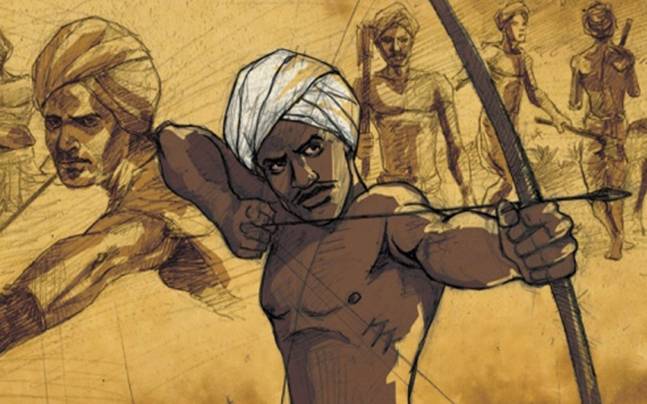
Birsa Munda, an iconic figure in tribal resistance, spearheaded a rebellion against British colonial rule in late 19th-century India. Born in 1875, he mobilized tribal communities in resistance to British oppression, campaigned for social reform, and sought to establish self-governance rooted in tribal customs. Despite his relatively short life, his legacy continues to inspire tribal rights and autonomy movements internationally. Today, his contributions to India's tribal movements are recognized, and his birth anniversary is commemorated as 'Janjatiya Gaurav Divas’ (Tribal Pride Day).

Explore Bara Imambara: A Cultural Icon of Lucknow

The Bara Imambara in Lucknow, India, reflects the rich history and diverse culture of the area. Built in 1784 by Nawab Asaf-ud-Daula, it features Mughal architecture and contains a mosque, stepwell, courtyards and a main building with a large wooden roof supported by 260 pillars. Intricate labyrinths were designed for protection, and unique acoustic systems were used for communication. Constructed during a famine, laborers received food grain payments, stored and later distributed during a second famine. Today, it remains a popular tourist spot showcasing India's cultural heritage.

Pondicherry: Colonial Charms & Coastal Serenity

Pondicherry, also known as Puducherry, is a captivating blend of Indian and French cultures steeped in history, from ancient Greek trading hub to French colonial rule until 1954. A road trip from Chennai enhanced our experience, with picturesque views and culinary delights like traditional "Thali." Exploring the town revealed its colonial charm, vibrant streets, and serene beaches, making it a cherished and unforgettable destination that invites return visits.