
Every stone in Chittorgarh carries memory, but some rise higher than others — literally and figuratively. As we walked deeper into the fort, towers touched the sky, kunds whispered of battles, and the specter of jauhar hovered heavy in the air.

A fort is a military fortification built specifically for defense, housing a military garrison and designed to protect a territory. A castle, on the other hand, is a fortified residence for a monarch or noble, serving both as a defensive structure and a symbol of wealth and power.
Every stone in Chittorgarh carries memory, but some rise higher than others — literally and figuratively. As we walked deeper into the fort, towers touched the sky, kunds whispered of battles, and the specter of jauhar hovered heavy in the air.
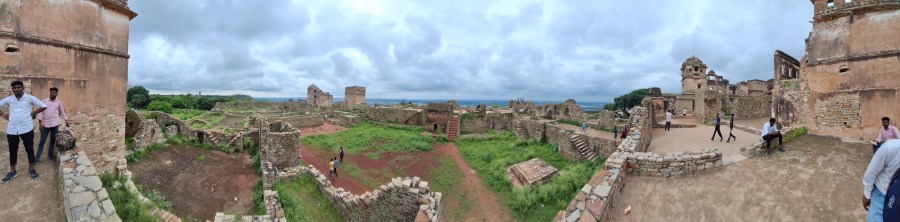
If Udaipur is the romantic heart of Mewar, Chittorgarh is its soul — fierce, tragic, unyielding. As we drove towards the fort that once stood as the largest in India, I felt as though we were approaching not just stone walls, but a living legend of Rajputana.

We see the City Palace in Udaipur, initiated by Maharana Udai Singh II in 1559, as a monumental display of Mewar's history, combining Rajput, Mughal, and European architectural styles. We witness valorous artifacts, artistic frescoes, and the royal family's ongoing legacy, culminating in a rich cultural experience and unique souvenirs symbolizing the region's heritage.
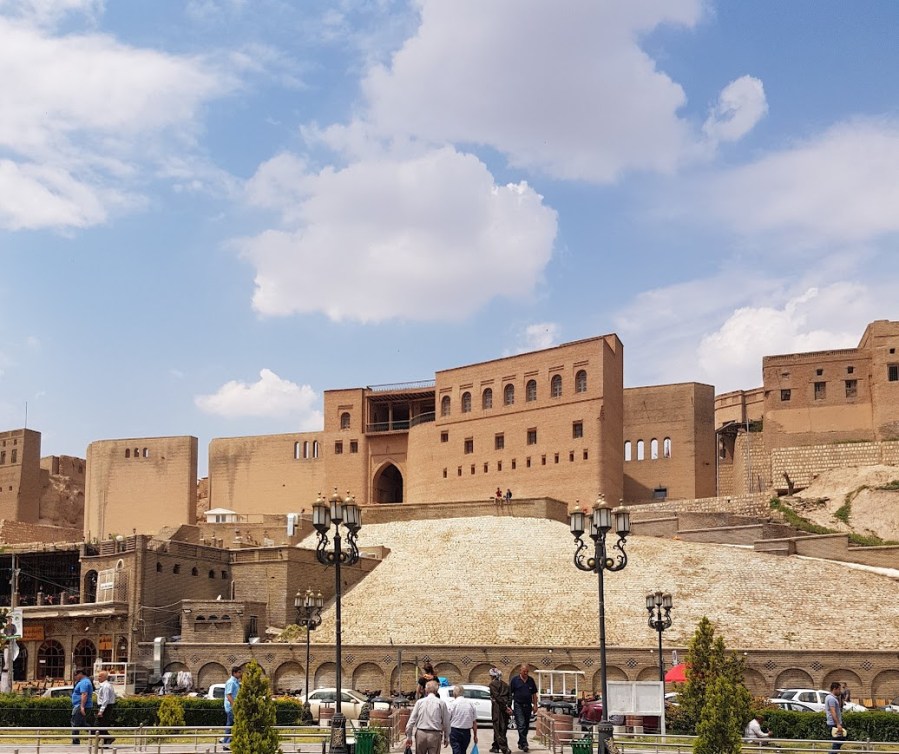
On June 5, 2025, I visited Erbil's Citadel, a UNESCO World Heritage Site, filled with anticipation to explore its rich history. However, upon arrival, I learned the Citadel was closed for renovations. Despite the disappointment, I found joy capturing views of the Citadel from outside, enjoying the nearby bustling Qaysari Bazaar, and sharing a moment with a small bird at a café. I left with a promise to return and explore its ancient treasures.
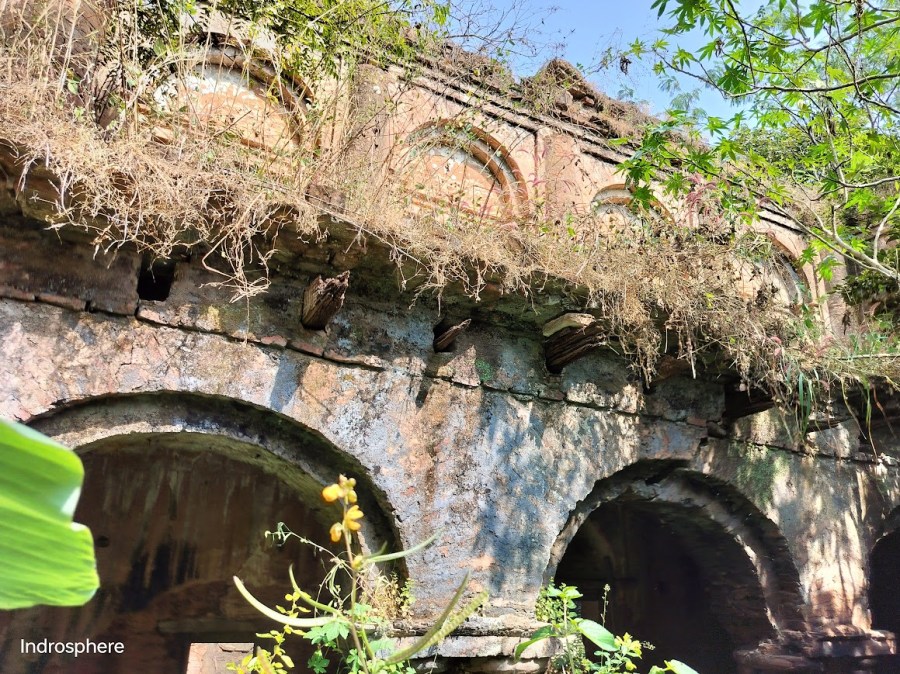
Pithoria village, near Ranchi, conceals the haunted Pithoria Fort, linked to King Jagatpal Singh’s betrayal during the 1857 uprising against British rule. His alliance with the British led to a curse from rebel leader Thakur Vishwanath Shahdeo, resulting in annual lightning strikes. The fort now stands decaying, symbolizing lost heritage and resistance.
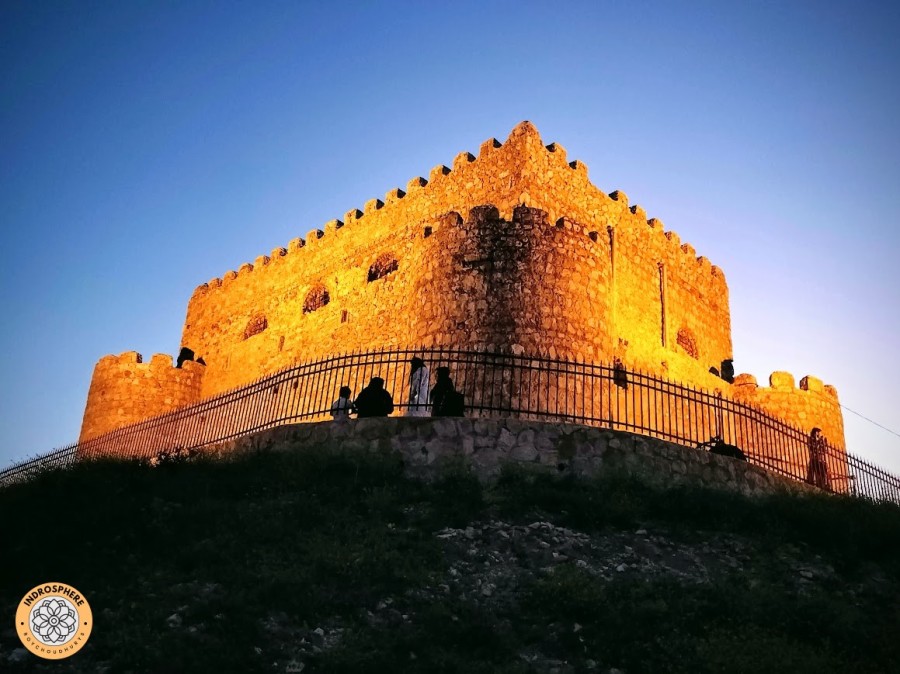
The medieval period evokes vivid images of knights and castles in European history, but the Middle East has a rich medieval tapestry as well, particularly in the Kurdish emirates. A recent exploration of Dere, Dwin, and Khanzad castles in Erbil revealed their historical significance. Dere Castle, dating back to the 19th century, stood witness to the region's past, while Dwin Castle's connection to Kurdish hero Salahuddin and Khanzad Castle's defensive role underscored Kurdistan's enduring heritage and resilience.

Embarked on a three-day excursion with the family to Betla National Park in Jharkhand, India. As a component of Project Tiger, this park provides opportunities for observing wildlife, enjoying tranquil natural landscapes, and exploring the historical Palamu Fort. Noteworthy aspects of the trip encompass savoring local cuisine, participating in jeep safaris, encountering diverse animals, and visiting picturesque waterfalls in the vicinity. The overall experience underscores Betla's appeal to nature and wildlife enthusiasts due to its abundant flora, wildlife, cultural heritage, and a range of adventurous activities.

The coastal village of Tarangambadi, Tamil Nadu, known as the "Land of Singing Waves," holds a rich historical narrative that spans centuries. Our trip in November 2010 explored its ancient temples, Danish settlements, and the first printing press in Indian scripts. Despite its quiet current state, Tarangambadi's serene beach and significant past create a captivating atmosphere, leaving us longing for a deeper exploration of its culture and charm.
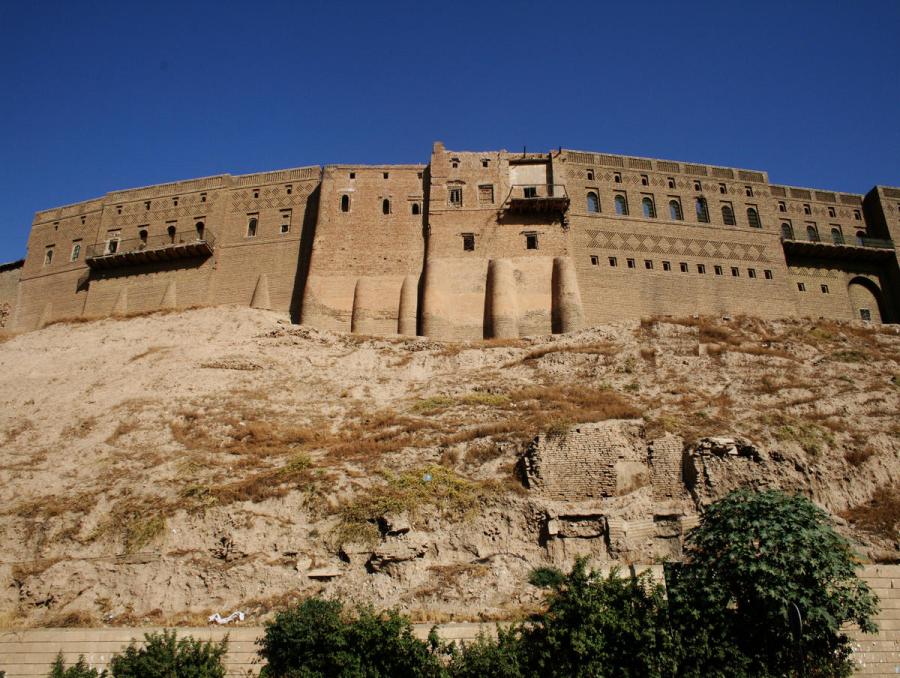
Settled more than 6,000 years ago, Erbil Citadel is thought to be one of the longest continuously inhabited sites in the world. The Citadel, which rises some 30 meters above the plain, is surrounded by a lower town that developed in the modern city of Erbil. The Erbil Citadel, locally called Qelat, is a tell or occupied mound, and the historical city centre of Erbil. Over the millennia, the Erbil Citadel has taken shape, each generation building new structures on top of those of the previous generation.

The Aguada Fort and Lighthouse in Goa is a 17th-century Portuguese fort with rich historical significance. Built to protect against Dutch and Maratha invasions, it's also a notable site due to its four-story lighthouse, the oldest in Asia. Visiting this location provides insights into the region's past, stunning views, and opportunities for exploration. It's highly recommended for anyone traveling to Goa.
