

In the heartlands of India, amid the verdant forests and vibrant culture of its indigenous communities, lies a hidden gem of tradition and flavour—Handia. This indigenous rice beer has been a staple in rural households for centuries, deeply intertwined with social gatherings, religious ceremonies, and daily life. The name ‘Handia’ likely stems from the word Handi, referring to the deep, wide-mouthed cooking vessel commonly used in Indian kitchens.
Handia, also known as Hadia, has ancient roots in tribal regions across Odisha, Jharkhand, Chhattisgarh, Bihar, and Madhya Pradesh. Its preparation and consumption are integral to the rituals, festivals, and cultural practices of these communities. It is not merely a drink but a symbol of social unity and spiritual significance, revered during sacred ceremonies and celebrations.
Fermentation: A Timeless Technique
Fermentation, a process that has been used for preserving food and drinks since ancient times, is central to the creation of Handia. Microorganisms like bacteria, yeast, and fungi convert organic compounds, such as sugars and starch, into alcohol or acids. This technique was employed by early civilizations in the Indus Valley, Middle East, Egypt, Greece, and Rome to produce fermented milk products, alcoholic beverages, and leavened bread.
Fermentation has long been a method to preserve food and beverages, dating back to times when refrigeration was unheard of. This ancient technique, practised by early civilizations, involves microorganisms like yeast, bacteria, or fungi converting sugars and starches into alcohol or acids. It has sustained human communities since Neolithic times, with fermented drinks like Handia playing a vital role in tribal life. The Santal and Munda tribes even attribute the creation of Handia to their deities, with myths describing how the supreme god, Marang Buru, imparted this knowledge to the first humans.
Rice beer is probably the oldest manufactured drink in the world. Many ancient civilizations have Gods assigned specifically to the task of brewing beer. Over the years, beer has grown into types and styles; Indian rice beer is one such type of beer. It is known as saki in Japan, lao-chao in China, tape ketan in Indonesia, khao-mak in Thailand.
A History of Fermentation in India
The Rigveda, a sacred Hindu text dating back to around 1500 BCE, mentions the preparation of Soma juice, an alcoholic beverage, through fermentation. Later, during the post-Vedic period (600 BCE to 100 CE), various other fermented beverages like medaka, prasanna, and asava were popular.
The origin of the traditional drink Handia among Santals is very much connected with their creation story. It is the most sacred and indispensable drink of the Santals. Santals believe in one “supreme being” whom they call Thạkur Jiu (Life Giver) or Marangburu (Great Mountain) who is considered to be the “supreme” among all the “religious beings”. According to a myth, the Supreme deity, ‘Maran Buru’, taught the first human pair of Pilchu Haram and Pilchu Budhi to prepare Handia. Maran Buru brought the Soma to be with the man; the first parents then made a bowl of green leaves and offered a drink to ‘Maran Buru’. It is, therefore, a very sacred drink to them.
The Art of Brewing
Crafting Handia is an art passed down through generations. The art of crafting Handia involves mixing boiled rice with ranu tablets—special fermenting agents made from 20-25 herbs, such as turmeric and ginger. The mixture is left to ferment in earthen pots, and within a week, Handia is ready to be served chilled. With a lower alcohol content than other traditional liquors, it offers a milky white hue and a tangy, slightly sour taste, and it can be enjoyed fresh or stored for later use.
It’s important to maintain cleanliness and hygiene throughout the preparation process to ensure the quality and safety of the Handia.
Handia’s Cultural Significance
Handia holds significant cultural and social importance in many Indian communities. It is often served during weddings, festivals, and other celebratory occasions. In some regions, it is considered a sacred drink and is offered to deities during religious rituals. Handia is also a symbol of hospitality and is often shared with guests as a sign of welcome.
On the Indian subcontinent, fermented foods and beverages are an integral part of cultural heritage, even today. These have been developed throughout the history of human civilisation for sustained nutrition and food preservation. The consumption of foods and drinks that have undergone fermentation contain health benefits that stretch beyond food preservation. The transformation of sugars and starches enhances the natural, beneficial bacteria in food.
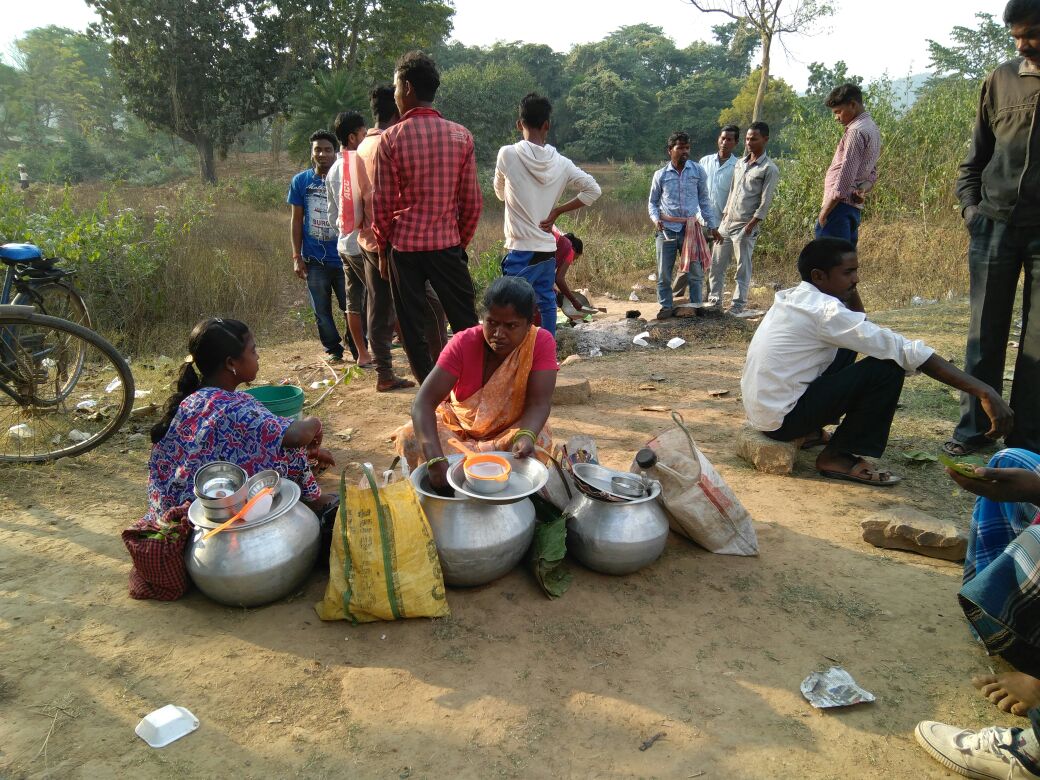
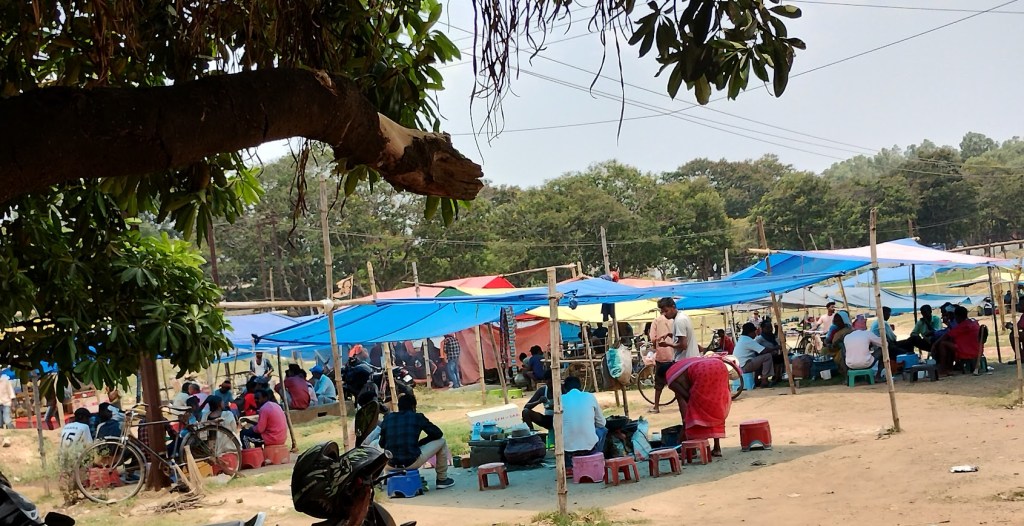
Tribal women are key players in the preparation and sale of Handia, with its production providing vital income for rural households. The beverage is often sold in local markets and roadside stalls, making it a symbol of both cultural pride and economic sustenance.
Health Benefits
Fermented foods are rich in probiotic bacteria so by consuming fermented foods you are adding beneficial bacteria and enzymes to your overall intestinal flora, increasing the health of your gut microbiome and digestive system and enhancing the immune system.
The health-beneficial effects of fermented food were first advocated as far back as 76 CE by the Roman historian Pliny, who mentioned the use of fermented milk for treating gastrointestinal infections.
Beyond its cultural significance, Handia offers potential health benefits. The fermentation process can result in the production of beneficial probiotics, which can positively impact gut health and digestion. Fermented foods, rich in probiotics, support digestive health and boost the immune system.
A Taste of Tradition
Handia’s appeal extends beyond its taste, as it embodies the heritage of India’s tribal communities, serving as a reminder of the importance of preserving traditional knowledge. With every sip, Handia connects people to the ancient rituals and stories that have shaped their history, celebrating the rich tapestry of India’s diverse culinary traditions.
The Dark Side of Tradition
While Handia has long been a cherished part of tribal culture in India, there is a growing concern about its misuse. Some individuals within tribal communities are resorting to mixing chemicals with Handia to enhance its potency or create a more intense effect. This practice poses serious health risks and threatens the cultural integrity of this traditional beverage.
Excessive consumption, particularly from a very young age and throughout the day, can indeed lead to severe health consequences, including cognitive impairment, addiction, and a shortened lifespan. The misuse of Handia not only harms individuals but also undermines the cultural significance of this traditional beverage. By mixing chemicals, individuals are diluting the cultural heritage associated with Handia and potentially damaging its reputation.
Programs focused on education, awareness, and offering healthier alternatives could help mitigate these harmful practices. By addressing these issues, we can help protect the health of individuals within tribal communities and preserve the cultural heritage of Handia.
Conclusion
Handia, a testament to a tradition that has endured for centuries, brewed with care and reverence, continues to bind communities together, celebrate life’s milestones, and offer a glimpse into the rich cultural tapestry of the country. While the challenges of modernization may threaten its existence, Handia’s enduring spirit and deep-rooted significance ensure that its legacy will continue to be cherished for generations to come.

While its illegal and risky, but yes desi fermentation is ubiquitous. In Himachal Pradesh many tribal formulas of fermentation are better than best malts available in world. Still the tribals don’t part with the secret .
LikeLiked by 1 person
If prepared properly, handia is safe, but people mix some chemicals and even urea fertilisers for quick fermentation, mass production and increased level of intoxication — that is harmful.
The tribals claim drinking handia helps to keep the body cool and avoid sunstroke. The brew is also supposed to have medicinal properties since the barks, leaves, roots etc are obtained from medicinal herbs and trees.
LikeLiked by 1 person
Pingback: Sarhul Festival – Indrosphere
Very informative post. I have seen hadia and often heard about the method of preparing it. But not in such great detail. Our tribal region in Jharkhand is so rich in tradition. Do keep sharing the glimpses of tribal life😀
LikeLiked by 1 person
Thanks Shivangi.
Rightly said, our tribal region in Jharkhand is so rich in tradition. The Kolarian tribes are believed to be one of the earliest settlers in the Indian subcontinent. Santhals, Mundas are two major Kolarian tribes and they inhabit mainly in Jharkhand and neighbouring states.
LikeLiked by 1 person
I really hope to read more on the art and culture of Kolarian tribes. It would be great if you could write a post on that😀😀😀
LikeLiked by 1 person
Thanks Shivangi for your appreciation. I like their heritage. I have a few posts: http://wp.me/p10bZs-559, http://wp.me/p10bZs-46H, http://wp.me/p10bZs-bw, http://wp.me/s10bZs-karma. May I ask you for some stories on Saraikela. I had been there 2/3 times when I was in Jamshedpur.
LikeLiked by 1 person
I am from the Palamau area but probably my father would know about the royal family. I do not know much. Thanks a lot for sharing the links. I will relish it at leisure😀
LikeLiked by 1 person
Pingback: Karma Puja – Indrosphere
Thanks for this informative post. I haven’t heard about it before
LikeLiked by 1 person
দারুন লিখেছিস। হ্যাটস অফ টু ইউ। এত ইনফরমেশান যোগাড় করে লেখা, তুইই পারিস!!
Very informative and well written, Indro. Hats off to you for gathering up and presenting in such a nice way. Keep it up Bro.
LikeLiked by 1 person
Thanks Aro for your encouraging words.
LikeLike
Interesting to hear about the history of fermented food. I had no idea that it originated in India.
LikeLiked by 1 person
Wonderful piece .. thanks for sharing
LikeLiked by 1 person
Thanks Nivedita.
LikeLiked by 1 person
You are welcome 🙂
LikeLiked by 1 person
Pingback: All Assam Gowala Jati Unity
Karib 30 sal pahle jab mai Ranchi me tha ,Mera pet kharab rahta tha kuch bhi pachta nahi tha tab ek adiwasi lady ne mere ghar me Hadia bana ke mujhe ek ek glass 3 din pilaya ,aur uske baad aaj tak mujhe koi pet ka trouble nahi hua.
LikeLiked by 1 person
Thanks for sharing your experience. 🙏
LikeLike
I enjoyed reaading this
LikeLiked by 1 person
Thanks, Ian.
LikeLike
Pingback: RICE LIQUOR, NICE LIQUOR | enthucutlet | Food Mag India | Official website of enthucutlet India
One article has claimed that alcohol content in Handia is very low (1.21± 0.98%). But, imagine what would happen in long run if (i) Tribal children (boys and girls) as young as 3 years start consuming it, (ii) Adolescents, grown-ups and aged persons start consuming from daybreak till late night several times daily, (iii) consumption is not accompanied by solid food, (iv) Handia is treated as a substitute for breakfast or lunch or dinner.
So, please avoid glamorizing handia. It has caused enough damage to tribal communities including slowing down their nervous system and brain. Those habitual drinkers of handia should be studied for their behaviour patterns. One thing is clear- those people’s life span is hardly 50 to 55 years because handia has made them addicted.
LikeLike
Thank you for raising this important issue about Handia. It is essential to acknowledge the deep cultural roots and historical significance of Handia within tribal communities. For centuries, Handia has been a traditional beverage, especially during festivals and communal gatherings, symbolizing unity and celebration. However, while celebrating its cultural relevance, we must also address the growing concerns surrounding its misuse.
Excessive consumption, particularly from a very young age and throughout the day, can indeed lead to severe health consequences, including cognitive impairment, addiction, and a shortened lifespan. Furthermore, the modern trend of enhancing Handia’s potency by mixing it with chemicals poses an even greater risk to the well-being of tribal communities. This not only undermines the traditional preparation methods but also exposes people to dangerous side effects.
Rather than glamorizing the drink, it is essential to initiate conversations around responsible consumption and tackle the socio-health issues stemming from abuse. Programs focused on education, awareness, and offering healthier alternatives could help mitigate these harmful practices. Additionally, it would be valuable to study the long-term effects on habitual Handia drinkers to gain insights into behavioral patterns and health outcomes. Highlighting the culture and history of Handia should go hand in hand with addressing these challenges to protect the community’s health and heritage.
LikeLike