
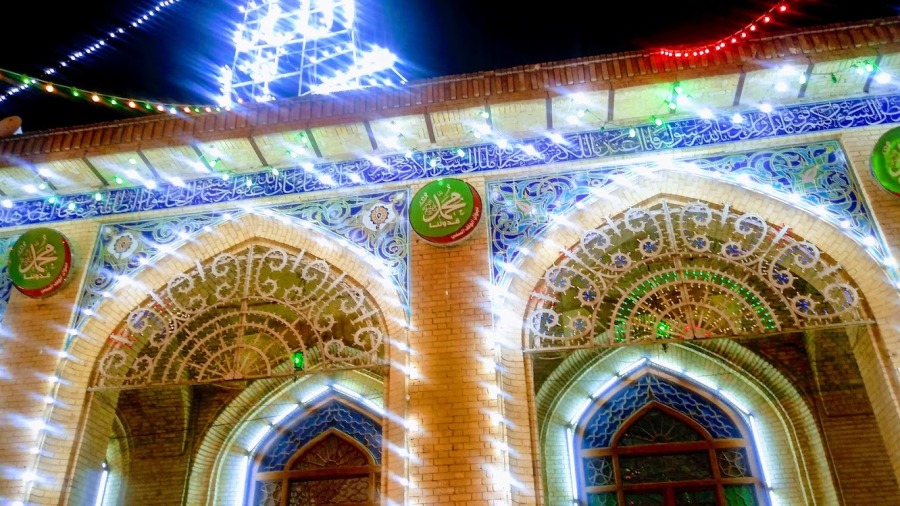
In Baghdad’s al-Adhamiyah district, along the serene banks of the Tigris, stands the Abu Hanifa Mosque—a monument not only of stone and tile but of scholarship, spirit, and enduring devotion. Visiting it is less a sightseeing stop and more a journey into the heart of Islamic heritage.
Stepping Into Legacy
Named after Abu Hanifa an-Nu’man (c. 699–767 CE), founder of the Hanafi school of Islamic jurisprudence, the mosque is a living tribute to a scholar who chose principle over power. Despite being offered the prestigious post of Chief Judge under the Abbasid Caliphate, Abu Hanifa remained steadfast to his convictions—a choice that led to imprisonment and ultimately his death. Yet his legacy continues to guide millions across the Islamic world.


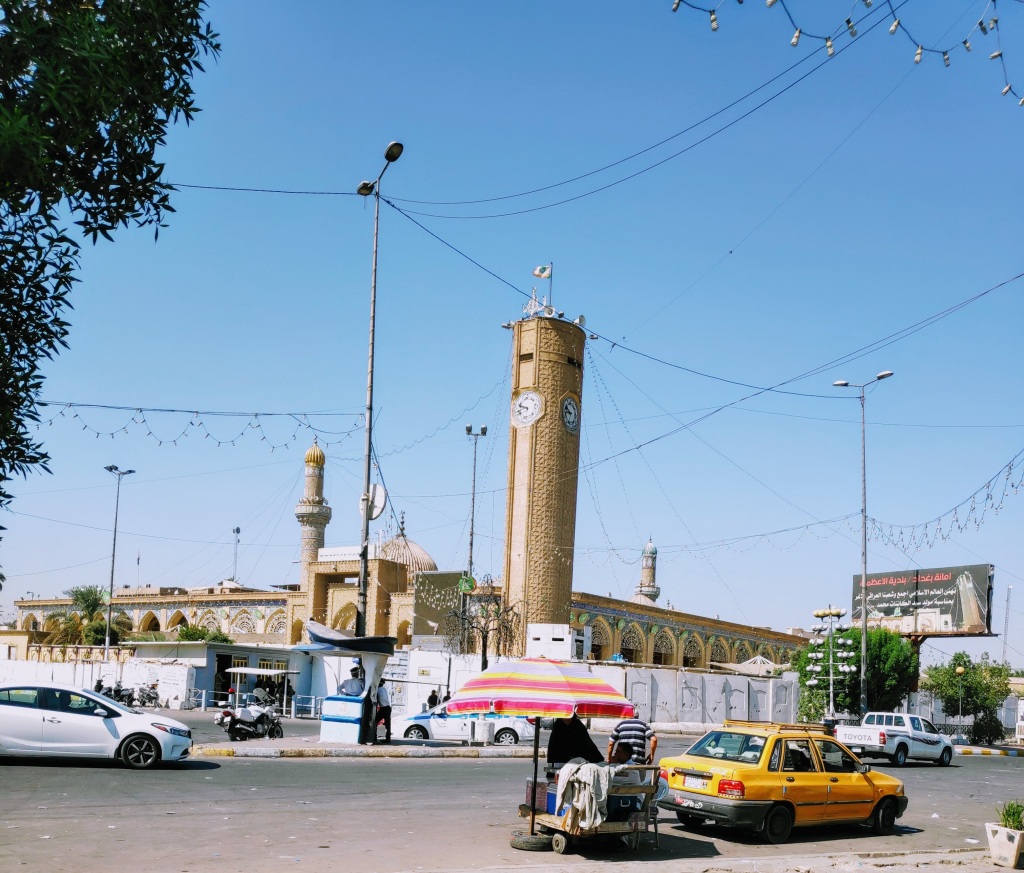
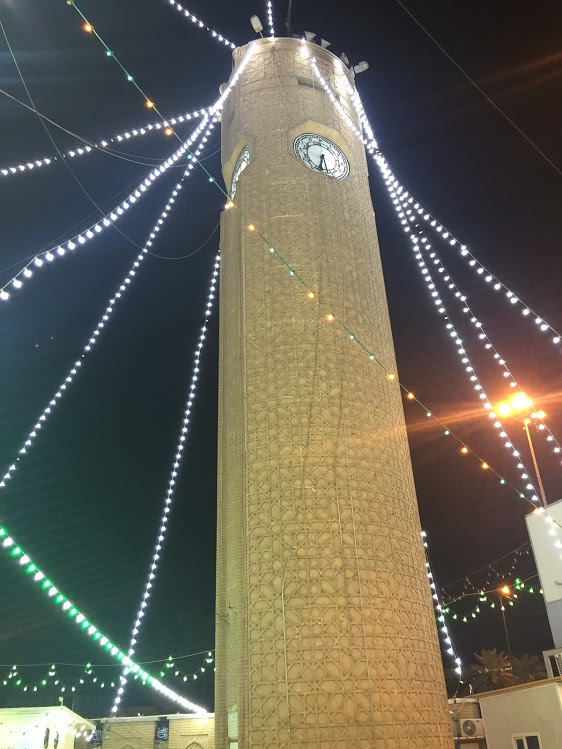
Architectural Grace
The mosque’s architecture is a visual symphony of devotion. Blue-tiled calligraphy of Quranic verses dances across the walls, while grand columns and Moroccan-inspired motifs lend the space a quiet majesty. The prayer hall, clad in Jordanian marble, radiates serenity—a place where silence speaks and contemplation deepens.
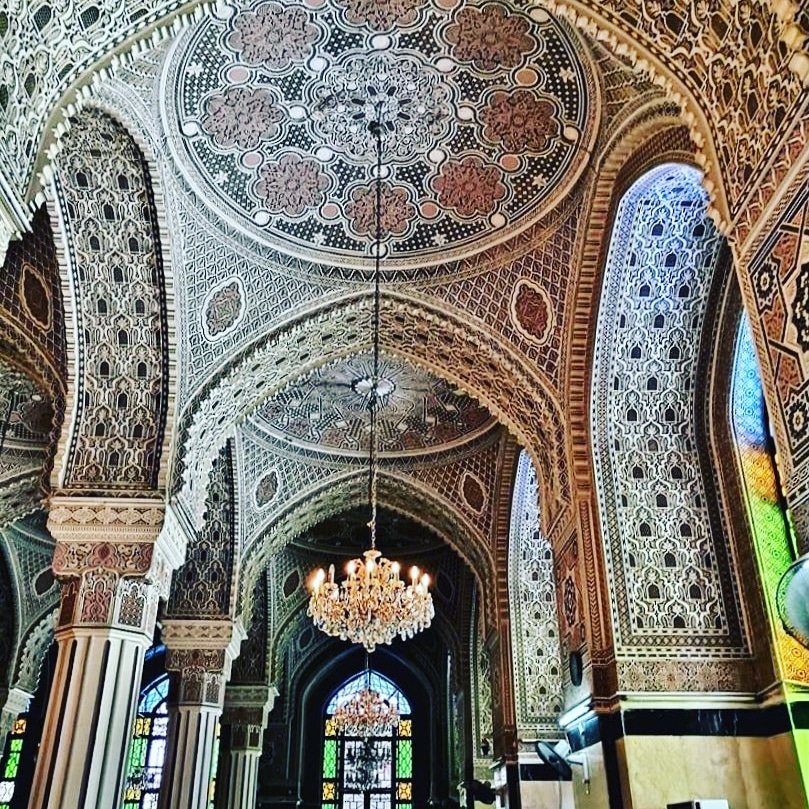
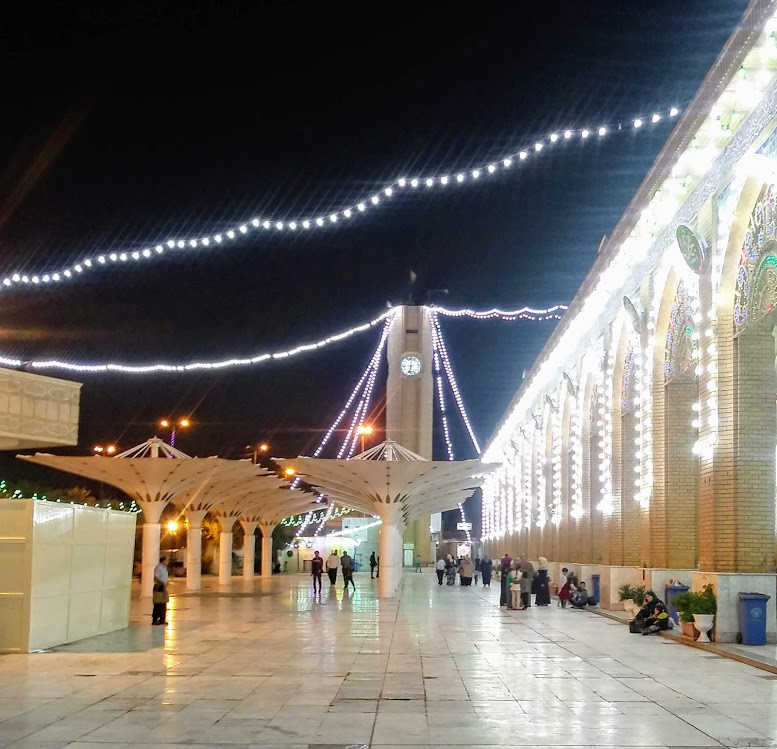
Above it all, the dome—commissioned by Sultan Murad IV in 1638—crowns the structure. Its elegant lines and intricate artistry lift the gaze heavenward, reminding worshippers that devotion is both earthly and transcendent.
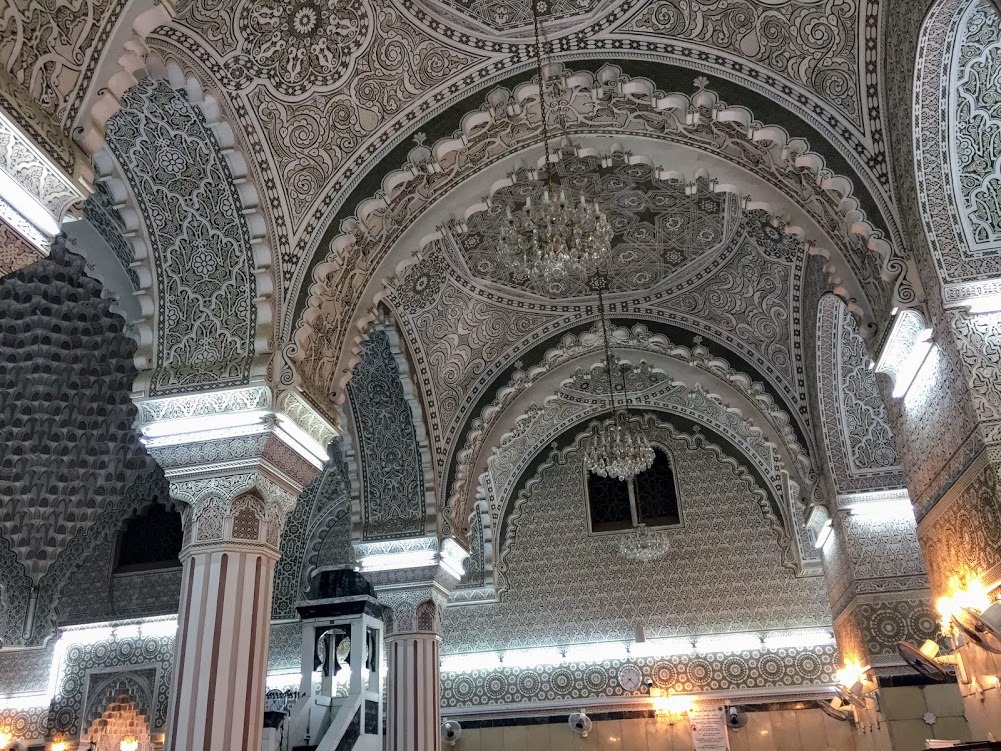
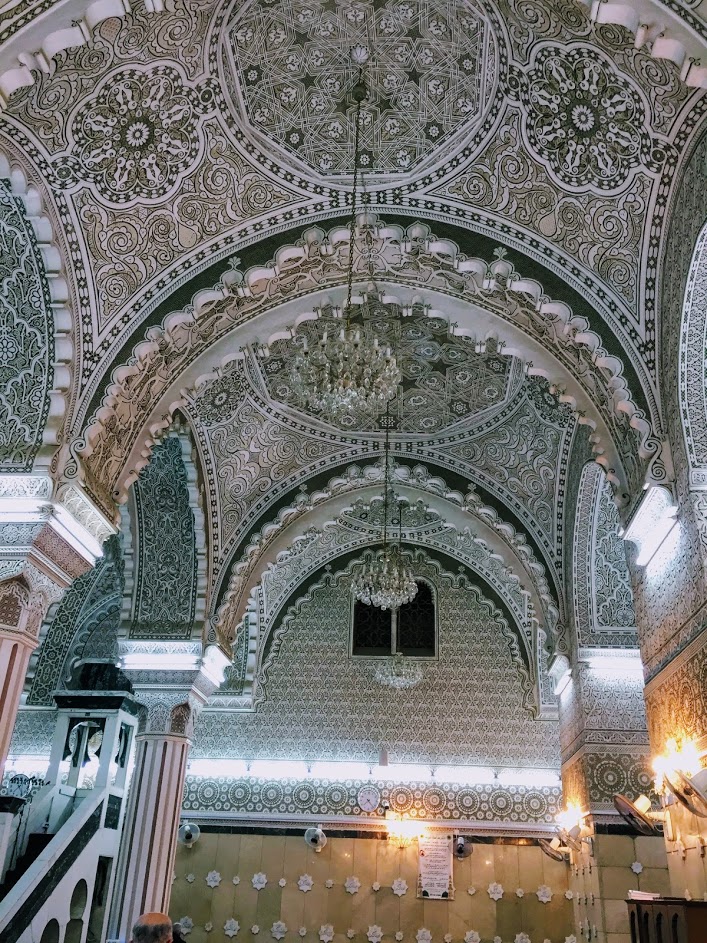
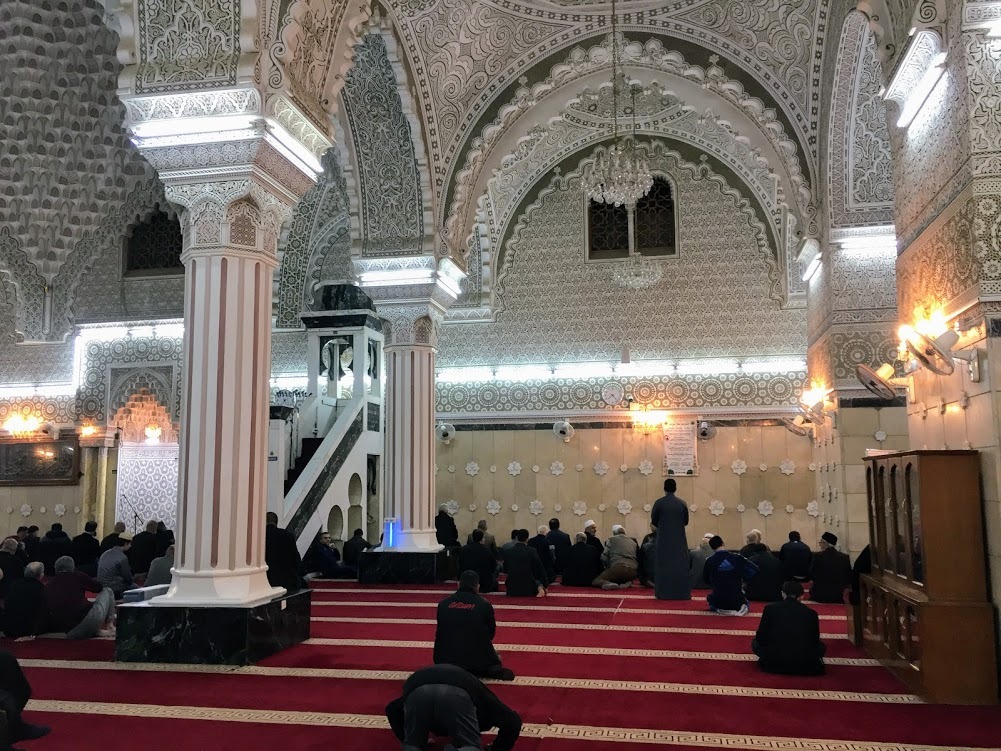
A Moment of Stillness
During afternoon prayers, I paused outside the main hall, letting the rhythm of worship settle around me. A kind caretaker then guided me to Abu Hanifa’s tomb behind the hall. Encased in a wooden shrine with silver latticework, the tomb is humble but profoundly moving—a silent testament to centuries of wisdom. As I offered my respects, the caretaker’s words, “Ziarat Maqbool!”—blessing an accepted pilgrimage—echoed in my mind long after I left.
Flavours of Baghdad
No journey is complete without sampling the local flavors. Across the street from the shrine, a small eatery welcomed us with sizzling kebabs, tender tandoori chicken, crisp salads, and refreshing buttermilk.
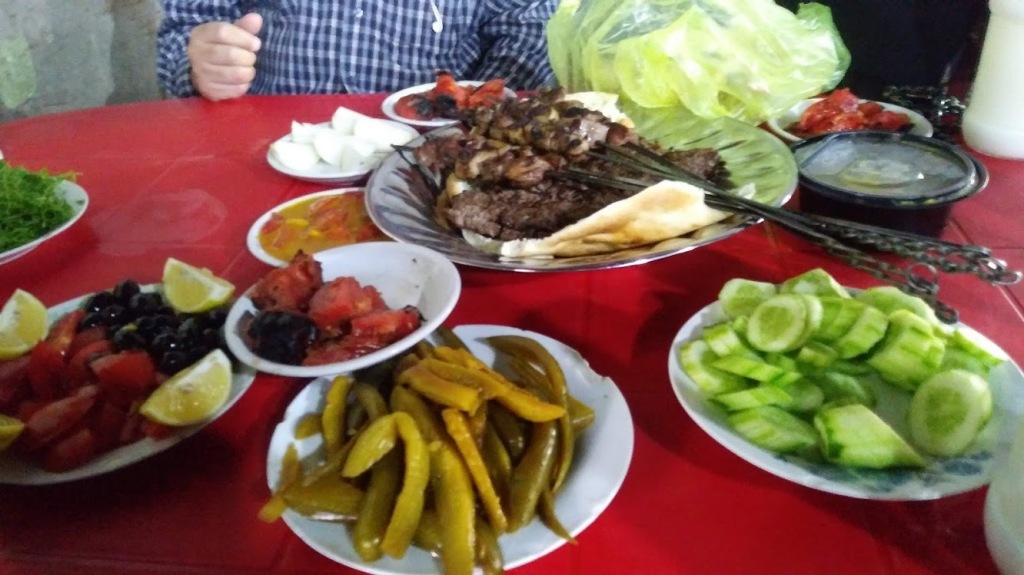
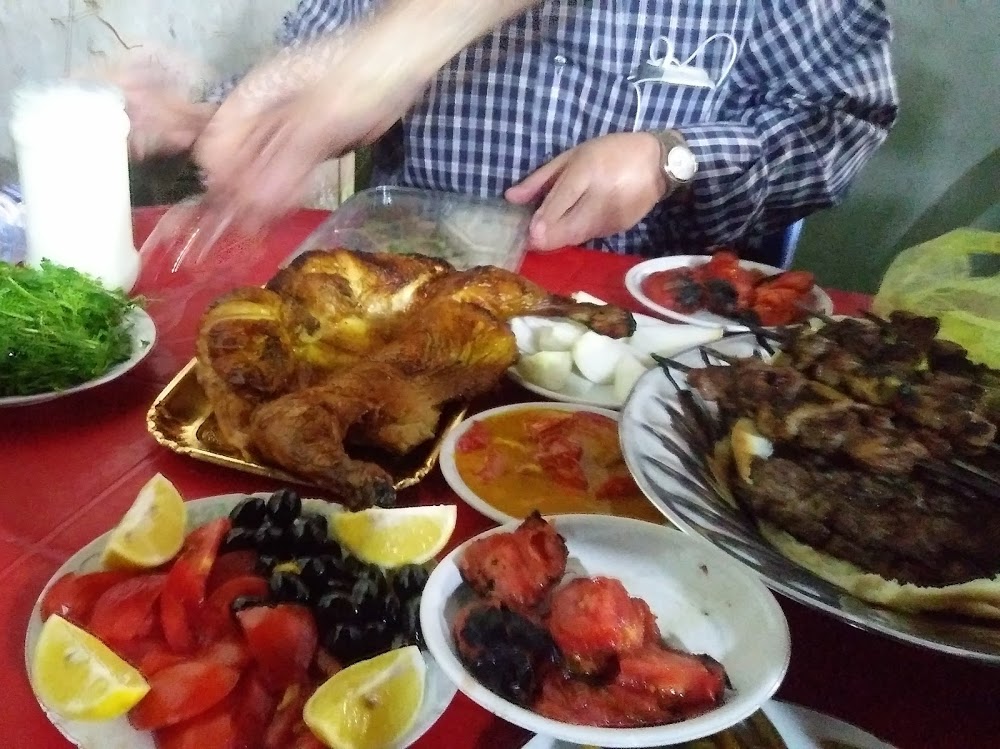
We ended with chai istikan, poured into tiny glasses that somehow held more than tea—they held warmth, stories, and the city’s soul.

A Living Tradition
The Abu Hanifa Mosque is more than a historic site. It is a living tradition, where past and present converse in prayer, reflection, and quiet reverence. Visiting it reminds one that knowledge, faith, and heritage are timeless—and that history is not just to be preserved, but experienced.
Step inside, breathe the centuries, touch the echoes of devotion—and when you return to the bustling streets, follow the aroma of kebabs and fried catfish. There, in the simple joys of Baghdad’s cuisine, you taste the city itself: rich, enduring, and full of life.

Came across your blog. Chuckled and thought would drop you a note. Liked the name of your blog.
I am relatively new to blogging. Love it when I come across blog life that of yours.
I am just 3 posts old and working on a series as of now. Would be please if you visit my blog. You would have figured out the name of my blog by now the the reason I chuckled. ☺
LikeLiked by 1 person
You have a nice blog, Hema. I also started following your blog. Keep blogging…
LikeLike
Thank you, Indrajit. Look forward to read your work.
LikeLiked by 1 person
Magnificent is the word! Lovely!!
LikeLiked by 1 person
👍👍 Thanks.
LikeLiked by 1 person
Such a charming and stunning mosque which I would love to visit one day, Indrajit! Is there a dress code I should be aware off when going there?
LikeLiked by 1 person
Thanks for dropping by.
I am not sure Agness but based on my experience I may say that women should have all skin covered while entering the shrine/mosque — wearing ankle-length dress. Sleeves should reach to each wrist and the hair should be covered by a headscarf.
LikeLike
Very graceful mosque in the memory of Abu Hanifa. The floral motifs and geometric patterns on the tomb are beautiful. I looked for the meaning of minbar. At the first glance, I read it as minibar and that got me confused.
LikeLiked by 1 person
Honestly, when I read minbar for the first time, I also took a second look at the word. 🙂
LikeLiked by 1 person
🙂
LikeLiked by 1 person
beautiful ❤
LikeLiked by 1 person
Thanks.
LikeLike
Pingback: Al-Kadhimiya Mosque, Baghdad – Indrosphere
Great to know the history. It’s also a good thing that people following other religions are also allowed in the mosque.
LikeLiked by 1 person
Yes, there is no such restriction at these shrines.
LikeLiked by 1 person
ভাল। অনেক ধর্মীয় স্থানে এরকম থাকে, ব্যাপারটা বেশ খারাপ লাগে।
LikeLiked by 1 person
👍🏼
LikeLike
Hi Indrajit, very well-written account of your journey, was very interesting to read. Do you have similar write-ups on places you visited in South Asia? Would be happy to share them. Thanks and keep writing, Cheers
LikeLiked by 1 person
Thanks. You may read my other posts.
LikeLike
🙂
LikeLike
pls do follow our page http://www.southasiafasttrack.com
LikeLiked by 1 person
Impressive. Also, I think it is important for such individual perspectives, like yours here, to be seen and heard, rather than just one common “official” narrative.
LikeLiked by 1 person
Thanks, sir.
LikeLike