
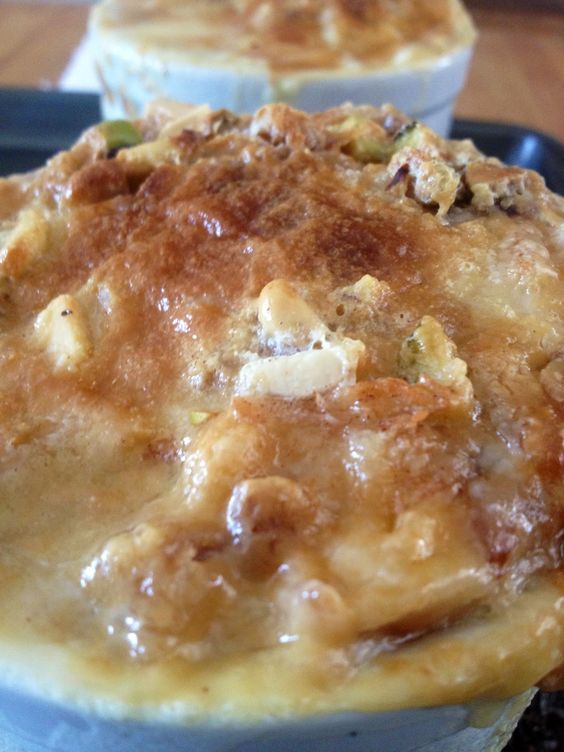
Have you ever wondered how a simple dessert can carry centuries of history, intrigue, and emotion in every bite? The dessert we’re about to explore—Umm Ali—does just that. This creamy, nutty bread pudding is not only the national dessert of Egypt, but it also comes with a dark tale that blends royalty, betrayal, and a dash of revenge.
What is Umm Ali?
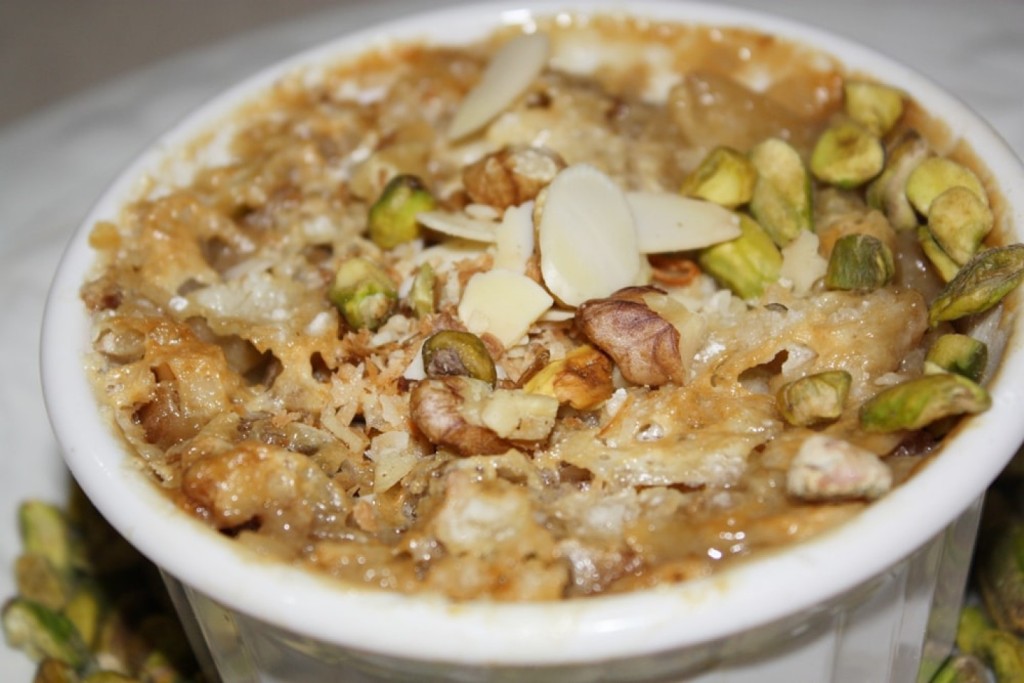
At its core, Umm Ali is a comforting bread pudding. Imagine layers of crispy phyllo dough drenched in sweetened milk, cream, and topped with a sprinkling of nuts. It’s the perfect marriage of textures: soft and rich on the inside, with a golden, crispy top. It’s often decorated with pistachios, almonds, or a combination of both, though some recipes may throw in raisins, shredded coconut, or a touch of cinnamon. Whether you’re eating it after a festive meal or simply craving something sweet, Umm Ali is a decadent treat.
One of its most remarkable qualities is its versatility. The basic recipe can be tweaked to accommodate personal preferences or regional variations, but it’s the dish’s inherent sweetness and comforting creaminess that remain constant. Some serve it warm, others cold. Either way, it’s always a crowd-pleaser, perfect for family gatherings, weddings, or celebrations like Ramadan.
The Dark History Behind Umm Ali
Now, let’s dive into the legend that gave this dessert its name—and its rich historical significance. The origins of Umm Ali are rooted in the tumultuous times of the 13th century, during Egypt’s Mamluk era (1250–1517 CE). To truly understand the birth of this beloved dish, we must first take a look at the complex relationships and power struggles of the time.
The story goes back to the Egyptian Mamluk era (1250-1517 CE), before the Ottomans ruled Egypt. As-Salih Ayyub (1205-1249 CE) of the Ayyubid dynasty, the Sultan of Egypt, purchased Shajar al-Durr as a bondmaid, who would become one of the most famous women in Egyptian history. Shajar al-Durr, a strikingly intelligent and capable woman, eventually bore a son, Khalil, and upon the Sultan’s death, she defied the norms of the time and took command, becoming the Sultan of Egypt.
In a rare turn of events, Shajar al-Durr didn’t simply mourn her husband’s death—she led Egypt to victory against the Crusaders. Her fierce leadership during this turbulent period made her a powerful figure in a time when women were rarely allowed such authority.
Shajar al-Durr decided to conceal his death and led the country and army with Turanshah, the commander-in-chief, and defeated the Crusader forces. Shajar al-Durr gained power among the Mamluks who supported her as a Sultan, and to remain powerful, they conspired to assassinate Turanshah to appoint Izz Al-Din Aybak as Commander-in-chief.
Shajar al-Durr’s rule was not without conflict. As a woman in a patriarchal society, she had to constantly prove her legitimacy to her male peers, who were less than thrilled about being led by a woman. Her need for control led her to marry Izz al-Din Aybak, a powerful warrior, hoping to strengthen her position while passing some authority to him.
However, her marriage to Aybak didn’t bring the peace she hoped for. In fact, it only fueled more discord. Aybak, driven by ambition and thirst for power, sought to expand his control. His quest for more led him to attempt marrying another powerful woman, pushing Shajar al-Durr to the brink of jealousy and rage. In a fit of fury, she ordered his assassination, hoping to retain her power. But her actions didn’t go unpunished.
Enter Umm Ali, Aybak’s first wife. After his death, she was consumed with vengeance. Determined to avenge her husband, Umm Ali conspired to take down Shajar al-Durr. Her opportunity came when the 15-year-old son of Aybak, al-Mansur Ali, was crowned Sultan. Umm Ali, with the help of her loyal servants, had Shajar al-Durr killed in a brutal and humiliating manner. The story goes that Shajar al-Durr was beaten to death with wooden slippers, and her body was later found abandoned outside the Citadel.
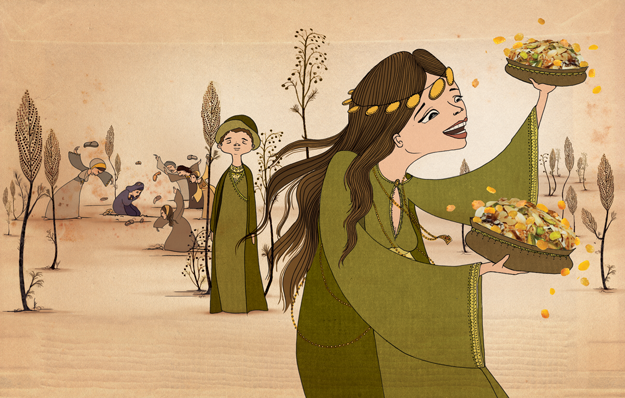
But the story doesn’t end there. In what can only be described as a macabre display of triumph, Umm Ali ordered the creation of a new dessert to celebrate Shajar al-Durr’s death. The dessert, made from bread, nuts, honey, coconut, and hot milk, would symbolise not just the fall of her rival but her claim to the throne through her son. To add a further layer of grandeur, Umm Ali had gold coins placed in every bowl of the dessert, and the dish was distributed throughout the land. The dessert became known as “Umm Ali”—”Ali’s Mother”—honouring the woman who had orchestrated the entire sequence of events.
Umm Ali: A Tradition Lives On
Since that fateful day, Umm Ali has become a cherished dessert throughout the Middle East. Its humble beginnings have evolved into a dish of celebration, often served at weddings, Ramadan feasts, and major holidays. Despite its origins being tied to bloodshed and vengeance, the dessert has managed to transcend its dark roots to become a symbol of warmth and hospitality.
In Egypt, the dish is beloved and has taken on a life of its own, with many families passing down their own variations of the recipe through generations. From the streets of Cairo to the homes of Lebanon, Baghdad, and beyond, Umm Ali is a symbol of the region’s culinary heritage.
Umm Ali Today: A Global Favourite
In recent years, Umm Ali has gained recognition outside the Middle East, becoming a popular dish in international Middle Eastern restaurants. It’s also found in homes across the world, from Europe to the United States, thanks to the global diaspora of Middle Eastern communities.
Whether you’re sitting in a cosy Cairo café or a bustling restaurant in New York, the dish continues to evoke the same sense of comfort, indulgence, and celebration it did centuries ago. In a world where food carries the weight of history, Umm Ali is more than just a dessert—it’s a reminder of the power struggles, alliances, and betrayals that shaped the region’s past.
So, the next time you indulge in a warm bowl of Umm Ali, remember: you’re not just tasting a dessert. You’re tasting history—a rich blend of tradition, triumph, and, yes, a little bit of revenge.

Nice to receive your write up….r u now back in Baghdad?
LikeLiked by 1 person
Yes, I am now in Baghdad.
LikeLike
Very interesting story, Indrajit, haven’t heard about it so far.
LikeLiked by 1 person
Yes Swamiji, I couldn’t think that there could be such a gory story behind such a delicious dessert.
LikeLike
The Shahi Tukra made in the subcontinent seems to be a distant (and poorer) cousin of Om Ali. 😀😀
LikeLiked by 1 person
Yes Aro, both are bread puddings. Shahi Tukra, originating from India, and Umm Ali, a popular Middle Eastern dessert, share similarities but also have distinct differences. Both desserts involve bread soaked in a sweet, milky syrup and are topped with nuts and raisins. However, Shahi Tukra typically uses fried bread, while Umm Ali uses baked or toasted bread. Additionally, Shahi Tukra is often flavored with cardamom and saffron, whereas Umm Ali may include other spices such as cinnamon and nutmeg.
LikeLike
Such a surprising story! I can’t think that behind a delicious food, there can be a death story. Thank you for sharing… 😃 🙏
LikeLiked by 1 person
Thanks, Tanusri. This reaffirms that the world is really strange!
LikeLike
This is such a gruesome story. The sweet dish seemed to be so tempting but the story behind it actually marred the drooling effect. 😀 Thanks for sharing this intriguing story.
LikeLiked by 1 person
I love Um Ali. Very tasty. Thanks for reminding me to do again.
LikeLiked by 1 person
Very very interesting and one of the best posts I’ve read so far 😻 keep writing more amazing things for us 😍
LikeLiked by 1 person
Thanks, Zarbakht.
LikeLiked by 1 person
Your writing about Umm Ali was absolutely fascinating! The way you intertwined its dark historical origins with its present-day global popularity made for a compelling read. It’s incredible how a dessert born from such a dramatic past has transformed into a beloved tradition that continues to be enjoyed worldwide.
The story of Shajar al-Durr is truly intriguing—her rise to power, the conflicts she faced, and the tragic end she met. It’s remarkable how history finds its way into food, turning something as simple as a dessert into a symbol of legacy and resilience.
I appreciate how you captured both the richness of Umm Ali’s flavors and the depth of its history. Now, I’m even more eager to try it and experience this legendary dish firsthand!
Looking forward to more of your wonderful stories.
LikeLiked by 1 person
Thank you so much for your thoughtful words! I’m really glad you enjoyed the piece on Umm Ali. It’s fascinating how food can carry such powerful stories through time, isn’t it? The way this dessert has evolved from the dramatic history of Shajar al-Durr & Umm Ali to its place in kitchens worldwide is a testament to the resilience of culture and tradition.
I agree, history has a way of weaving itself into what we eat, and it’s beautiful how something like Umm Ali can be a symbol of strength and legacy. I’m thrilled that it sparked your interest, and I hope when you try it, you’ll taste not just the richness of the flavors but also the layers of history behind it.
LikeLike