

Odisha, an Eastern state of India, is a land where breathtaking landscapes intertwine with magnificent temples and serene lakes. On my recent spiritual journey through this enchanting state, I had the privilege of exploring some of its most renowned sacred sites, including the iconic Sun Temple at Konark and the revered Jagannath Temple at Puri. But one of the most profound experiences awaited me in Bhubaneswar, the capital city, at the ancient Mukteshvara Mandir.
A Journey Through Time at Lingaraj Temple
Our adventure began with a visit to the Udayagiri and Khandagiri caves, marvelling at their historical significance and natural beauty. From there, we made our way to the 11th-century Lingaraj Temple, a towering testament to Lord Shiva’s glory. After offering our prayers and soaking in the spiritual ambiance, we headed towards the Mukteshvara Temple, eager to uncover its hidden treasures.

Unveiling Mukteshvara Temple
Nestled in the heart of Bhubaneswar, the Mukteshvara Temple is a regal monument dating back to the 9th-10th century CE. The name “Mukteshvara” combines “Mukti,” meaning liberation, and “Ishvara,” meaning Lord. This temple, dedicated to Lord Shiva, symbolizes the divine grantor of liberation.
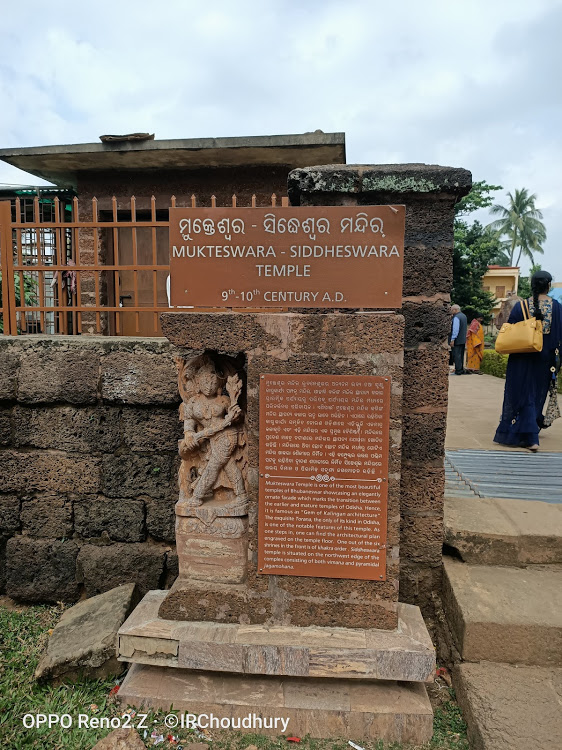
Architectural Marvels in Sandstone
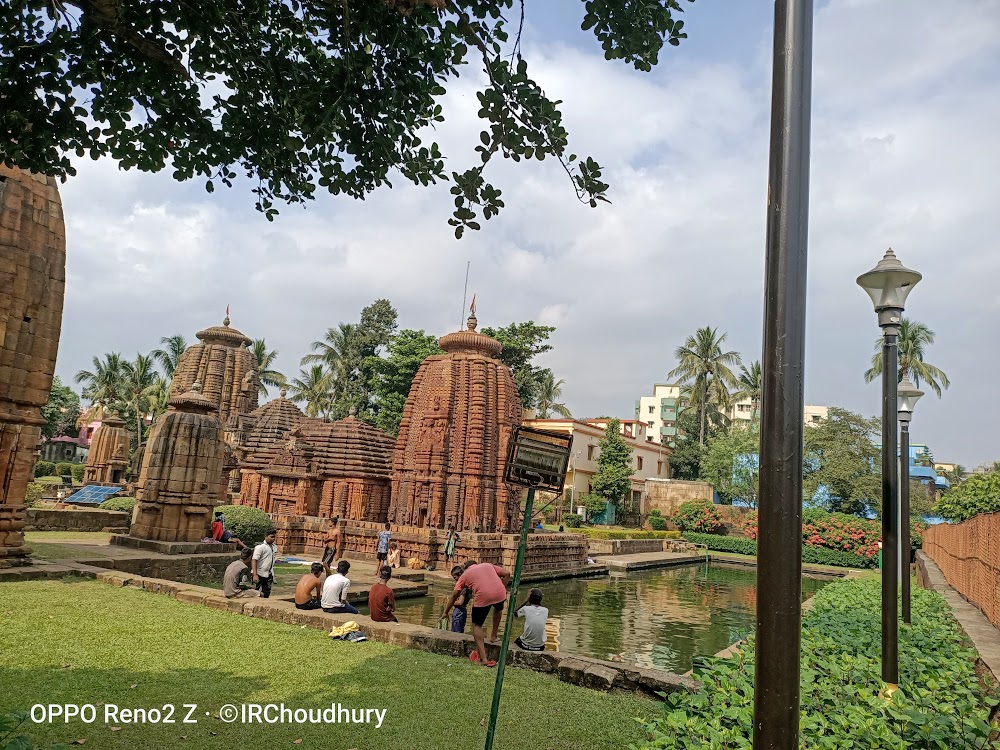
Mukteshvara Temple is a dream realized in sandstone, where sculpture and architecture harmoniously coexist. Despite its relatively modest height of 35 feet, the temple’s intricate carvings and architectural brilliance make it a standout masterpiece. The temple’s design marks a transition in the Kalinga School of Temple Architecture, blending early and later styles with remarkable finesse.
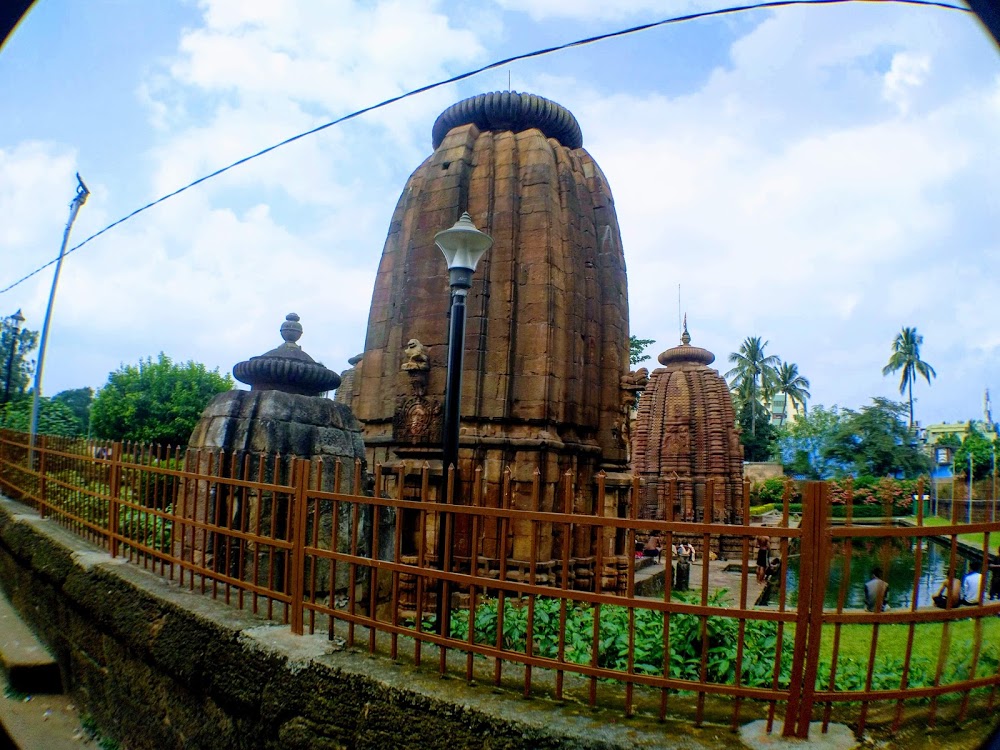
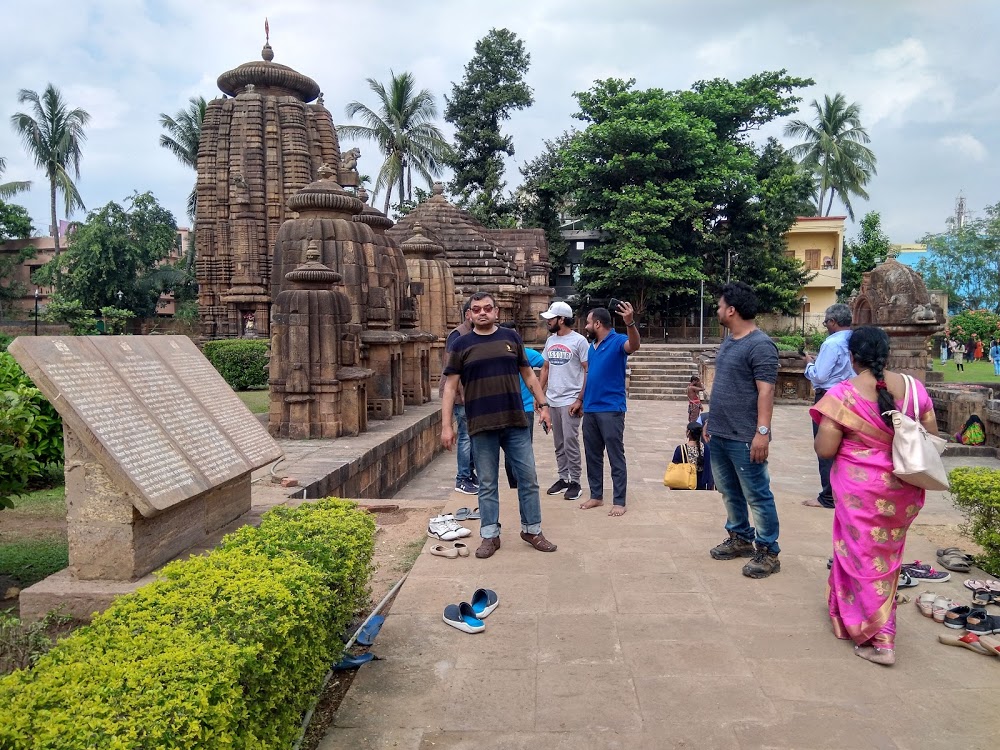
The stylistic development of the Mukteshvara marks the culmination of all earlier developments, and initiates a period of experiment which continues for an entire century, as seen in such temples as the Rajarani Temple and Lingaraj temple, both located in Bhubaneswar.
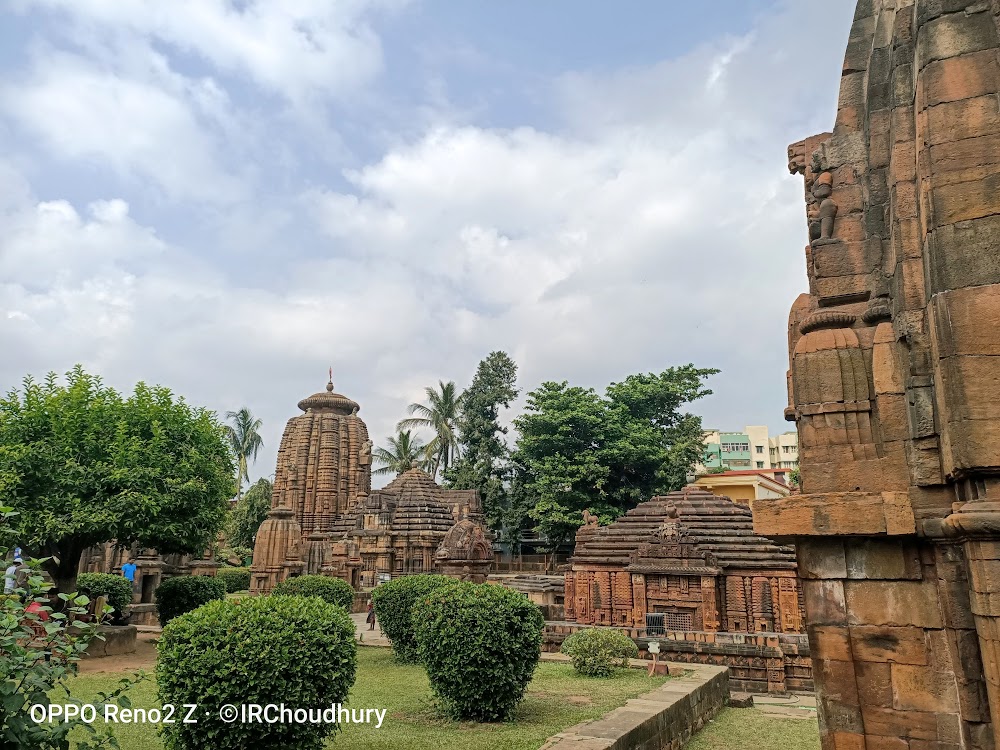
Historical Echoes
Believed to be built by Yayati I of the Somavamshi Dynasty, the west-facing structure reflects significant stylistic evolution. The main sanctum houses a lingam, surrounded by smaller shrines dedicated to various Hindu deities, creating a sacred haven of devotion.
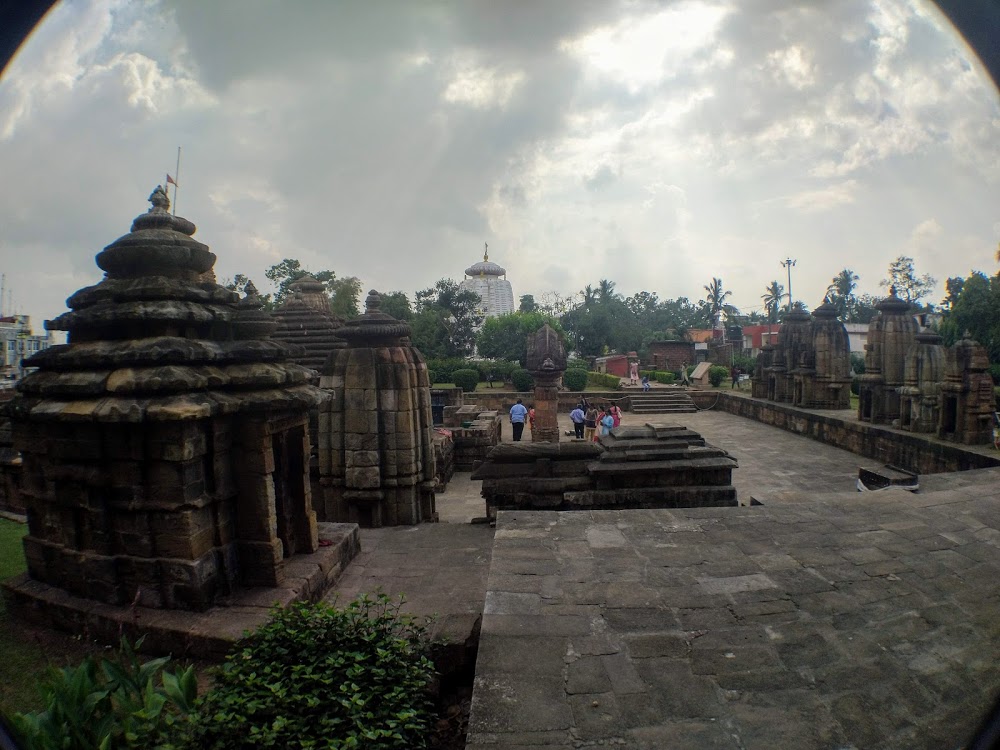
The main sanctum of the temple houses a lingam, the phallic form symbolizing Lord Shiva. The lingam is surrounded by several smaller shrines dedicated to various Hindu deities such as Lord Ganesh, Goddess Parvati, Lord Kartikeya, and others.
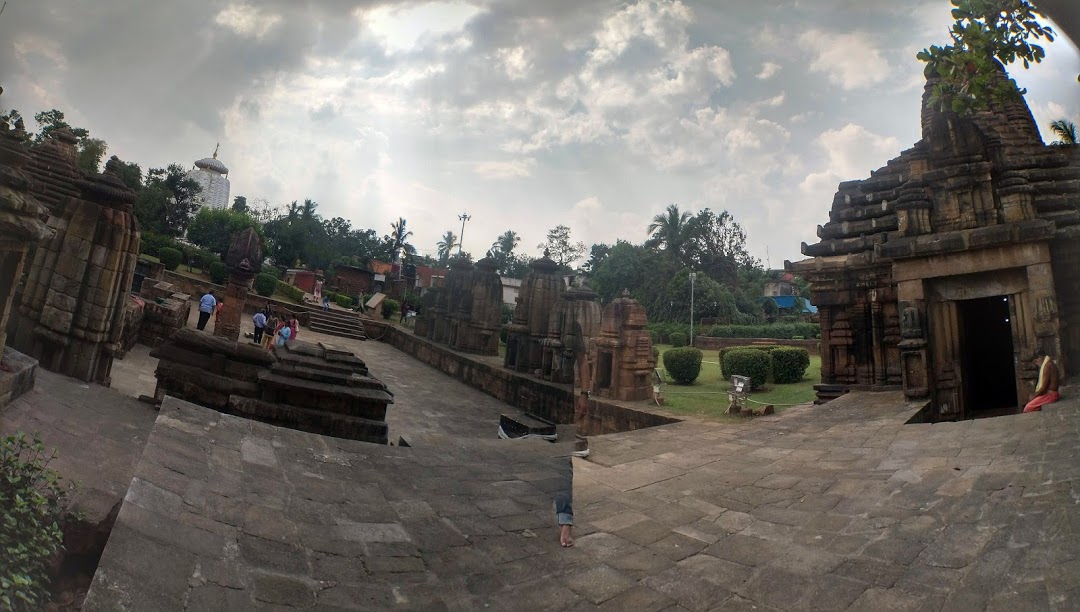
The pyramidal roof of the temple’s Jagamohana or the assembly hall, is the first of its kind. Everything about the temple, that is its sanctum, the temple plan, and the porch, reflect top-class architectural brilliance.
The Mesmerizing Torana
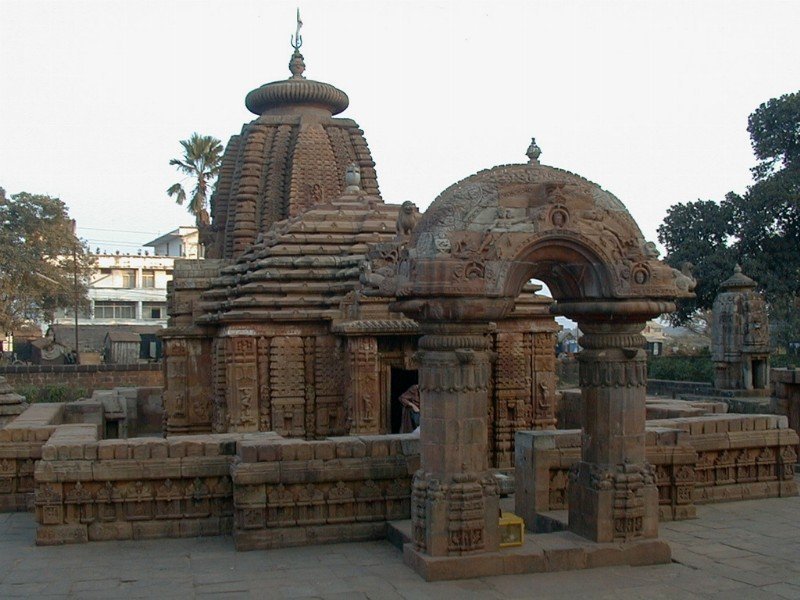
One of Mukteshvara Temple’s most striking features is its torana, or arched gateway. This elaborately decorated arch, adorned with carvings of elephants, lions, and intricate designs, showcases influences from Buddhist architecture. The temple’s mandapa, or assembly hall, is a serene space where devotees gather to offer their prayers.
A Unique Cultural Blend
The Mukteshvara Temple is often referred to as the “Gem of Kalinga Architecture” and the “harbinger of the new culture.” Its elaborate carvings and architectural elegance reflect a unique blend of artistic traditions, making it a symbol of cultural and spiritual fusion.
Sacred Waters
In the temple’s eastern part lies a holy well, believed to cure infertility. This feature adds another layer of mystique to the temple, drawing devotees seeking blessings and healing.
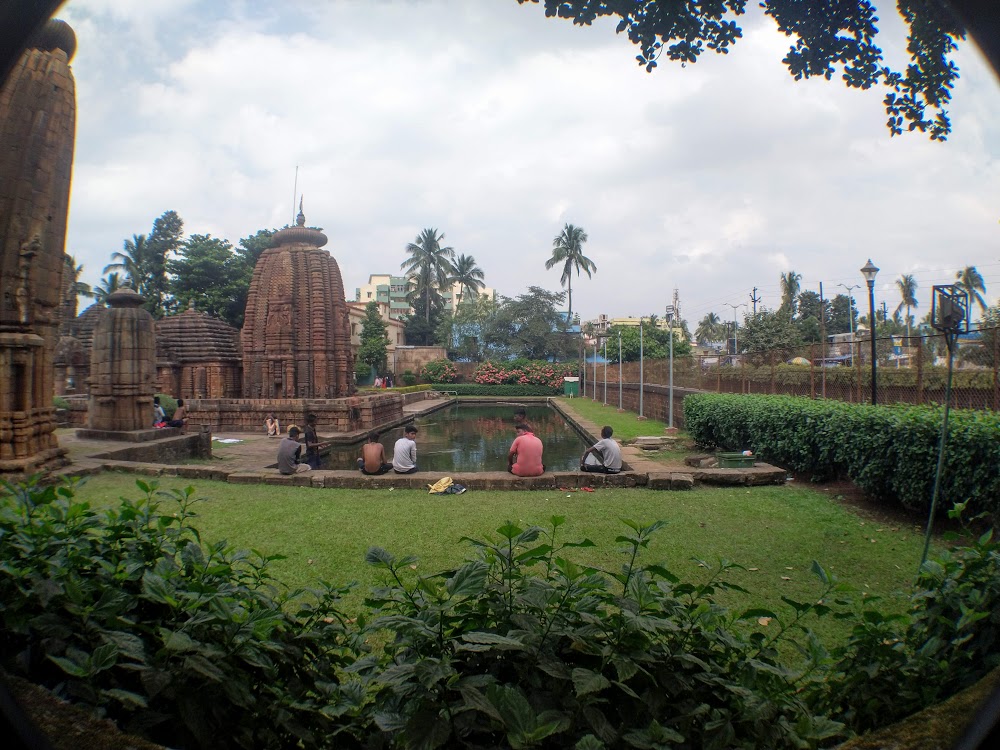
Mukteshwara Utsav: A Celebration of Devotion
Each year, the Mukteshwara Temple comes alive with the vibrant Mukteshwara Utsav. Celebrated in January or February, the festival attracts devotees from across the country. The temple is adorned with lights and flowers, and cultural programs fill the air with joy and reverence.
A Serene Respite
Beyond its religious significance, the Mukteshwar Temple offers a peaceful escape from the city’s hustle and bustle. Surrounded by lush greenery, the temple provides a serene environment where visitors can reflect and rejuvenate.
A Must-Visit Destination
Mukteshwar Temple is a must-visit destination for anyone exploring Bhubaneswar. Its exquisite architecture, intricate carvings, and tranquil ambience make it a truly unique and special place. My visit to this sacred site was a journey into the heart of Odisha’s spiritual heritage, leaving me with a profound sense of peace and awe.
As I left Mukteshvara Temple, I carried with me not just memories of its architectural splendour, but a deeper connection to the timeless spirituality that defines this enchanting land.

Nice!
LikeLiked by 1 person
What is missing is the closeup snaps of the carvings that enamored you so much.
After this, a visit to Bhubaneswar seems a necessity.
LikeLiked by 1 person
I told you let’s go together. 😉
LikeLike
Hahahahaha… 😁😁
LikeLiked by 1 person
Informative n exilent images
LikeLike
Nice details!
LikeLike
A blog related to travelogues.
Would prefer it b4 going any similar places
LikeLiked by 1 person
Temples like these make Bhubaneswar the temple city and are indicative of the vibrant spiritual tradition of Odisha. Even though many temples have been totally destroyed, fortunately such temples have some how survived the ravages of time and history.
LikeLiked by 1 person