
Ranchi, my vibrant hometown nestled in the heart of Jharkhand, is more than just a bustling city. It’s a launchpad, a gateway leading to some of India’s most captivating natural landscapes. This time, during a recent visit home, my son Judhajit and I felt the familiar tug of the wild. After a brief deliberation, the decision was made: Betla National Park, a cherished memory from our childhood, would be our escape.
Just a comfortable drive of around 170 kilometers from Ranchi lies this enchanting haven, a relatively off-the-beaten-path destination that promises a truly immersive experience with nature and its magnificent inhabitants. I vaguely remembered a family trip to Betla in the late 90s, when Judhajit was still in primary school. Now, decades later, we were drawn back to rediscover its magic.
Betla National Park, tucked away in the Latehar district, might not be the first name that springs to mind when you think of Indian wildlife sanctuaries. Yet, this hidden gem, also known as the Palamau Tiger Reserve, holds a significant place in conservation history. It was among the first nine tiger reserves established in India at the inception of ‘Project Tiger’ in 1973, and remains the only one in Jharkhand. This pioneering initiative aimed to safeguard the endangered Bengal tiger and its precious habitat.
Stepping into Betla is like entering a different realm. The park falls within the Indo-Malayan biogeographic realm, boasting a remarkable diversity of flora and fauna. It’s a land where majestic predators like tigers, leopards, wolves, wild dogs, and elusive jungle cats roam. Alongside them thrive a variety of herbivores, including elephants, bison (gaur), chital (spotted deer), and shy mouse deer. Interestingly, the very first tiger census in India, conducted through the meticulous tracking of pug marks, took place right here in the Palamau Tiger Reserve back in 1934.

The window to truly experience Betla’s wonders is during the winter months, from November to February. The weather is pleasant, and wildlife activity is at its peak. Come June, the monsoon rains descend, rendering the park inaccessible until September due to heavy rainfall and potential flooding.
Join me now as I recount our three-day expedition deep into this captivating jungle, an adventure brimming with breathtaking beauty, thrilling encounters, and the kind of serenity that only the heart of nature can offer.

Day 1: The Road Less Travelled & a Whispers of the Wild
Our journey from Ranchi began around 9 a.m., a slightly delayed start as Judhajit had just finished his night shift. Adding to our little expedition was Tania’s sister, Gungun, who was visiting us. Excitement buzzed in the car as we navigated out of the city and onto the road leading towards our natural escape.
About halfway to Betla, we took a deliberate detour at Kuru, turning left into the heart of local life. This wasn’t just a pit stop; it was a culinary immersion. We savoured the local delicacies – the crispy Dhuska, the flavourful Kachori, and the comforting Aloo tarkari (potato dish). But the real star of Kuru was the renowned Lohra Mithai, or “Atom Bombs” as they are fondly called, from the Vananchal Sweets eatery. Dhuska, a deep-fried delight made from fermented rice and lentil batter, infused with local spices, is a must-try when in Jharkhand.


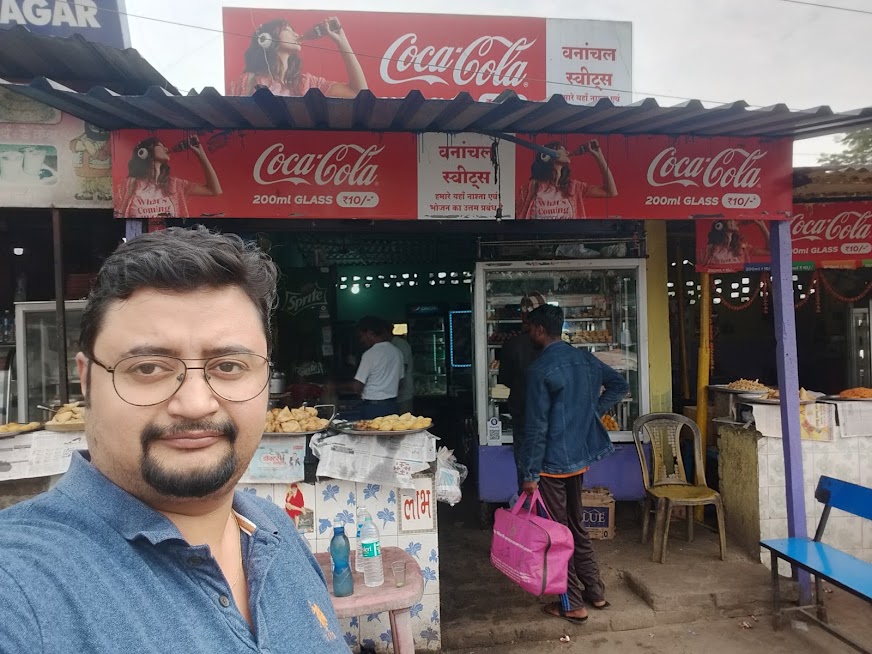
Fuelled and content, we continued our drive, passing through charming villages and small towns like Chandwa and Latehar. The journey itself was an experience, punctuated by impromptu stops to soak in the local atmosphere and sample more of Jharkhand’s rustic flavours. The winding roads led us through picturesque villages and lush green landscapes, the unpretentious beauty of rural Jharkhand weaving its spell around us.
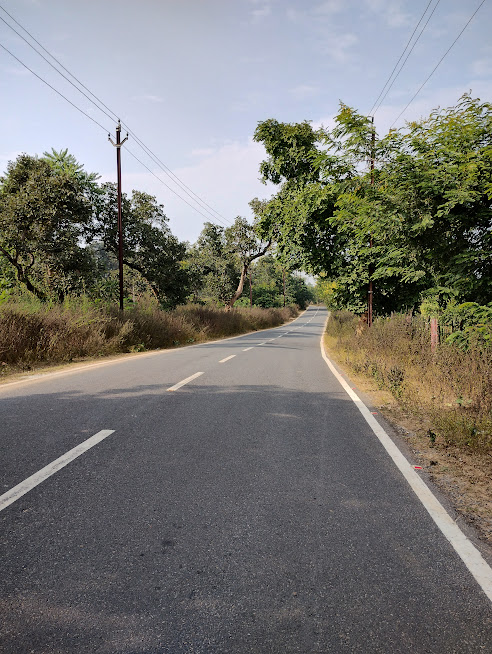


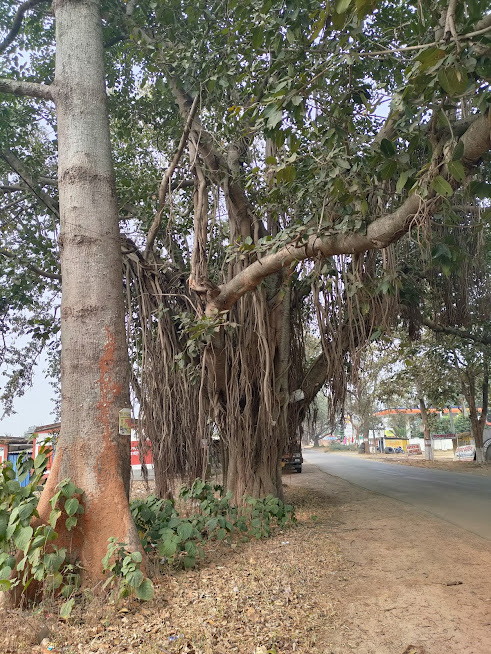
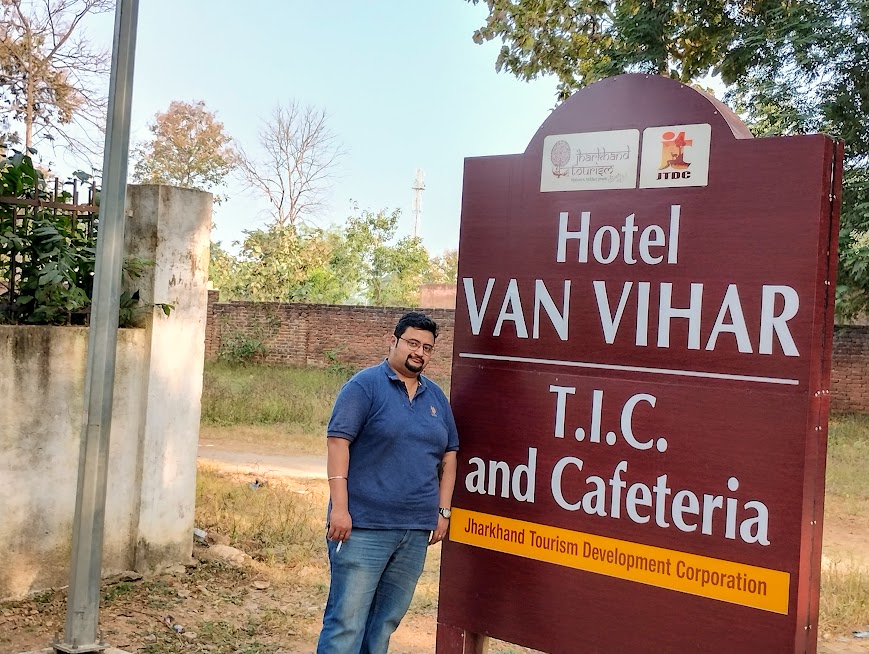
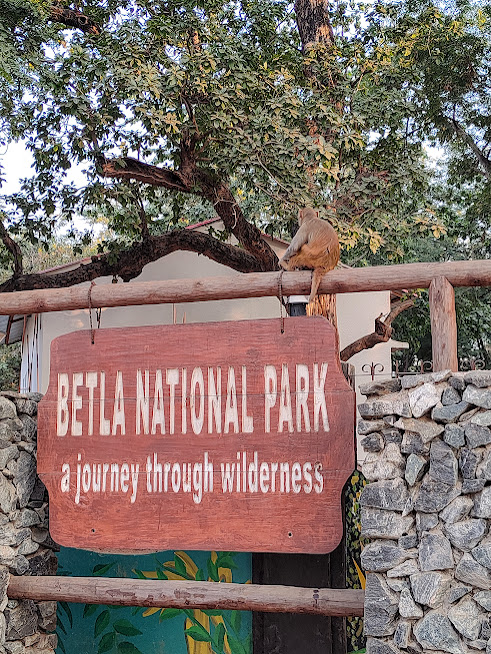
By afternoon, the anticipation had reached its peak as we finally arrived at Betla National Park. A sense of immediate calm washed over us as we settled into our comfortable rooms at Hotel Van Vihar and enjoyed a much-needed hot lunch. But the call of the wild was strong, and soon after, we were ready to venture into the heart of the forest.


The dense Sal forests embraced us as we entered the park, creating an instant feeling of tranquility and awe. One of the best ways to experience Betla is through a jeep safari, offering the chance to delve deep into the wilderness and hopefully encounter its fascinating inhabitants. Safaris are typically conducted in the early morning and late afternoon, when animal activity is higher.
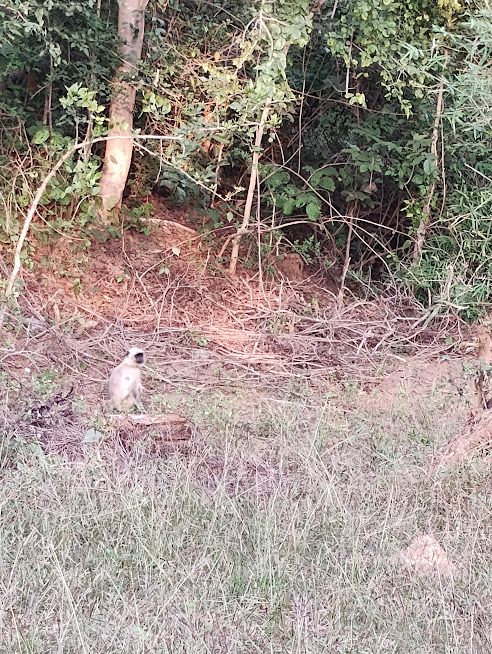
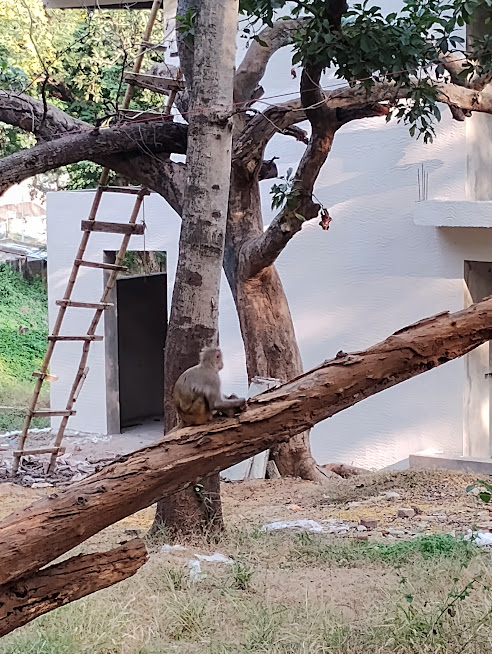
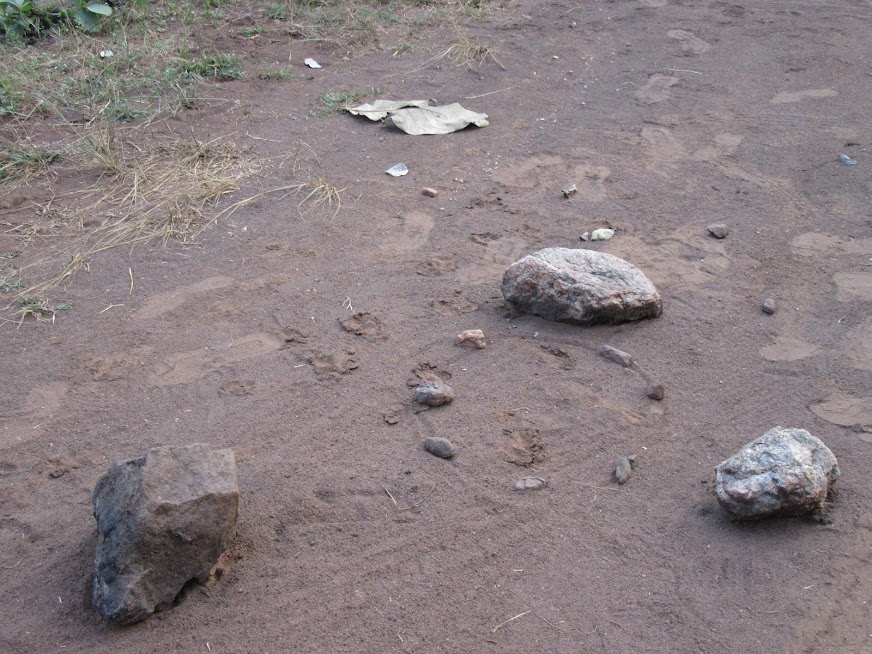
Around 3:45 p.m., our open jeep rumbled into the forest. Every rustle of leaves, every snap of a twig heightened our senses, filling us with eager anticipation. The natural orchestra of the park surrounded us – the melodic chirping of unseen birds, the playful leaps of monkeys in the canopy, the regal strut of peacocks, the sly glances of jackals, and the watchful eyes of langurs from the shadows of the trees. Then, there were the chital, or spotted deer, grazing peacefully in small groups, their gentle presence a soothing introduction to the untamed beauty of Betla. And then, a fleeting thrill – our guide pointed out fresh pug marks on the dusty track, a silent testament to the presence of the elusive tiger.







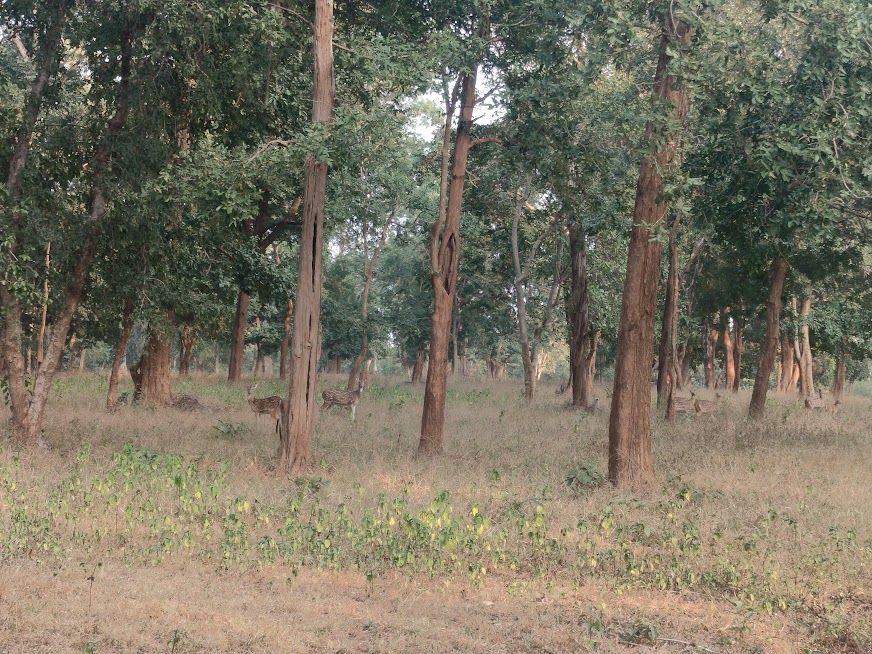

As the afternoon light began to soften, our driver suggested a detour to a historical gem nestled within the park itself: Palamu Fort. He mentioned the possibility of spotting larger wildlife, perhaps even elephants or big cats, on the way. Intrigued by this prospect and the allure of history, we readily agreed to explore the fort as the sun began its descent.
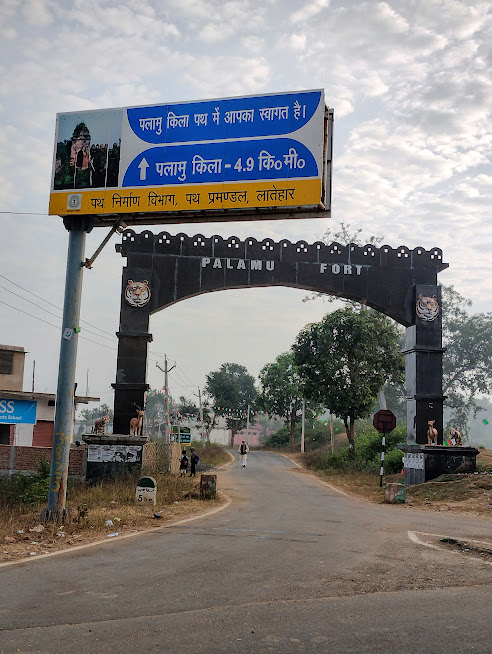
Palamu Fort, also known as Medininagar Fort, stands as a grand reminder of the region’s rich history and heritage. This 17th-century structure has witnessed centuries of change and now serves as a captivating attraction for both history buffs and nature enthusiasts. Built initially by the Raksel dynasty in the 16th century, the fort was later significantly enhanced by the renowned Chero King Medini Rai, who is credited with rebuilding the original fort on the plains and adding another on the adjacent hill. Strategically perched on a hilltop, the fort offered a commanding view, allowing rulers to oversee their kingdom and defend it against external threats.
As we approached the fort, its imposing stone and brick walls stood silhouetted against the backdrop of the surrounding lush greenery. The architecture showcased a fascinating blend of Hindu and Islamic styles, reflecting the diverse cultural influences that have shaped this land over time.
The advent of the Chero dominion marked a significant turning point in Palamu’s history. Transitioning from Ananta Rai, the reins of power shifted to the subsequent ruler, Medini Rai. Regarded as the most influential leader among the Chero community, he extended his authority from South Gaya to Hazaribagh. Medini Rai’s bravery resonated across the land, and his accomplishments drew widespread attention and admiration. Notably, this era witnessed the fortification of Palamu, with numerous new features incorporated into its structure.


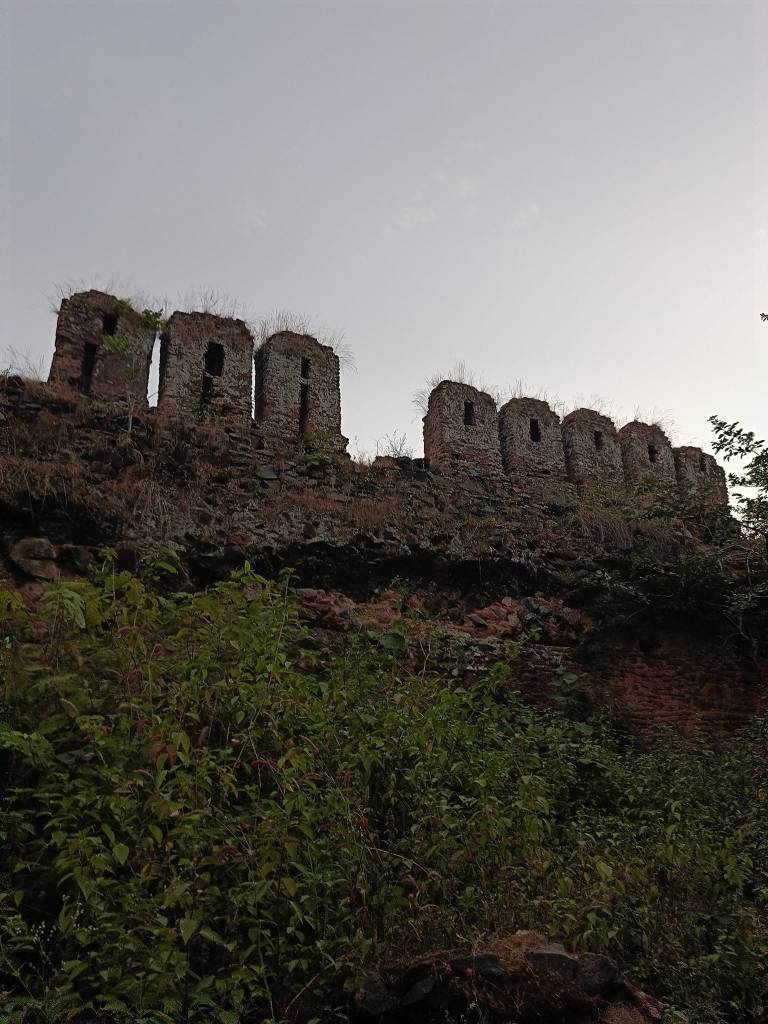
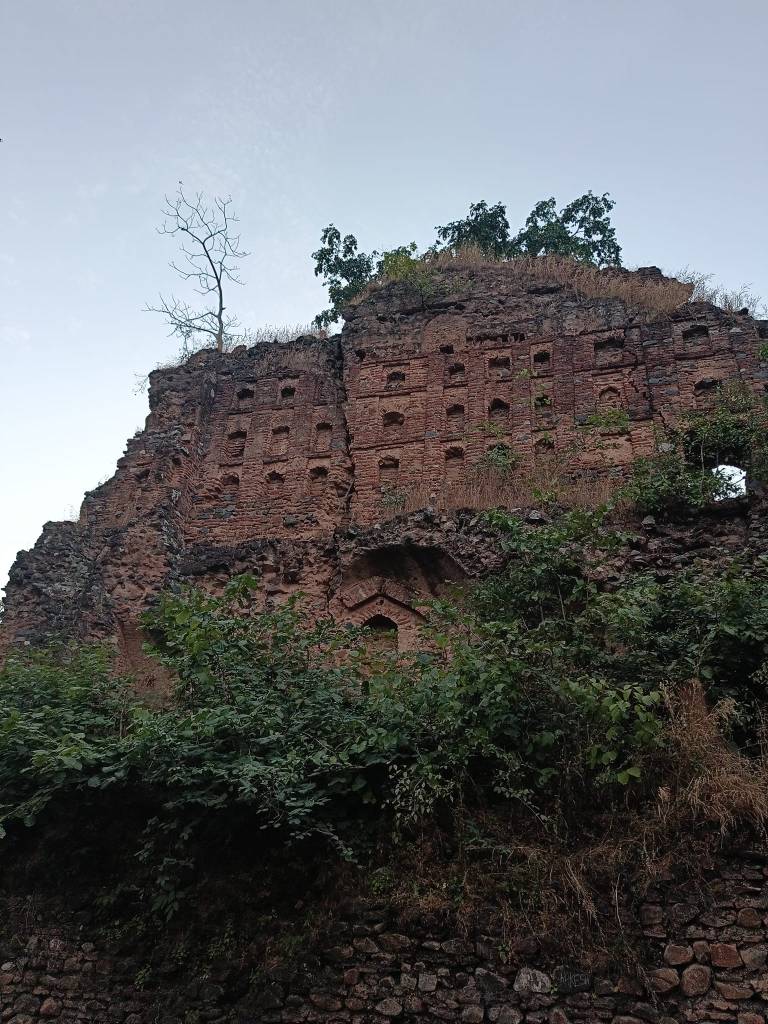


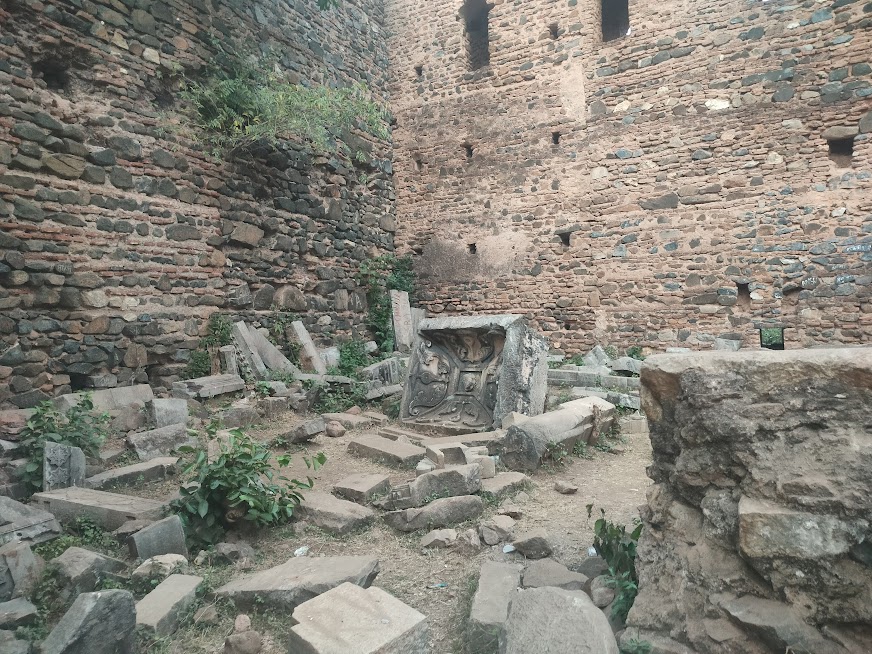
Stepping inside the fort felt like stepping back in time. The narrow passageways and intricately carved arches whispered tales of a bygone era and the skilled artisans who crafted them. We explored the various rooms and chambers, imagining the lives of the royal family who once resided within these walls. It was captivating to envision what life must have been like centuries ago within this stronghold.
From the rooftop of the fort, we were rewarded with a panoramic view of the surrounding landscape, including a glimpse of the winding Auranga River below. It was a moment to pause and appreciate the confluence of history and nature.

However, it was also evident that these heritage structures were in a state of disrepair, desperately needing care and preservation. Neglected interiors and precariously crumbling walls were a stark reminder of the passage of time and the need for urgent restoration efforts. Despite this, wandering through the twin forts of Palamu offered a fascinating glimpse into the region’s rich and eventful past.
The Betla Fort adds a unique historical dimension to the natural beauty and wildlife encounters that Betla National Park offers. It’s a compelling stop for anyone interested in history and a wonderful addition to the overall Betla experience.
As dusk settled, we made our way back to our accommodation, the day’s experiences already feeling like cherished memories. The whispers of the wild, the silent stories of the ancient fort – Day 1 in Betla had been a captivating introduction to this remarkable land.
Day 2: A Date with Wildlife & the Roar of Waterfalls
Our second day in Betla was entirely dedicated to immersing ourselves in the park’s wildlife and exploring the stunning waterfalls nestled within the Palamau Tiger Reserve Forest area. An early morning jeep safari was the perfect way to greet the dawn. The air was crisp and cool, carrying the earthy scent of the forest.
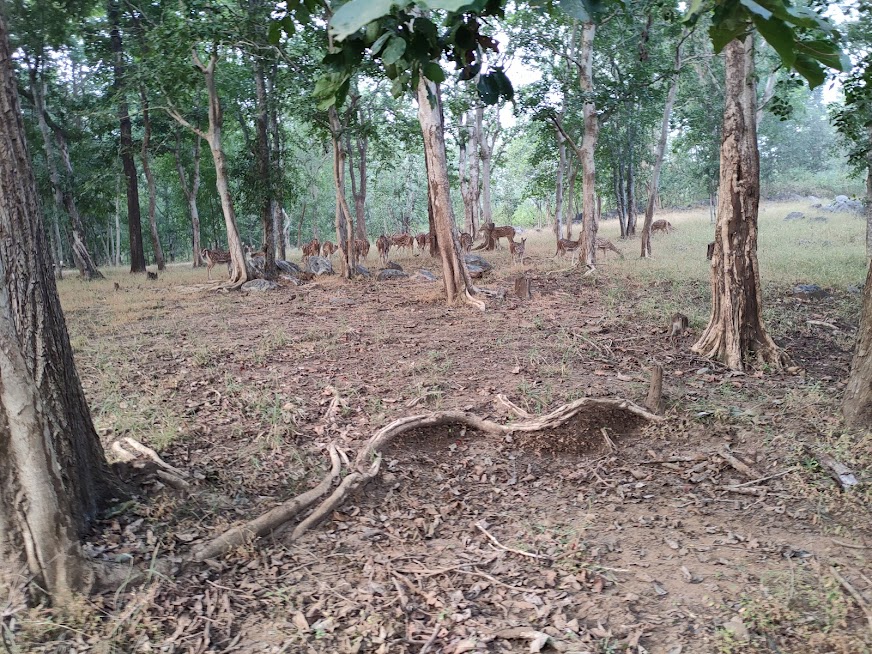

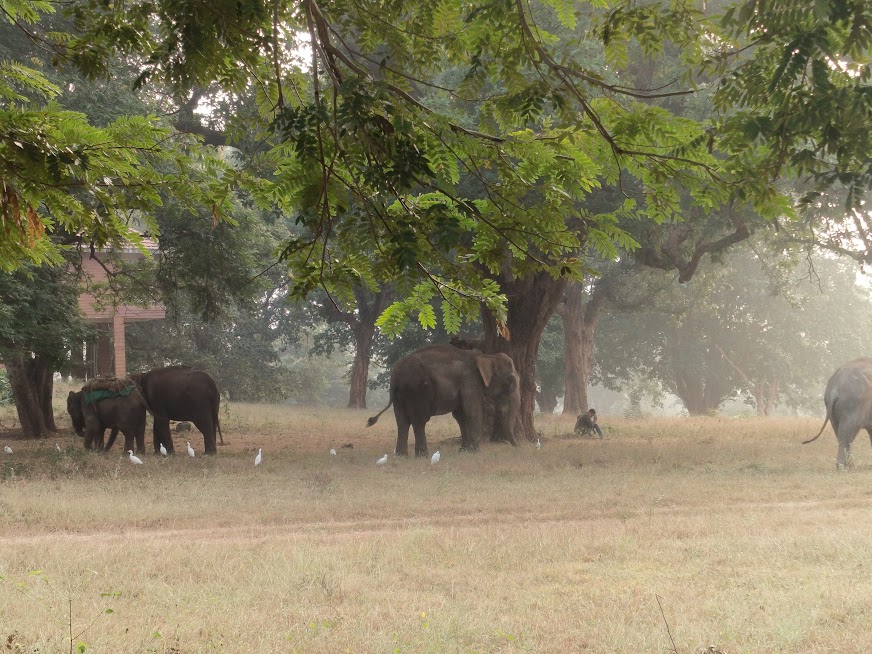
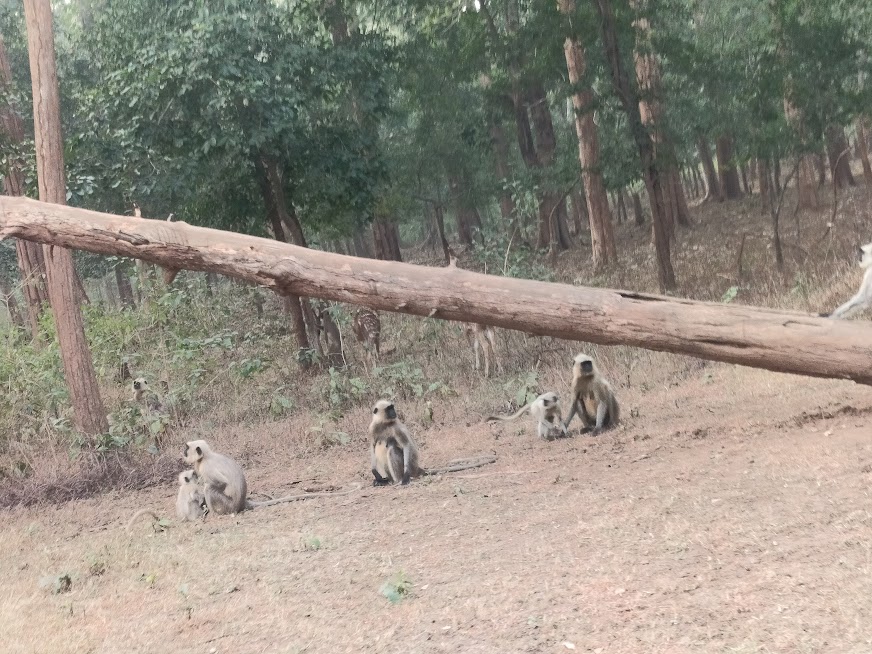
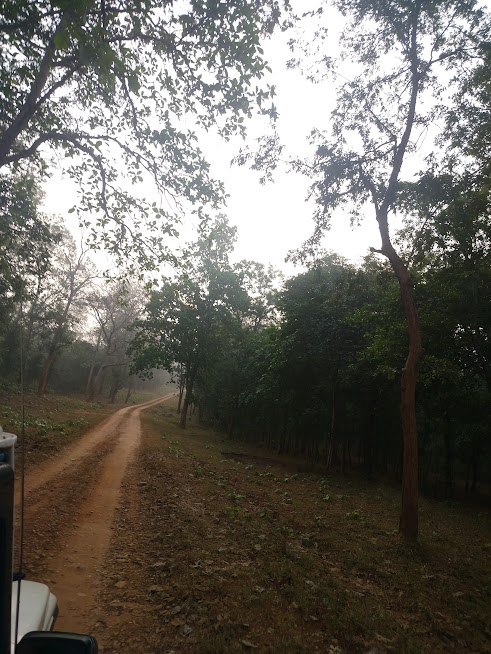

While the park’s more elusive inhabitants remained hidden this time, the thrill of the search was undeniable. As the first rays of sunlight pierced through the dense forest canopy, we were rewarded with enchanting glimpses of the wild – a graceful herd of chital deer grazing peacefully in a clearing, and a fleeting shadow that revealed itself to be a jackal disappearing into the undergrowth. Though the tigers remained out of sight, their powerful presence was palpable in the rustling leaves and the watchful eyes of the other creatures. Simply driving through the heart of the forest, with its symphony of sounds and sights, is always an exhilarating experience.
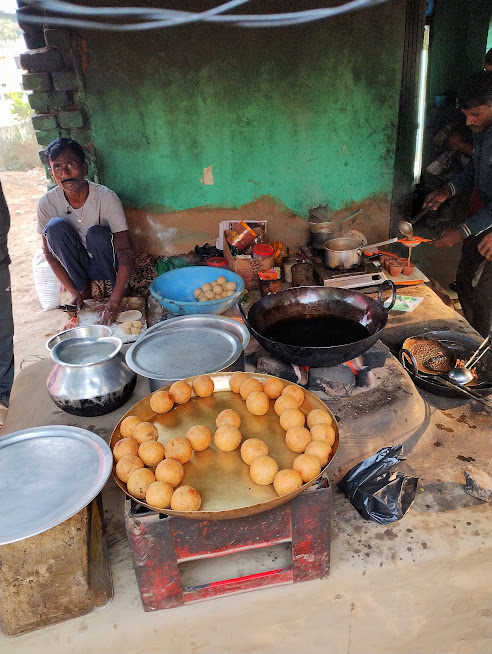
Returning from our morning safari, our appetites were well and truly awake. Before heading off to explore the waterfalls, we made a stop at a makeshift eatery right outside the Betla National Park gate. Over steaming cups of tea, we devoured crispy Kachori, hearty Litti (baked wheat dough balls stuffed with spiced lentils), and sweet, syrupy Jalebis – a quintessential Indian breakfast spread.
With renewed energy, we set off towards the highest waterfalls in Jharkhand: Lodh Waterfalls. Our route also included a stop at the picturesque Mirchiya Waterfalls along the Betla-Netarhat Road. Our journey took us across a railway level crossing, where we patiently waited for a train to rumble past, a brief pause in our wilderness exploration. Soon after, we crossed the Koel bridge over the tranquil North Koel River, its waters reflecting the clear blue sky.

We then crossed the Koel bridge over the North Koel River on the way.

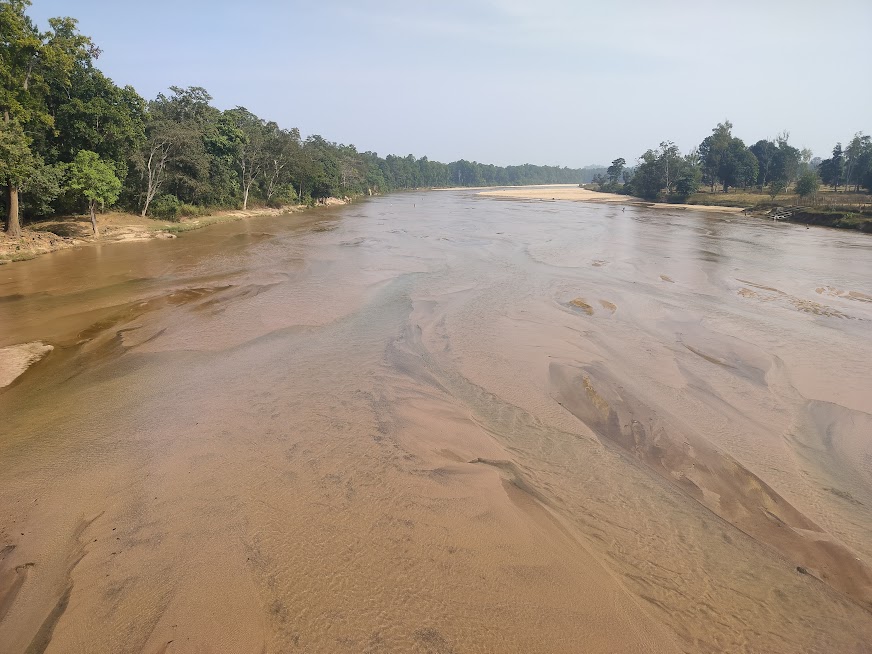
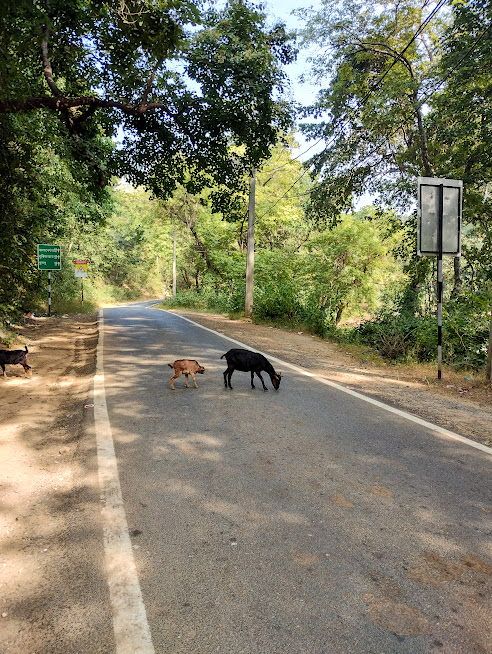
Driving through the forested valley was a serene experience, with small, charming village houses dotting the sides of the winding road. Our first waterfall destination was Mirchaiya.

Mirchaiya Waterfall:
Located just 3 kilometers from the Garu block within the Latehar district, Mirchaiya Waterfall is a hidden gem nestled within the Palamau Tiger Reserve. This cascade is formed by a tributary of the North Koel River, flowing over unique black granite lava formations, creating a picturesque lava dome over which the water gracefully tumbles.


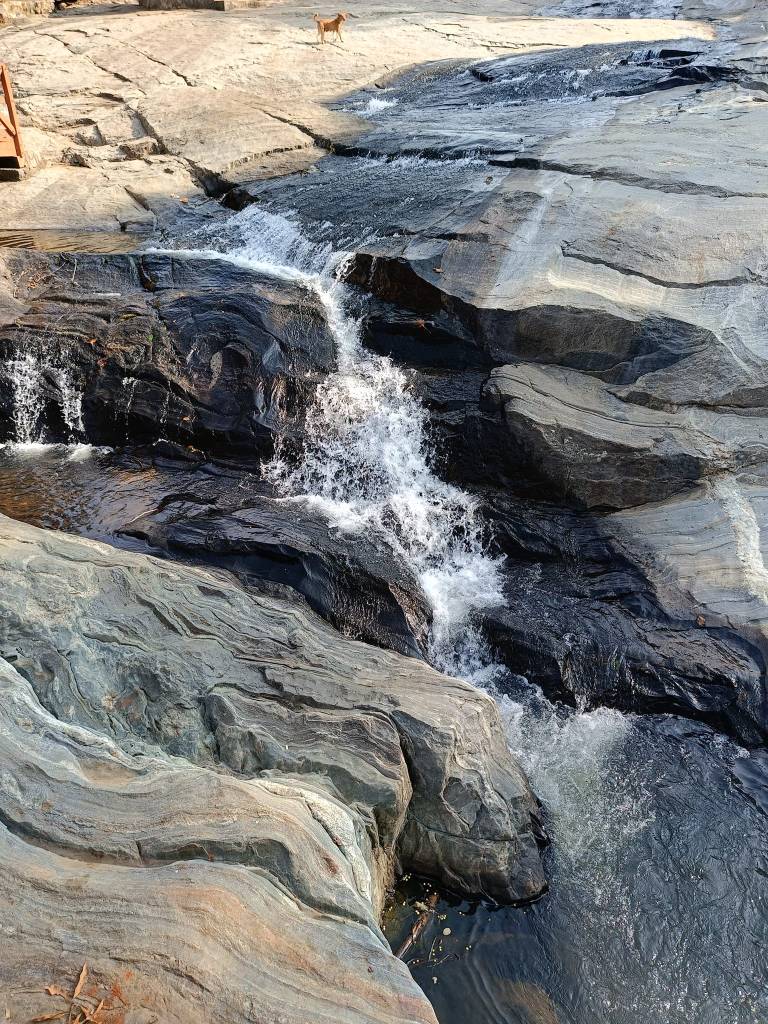


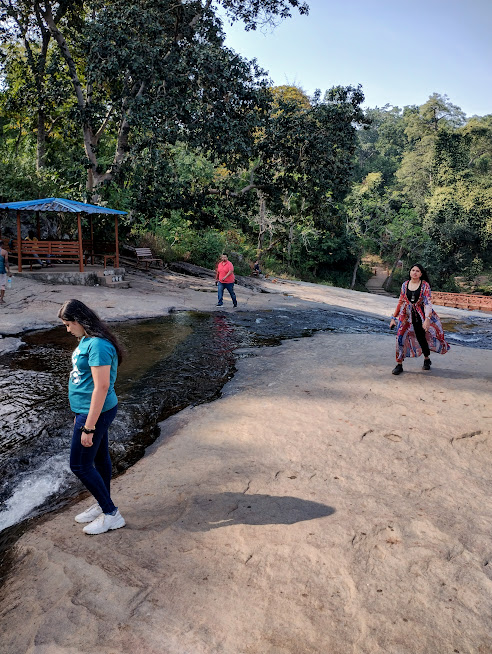

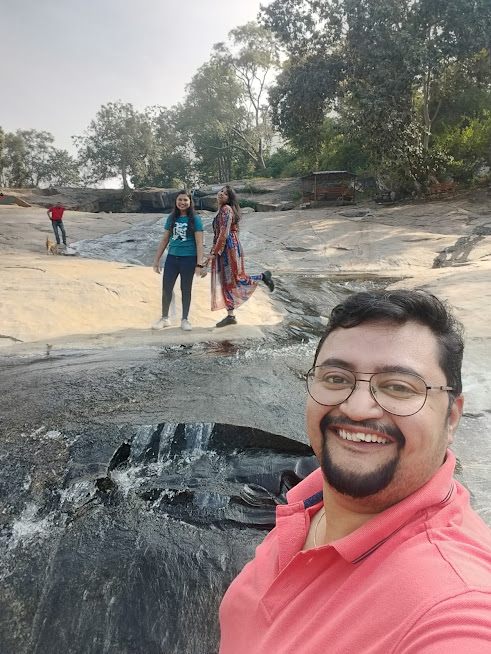

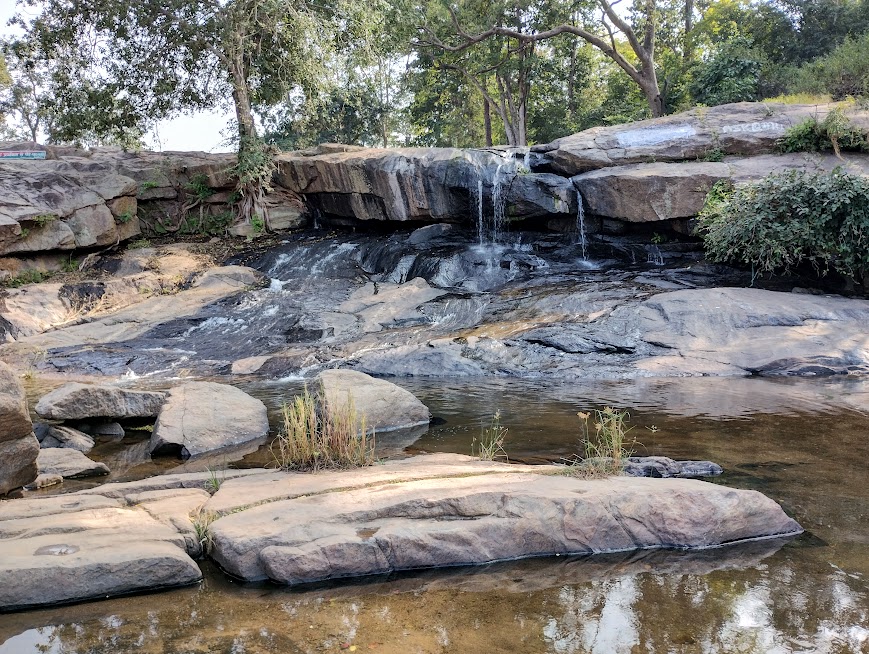
Easily accessible, Mirchaiya Falls is a mere 50 meters to the left of the Betla-Netarhat road. While smaller in scale compared to some of Jharkhand’s other grand waterfalls, its undeniable charm and convenient location make it a favourite. Notably, it’s considered one of the safest waterfalls in the region, attracting tourists and locals alike seeking natural beauty in a secure environment. We spent some time admiring its gentle flow and the unique rock formations before continuing our journey.
Before heading to the majestic Lodh Waterfall, we made a quick stop at a roadside stall just across the road. Here, we enjoyed some simple yet satisfying fare: boiled eggs sprinkled with spices, flavourful masala chickpeas, and another round of comforting tea.

Lodh Waterfalls:
Our next destination, the Lodh Falls, was a truly awe-inspiring sight. Situated near the village of Burha in the Latehar district, it stands as the highest waterfall in Jharkhand and the 21st highest in India, cascading from a breathtaking height of approximately 143 meters (470 feet). The surrounding landscape is a tapestry of lush greenery, offering stunning panoramic views that draw nature enthusiasts, adventure seekers, and tourists from far and wide.

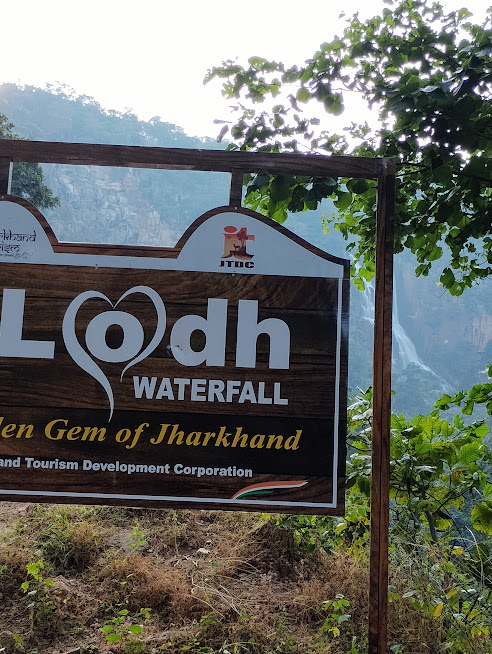


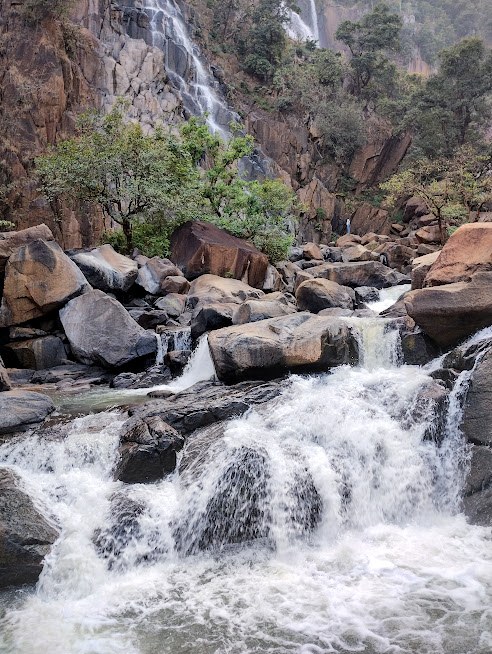


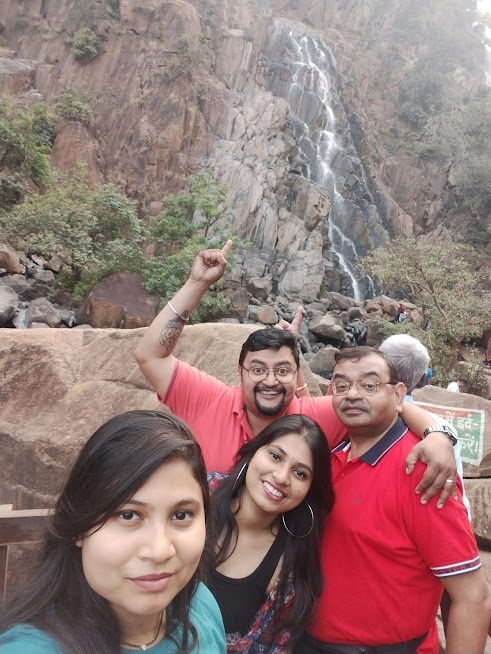


Reaching Lodh Falls involved a short but rewarding trek through the forest. We savoured the peaceful ambiance and the scenic beauty of the trail. Finally, we descended a flight of 220 stairs, each step bringing us closer to the thunderous roar of the cascading water. The sight that greeted us was simply magnificent. The sheer volume of water plunging down the rocky cliff, creating a misty spray and a powerful roar that echoed through the valley, was mesmerizing. We spent time taking in the natural grandeur, capturing photographs, and simply soaking in the raw power and beauty of the falls.
Lodh Falls is also steeped in local folklore and has a touch of historical significance. It was apparently a favoured retreat for British officials seeking respite in the cool, natural surroundings. Local tales speak of unsuccessful attempts by villagers to measure the depth of the waterfall, adding to its mystique. One such tale recounts how villagers used boulders attached to ropes, long enough to span the length needed to make seven Khatias (coir ropes), but the boulder vanished into the deep abyss, leaving the depth unknown to this day. This area is known locally as Chitidah.
The thunderous sound of the waterfall can reportedly be heard from as far as 10 kilometers away, resonating through the rocky terrains and forested hills. The River Burha, fed by various untamed streams originating from the nearby hills, eventually flows down these magnificent falls.
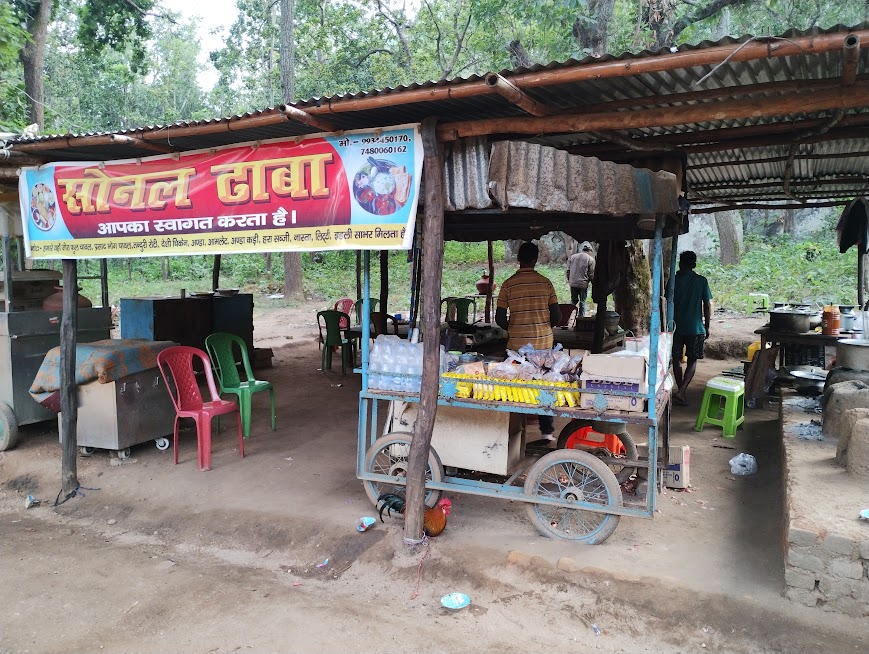
After our descent and the awe-inspiring experience at Lodh Falls, we were ready for a hearty meal. We found a quaint roadside eatery managed by a friendly gentleman named Mr. Kujur. We relished a delicious and satisfying lunch of rice, lentils, a flavourful potato bhujia, a comforting curry made with potatoes and cauliflower, and a spicy chicken curry. The meal concluded with another refreshing cup of tea, the perfect end to our waterfall adventure.


Content and filled with the day’s incredible experiences, we commenced our journey back to Betla, the memories of the roaring waterfalls and the glimpses of wildlife etched in our minds.
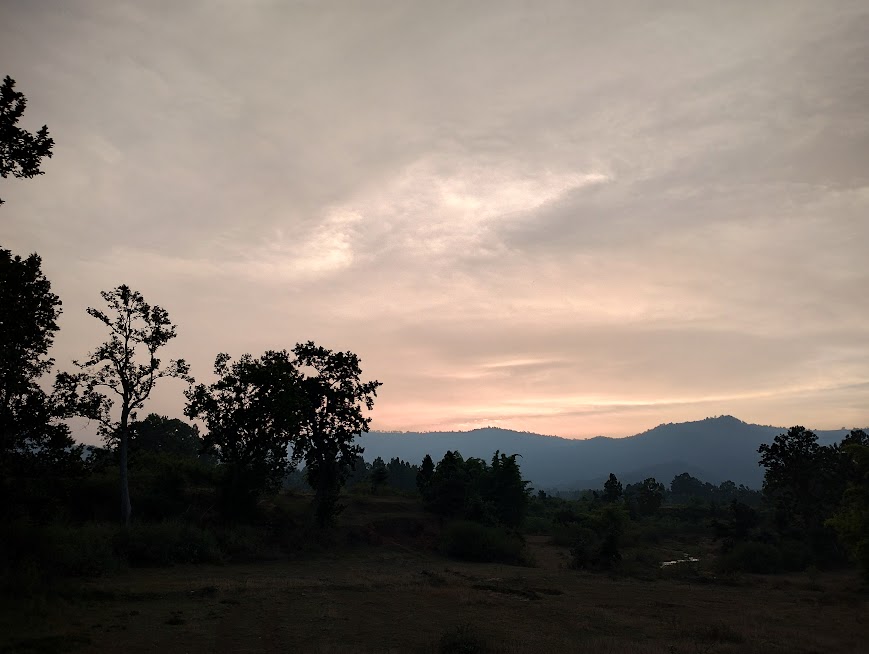
Day 3: Homeward Bound with Memories to Cherish
Our final day in Betla was bittersweet. We savoured every last moment in the tranquil surroundings before reluctantly beginning our return journey to Ranchi. However, we decided to make one last detour to a place of significant natural beauty and cultural importance: Kechki Sangam.
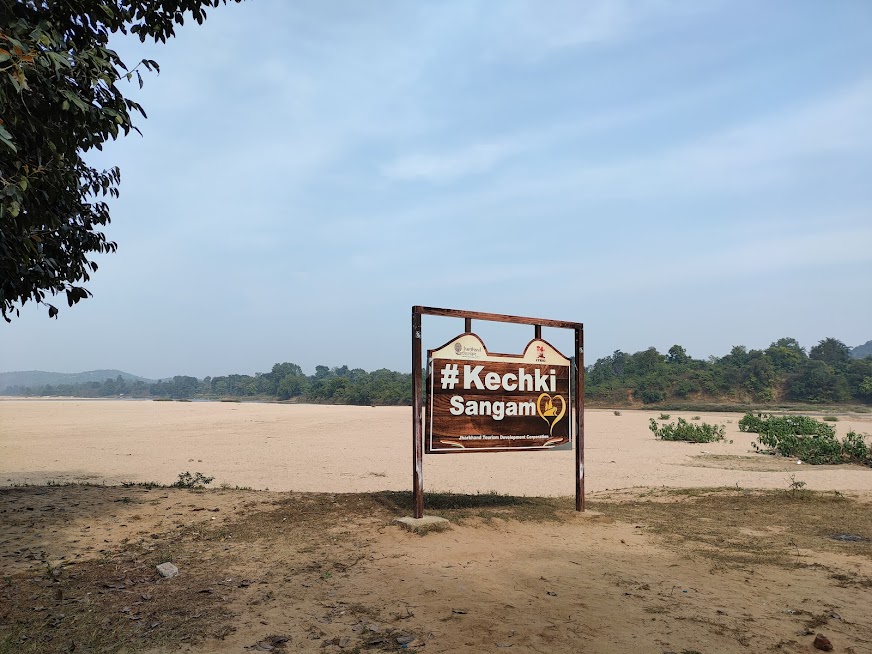
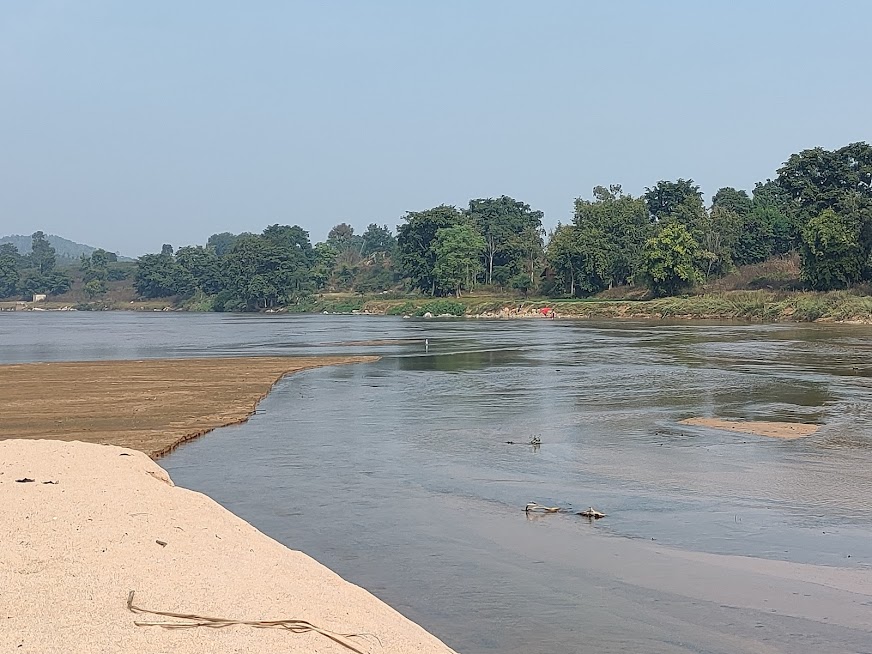

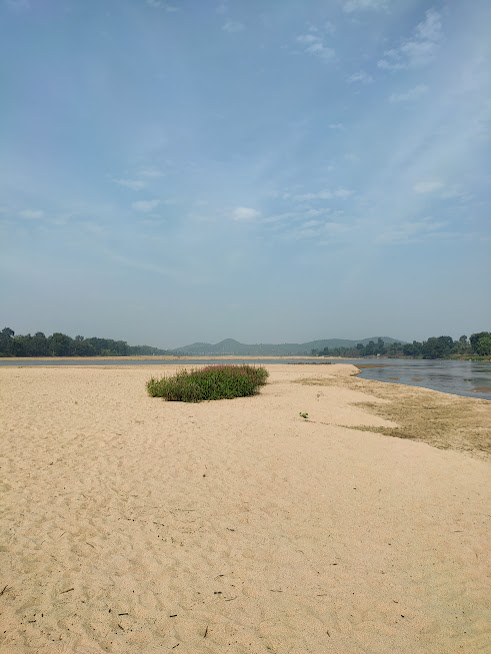


Kechki Sangam holds a special significance as the confluence, the meeting point, of the Koel and Auranga Rivers. This serene location gained further recognition when the legendary filmmaker Satyajit Ray chose it as a filming location for his iconic movie, “Aranyer Din Ratri” (Days and Nights in the Forest). Standing at the sangam, watching the two rivers merge and flow together, was a peaceful and reflective experience, a fitting end to our wilderness sojourn.
The drive back to Ranchi provided us with ample time to reflect on the unforgettable experiences of the past three days. The sights and sounds of Betla National Park – the rustling leaves, the calls of the birds, the fleeting glimpses of wildlife, the roar of the waterfalls, the ancient stones of Palamu Fort – would stay with us long after we left its embrace.
The Bottom Line: Betla’s Enduring Charm
While the charismatic predators like tigers and leopards often capture our imagination, a visit to Betla National Park reminds you that the entire ecosystem is a delicate and intricate web of interactions. The herbivores, the predators, and the environment are all interconnected. The rich floral diversity of Betla plays a crucial role in supporting the park’s vibrant wildlife population, providing food and shelter. Moreover, the park’s lush flora contributes significantly to its overall scenic beauty, making it a true haven for nature enthusiasts and botanists alike.
A trip to Betla National Park is more than just a wildlife safari; it’s an immersive experience that connects you with the raw beauty of nature and the thrill of encountering wildlife in its natural habitat. With its diverse wildlife, opportunities for adventure, and its intriguing cultural heritage, this national park offers a truly unforgettable escape.
So, if you’re looking for an offbeat destination that promises both serenity and excitement, pack your bags and get ready to embark on your own unforgettable journey into the wild wonders of Betla National Park. You might just find yourself captivated by its hidden charms, just as we did.

Loved your write-up. Like experienced forest rangers say…you may not have seen the tiger but the tiger would have certainly seen you.
LikeLiked by 1 person
Yes, saw the pug marks. Thanks, sir.
LikeLiked by 1 person
Thank you for your excellent post. Indeed, Betla Forest, located in the Palamau region of Jharkhand, is a treasure trove of natural beauty, wildlife, and cultural significance. While it might not have gained widespread recognition as a tourist destination beyond the region, it holds immense potential for visitors seeking unique experiences. The mention of Palamau in Bengali literature, as you noted, highlights its significance in various cultural contexts. Bringing attention to such hidden gems helps showcase the beauty and diversity of lesser-known destinations.
I hope that by shedding light on places like Betla Forest and the Palamau region, more people will be inspired to explore these offbeat yet fascinating destinations, thereby fostering greater interest among tourists and travelers from across the globe.
LikeLiked by 1 person
Thank you, Nilanjana. Jharkhand boasts numerous tourist destinations with significant potential. It is essential to promote and enhance these attractions to stimulate the state’s economy and improve the overall well-being of its residents.
LikeLike
Long article. Could not finish at one go. Very informative and nice photographs. Normally in winters we see streams of water falls drying up. But Lodh fall is different. The artile reminded me about Aranyer Dinratri. Betla is definitely in my bucket list.
LikeLiked by 1 person
Come make a program when I visit Ranchi next time…avoiding rainy season, when all forests are closed.
LikeLike
Bah! Darun
LikeLiked by 1 person
Thanks 👍
LikeLike
Nice story, Indrajit. The Betla National Park offers a captivating setting for nature lovers and adventure enthusiasts. From wildlife safaris to birdwatching, and opportunities to immerse in tribal culture, Betla Forest really presents a rich tapestry of experiences waiting to be explored.
LikeLiked by 1 person
Thanks, Sanchita. You have nicely summarized Betla.
LikeLike
Now that I am (hopefully) done with my responsibilities, let’s plan for a G2G and exploration of the state on your next extended visit…
LikeLiked by 1 person
😂😂 high hopes for G2G in Jharkhand. It happened only once for Judha’s wedding reception.
LikeLiked by 1 person
😜😜🤣🤣🤣
LikeLiked by 1 person
India’s diverse fauna, encompassing mammals, birds, reptiles, amphibians, and marine life, underscores the country’s status as a biodiversity hotspot. However, habitat destruction, poaching, and human-wildlife conflict threaten the survival of many species. Conservation efforts, coupled with sustainable development practices and community participation, are imperative to safeguarding India’s natural heritage for future generations to cherish and admire. Through concerted action and collective responsibility, India can continue to celebrate its rich wildlife legacy while fostering harmony between humans and the animal kingdom.
https://www.indianetzone.com/2/indian_animals.htm
LikeLiked by 1 person
Yes, you’re right. Thanks.
LikeLiked by 1 person
Rainforests in India are critical to the country’s environmental sustainability and biodiversity. These forests, found in various regions such as the Western Ghats, northeastern states, and the Andaman and Nicobar Islands, support a wide array of plant and animal life. Protecting and preserving these rainforests is essential for maintaining ecological balance and ensuring the survival of countless species that rely on these habitats.
https://www.indianetzone.com/2/forests.htm
LikeLiked by 1 person
Thanks 👍
LikeLiked by 1 person