
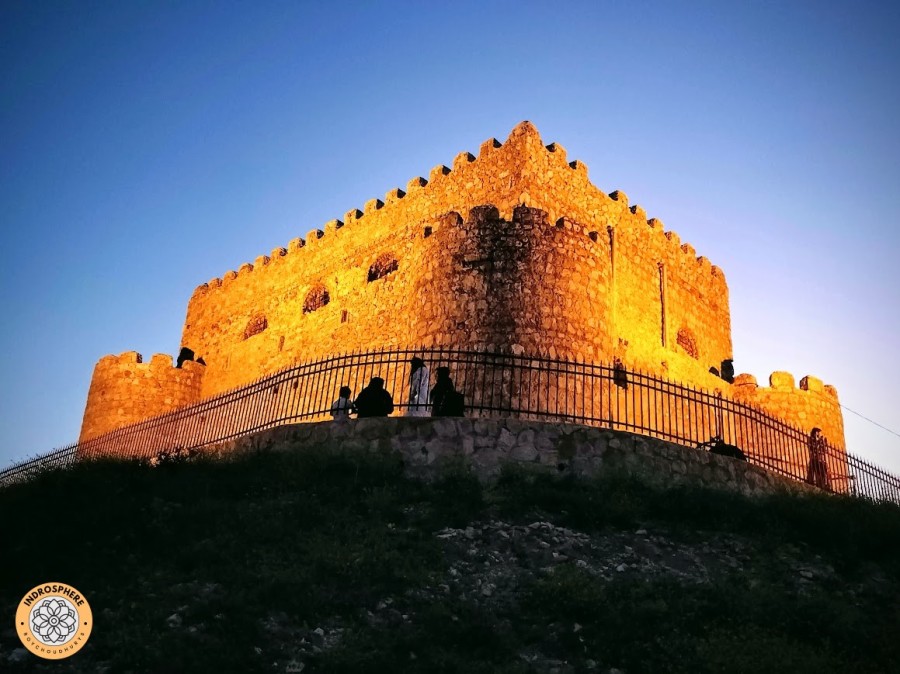
The medieval world has always felt like a realm of enchantment—knights, castles, and empires breathing through stone. While Europe often dominates this imagination, I recently stumbled upon a story closer to where history’s first chapters were written—the Kurdish emirates of Mesopotamia. Their fortresses, scattered across rugged Kurdistan, stand not just as ruins, but as sentinels of memory.
Yesterday, guided by the passionate team at Mesopotamian Tourism, I set out through the Erbil governorate to explore three of these ancient Kurdish strongholds: Dere Castle, Dwin Castle, and Khanzad Castle. What unfolded was more than a day trip; it was a tapestry of resilience, power, and culture woven across centuries.
Dere Castle: Echoes from the Foothills
Our journey began west of the Pirmam Mountain Range, where Dere Castle rises, 38 km from Erbil. The ruins, weather-beaten yet dignified, whisper of a time when this stronghold was more than just stone—it was strategy, power, and survival.
Ms. Lana, our historian-guide, stood amidst the fallen walls and summoned its past to life. She spoke of Prince Muhammad of the Soran Emirate (1813–1837), who rebuilt it, of Mir Mustafa, father of the famous Mir Mohammed of Rawanduz, who fortified it into a trade and military hub. Beneath these 19th-century layers, Lana suggested, might lie roots stretching back to the first millennium BCE.
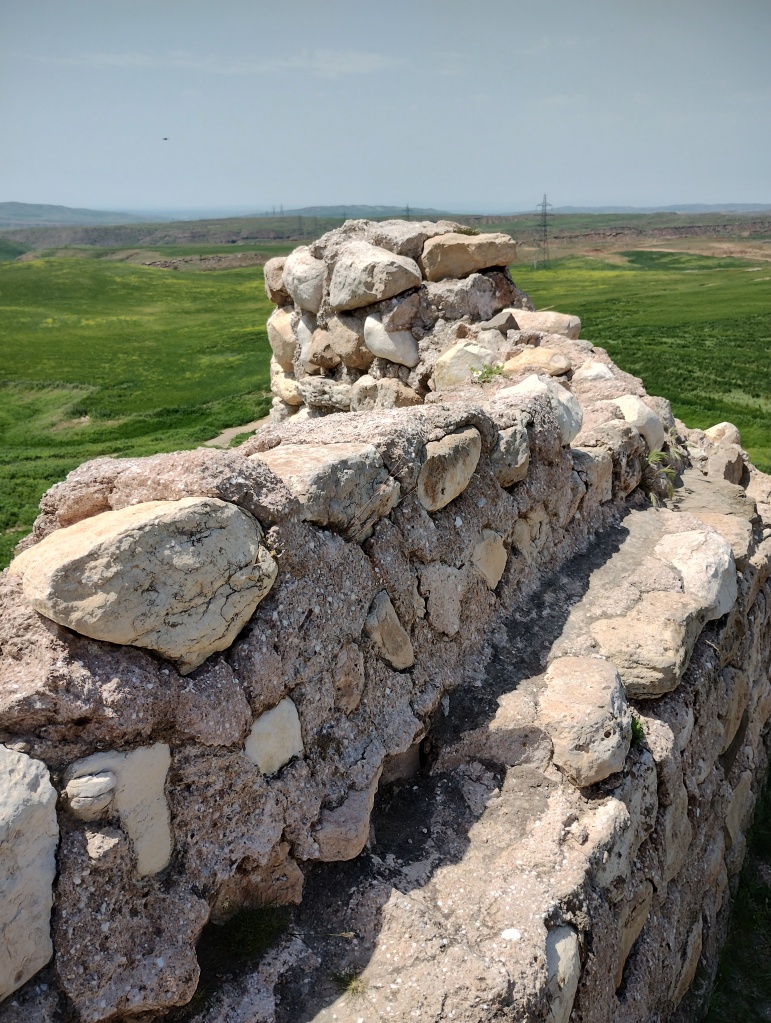
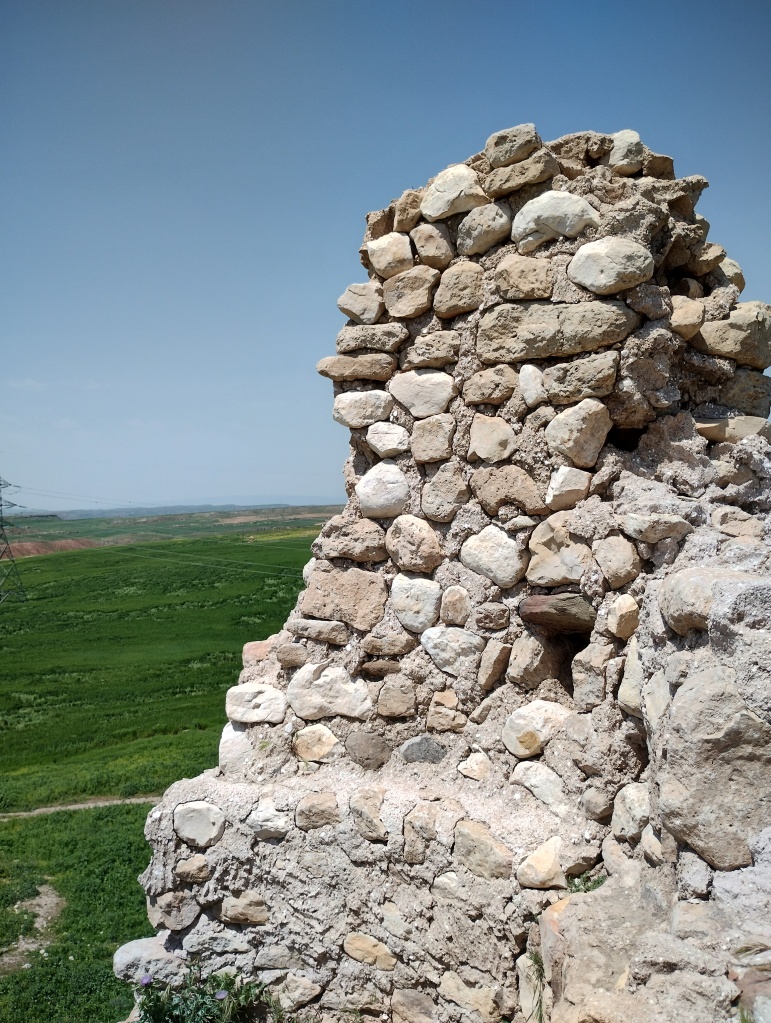
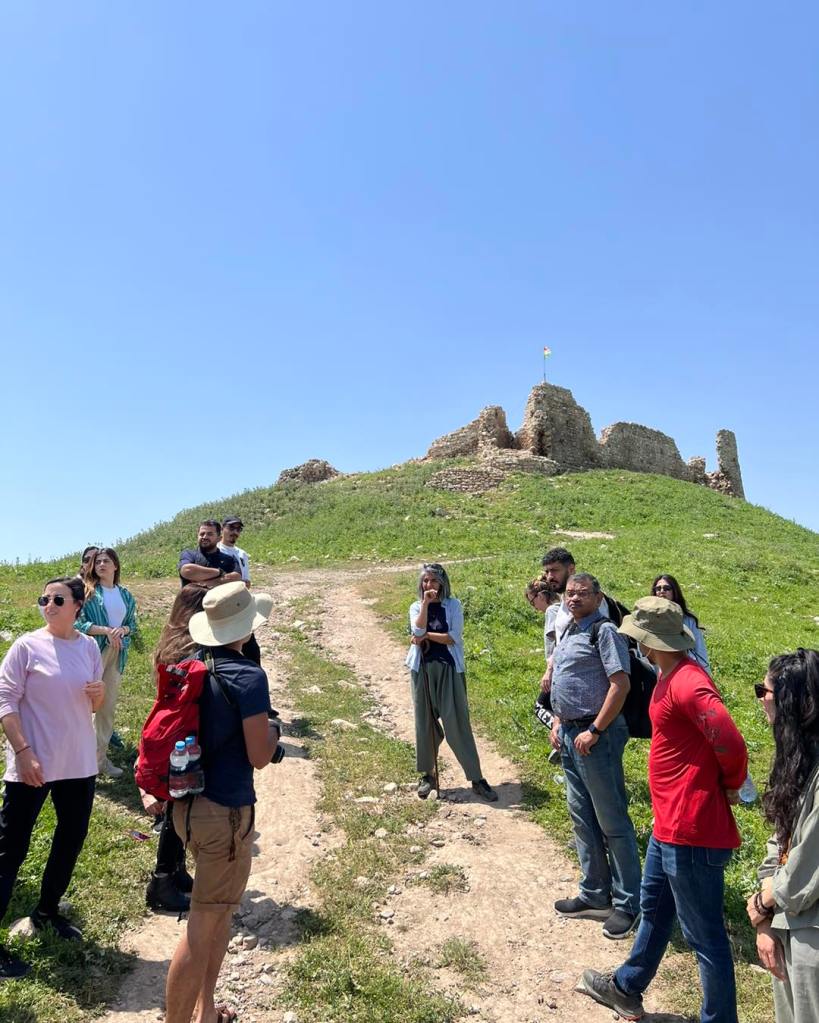
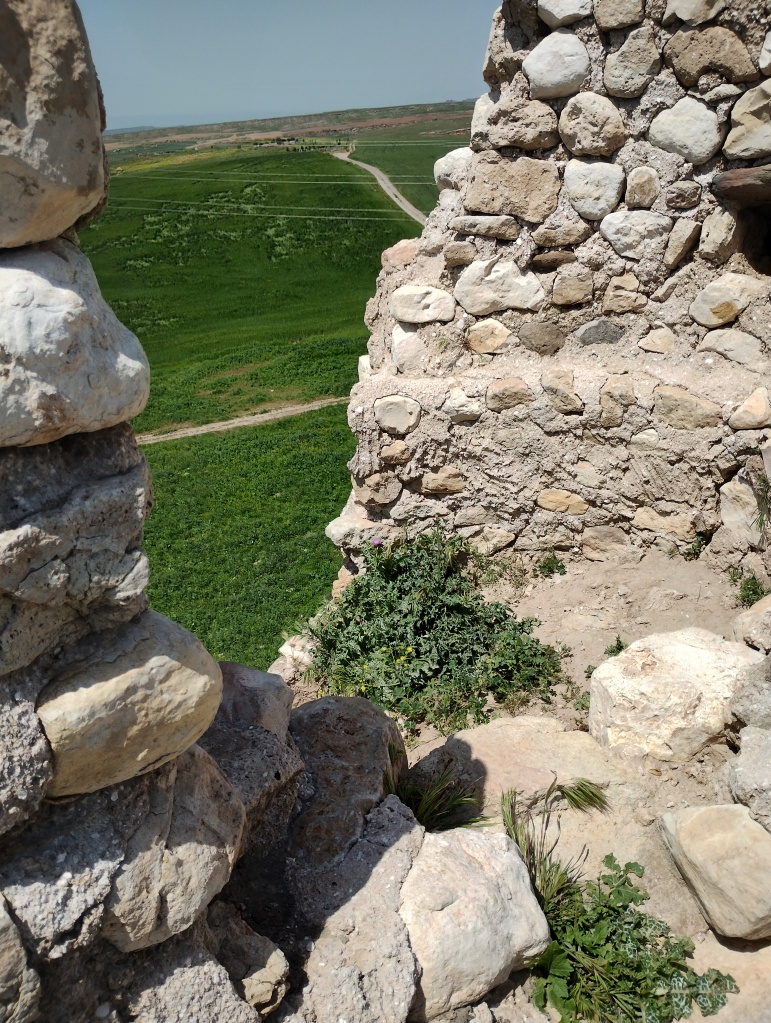
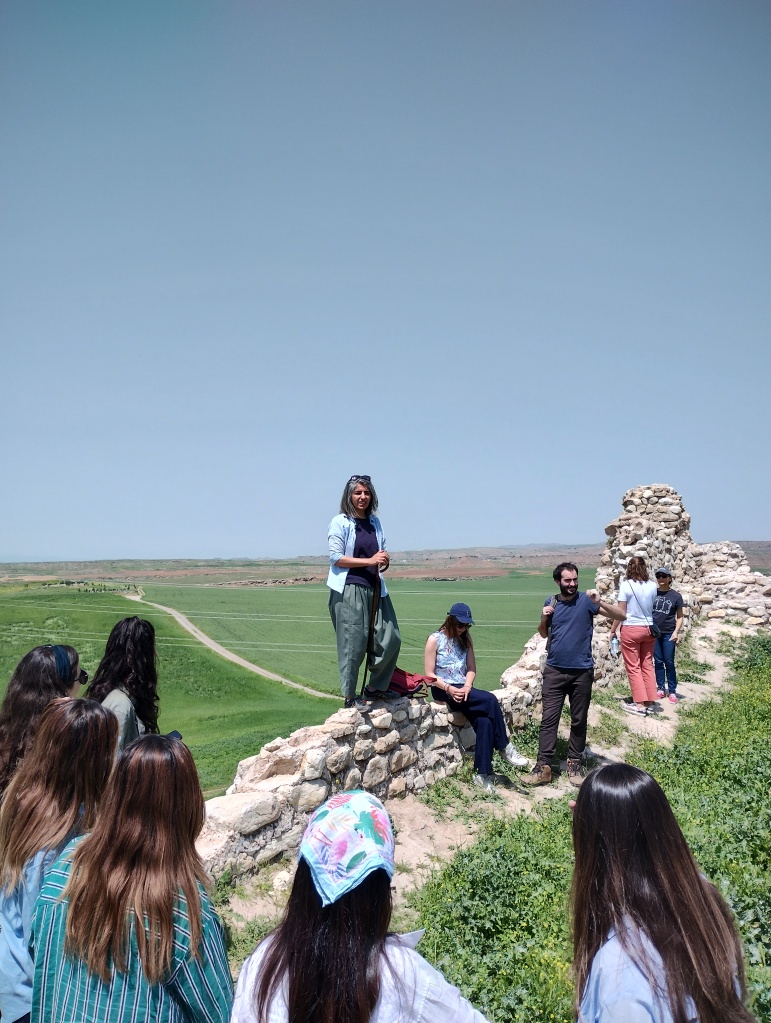
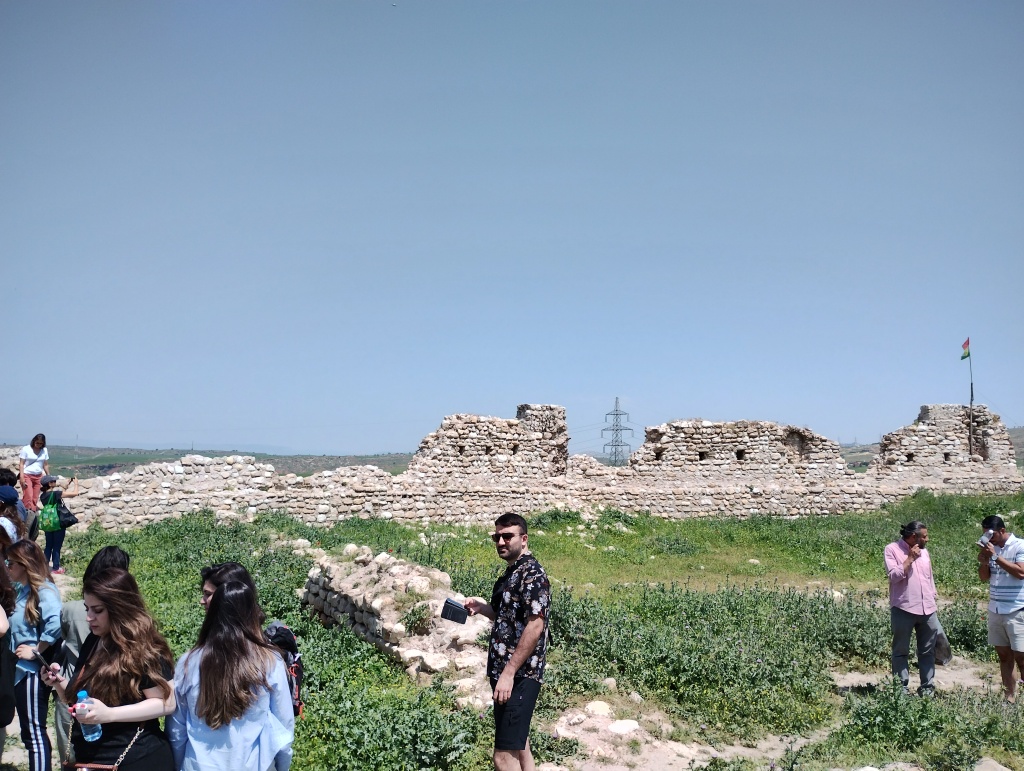
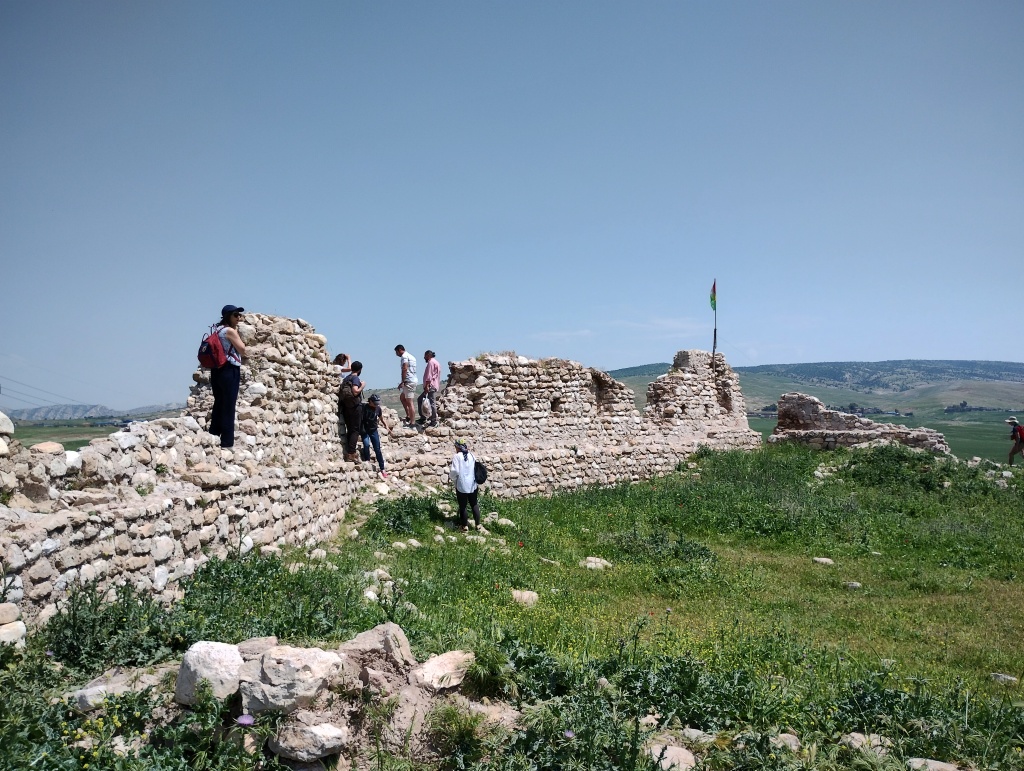
Standing there, I imagined the caravans that once threaded between Persia and Ottoman Turkey, the watchful eyes of sentries, the weight of politics and commerce converging in this citadel. Time has scarred Dere Castle, but its defiance remains intact—a Kurdish emblem of resilience.
Dwin Castle: Where Stone Meets Sky
From Dere, we ascended into the Sarban Mountains. The road twisted through ridges and valleys until Dwin Castle appeared—perched defiantly on a rocky peak, 56 km from Erbil.
Unlike Dere, Dwin’s chronicles are hazier. Some believe it was built in the 16th century by a Soran emir; others trace its lineage back a millennium, even to Assyrian expansion. Mir Isa (1250–1280) of the Soran Emirate is credited with its 13th-century renovation, when it became both capital and fortress.
Walking the site, we stumbled upon an ancient graveyard, its tombstones etched with blades, arrows, and suns—silent tributes to battles long past. Local lore whispers that relatives of Salahuddin (Saladin) rest here, deepening the aura of reverence.
Even without extensive historical records, the very air around Dwin Castle felt heavy with the weight of centuries. Its remaining foundations and walls stand as silent sentinels, having witnessed countless seasons pass.
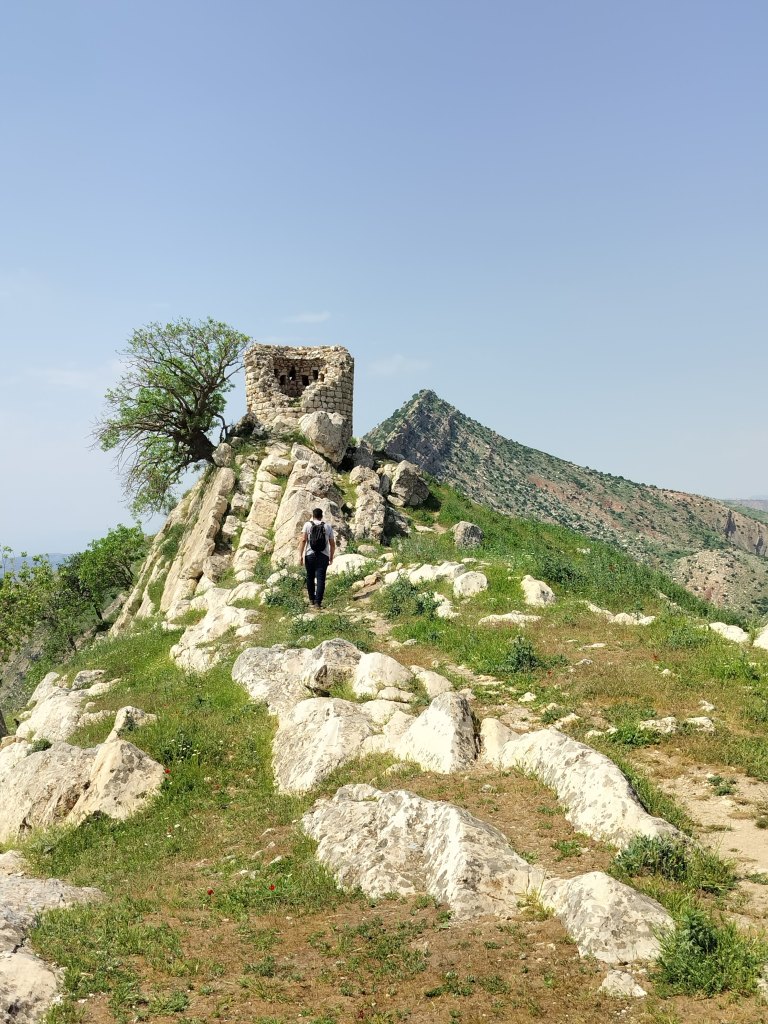
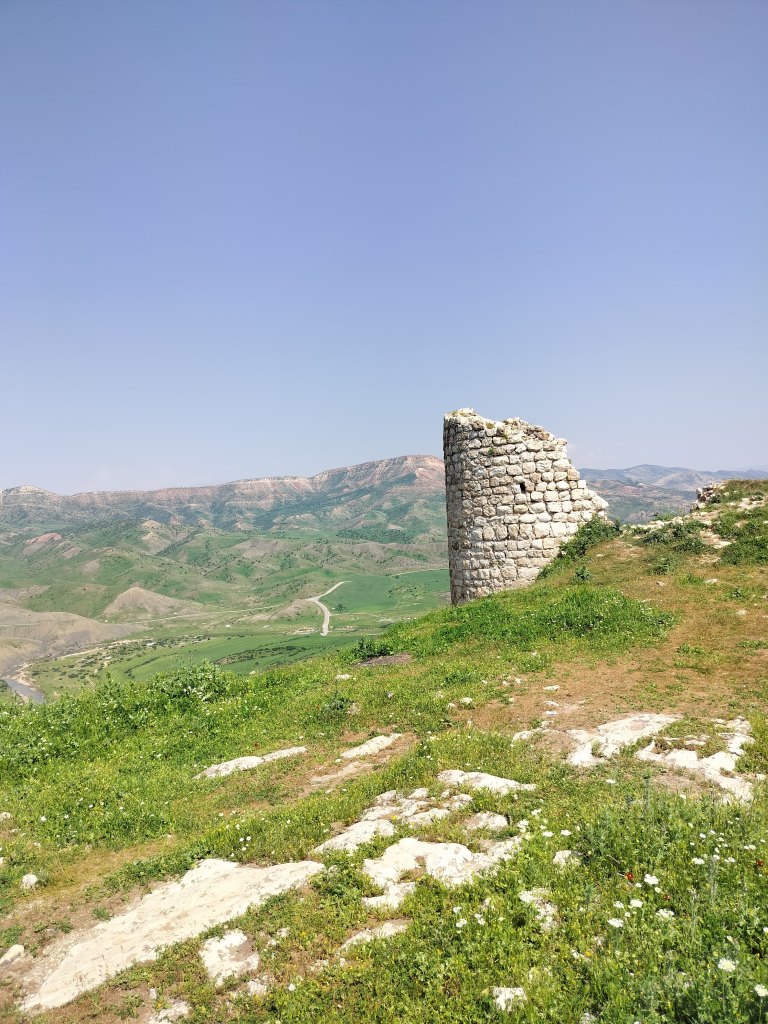
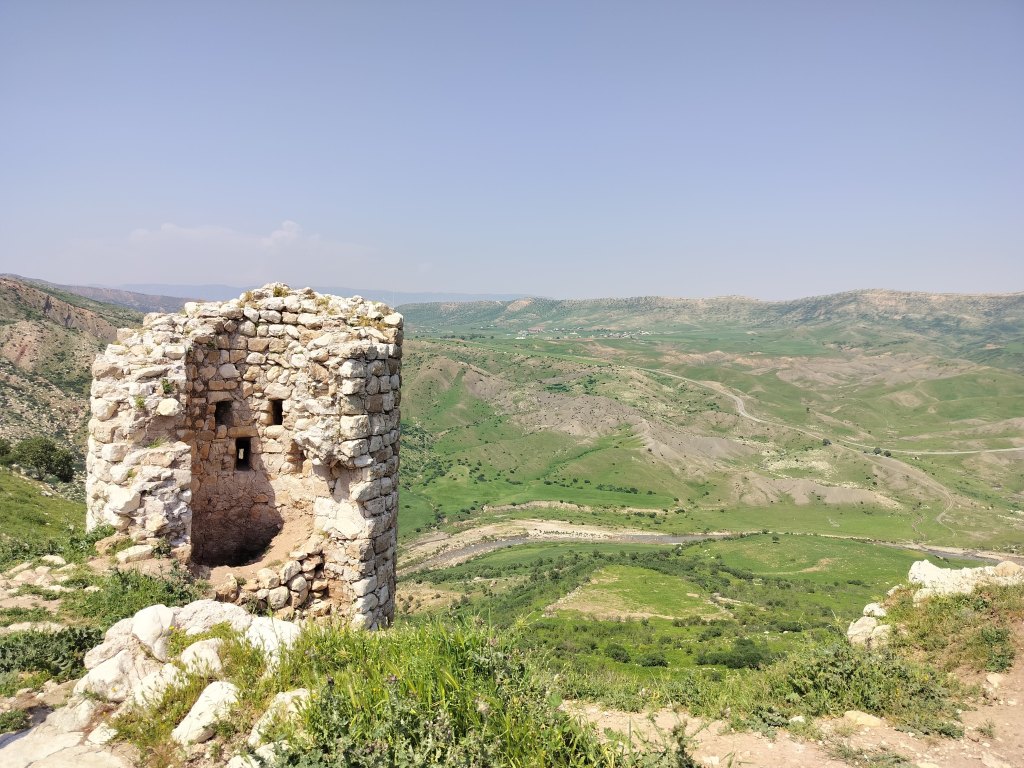
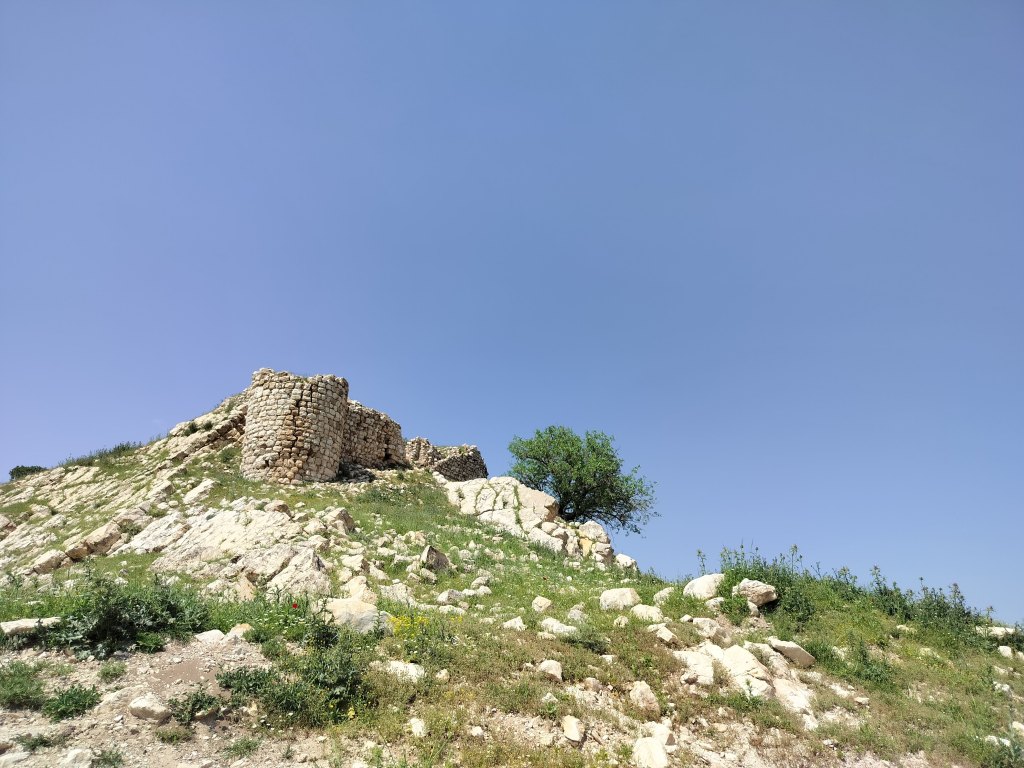
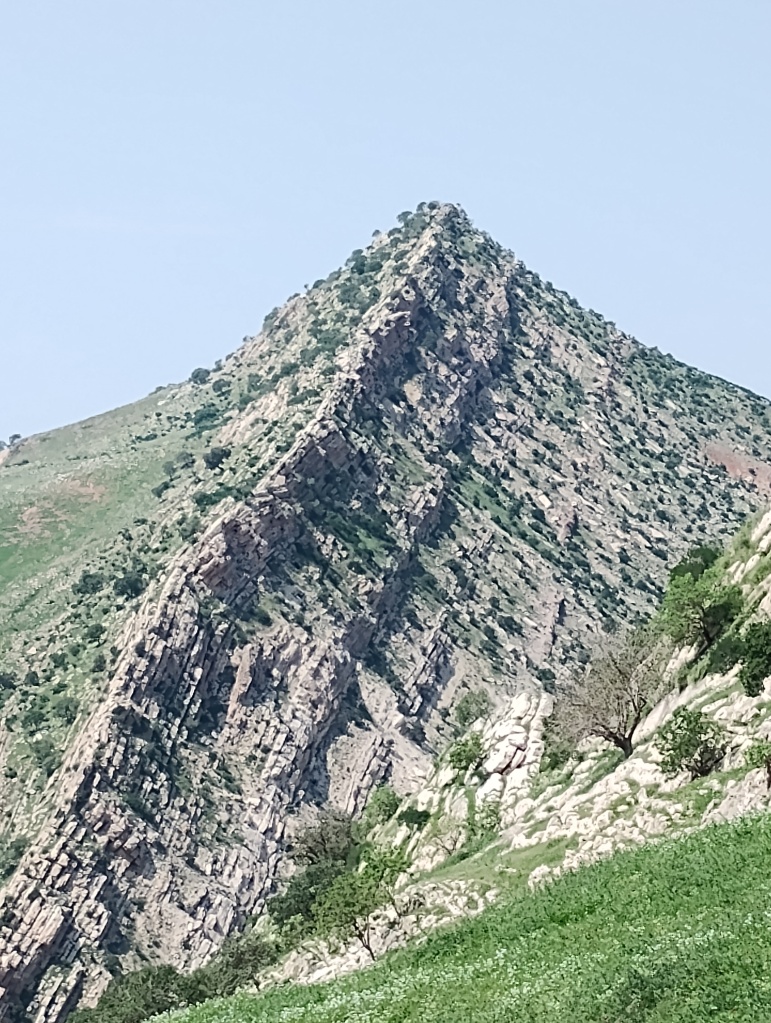
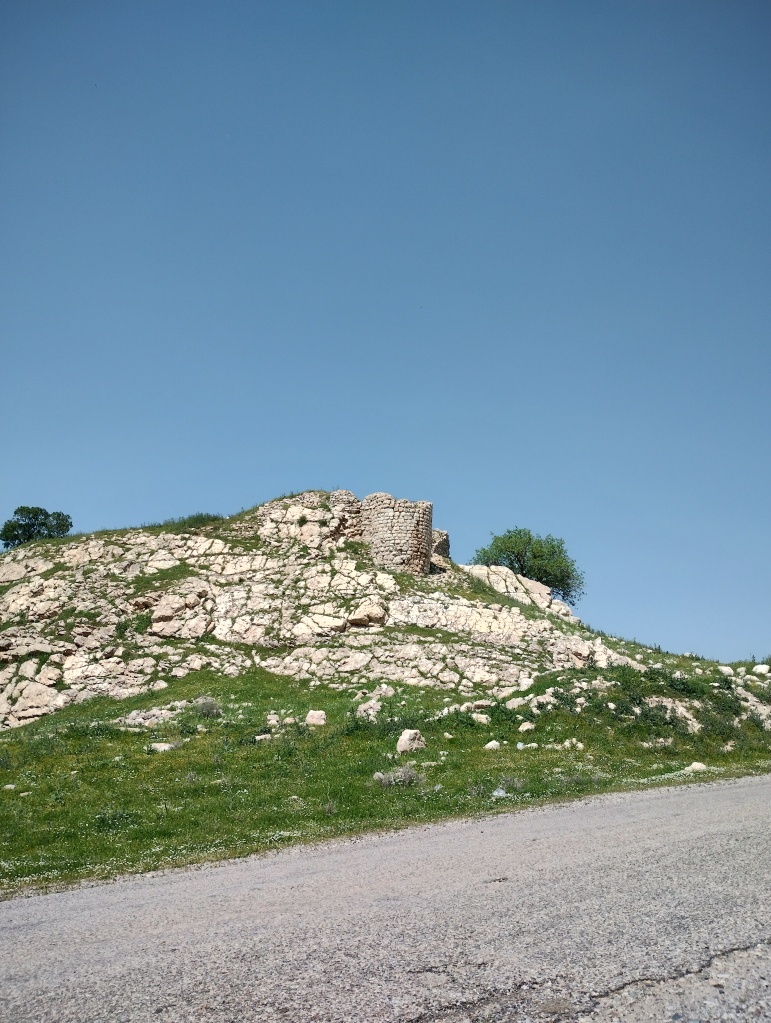
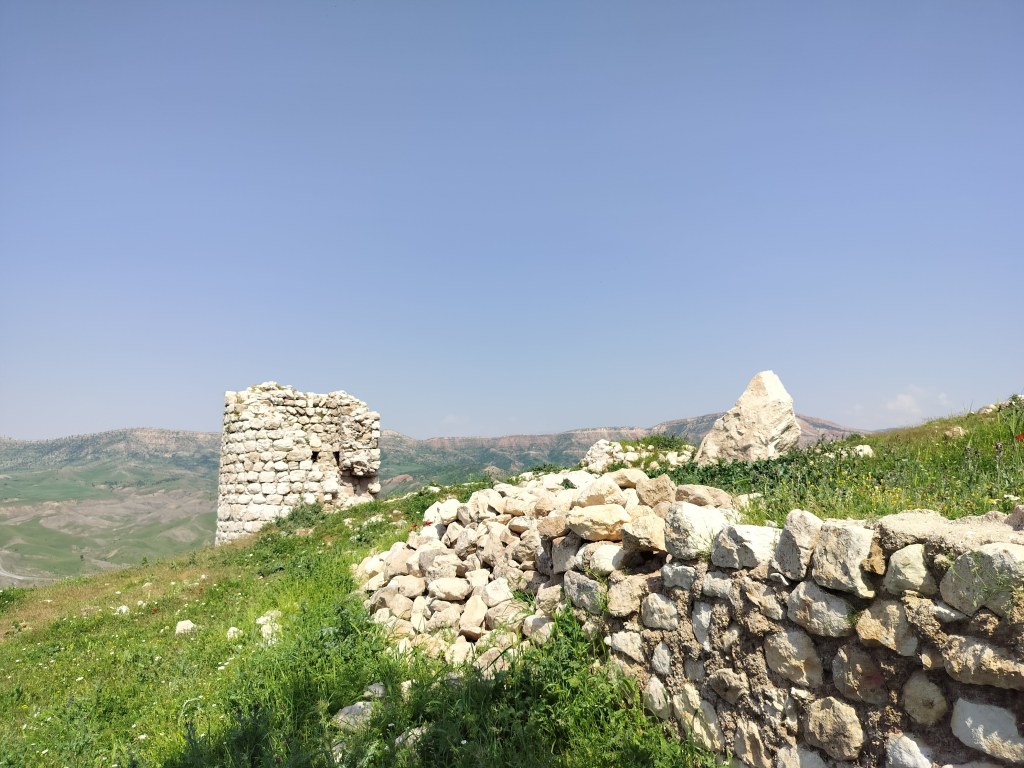
The castle eventually shifted hands—from the Soran to the Baban, and later to the Ottomans and pro-Ottoman chiefs. Yet, atop its walls, with the wind lashing my face and valleys sprawling below, I felt the weight of centuries. Watching, waiting, defending—such was the life these stones once bore witness to.
A Riverside Interlude: Friendship in Dolma
After the climb, the day softened at a quiet river beneath Dwin’s cliffs. Here, history yielded to hospitality. Mrs. Sameera, a local woman, laid out a picnic of steaming dolma and freshly baked bread.
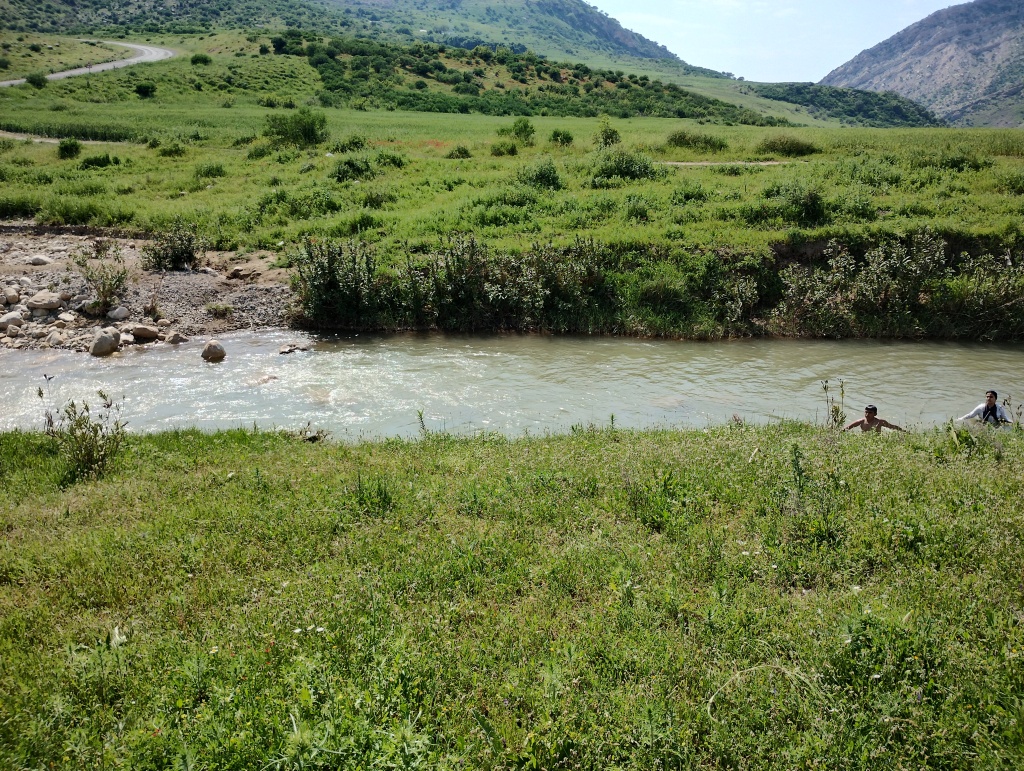
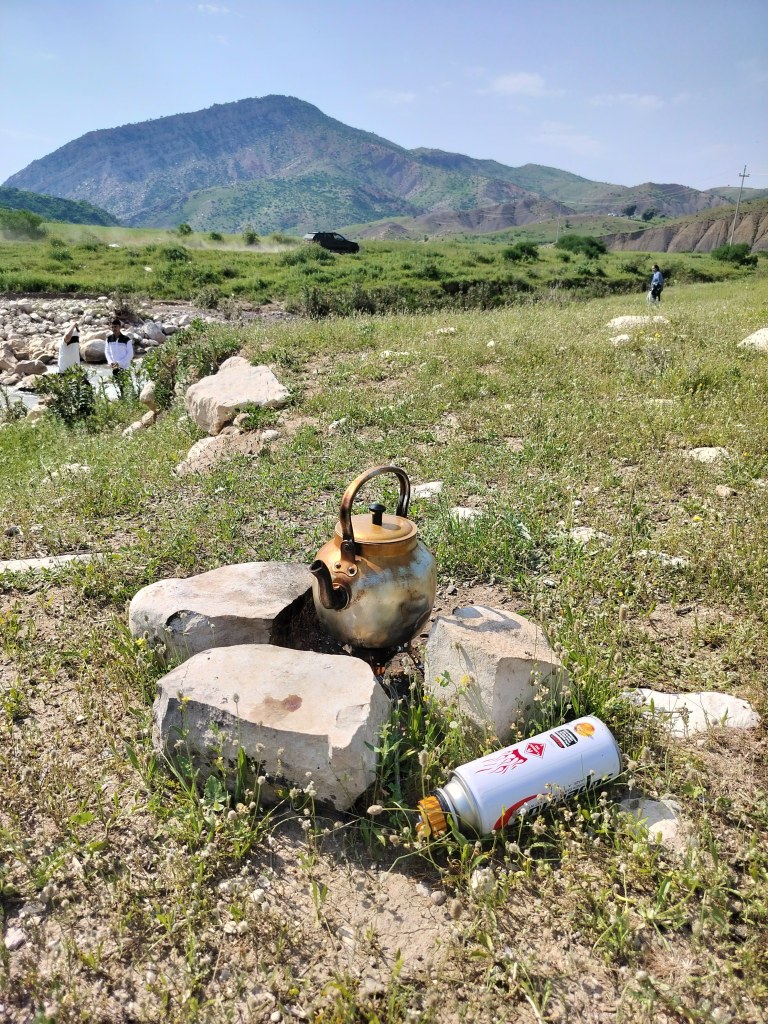
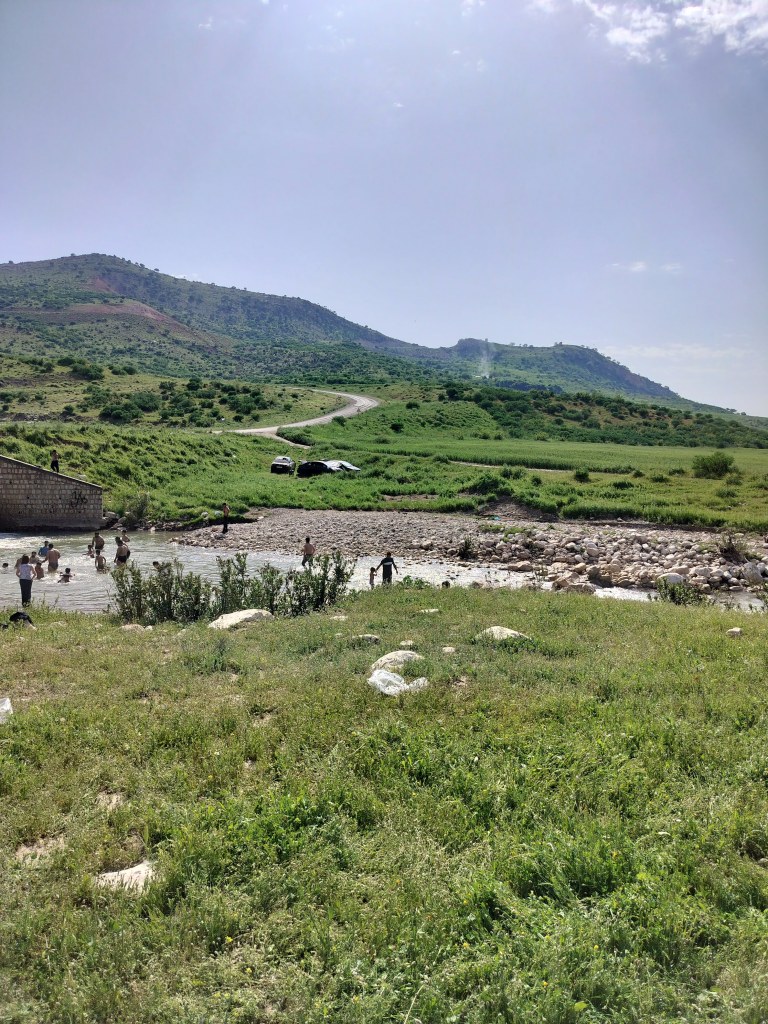
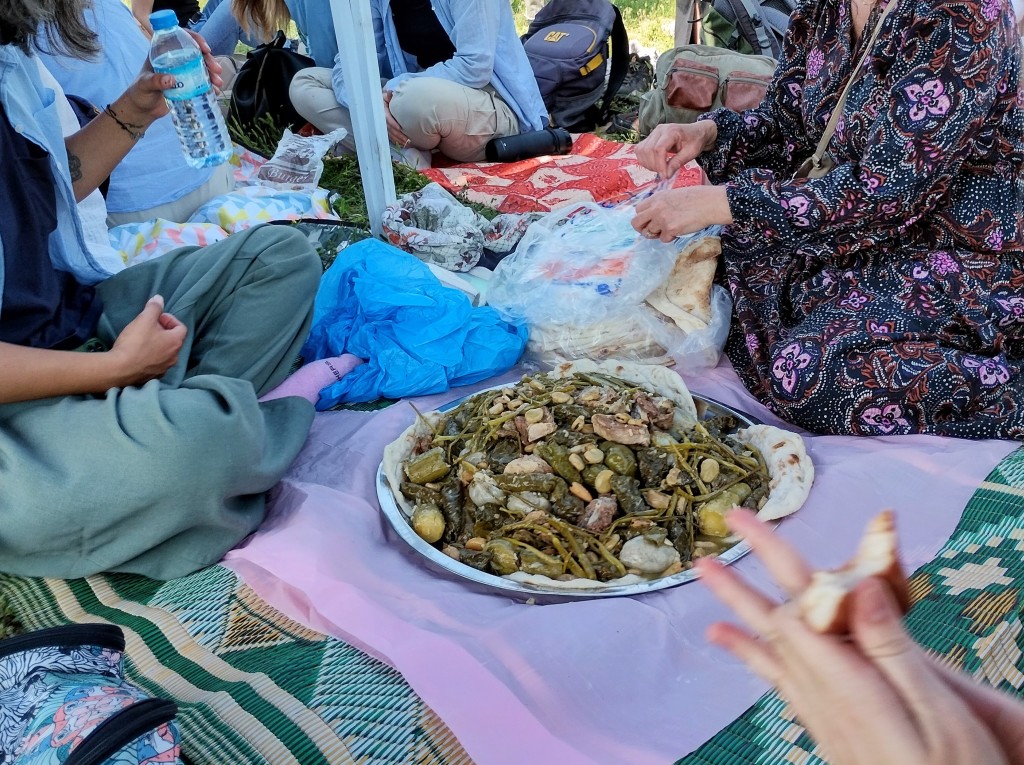
In Kurdish culture, dolma is never just food—it’s acceptance. To share dolma is to be welcomed as a friend. Between mouthfuls, we laughed, played games, and even tested each other with impromptu history quizzes.
Nearby, a group of young men launched into daring bike stunts, their energy as raw and fearless as the Kurdish hills. I confess, my heart raced at their lack of helmets, but their exuberance was infectious—a reminder that Kurdistan’s lifeblood is not only in its past but also in its restless, youthful present.
Khanzad Castle: A Princess’s Defiant Legacy
Our final stop was Khanzad Castle (Qalai Khanzad), just 22 km east of Erbil. Built in the 16th century under the Soran Emirate, it carries the indelible mark of Princess Khanzad, sister of King Mohammed.
Her story is as riveting as the fortress itself. After her brother was poisoned, Khanzad seized power and avenged his death with fearless resolve. From this hilltop fortress—with its four towers, gypsum-bound walls, and sweeping views—she commanded an army of nearly 50,000 soldiers.
Khanzad Castle itself is a beautiful example of traditional Kurdish architecture. While primarily designed for military purposes, evident in its four sturdy towers and thick defensive walls constructed from local stone and gypsum, it also incorporates elements of a residential palace. Its strategic location atop a rocky hill offers commanding views of the surrounding landscape, a testament to its defensive purpose.
A rare female ruler in her time, Khanzad embodied defiance, strategy, and strength. As I traced the arrowslits and the restored battlements (renovated in the 1970s), I could almost see her—standing tall, her gaze fixed on the horizon, a princess turned commander.
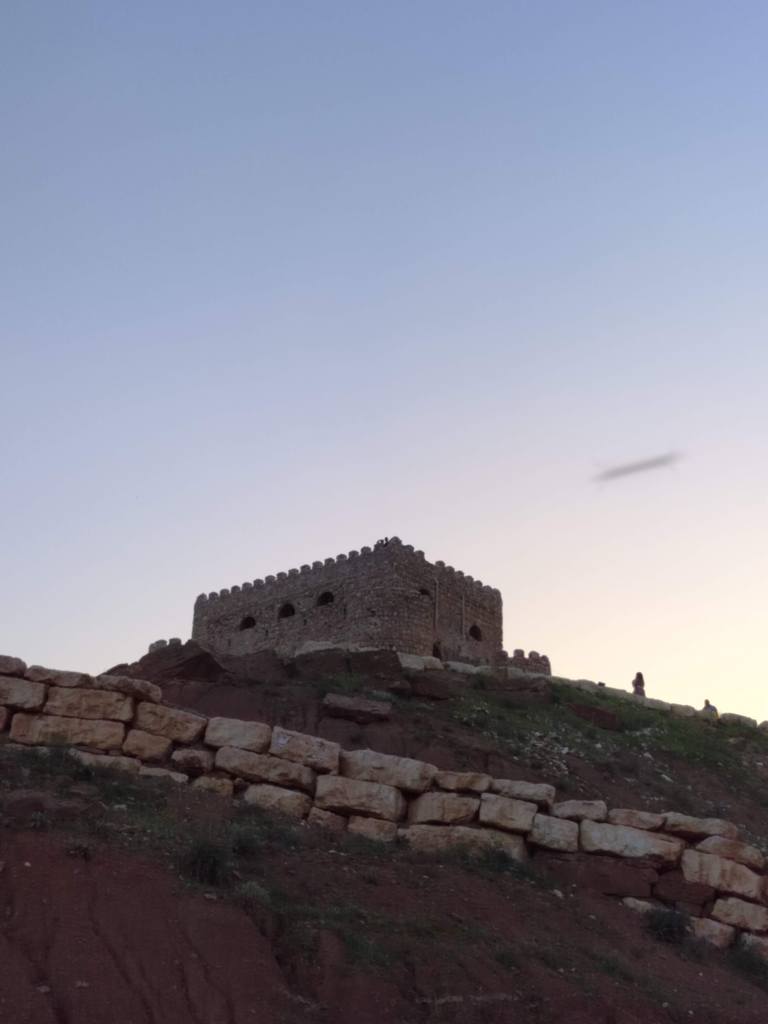
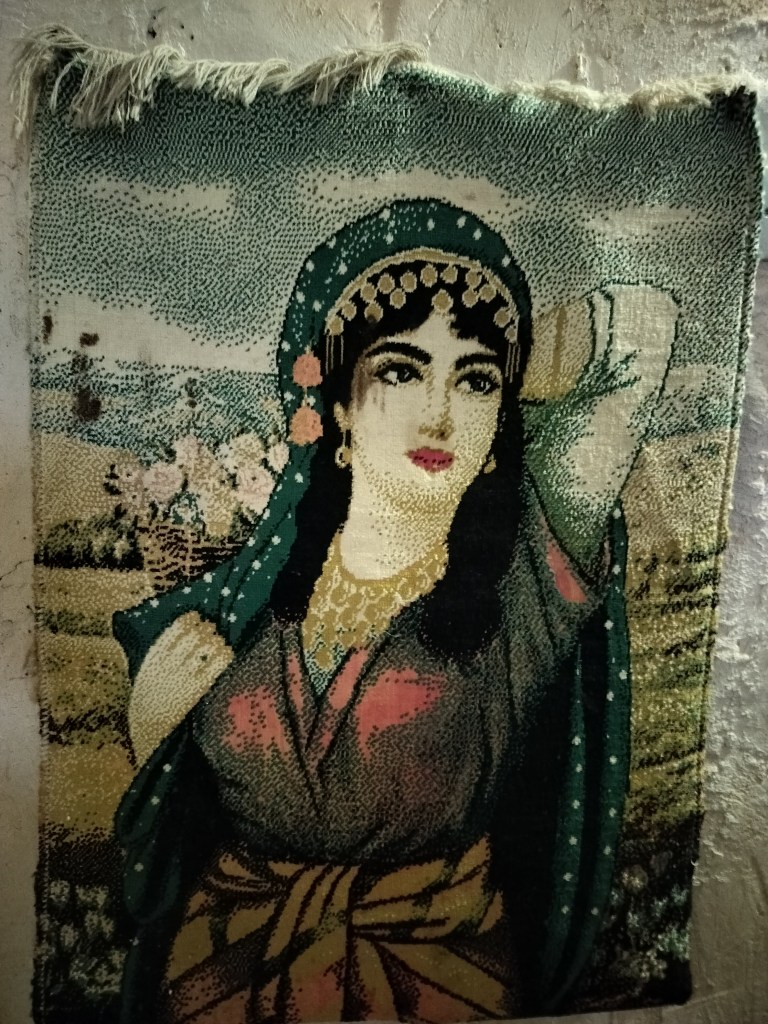
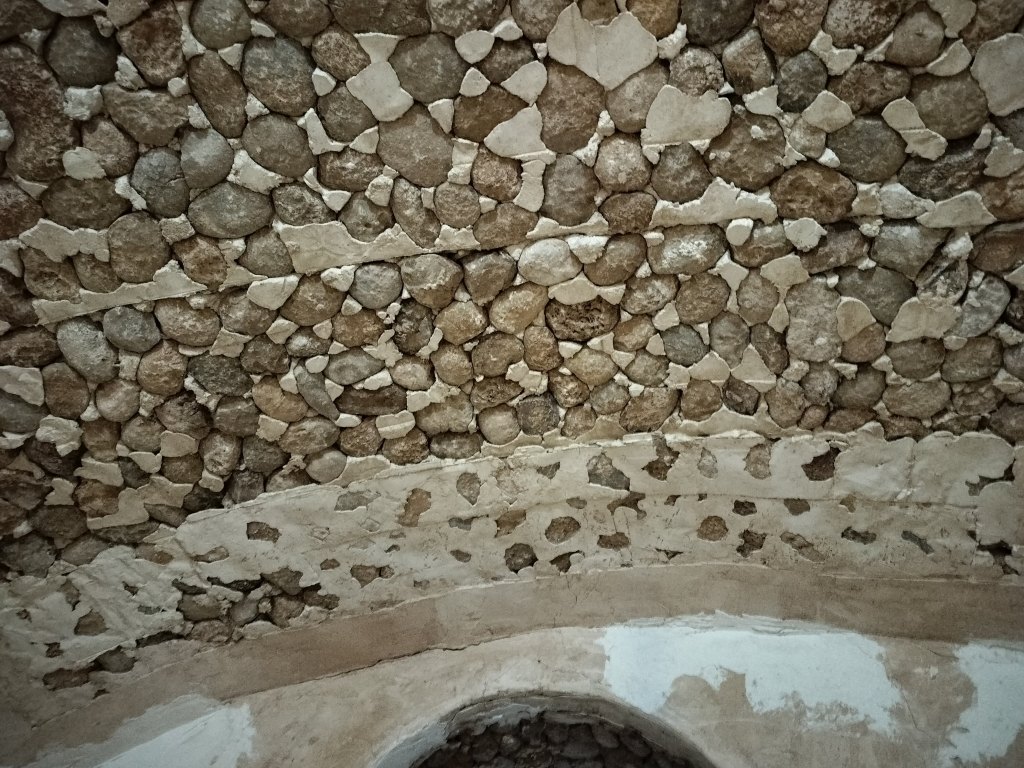
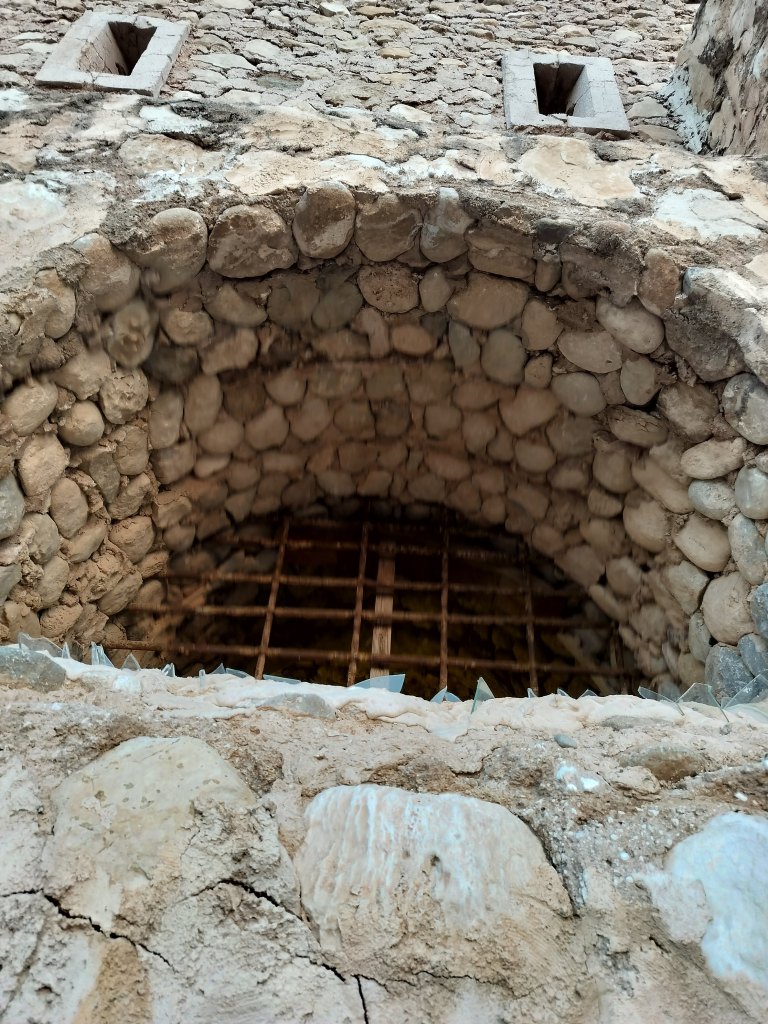
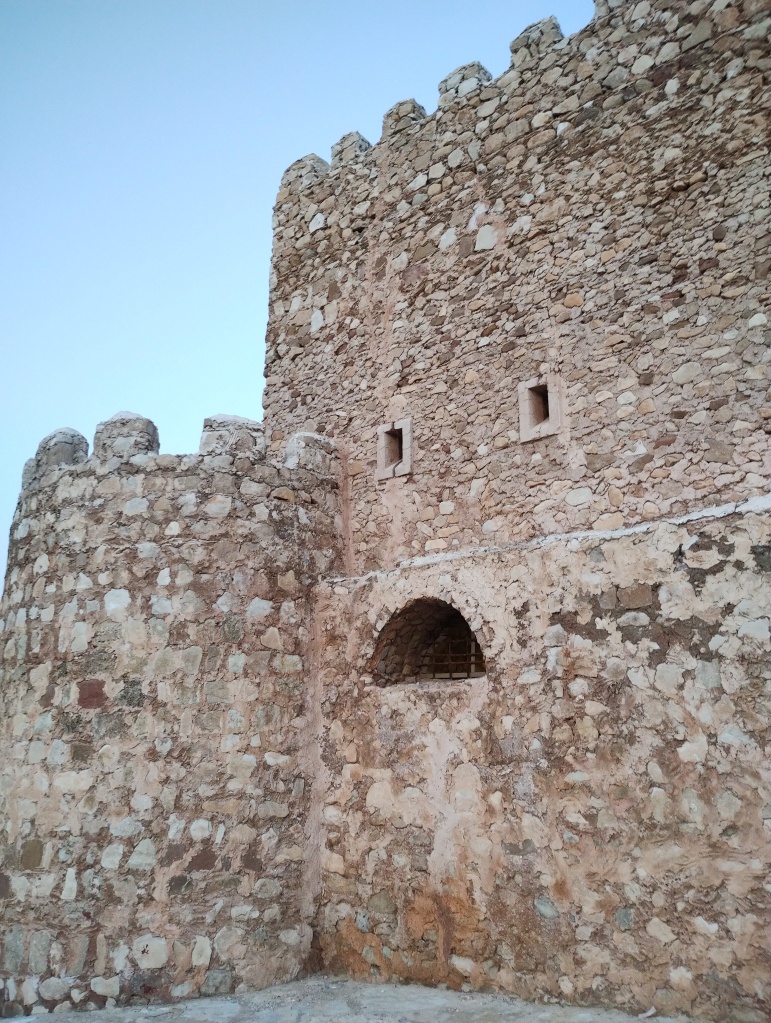
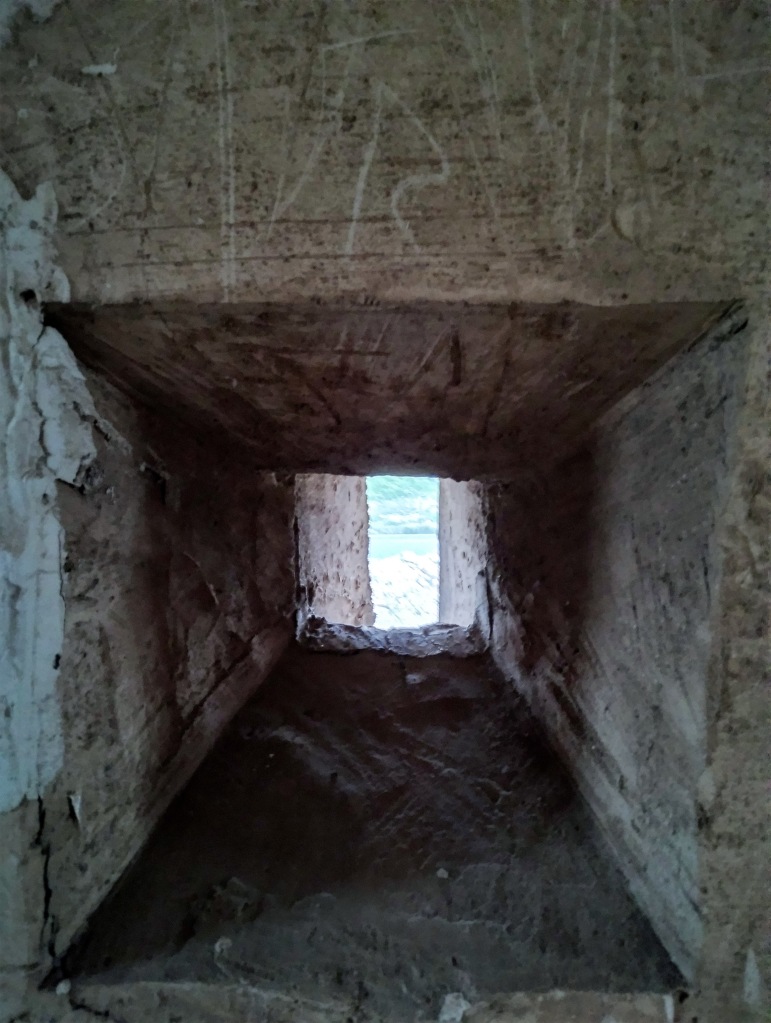
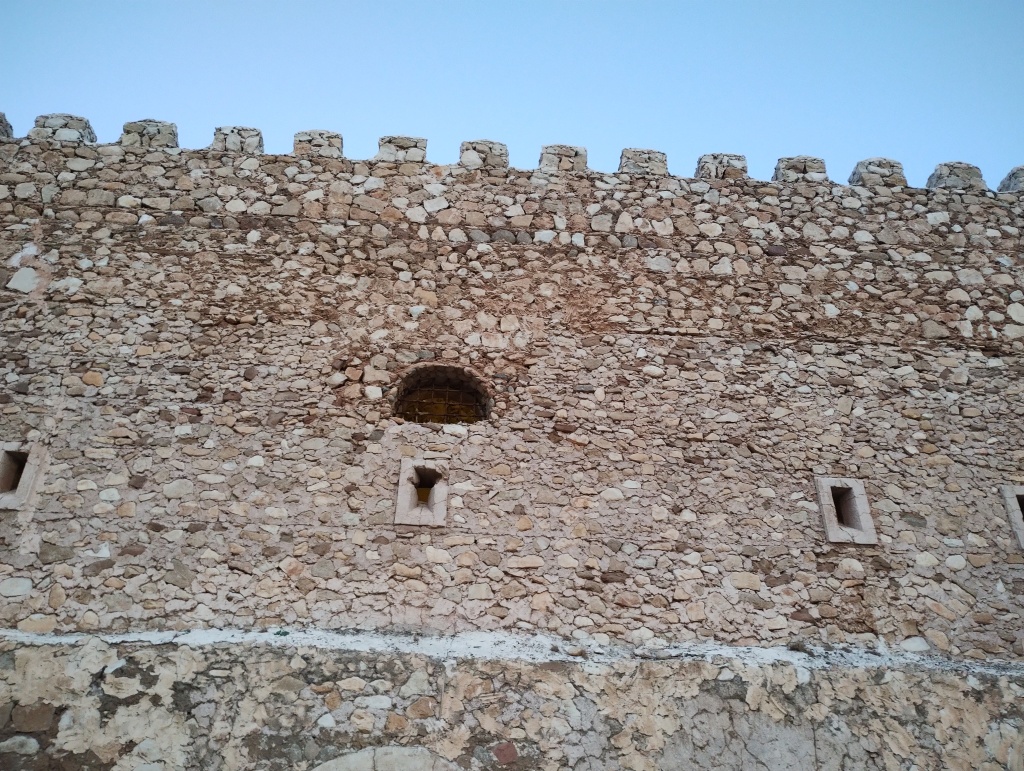
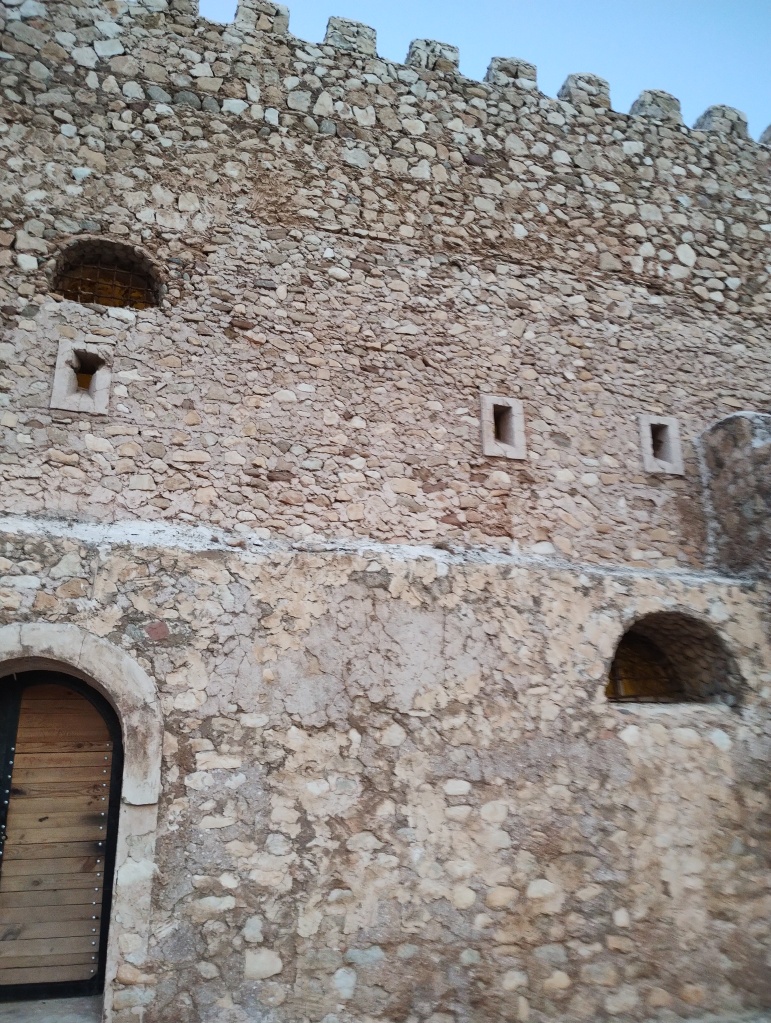
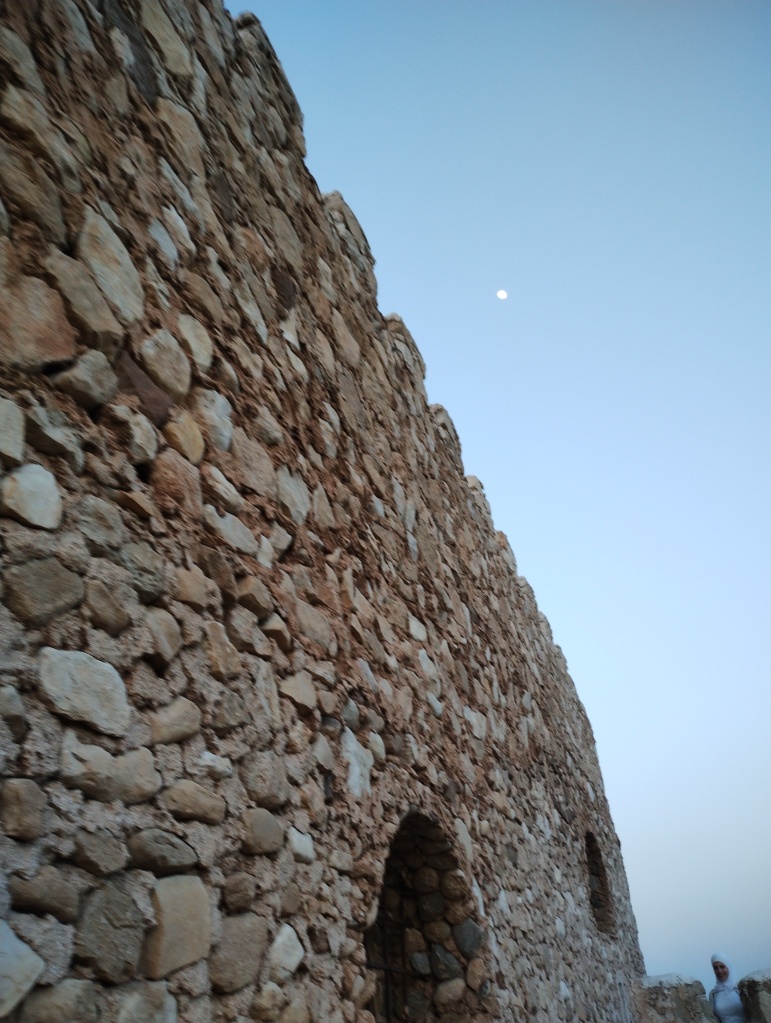
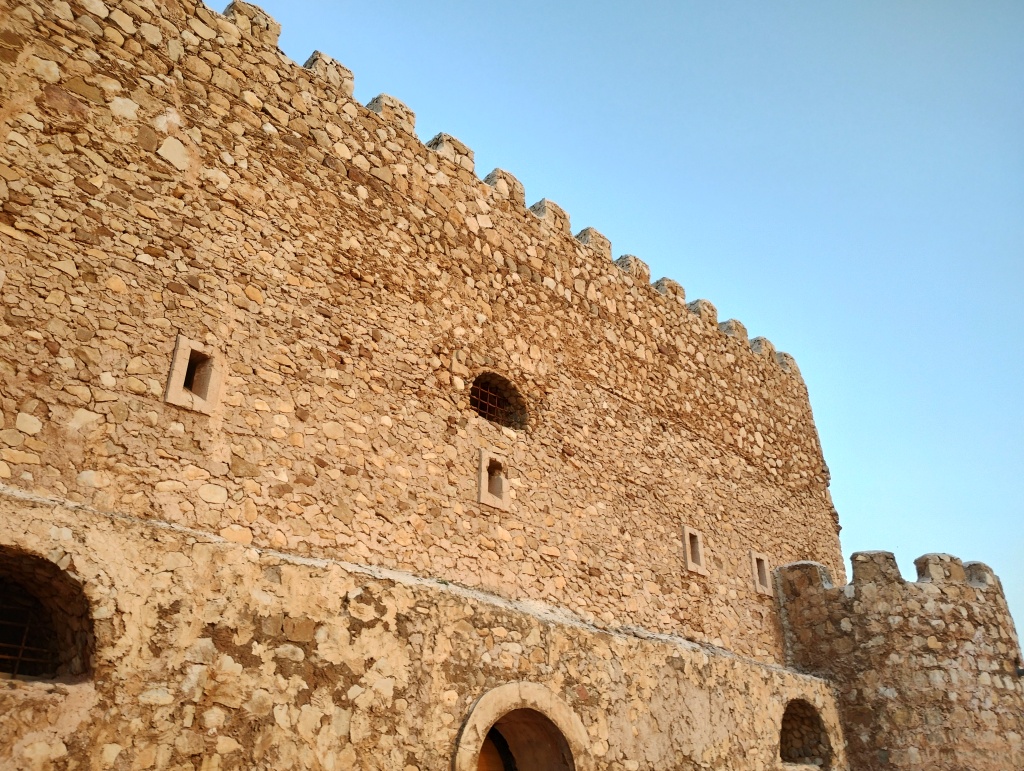
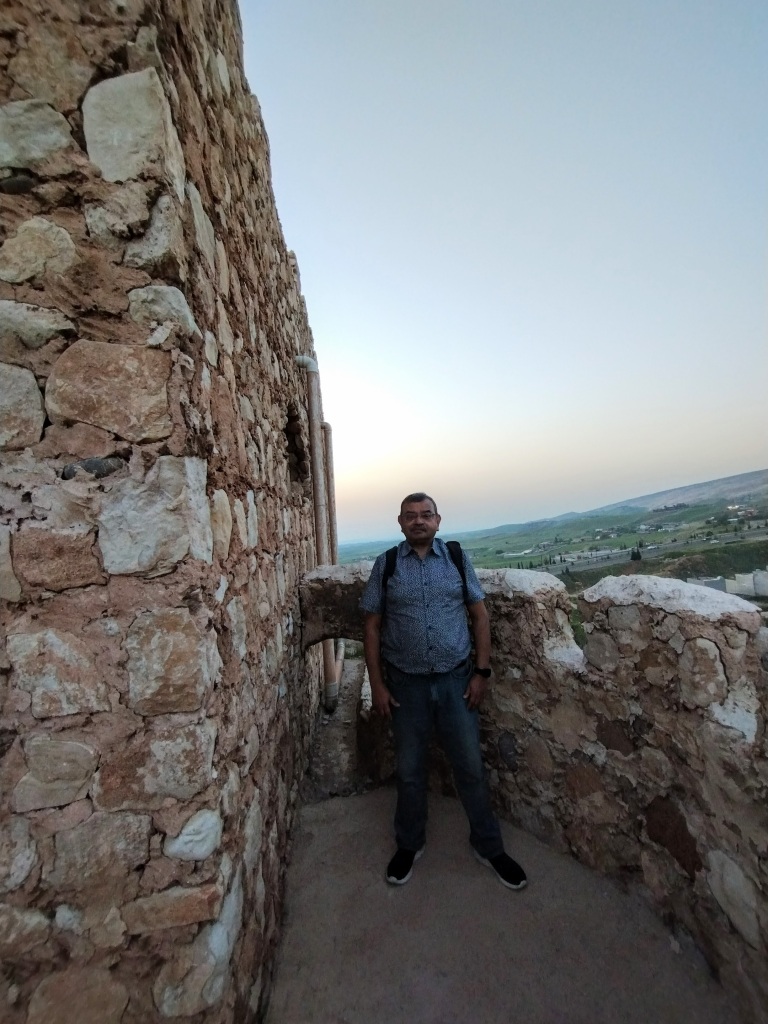
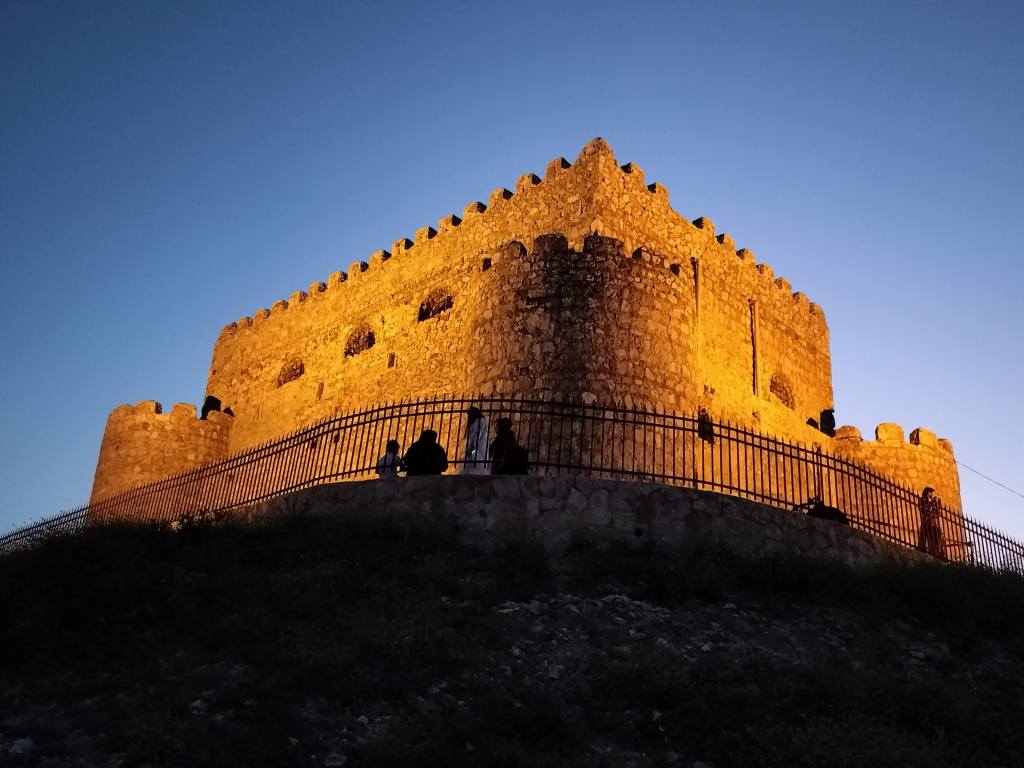
Khanzad Castle is not just stone; it is a legacy. It tells us that leadership is not bound by gender, but by vision and courage.
Sunset Reflections: Stones that Remember
By the time the sun bled into amber and violet behind Khanzad Castle, I felt the journey had transcended sightseeing. These weren’t just ruins. They were stories carved into the land—of emirs and merchants, warriors and princesses, triumphs and betrayals.
Kurdistan’s castles are more than heritage—they are memory itself. They remind us that history is not confined to books but lives in landscapes, in ruins, in people like Lana and Sameera who keep the past alive.
To Hany Hurmzi of Mesopotamian Tourism, who orchestrated this unforgettable journey, and to Lana, whose words turned stone into saga—thank you.
If ever your heart longs for a journey that bridges myth and memory, come to Kurdistan. Let its castles speak to you. Let its people welcome you. And let its history weave itself quietly into your own.

Love these tours. History is so much more interesting when you are not forced to study it in school 🙂
LikeLiked by 1 person
Yes, very true. I was hating history in school because of the dates and dynasties. History should be taught with site visits, their significance, and analysis of events.
LikeLike
Very interesting and informative.
LikeLiked by 1 person
Thanks 😊
LikeLike
Interesting. I have never heard of castles from this region. I guess they haven’t been highlighted lately, or could be because of turbulent past few years.
LikeLiked by 1 person
Yes, you’re right. Iraq was more in news for different reasons, unfortunately.
LikeLiked by 1 person
Thanks for information
LikeLiked by 1 person
Informative post on castles near Erbil. I knew of the Erbil Citadel before.
LikeLiked by 1 person
Thanks, Sanchita.
LikeLike