
Some discoveries are planned, researched, anticipated, and pinned on digital maps weeks in advance. Others arrive unannounced, like a gentle nudge from destiny, encountered while you are simply walking, thinking of nothing in particular. My introduction to Ba Bao Cha—the evocatively named Eight Treasure Tea—belonged firmly to the latter.
It was an unremarkable walk through our neighbourhood in Erbil, the kind that usually ends with little more than familiar sights and half-formed thoughts. As I passed by Empire Pearls, something new caught my eye—a modest, understated Chinese tearoom, newly opened and almost shy in its presence. No crowd. No chatter. Just quiet.
Curiosity, that old and reliable companion, took over.
A Tearoom Almost Empty—and Therefore Perfect
The tearoom was empty. No voices, no movement—only stillness. Behind the counter stood a Chinese woman, calm and unhurried, like a custodian of something far older than the space itself. The room carried no urgency to sell, no pressure to choose. It felt like a pause between two breaths.
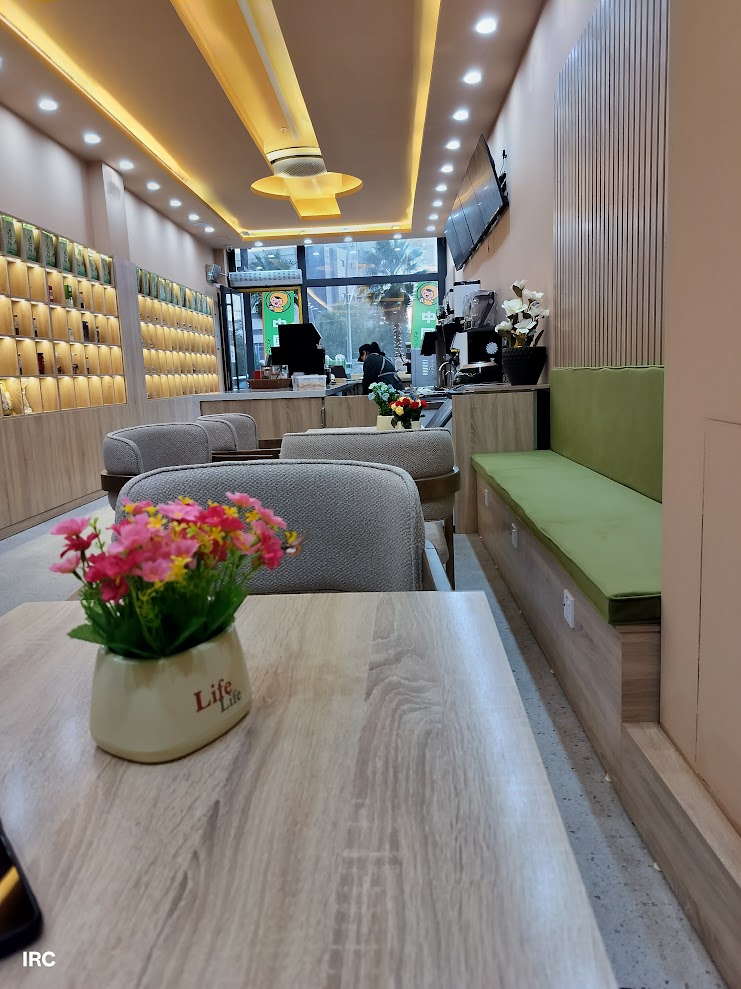
Displayed were collections of teas and juice combinations, unfamiliar names promising unfamiliar experiences. This wasn’t a place for the hurried. It was meant for pausing.
I browsed slowly, letting the names work their quiet magic. Then one name stood out.
Ba Bao Cha — Eight Treasure Tea
There was something irresistibly intriguing about the name Ba Bao Cha. Eight Treasures. It carried the weight of symbolism, of something ceremonial, almost imperial. On inquiry, I learned that this traditional Chinese tea is a blend of multiple ingredients—flowers, fruits, roots, and leaves—each chosen not just for flavour, but for balance, wellness, and harmony.
Unlike single-leaf teas that showcase restraint, Ba Bao Cha celebrates abundance.
Intrigued by both the name and its contents, I made my choice.
The Ritual of Preparation
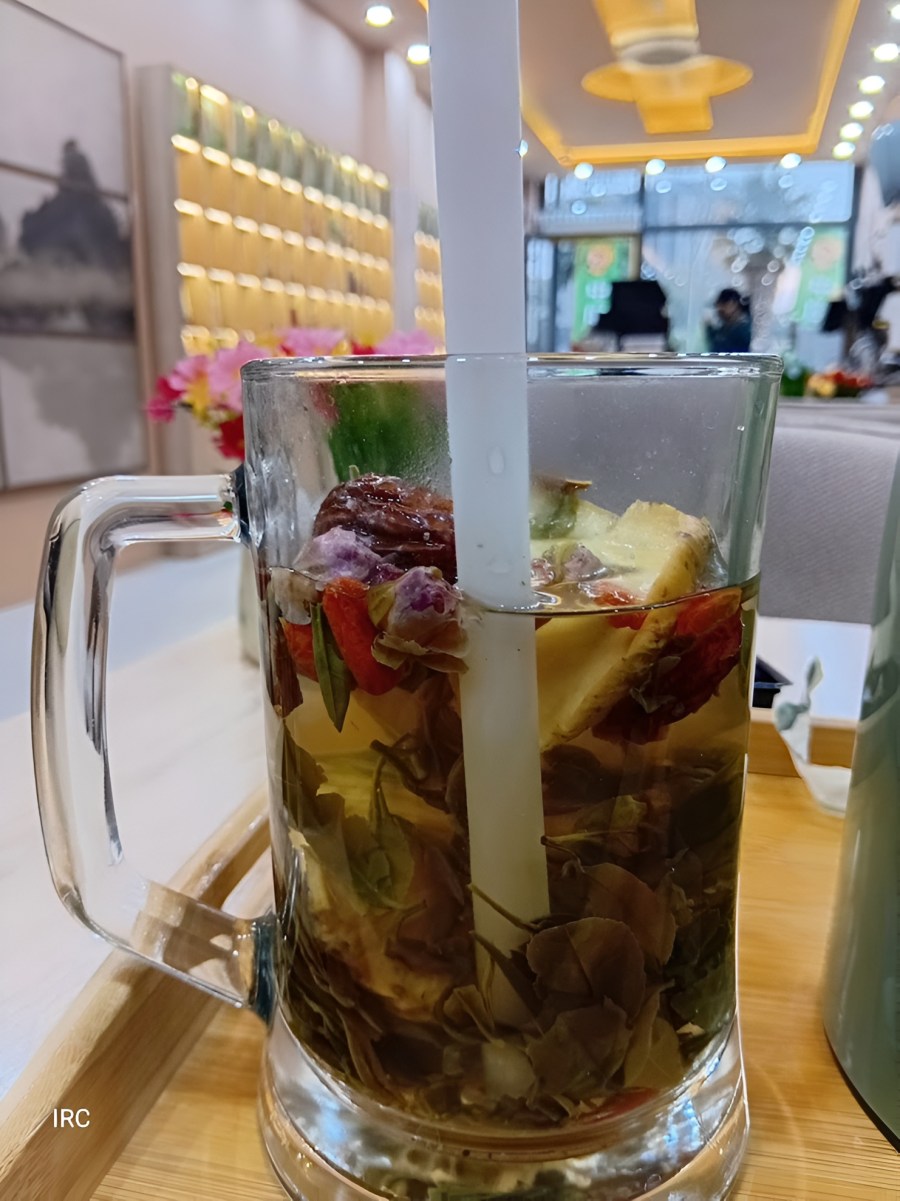
The tea arrived not as a hurried pour, but as a visual experience. Through the glass, one could see the treasures slowly awakening—goji berries plumping, dates softening, chrysanthemum petals unfurling, rock sugar dissolving gently, all coming together in warm water like a carefully choreographed performance.
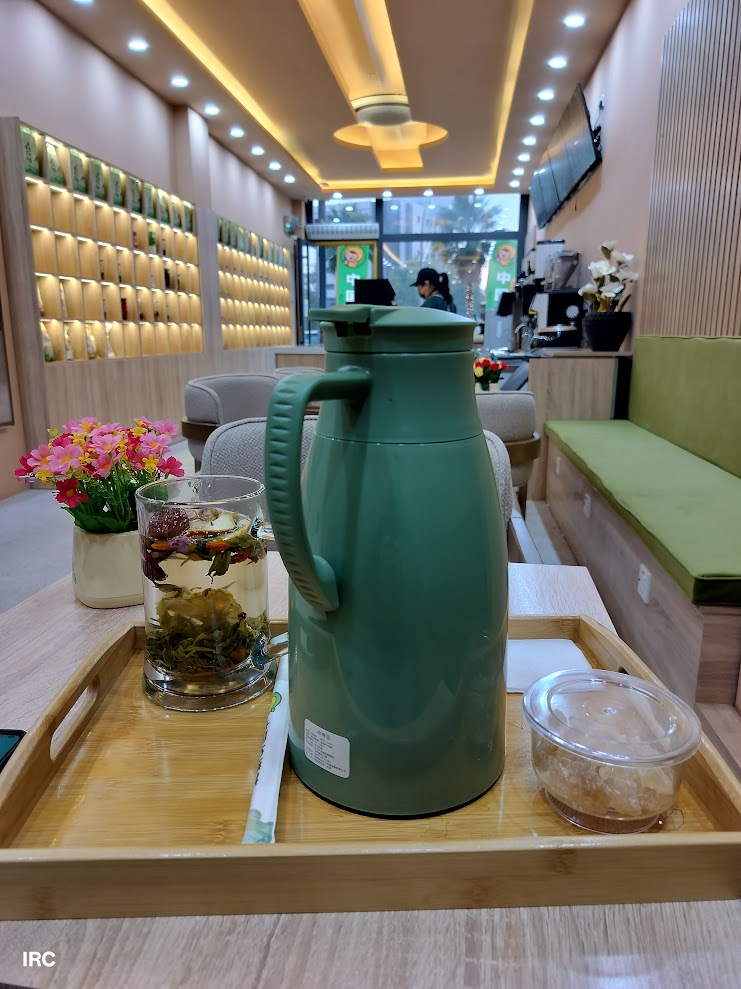
This was not tea meant to be gulped. It was tea meant to be observed, waited for, and understood.
First Sip: Gentle, Layered, Comforting
The first sip was… gentle.
Not sharp. Not aggressively aromatic. Instead, it unfolded in layers—a mild sweetness from dried fruits, floral notes that lingered softly, and an overall warmth that felt more nourishing than stimulating. No single ingredient sought attention. Everything existed in balance, as if each treasure knew its place.

It reminded me that some pleasures do not announce themselves loudly. They grow on you, sip by sip. It felt less like drinking tea and more like being tended to.
As I sat there, the silence of the tearoom enhanced the experience. No distractions. No urgency. Just a glass of tea, carrying centuries of tradition, now finding its place in a quiet corner of Erbil.
Tea as Culture, Not Beverage
What struck me most was how Ba Bao Cha transcends the idea of tea as merely a drink. In Chinese tradition, it is often associated with hospitality, balance, and well-being—a blend offered to guests, elders, or oneself as an act of care.
Here it was, thousands of miles from its origins, resting gently in my hands in Erbil. A reminder that cultures travel not only through books and borders, but through cups, rituals, and human presence.
A Serendipitous Pause in the Day
I hadn’t planned to stop. I hadn’t planned to drink tea. Yet, the unplanned often leaves the deepest impressions.
There is something deeply satisfying about discovering a new experience close to home, without fanfare. As I sat there, the silence of the room felt companionable, not empty. Outside, the world continued at its usual pace. Inside, time softened.
Final Thoughts: Eight Treasures, One Memory
The experience was, quite simply, nice—but in the most meaningful sense of the word. Calm. Thoughtful. Enriching.
I walked out lighter, warmed not just by the tea, but by the realization that even in familiar surroundings, there are still hidden treasures waiting to be found—sometimes behind an unassuming door, sometimes in a transparent cup where eight ingredients quietly tell their story.
This was not just about tasting Ba Bao Cha. It was about savouring a moment, discovering culture through serendipity, and finding comfort in the universal language of tea.
And I know this won’t be my last visit. Some doors, once opened, invite you back—again and again.

That sounds quite the experience, reminding me strongly of the Japanese tea ceremonies.
LikeLiked by 2 people
Truly, the similarities are remarkable. Thanks.
LikeLiked by 1 person
This is an exquisite piece of writing. You’ve managed to take a simple walk in Erbil and turn it into a profound meditation on discovery and cultural grace. What I love most is how you framed the emptiness of the tea room not as a lack of business, but as a ‘sanctuary of stillness.’ You’ve captured that rare, delicate tension between the ancient, imperial history of Ba Bao Cha and the humble, ‘almost shy’ reality of a new shop in Empire Pearls.
Your description of the ‘ritual of preparation’ is truly evocative; I could almost see the treasures plumping and unfurling through your words. You moved beyond the taste of the beverage to find the soul of the experience—the idea that this tea is an ‘act of care’ rather than just a drink. There is a beautiful irony in finding a Chinese tradition of harmony and balance in the heart of Erbil, and you handled that cross-cultural bridge with such sensitivity and poetic insight.
Thank you for the reminder that ‘time softens’ when we allow ourselves to be led by curiosity rather than a digital map. Your prose is as layered and nourishing as the eight treasures themselves, leaving me feeling just as ‘tended to’ as you were in that quiet shop. It’s a masterful reminder that the most meaningful discoveries are the ones we don’t go looking for.
LikeLiked by 1 person
Thank you so much for this generous and deeply attentive reading.
LikeLike