Ilish: The Queen of Bengali Cuisine & Tradition

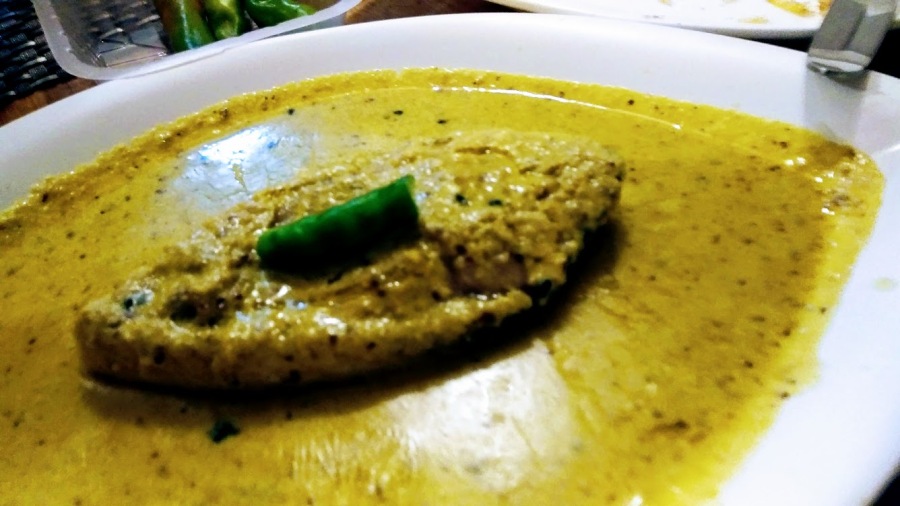
In Bengal, the Hilsa fish, or "Ilish," is cherished as the "Queen of Fish," symbolizing Bengali identity and cultural heritage. During the monsoon season, families come together to enjoy Hilsa in traditional recipes, celebrating the season's bounty. Beyond its culinary significance, Hilsa plays a vital role in Bengali festivals and represents a bond across borders. Efforts to conserve the threatened Hilsa reflect the enduring love and cultural significance of this beloved fish.

Mocha: The Heart of Bengali Cooking & Heritage

Bengal’s culinary treasure, Mocha (banana flower), holds cultural significance and nutritional value. Its delicate florets, meticulously prepared, feature in traditional dishes like Mochar Ghonto and Mochar Chop, symbolizing Bengali ingenuity. With auspicious connotations, Mocha is integral to religious and festive feasts. For Bengalis, it represents an art form, a connection to their heritage, and a culinary adventure worth exploring.

Shukto: A Bengali Legacy of Bitter Delights

Bengalis are known for their love of diverse flavors, particularly their fondness for bitterness in their cuisine. Shukto, a revered first course in Bengali meals, is a bitter-sweet vegetable medley featuring a blend of vegetables simmered in a mildly spiced, creamy sauce. The dish, rooted in ancient Ayurvedic principles, holds deep cultural significance and is cherished for its unique taste, nutritional benefits, and nostalgic associations.

Chingri Malai Curry: A Culinary Journey Through Bengal’s Rich Heritage

Bengal is renowned for its rich cultural landscape and distinctive culinary heritage, with Chingri Malai Curry emerging as a hallmark of its gastronomy. This prawn dish ranks 31st in Taste Atlas's World's 50 Best Seafood Dishes, making it India’s only representative on the list. Chingri Malai Curry blends local traditions with British colonial influences and Southeast Asian flavors, symbolizing Bengali hospitality and cultural stories. For many, it also evokes cherished family memories and togetherness, showcasing Bengal’s culinary evolution.

Mughlai Paratha at Anadi Cabin: A Culinary Legacy in Kolkata

Anadi Cabin in Kolkata has been serving its renowned Mughlai Parathas for nearly nine decades. The establishment, founded by Balaram Jana, exudes a timeless charm. Jana's philanthropic spirit led to the establishment of a school near Bengal-Odisha border, fueled by a portion of the shop's earnings. Anadi's Mughlai Parathas are not just a dish; they represent the enduring commitment to quality and tradition, making it a must-visit in Kolkata.

A Taste of Heritage: Breakfast at Adi Haridas Modak

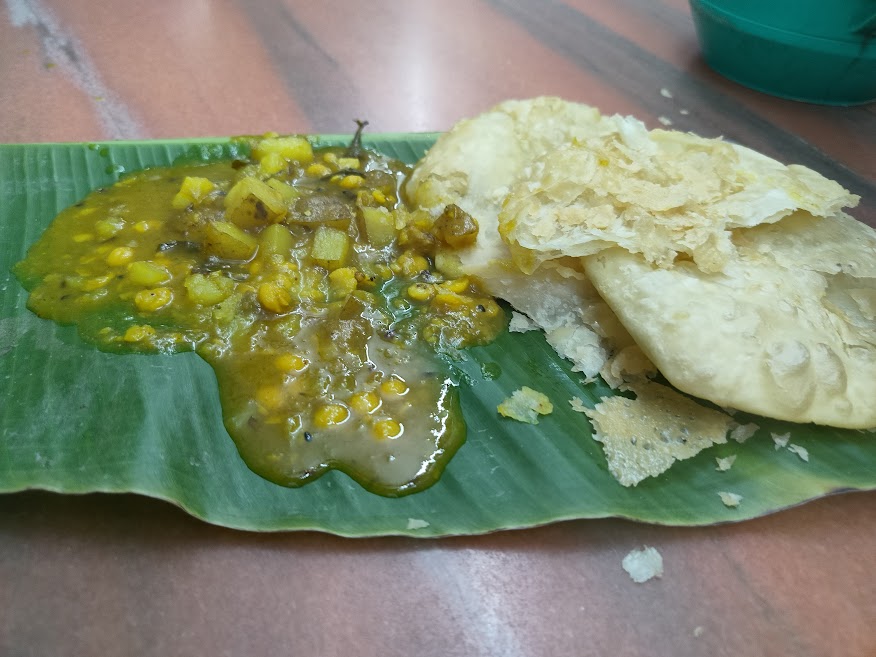
Kolkata's street food is an inseparable part of the city's character, rich in flavors like phuchka and jhal muri. Adi Haridas Modak, near Shyambazar, serves as a nostalgic meeting point, offering classic Bengali breakfasts like kochuri and chholar daal. With a history stretching over 250 years, it embodies authenticity and cultural heritage, where every meal transcends mere sustenance, nurturing connections and memories among generations.

Lobongo Lotika: A Sweet Hymn to Heritage & Rain-Soaked Memories

On a rainy summer evening, nostalgia prompts a reflection on Lobongo Lotika, a cherished Bengali sweet. This recipe, rooted in tradition, symbolizes celebration and family love, particularly reflecting the influence of the author's mother-in-law. Making it becomes a meditative ritual, preserving heritage while fostering connections with loved ones through shared joy and memory.

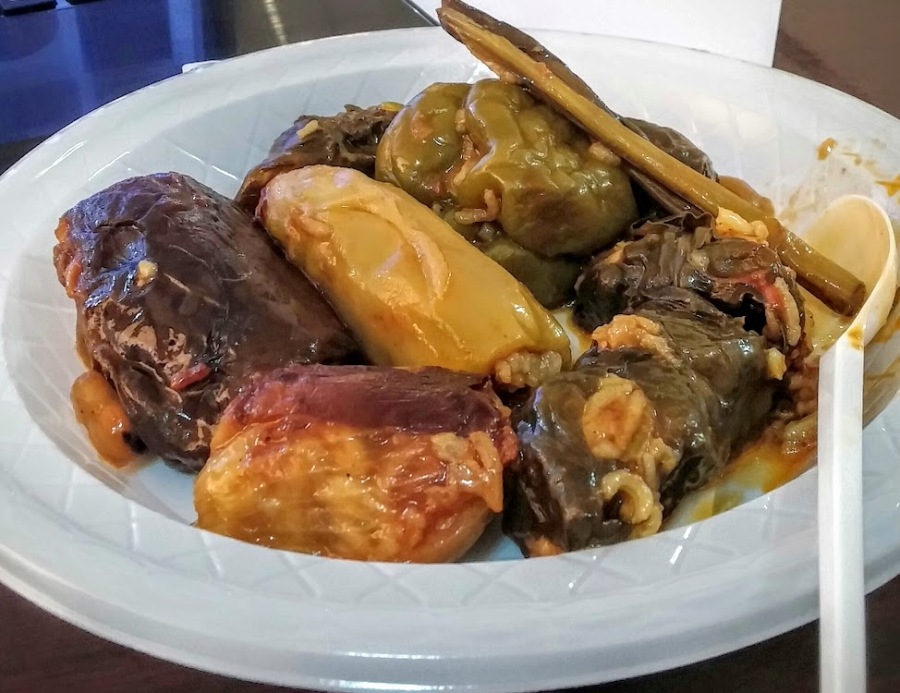
Dolma

Dolma: The Stuffed Secrets of Togetherness

Dolma, a beloved dish with stuffed vegetables like grape leaves, peppers, and eggplants, reflects a culinary evolution across the Mediterranean, Middle East, and India. With origins in the Ottoman Empire, dolma has evolved through Byzantine refinement and Arab influences, reaching diverse regions like Greece, Azerbaijan, and Bengal. Today, it continues to captivate palates with vegetarian and vegan variations, embodying the spirit of cultural exchange and culinary exploration.

Posto: The Bengali Ingredient with a Rich Legacy

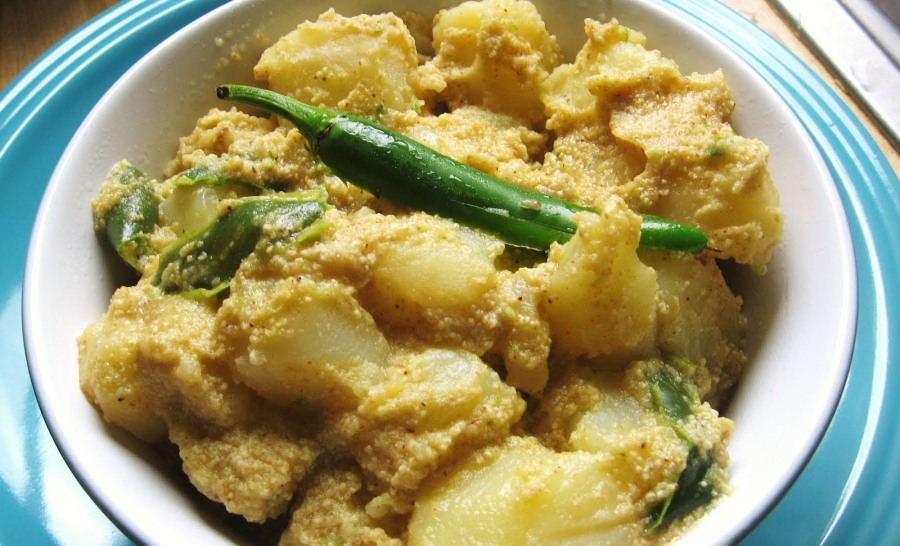
The nostalgia sparked by a friend's murgi posto photo leads to an exploration of poppy seeds' historical significance within Bengali cuisine. Originally valued for medicinal properties, they gained culinary importance amid colonial exploitation. Women creatively transformed discarded seeds into beloved dishes, enriching Bengali kitchens. The journey of posto reflects resilience and cultural legacy, turning hardship into a treasured staple that connects generations and celebrates culinary ingenuity.