

As someone who has long admired the depth and diversity of Middle Eastern cuisine, I thought I had tasted it all—mezze platters, shawarma, falafel, kunafeh. Yet nothing prepared me for the unforgettable experience of Quzi, Iraq’s most celebrated dish. To call it food would be an understatement—Quzi is history on a plate, a symbol of hospitality, and the very essence of Iraqi culinary heritage.
The Prelude: Mezze and Togetherness
In Iraq, a meal is never rushed. It begins with mezze, a collection of small plates that tease the palate and invite conversation. Mezze (pronounced mez-ay) is a tradition that stretches from the Levant to the Mediterranean, but in Baghdad, it felt uniquely alive.

Our table quickly filled with colourful salads, steaming bowls of soup, and warm, freshly baked bread. The crisp crunch of vegetables, the comfort of spiced broth, and the pillowy softness of bread made every bite feel like an embrace. More than the flavours, I was struck by the togetherness that mezze fosters. It isn’t just food—it’s a celebration, a moment shared, a gentle reminder that meals are meant to connect people.

The Arrival of a Legend
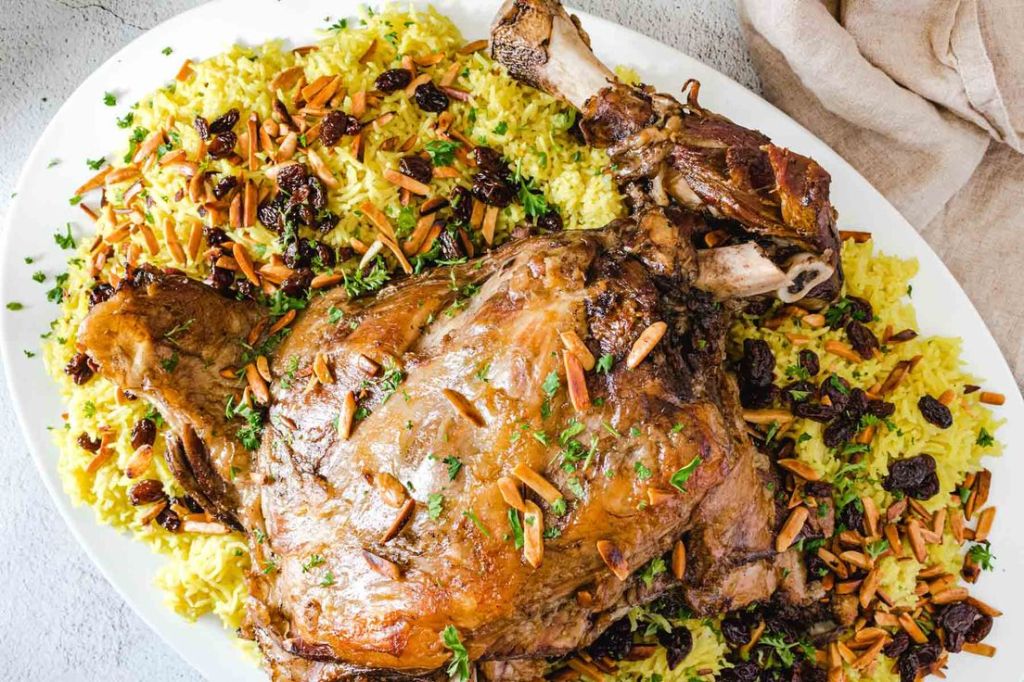
And then, the star of the show appeared: Quzi.
Placed before us was a feast that looked almost regal. A whole roasted lamb, tender and glistening, lay atop a bed of fragrant rice. The rice shimmered with the richness of broth, jeweled with golden raisins, and scattered with almonds that added a final touch of elegance. The air filled with the perfume of spices—cardamom, cinnamon, cumin—each one whispering tales of caravans, empires, and centuries of culinary exchange.

Taking my first bite, I was overwhelmed. The lamb, slow-cooked in a rich tomato-based sauce, was so tender it dissolved on my tongue. The rice carried the depth of the broth, fluffy yet flavour-packed, a perfect counterbalance to the richness of the meat. Then came the surprise—the raisins, sweet and plump, colliding with the crunch of almonds to create a play of contrasts that elevated the dish to a masterpiece.

The Feast Beyond the Plate
Quzi doesn’t come alone. Around it, a host of side dishes complete the experience. Spiced rice and bulgur brought texture and balance, while hearty stews of white beans, okra, and spinach added comfort and depth. Each side dish felt like a supporting actor, enhancing the grandeur of the main star.
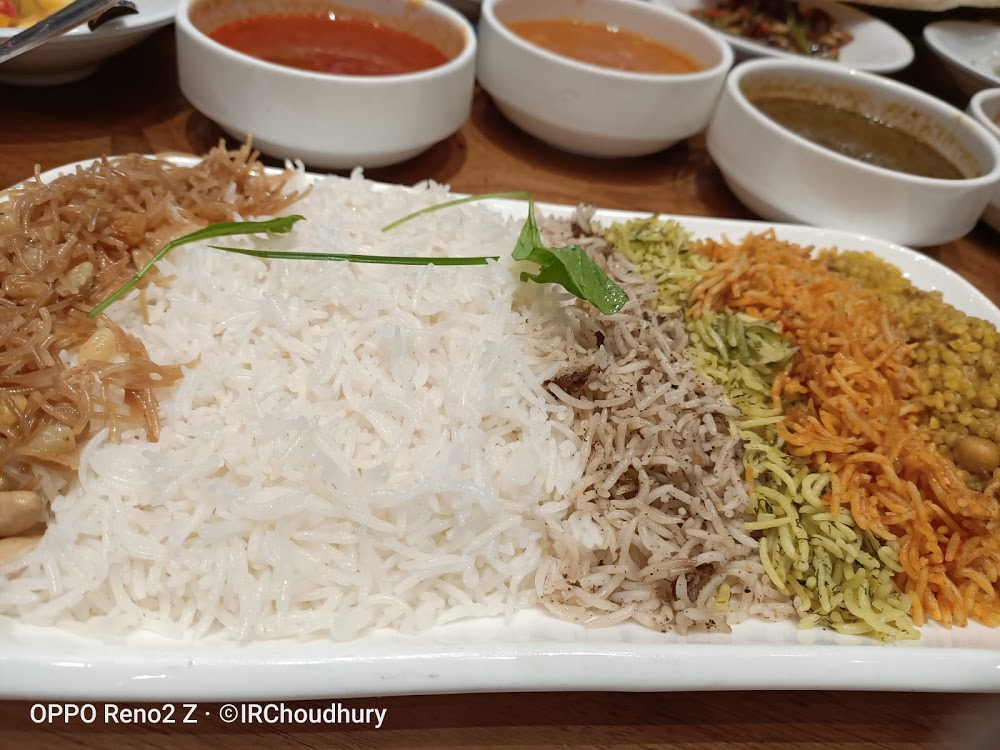
This wasn’t just a meal—it was a banquet. A reminder that in Iraq, food is never just about sustenance; it’s about abundance, generosity, and community.
A Dish Woven with Tradition
What makes Quzi truly special is its place in Iraqi life. It’s not an everyday dish—it is reserved for moments that matter most. Weddings, festivals, family gatherings, birthdays, and national holidays all call for Quzi. Serving it is a gesture of honour, a way to show guests that they are valued and cherished.

As I sat there, surrounded by laughter, conversation, and the aroma of this magnificent dish, I felt a deep connection—not just to the food, but to the tradition it represented. In that moment, I wasn’t just eating in Baghdad; I was sharing in centuries of hospitality, culture, and joy.
Conclusion: More Than a Meal
Quzi is more than roasted lamb and spiced rice. It is the soul of Iraq, captured in a dish that celebrates family, heritage, and togetherness. It’s comforting and complex, festive and familiar, all at once.
If you ever find yourself in Iraq—or at a Middle Eastern restaurant lucky enough to serve authentic Quzi—do not hesitate. Taste it. Experience it. Celebrate it. Because Quzi isn’t just a meal—it’s a memory, a story, and a celebration you’ll carry with you long after the last bite.

When you ordered Quzi, does it mean the whole lamb or a portion of it?
Also, people like me who are small eaters, the bread and soup will fill up the stomach, where will be the space for Quzi??
LikeLiked by 1 person
Yes, you can’t have your meal in a restaurant here if you go single.They pamper your with so much quantity that there would be a lot of wastage. I hate wastage of food in the name of hospitality. We at least go two persons and share a plate. In restaurants, they don’t serve a lamb if you order for a plate or two, they serve only pieces. But the rice quantity is too much. Anyway, this is the style in Baghdad.
LikeLike
The description of Quzi is simply mouth-watering! Your posts on the Iraqi cuisines deserve a full series and I think you can publish them as an e-book later.
LikeLiked by 1 person
Hahaha! Thanks, Maniparna.
LikeLiked by 1 person
And the shape of the Istikan resembles some of the vessels found from the Mesopotamian ruins!
LikeLiked by 1 person
Cultural spread.
LikeLiked by 1 person
You’re right, Somali.
LikeLiked by 1 person