
During the COVID-19 pandemic, our lives have been upended in ways we never anticipated. From social distancing to face masks becoming the norm, the virus has reshaped our daily routines and heightened our awareness of hygiene practices. For many, these changes are prudent measures to curb the spread of the virus. However, for some, especially those living with anxiety disorders like obsessive-compulsive disorder (OCD), these precautions can become triggers for intensified symptoms.
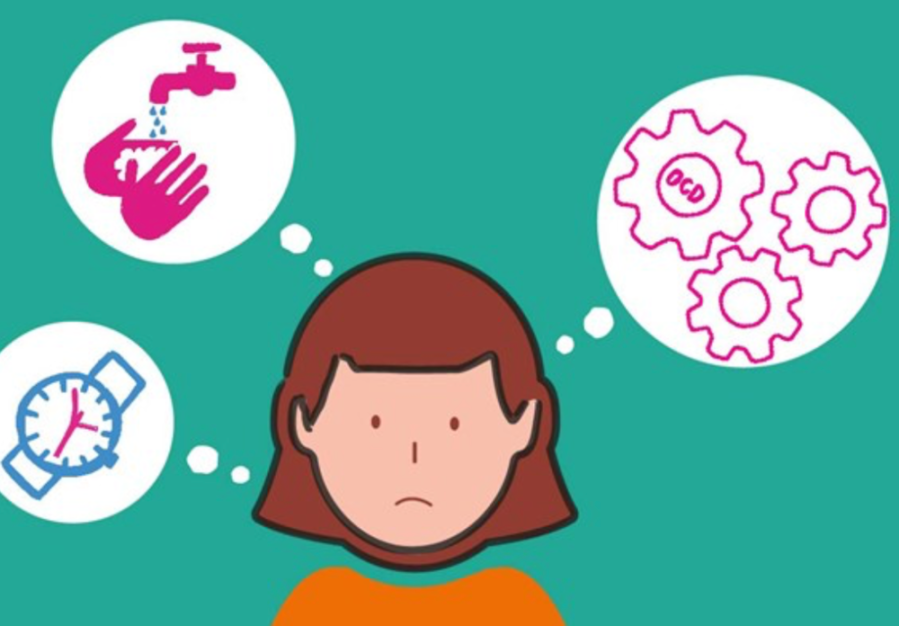
The relationship between COVID-19 and OCD has become a topic of concern among health professionals and the public alike. It’s no secret that obsessive thoughts about contamination and excessive hand washing are hallmark symptoms of OCD. In the current climate, where meticulous hand hygiene is crucial, individuals with OCD may find themselves caught in a paradoxical situation: while the world advises thorough hand washing, OCD can compel them to wash their hands far beyond what is necessary for health.
Dr. Stephen Whiteside, a clinical psychologist specializing in OCD treatment, sheds light on this issue: “The fear of getting sick is larger than the actual risk for OCD patients. They spend considerable time and effort managing their fears through rituals like hand washing, which can be impairing and disruptive to their daily lives.”
Moreover, the constant influx of news updates and social media posts about COVID-19 can exacerbate anxiety levels for everyone, not just those with OCD. The World Health Organization (WHO) has acknowledged this impact and recommends limiting exposure to news that causes distress. Dr. Whiteside advises, “Limiting news consumption and taking breaks from social media can help in managing anxiety during these uncertain times.”
Interestingly, the pandemic has also highlighted the broader spectrum of anxiety-related behaviours that were once viewed differently. Practices such as using elbows to open doors or avoiding touching one’s face were previously considered extreme, but are now commonplace. This shift underscores how public health emergencies can redefine societal norms and influence individual behaviours.
Professor Craig Jackson, from Birmingham City University, warns about the unintended consequences of public health messaging on OCD patients: “There is a risk that the emphasis on hygiene to combat COVID-19 could reinforce obsessive behaviors in susceptible individuals.”
Amidst these challenges, it’s important to strike a balance between necessary precautions and maintaining mental well-being. Recognizing when anxiety is escalating and implementing coping strategies can make a significant difference. Whether it’s practising mindfulness, staying connected with loved ones, or engaging in activities that bring joy, finding ways to manage stress is crucial.
As we navigate this unprecedented time, compassion and understanding towards those struggling with mental health conditions like OCD are more important than ever. Educating ourselves about these conditions and offering support to those who need it can help mitigate the negative impact of COVID-19 on mental health.
In conclusion, while the fight against COVID-19 requires vigilance and adherence to public health guidelines, it’s equally vital to prioritize mental health and well-being. By fostering a supportive environment and practising self-care, we can emerge from this crisis stronger, both individually and collectively.
Remember, in the face of uncertainty, kindness and resilience can be powerful allies.

Yes, because of the media and social media, coronavirus may ultimately go away leaving behind may patients of OCD and paranoia!. Nice post, Indrajit.
LikeLiked by 1 person
Thanks, Nilanjana. You’re right. Hope the coronavirus menace gets over soon.
LikeLike
The constant barrage of dos and don’t make you believe that if you don’t wash hands, you will certainly get infected with Covid. Unfortunately, it is not just Covid, the influence of media and SM in many ways creates adverse impact as mentioned here by your post. People should also use their brains and not overreact.
LikeLiked by 1 person
You’re very right, Arvind. Thanks.
LikeLiked by 1 person
you are welcome.
LikeLiked by 1 person
True… amidst all the craze over the Corona virus, it’s almost impossible to stay sane.
LikeLiked by 1 person
I would just comment on the social media specifically… The more we dive in it, the worse it will be since almost 95 percent of what we hear from social media is either exaggerated or false…. Nice post. Thank you and have a nice day🙂
LikeLiked by 1 person
Thanks Neha. Stay safe.
LikeLiked by 1 person
Stick to the basics might be the best advice.
LikeLike
I hope more frequent hand washing will be useful even when all this is over.
LikeLike
Sure. We’ll remember Novel Coronavirus for enhancing our basic hygiene.
LikeLike