

The air was rich with the scent of damp earth and blooming jasmine as our car pulled away from our cosy stay in Jaldapara. Today was a day I had quietly been looking forward to – a day trip across the border to Phuentsholing, the vibrant gateway town that marks Bhutan’s southern edge. It wasn’t my first visit; a distant memory from 1988 flickered in my mind, sepia-toned and full of nostalgia, reminding me of a place I was eager to rediscover.
Phuentsholing is located on the southern border of Bhutan, adjacent to the Indian state of West Bengal. Phuentsholing in Bhutan is around 25 km from Jaldapara in West Bengal via Hasimara. During our short stay in Jaldapara, we planned to visit Phuentsholing. I had visited this place long ago in 1988.
Our journey began along NH-31, a ribbon of road flanked by lush tea gardens whose manicured slopes whispered tales of fertile soil and generations of careful cultivation. As the landscape gently shifted, hints of the mighty Himalayas appeared in the distance. Passing through Hasimara, cradled between the Torsa and Basra rivers, we could sense the mountains’ stories flowing into the plains.

The anticipation grew with every kilometre, and soon enough, we were approaching the iconic Bhutan Gate. Even from a distance, its grandeur was evident. Intricately carved woodcraft adorned the structure, painted in vibrant hues and fluttering with colourful prayer flags. Stepping through this gate felt like stepping into another world. The immediate contrast was striking – a noticeable difference in architecture, a palpable sense of cleanliness, and a more disciplined flow of traffic. It was a visual representation of the distinct identities of India and Bhutan, standing side-by-side in peaceful coexistence. Of course, no border crossing is complete without a photo, and we happily obliged, capturing the moment of transition.


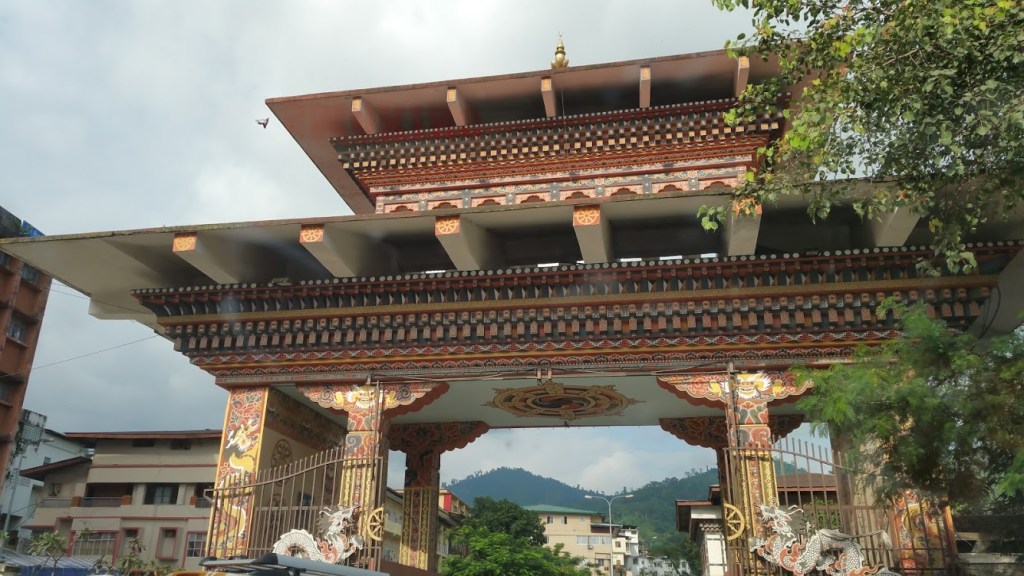
One of the practical aspects of visiting Phuentsholing as a day tripper is the ease of entry. For a visit to this border town, no special permits are required. This convenience makes it a popular point for those wanting a quick taste of Bhutanese culture or a transit point to explore further into the country.

Once in Phuentsholing, the town’s energy was immediately palpable. Bhutanese, Nepalese, and Indian influences converged here, creating a lively, colourful atmosphere. Following local advice, we hired a taxi from the Tashi Commercial Centre to explore the town’s highlights.


As we stepped out of our car, a sudden, sharp crash startled us. A window from the first floor of the adjacent building had plummeted to the ground, landing just inches from where I stood. A wave of shock washed over me, quickly followed by a surge of relief. Unharmed, I couldn’t help but chuckle at the dramatic “welcome” – perhaps Bhutan was indeed as excited for our visit as I was!
Our first stop was the Karbandi Monastery (Gumba), perched at 400 meters above sea level. The winding ascent offered breathtaking views of Phuentsholing and the plains of West Bengal.

Founded in 1967 as the winter residence of Ashi Phuntsho Choedron, the monastery exudes serenity. Inside, statues of Shabdrung Ngawang Namgyal, Guru Rinpoche, and Shakyamuni Buddha radiate calm, while eight Tibetan Buddhist stupas symbolise Guru Rinpoche’s reincarnations. Legend has it that couples seeking blessings for children often visit here, and the monastery has since become a beacon of hope and faith.

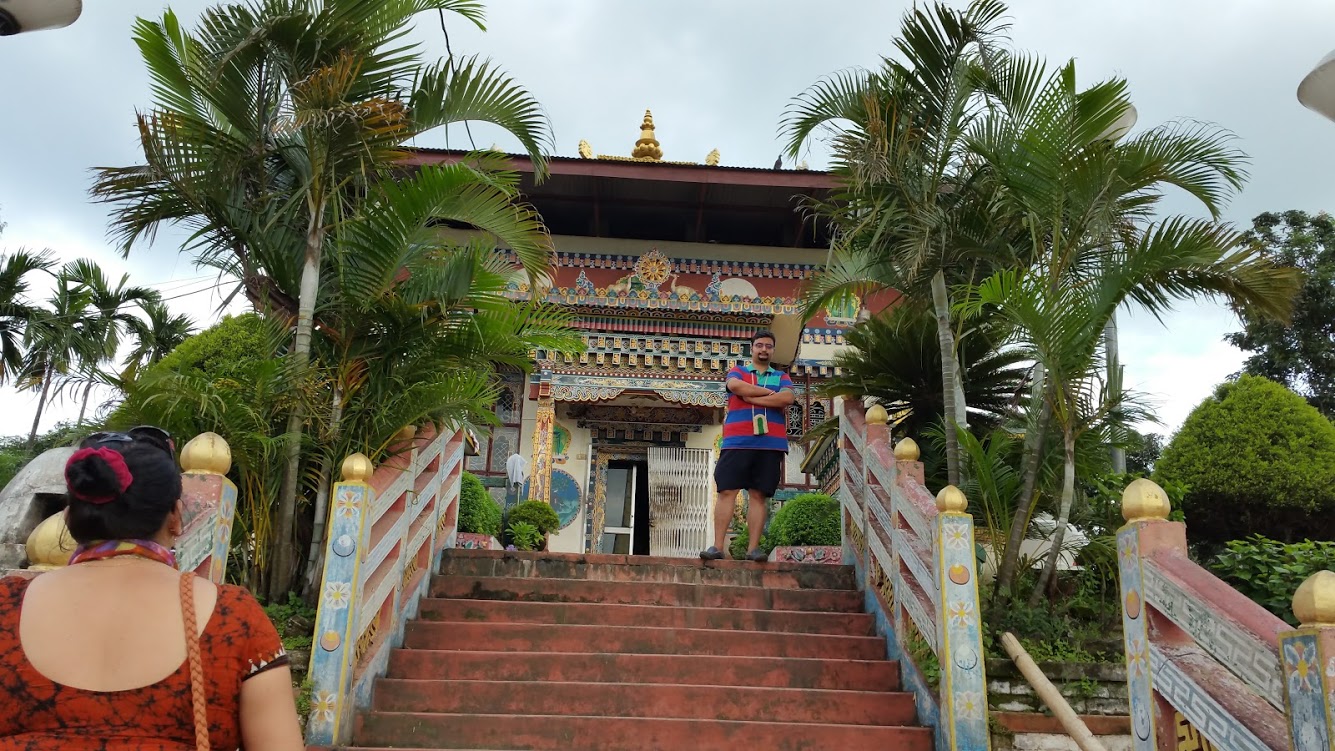

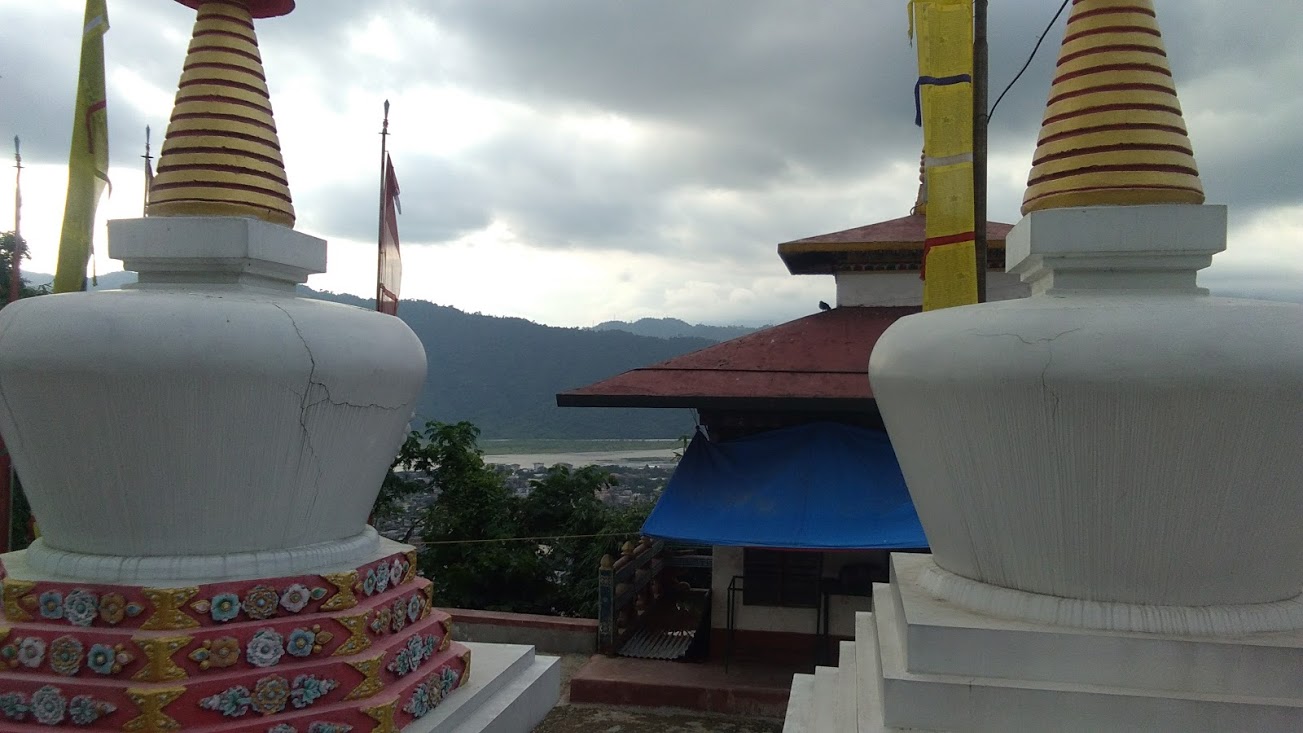
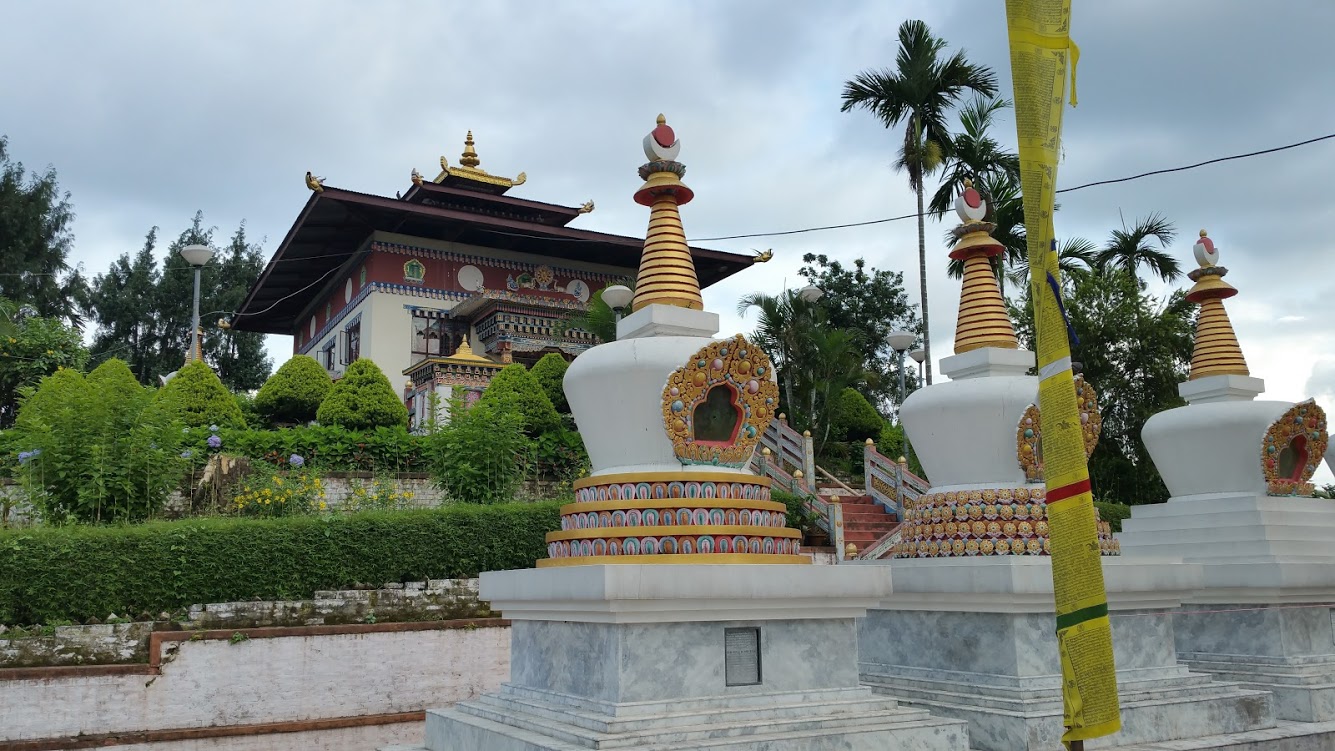
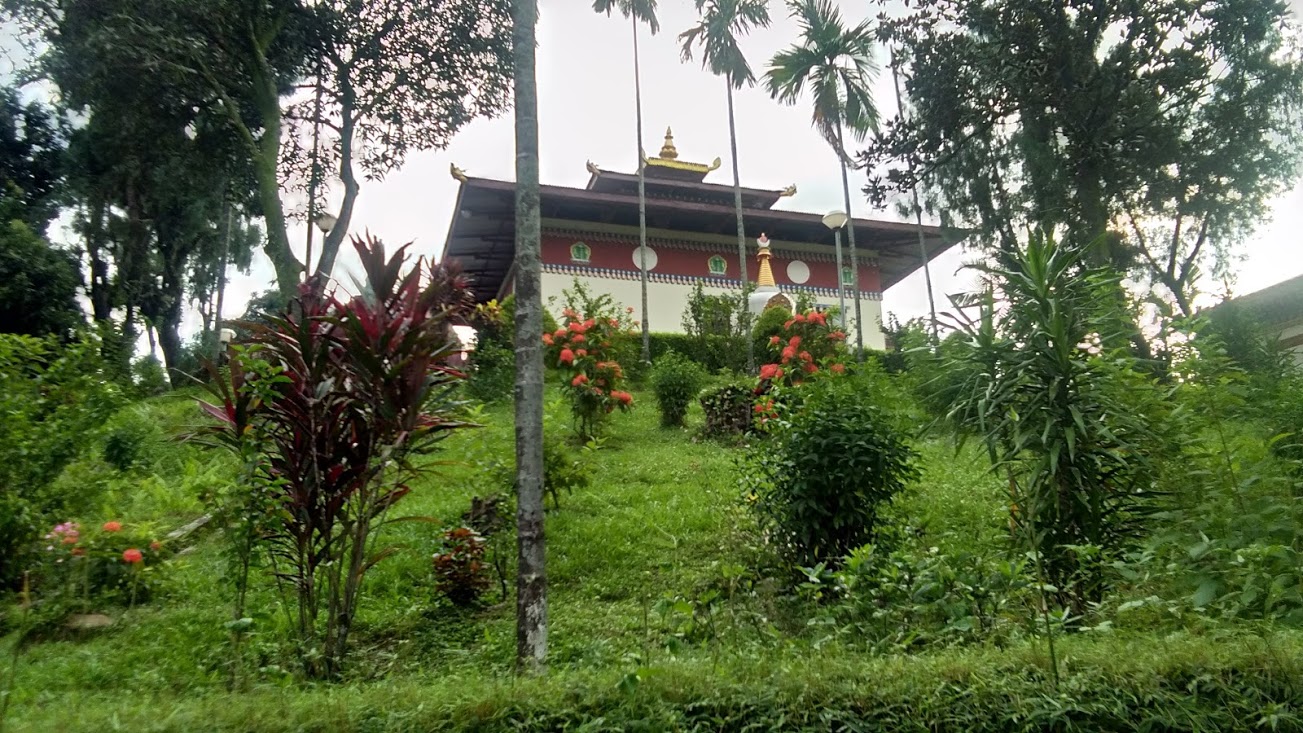

The legend associated with Karbandi Gumba is particularly heartwarming. It’s believed that a visiting Indian couple prayed here for a child, and their wish was granted. Since then, the monastery has become a place of hope for couples seeking blessings for their families.

Stepping outside, the panoramic view was truly breathtaking. From this vantage point, we could clearly see the sprawl of Phuentsholing town and its Indian counterpart, Jaigaon, separated by the invisible line of the border. The seemingly endless plains of Bengal stretched out like a green carpet, a stark contrast to the rising foothills behind us. The gentle breeze carried the faint sounds of the town below, a reminder of the life bustling just beyond the monastery’s peaceful confines.
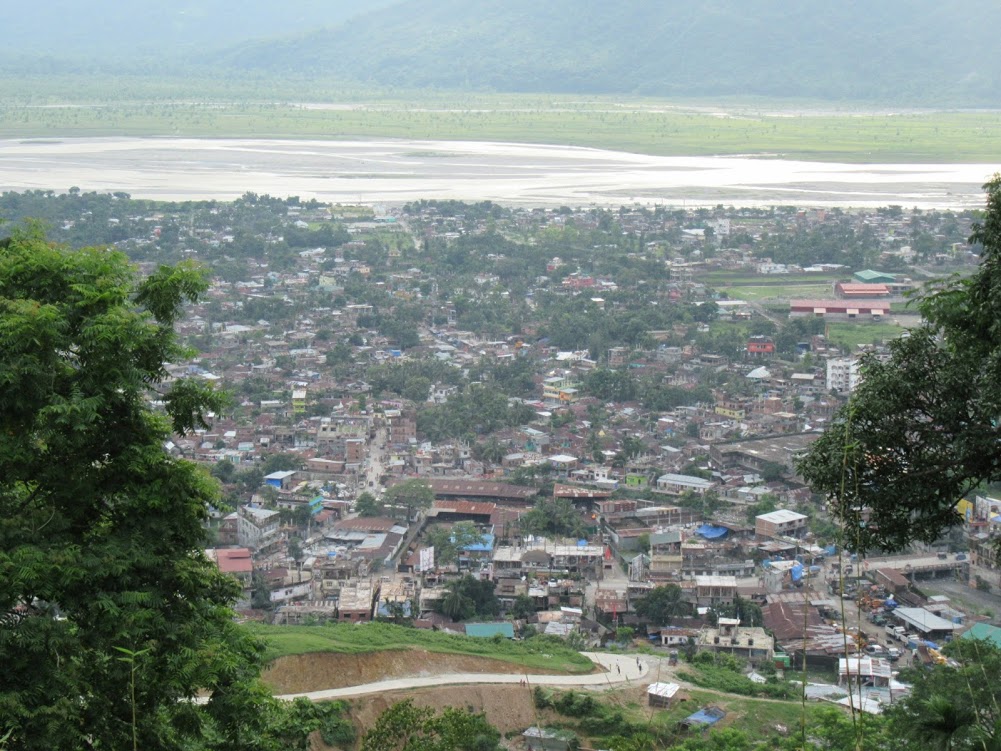

From the monastery, we drove to the Norgay Crocodile Breeding Centre, situated on the banks of the Amo Chhu (Torsa) River.

Unlike typical crocodile farms, this centre focuses on conservation, releasing gharials, mugger crocodiles, and other species back into their natural habitats.

Watching these magnificent reptiles, including the critically endangered gharials with their distinct “ghara,” was both fascinating and sobering – a reminder of the delicate balance of nature.


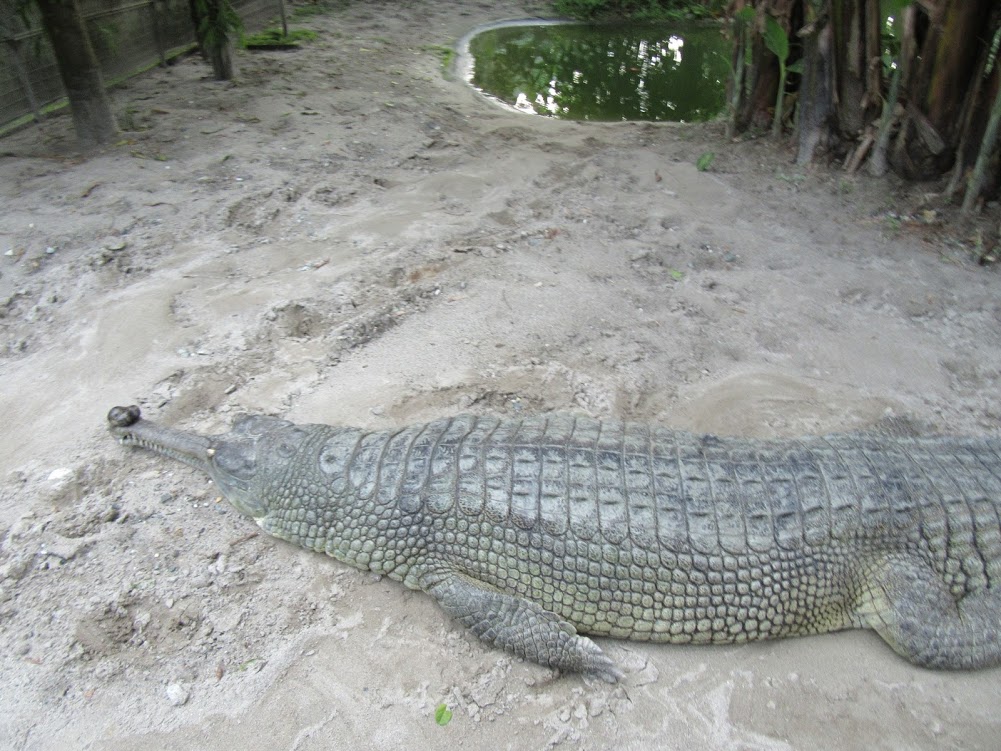
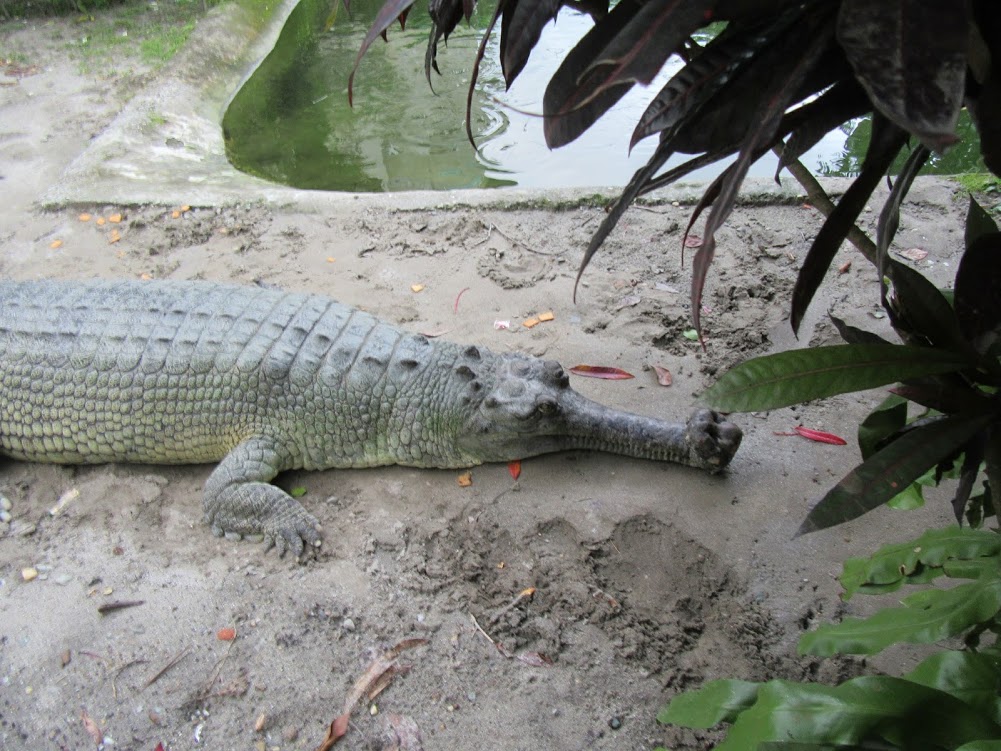
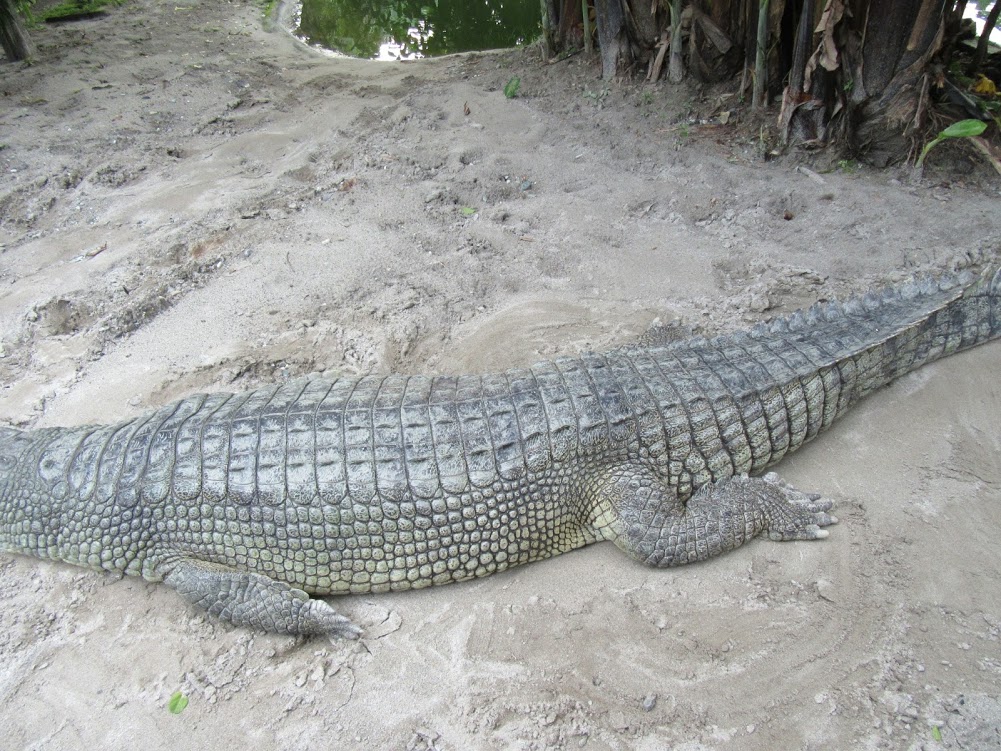

A short distance away, the Torsa riverside offered a peaceful respite. A dedicated walking path alongside the river, free from traffic, allowed us to soak in the tranquil ambience.

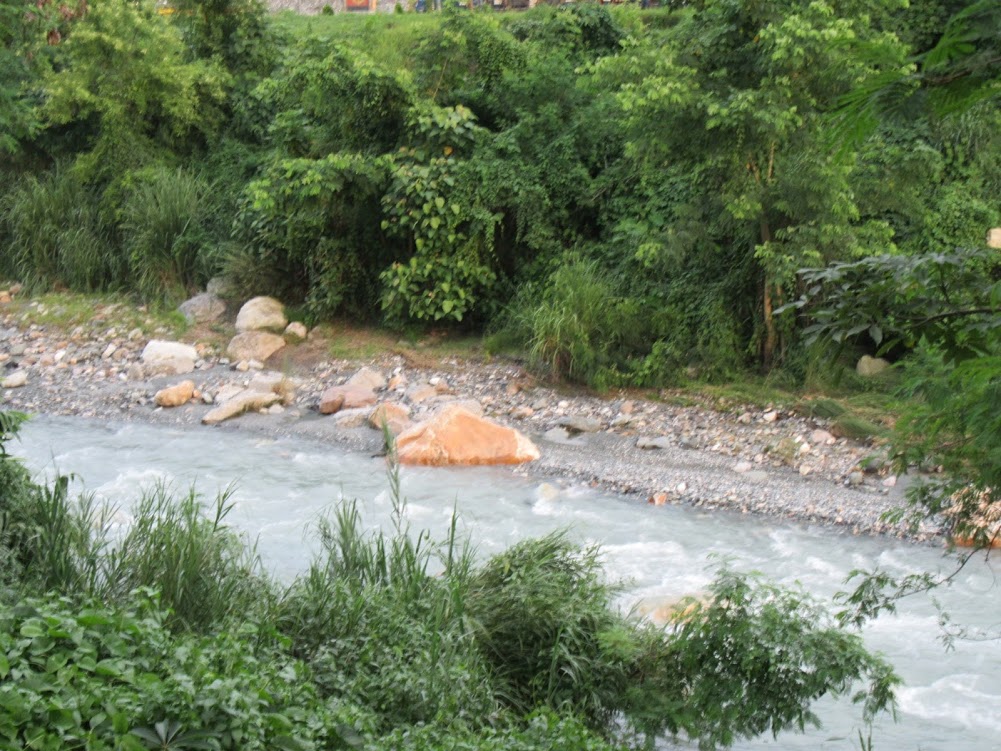

Lush greenery, flowing water, and the chirping of birds created a perfect setting to pause and simply be present.

It was a perfect spot to unwind, to simply be present in the moment and appreciate the natural beauty surrounding us. I imagined locals and tourists alike finding solace in this peaceful haven.

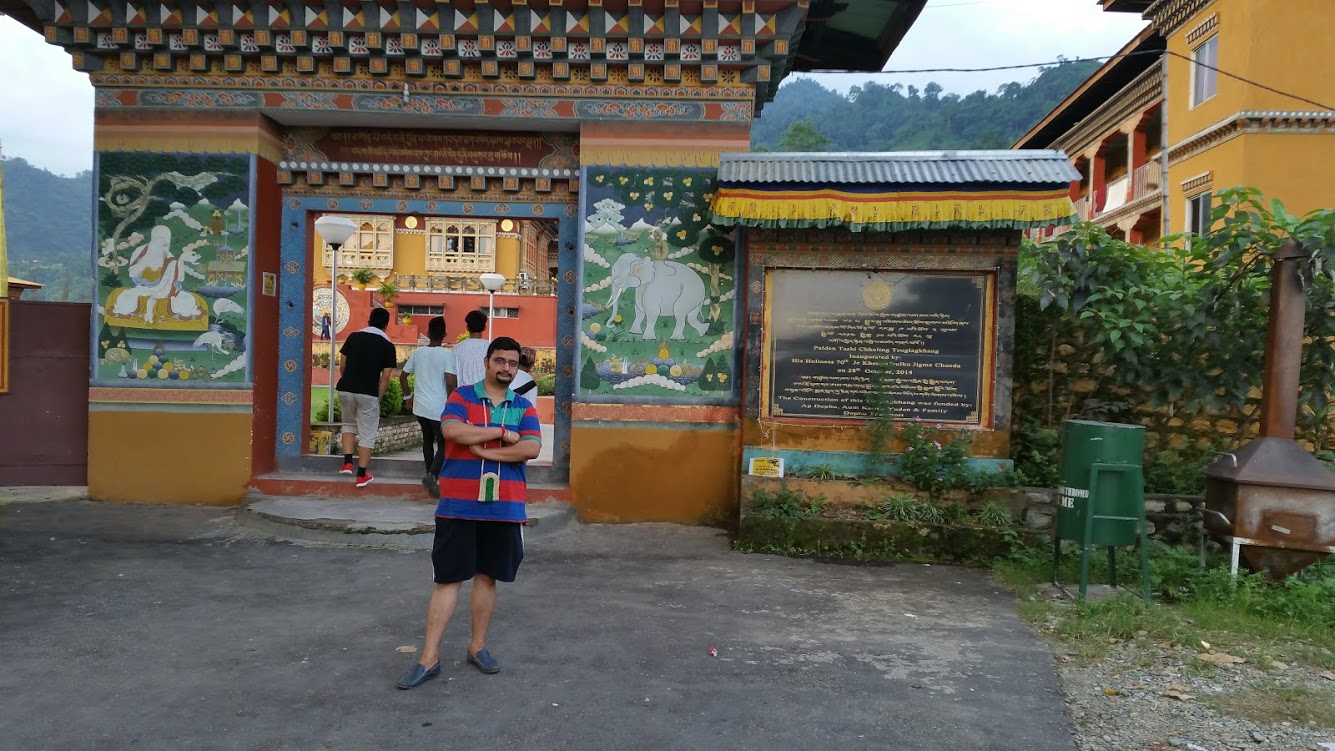
We then visited the Palden Tashi Chholing Shedra, a Buddhist college where young monks immerse themselves in philosophy, literature, and culture. Consecrated in 2014, the shedra’s serene murals and studious atmosphere provided a glimpse into Bhutan’s rich intellectual and spiritual traditions.
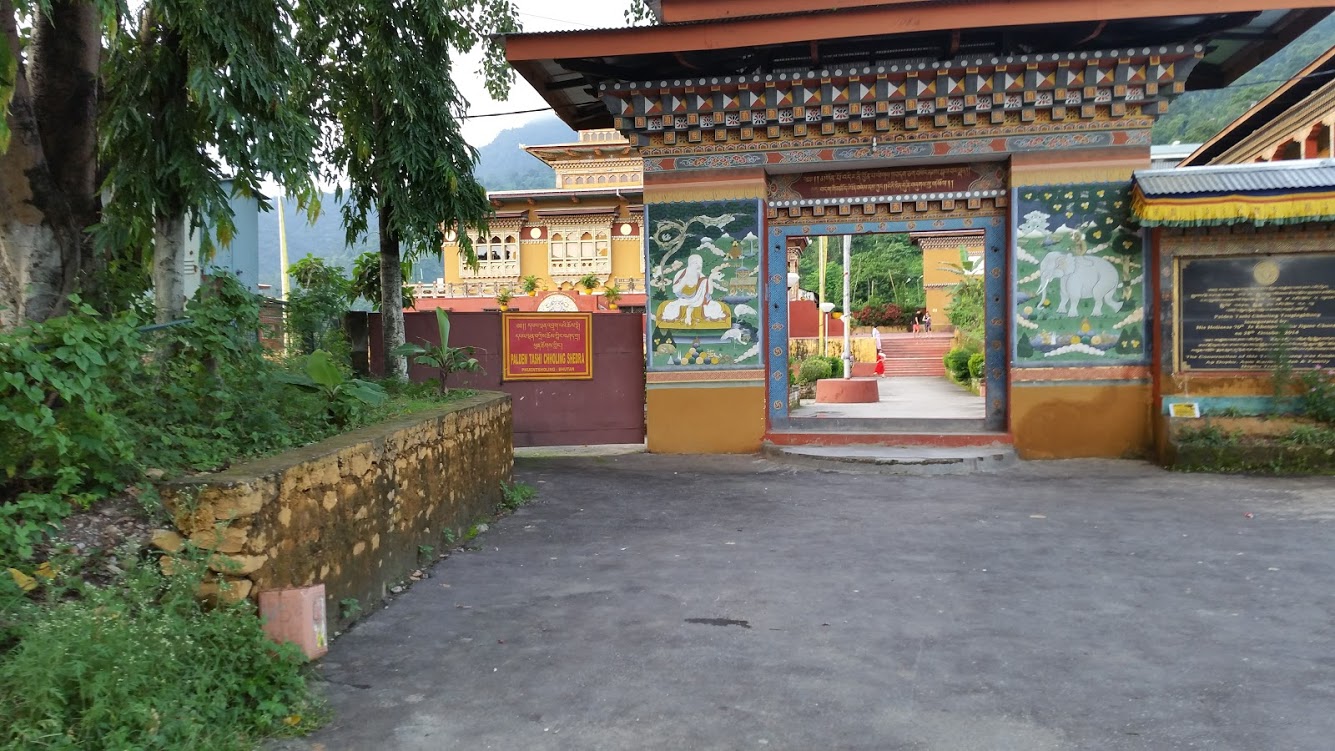
We observed young monks engaged in their studies, learning Buddhist philosophy, literature, history, and culture. The main hall housed impressive statues of Buddha and other deities, and the overall atmosphere was one of focused learning and spiritual growth.

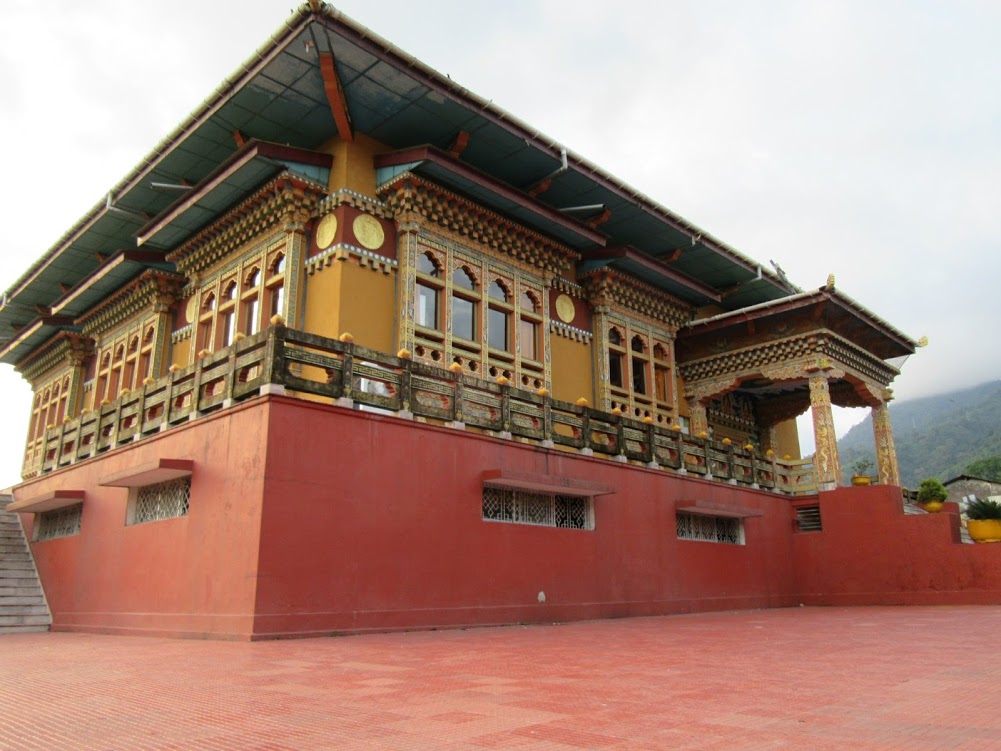


A brief stop at the Zangto Pelri Lhakhang, a temple representing the celestial abode of Guru Rinpoche, offered another spiritual anchor. Its statues and intricate paintings, coupled with the adjacent Zangto Pelri Park, made for a calming interlude amidst the town’s bustle.
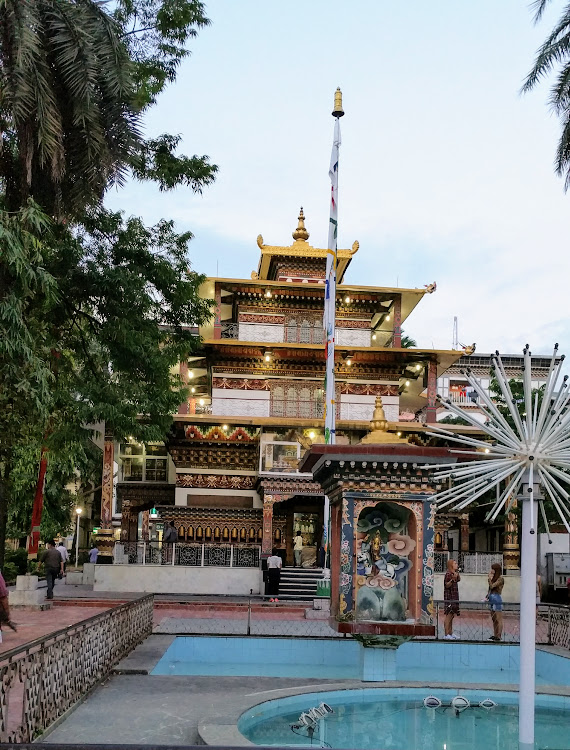
The ground floor housed statues of the eight manifestations of Guru Rinpoche and intricate paintings depicting the life of Buddha. The upper floors featured statues of Bodhisattavas, Avalokiteshvara, Shabdrung Ngawang Namgyal, and Amitabha. The temple, though small, felt deeply significant, a spiritual anchor in the bustling town.
Adjacent to the temple was the Zangto Pelri Park, a charming green space offering a respite from the town’s activity. A playful ball fountain, a small pond, and spinning prayer wheels created a serene ambiance. It seemed to be a popular gathering spot – locals enjoying a leisurely stroll, couples finding a quiet corner, and tourists soaking in the atmosphere.
No visit to Phuentsholing would be complete without experiencing its market. Here, Bhutanese, Indian, and Nepali cultures blend in a vibrant display of handicrafts, textiles, and local delicacies.

Though time was short, the sights, sounds, and aromas left a lasting impression.

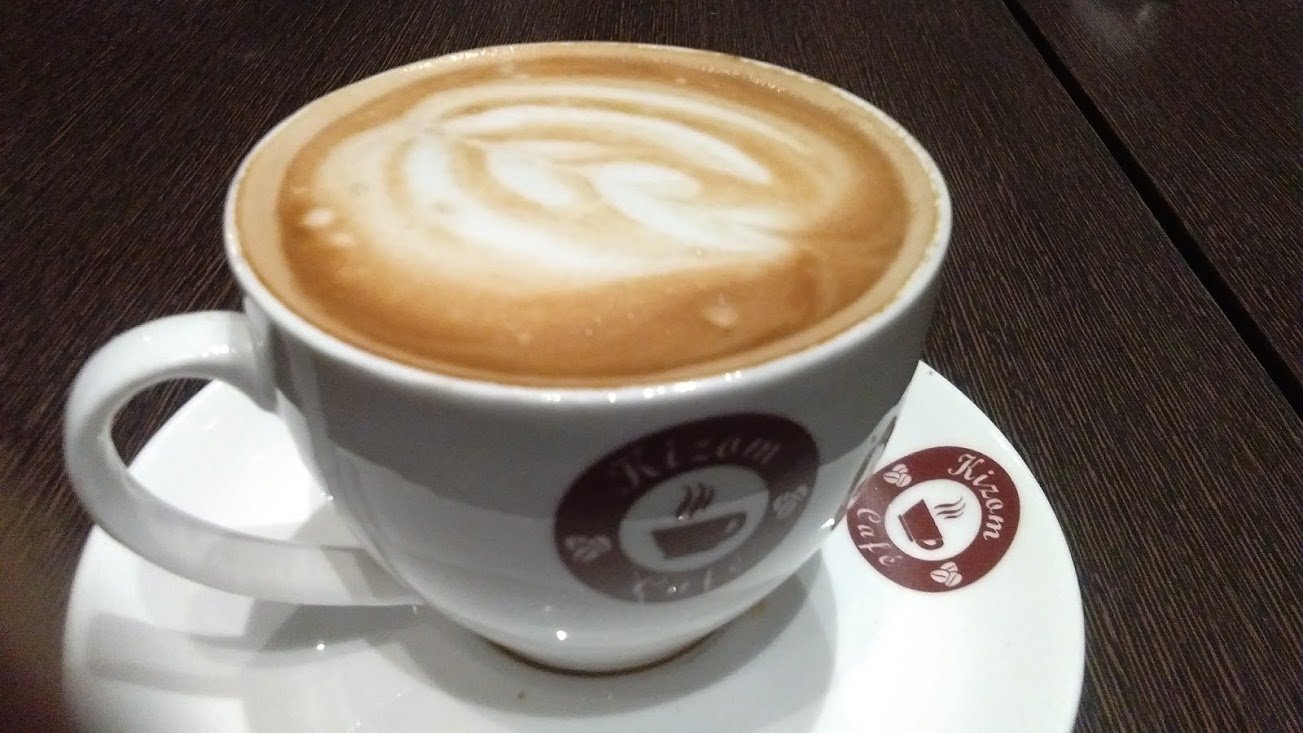
As the day faded into dusk, we ended our exploration at Kizom Café. Its cosy, two-story interior, warm décor, and excellent coffee provided the perfect closure to our journey. With free Wi-Fi to share snapshots of our adventures, it was a fitting end to a day of discovery.


Stepping inside, we were greeted by a cozy ambiance. The café spanned two floors, decorated in warm reds and browns with comfortable seating.
We made our way to the upper level and ordered hot coffee and snacks. The waitstaff were friendly and efficient, and the coffee was surprisingly good, rivaling any found in larger coffee chains.
Sipping our warm drinks and enjoying the snacks, we felt the weariness of the day melt away. The free Wi-Fi was a bonus, allowing us to quickly share some of our day’s adventures. Kizom Café, rated as one of the best bakeries in Bhutan, proved to be the perfect ending to our exploration of Phuentsholing.
Driving back to Jaldapara under a sky painted in shades of orange and purple, memories of the day swirled in my mind – the grandeur of the Bhutan Gate, the serenity of Karbandi Gumba, the wildlife at the crocodile breeding centre, the peaceful Torsa riverside, the spiritual richness of temples, and the comforting warmth of Kizom Café.
Phuentsholing may often be seen as a mere transit point into Bhutan, but even a day’s visit reveals it as a destination in its own right – a place where cultures meet, nature thrives, and spirituality is tangible. Revisiting after so many years rekindled my sense of wonder and reminded me that sometimes the most overlooked places hold the most fascinating stories, waiting to be discovered.

very nice writeup sir,
Thanks for sharing..
LikeLiked by 1 person
Thanks, sir.
LikeLiked by 1 person
Lovely trip. Nice pictures. I am recalling my trip to Phuentsholing.
LikeLiked by 1 person
Thanks, Nilanjana.
LikeLike
Lovely trip and pictures, how are you sir.🙏
LikeLiked by 1 person
Thanks, Gayatri. I am fine. How are you doing?
LikeLiked by 1 person
Good sir, thanks for visiting my posts.🙏🙂
LikeLiked by 1 person
You’ve a nice blog, Gayatri.
LikeLiked by 1 person
Thankyou sir , just that I have been tied so much at home in current situations, I dont get to connect to everybody here. But thanks for every like you drop.🙂🙏
LikeLiked by 1 person
Bhutan is blessed with natural beauty
LikeLiked by 1 person
Yes, you are right. They are good in conservation of nature.
LikeLike
👍🏻
LikeLiked by 1 person
Nice photo post, Indrajit.
LikeLiked by 1 person
Thanks, Sanchita.
LikeLike