
A few days ago, I found myself wandering the lively corridors of Grand Majidi Mall in Erbil with my good friend Arbab, searching for a meal that could transform an ordinary weekend evening into something special. Before stepping inside, we paused to admire the enchanting dancing fountain outside the mall, its lights and rhythms setting the mood for the night.
Once inside, we strolled through the bustling mall, soaking in the vibrant atmosphere until hunger reminded us it was time for dinner.
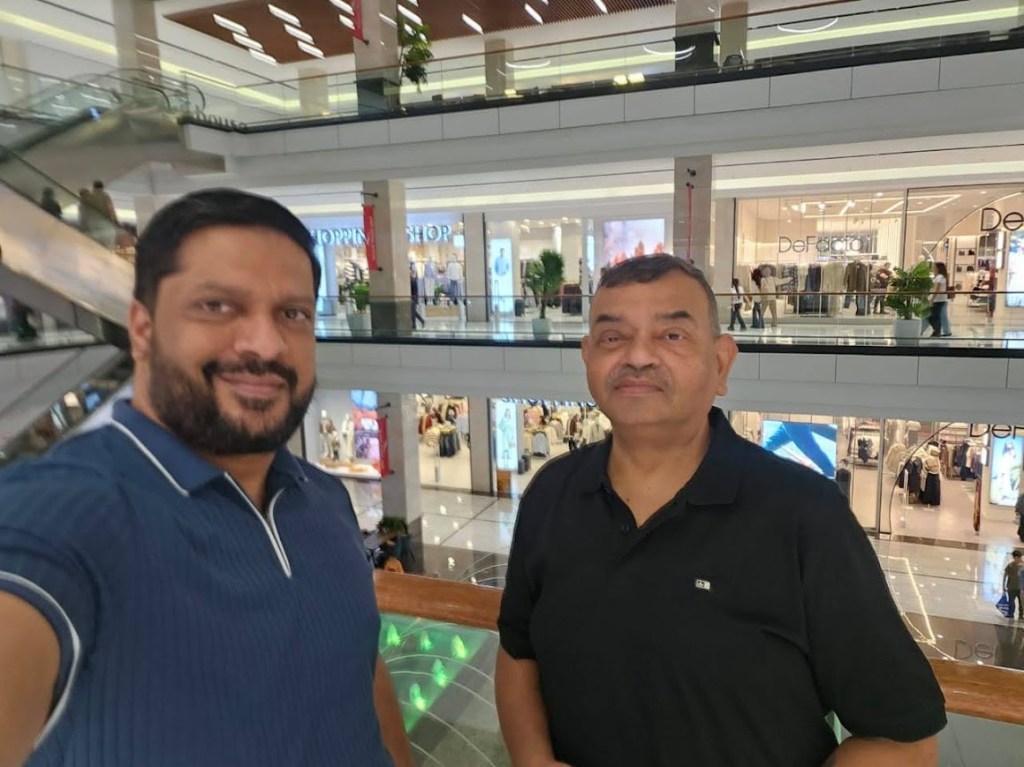
With a smile, Arbab suggested, “Let’s have Mandi tonight.” Our destination was Mandi Al-Hattab, a restaurant celebrated for its authentic Arabian flavors.
A Warm Welcome & Aromatic Prelude
Walking into Mandi Al-Hattab, the first thing that struck me was the warm, inviting ambiance, reminiscent of traditional Arabian majlis settings.
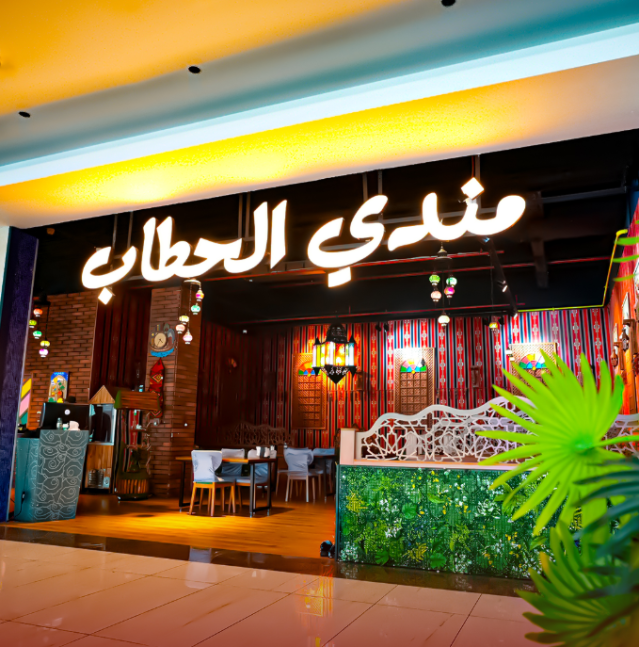
Wooden decor, soft lighting, and subtle hints of incense created the perfect backdrop for a meal steeped in history.
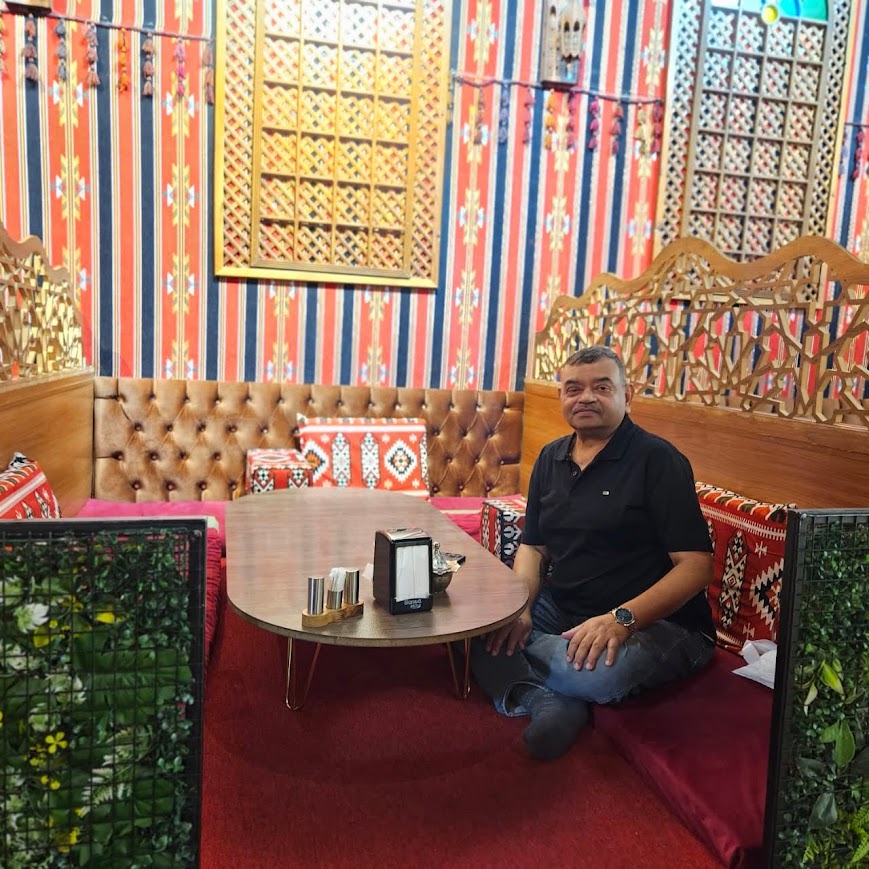
Before the plates even arrived, the restaurant had already begun its spell: our senses were alive with anticipation. The staff welcomed us with smiles that made the experience feel intimate, almost like being invited into a family kitchen rather than a restaurant.
The Heritage of Mandi
As we waited for our meal, I reflected on Mandi’s history. Mandi is more than just a dish; it’s a tradition that originates from Yemen, with historical roots tracing back over a thousand years. Traditionally, Mandi was prepared by villagers in the Hadhramaut region, who cooked meat and rice in a deep underground pit called a tandoor or taboon. This slow-cooking method, using smoky aromatic wood, imparts a distinct flavor that is impossible to replicate with conventional cooking techniques. The dish’s name comes from the Arabic “nada”, meaning “moisture,” a perfect description for the succulent, tender meat that is its hallmark.
Mandi is more than a dish—it is a celebration of hospitality, a culinary ritual passed down through generations, served at weddings, festivals, and communal gatherings across the Arabian Peninsula. What sets Mandi apart from other rice and meat dishes is its simplicity combined with depth of flavor.
The Arrival of the Lamb Mandi
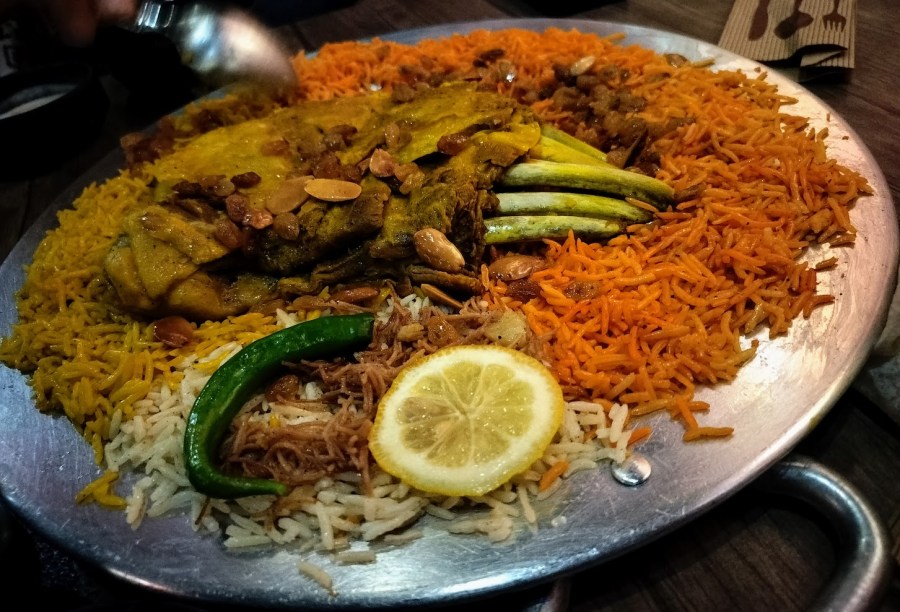
When our plates arrived, the scene before me was nothing short of art. The Basmati rice lay in a golden mound, each grain infused with subtle hints of saffron, cardamom, cloves, and cinnamon, glowing under the soft lights. Nestled on top was the lamb breast, slowly cooked to perfection, the meat glistening with natural juices and a light sheen of clarified butter.
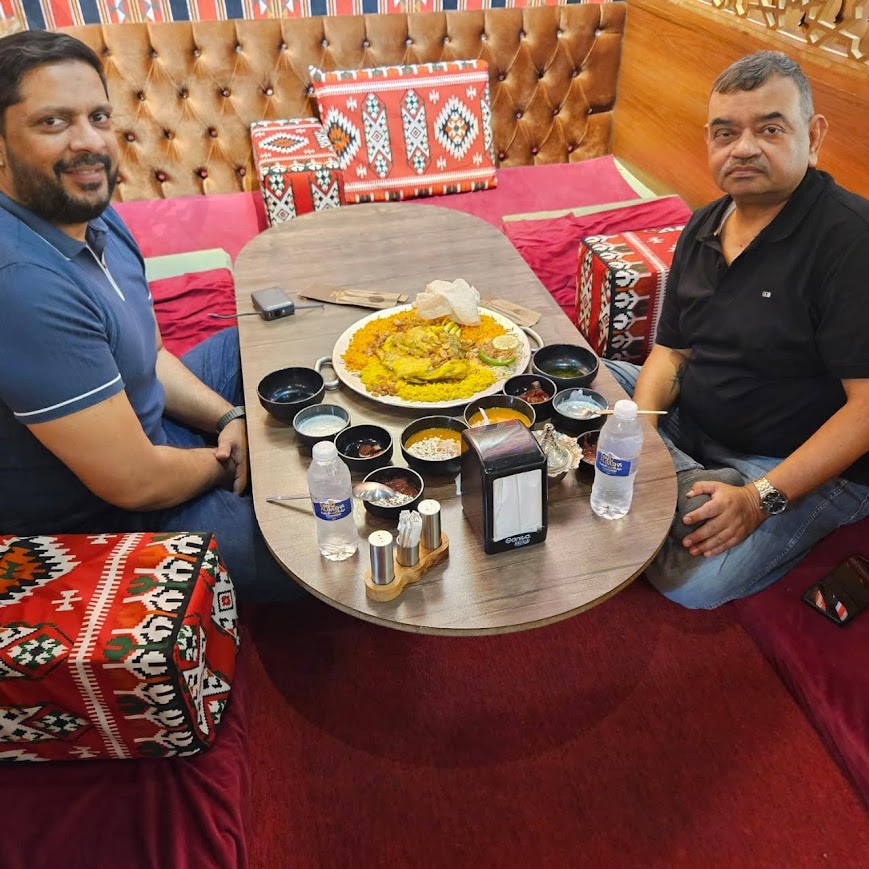
The moment I lifted my fork, the aroma hit me—smoky, earthy, and rich with spices—and I knew this meal would linger in memory long after the last bite.
A Symphony of Flavours
The first bite of lamb was a revelation. The meat was tender beyond expectation, almost melting in my mouth, each morsel infused with the deep, smoky aroma of the cooking process. The spices were delicate yet profound, enhancing rather than overpowering the natural flavour of the lamb.
The rice, perfectly cooked, was light and fluffy, carrying the fragrance of saffron and the warmth of cardamom. Alternating bites of lamb and rice, I added a touch of sahawiq, a vibrant green chili sauce, which introduced a lively, spicy kick that contrasted beautifully with the rich, aromatic base. Arbab and I shared satisfied glances, the kind only good food can inspire, acknowledging silently that this was more than just eating—it was savoring history itself.
Textures, Aromas, & the Joy of Sharing
Every mouthful was a sensory experience. The lamb offered a silky, buttery texture, while the rice added subtle chewiness and a fragrant warmth. The slight crunch of caramelized onions and roasted nuts provided delightful contrast, making the dish both comforting and celebratory. The smoky aroma lingered in the air long after the bite was gone, reminding us of the traditional pit-cooking techniques that gave the dish its unique character.

We ended our meal with Mastaw, the comforting Kurdish yogurt drink that blends plain yogurt with ice-chilled water and a pinch of salt. Simple yet deeply refreshing, it was the perfect way to round off the meal — cool, tangy, and unmistakably Kurdish.
Sitting there with Arbab, enjoying the flavors and the quiet pleasure of a shared meal, I felt a profound connection—to culture, history, and friendship. Food, I realized once again, is not just nourishment; it is storytelling, memory, and human connection, all rolled into one exquisite plate.
Reflections on an Unforgettable Meal
By the time we finished, the satisfaction went beyond the fullness of our stomachs. Mandi Al-Hattab had delivered an experience: a taste of Yemen, a touch of Erbil’s hospitality, and the joy of sharing something extraordinary with a friend.
For anyone in Erbil seeking a culinary adventure, Mandi Al-Hattab is a destination not to be missed. The tender, smoky lamb, the aromatic rice, the spices that tease and delight the senses—they are all invitations to slow down, savor, and connect.
Mandi is not just a dish; it is a symphony of flavours, a story of tradition, and a celebration of companionship. And for me, that evening spent with Arbab, the lamb melting on our forks, the aromatic rice perfuming the air, will remain a memory to cherish for a lifetime.

Love these explorations in a region which one gets to hear little about in the usual cacophony of the West and East.
LikeLiked by 1 person
Thank you, sir. Indeed, the perception of this region often differs from the reality experienced here.
LikeLike
What a wonderfully evocative and sensory post! You’ve managed to capture the entire experience of a meal at Mandi Al-Hattab, not just the food itself.
LikeLiked by 1 person
Thanks, Mohammed.
LikeLike
Tandoor cooking seems to be a culinary tradition of Erbil too. Your description gives a sense of lamb biryani pit cooked. The rice seems flavourful and colourful. Quite a treat!!
LikeLiked by 1 person
Absolutely! Erbil’s tandoor-style cooking beautifully reflects its deep-rooted culinary heritage. The slow pit method really brings out the aroma of the spices and the tenderness of the lamb — no wonder the mandi (dish) looks so rich and vibrant. Truly a feast for both the eyes and the palate!
LikeLiked by 1 person
Awesome!
LikeLiked by 1 person
Thanks, Arbab.
LikeLike