
The morning sun, filtering through the curtains of my room here in India, sparked a memory. It wasn’t of this bustling country, but of a different land, a different time. My friends and I were deep in a discussion about ancient history, as we often are, when the name “Erbil Citadel” surfaced. Instantly, I was transported back to my travels in the Kurdistan Region of Iraq, the ochre hues of the landscape flashing before my mind’s eye.
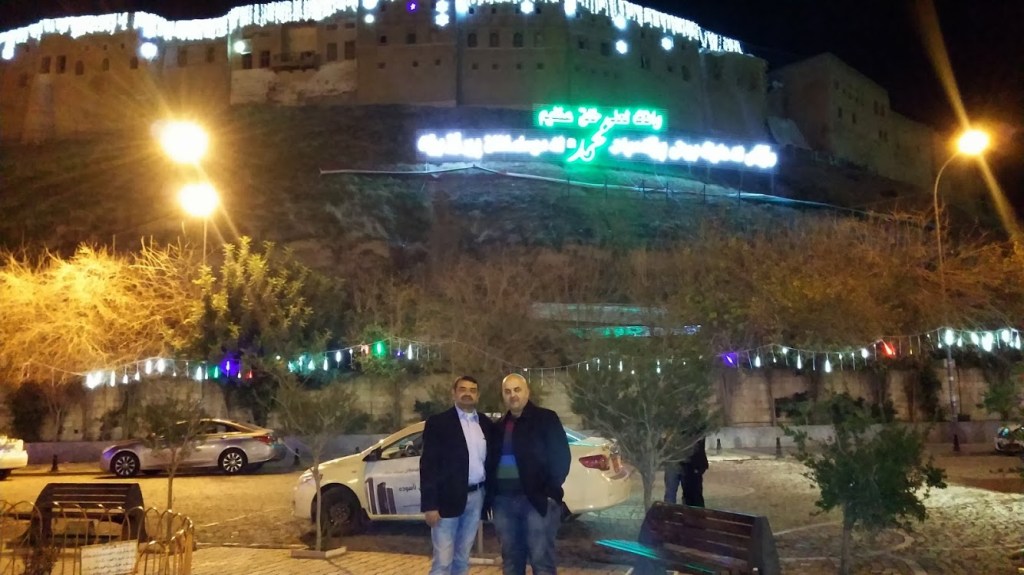
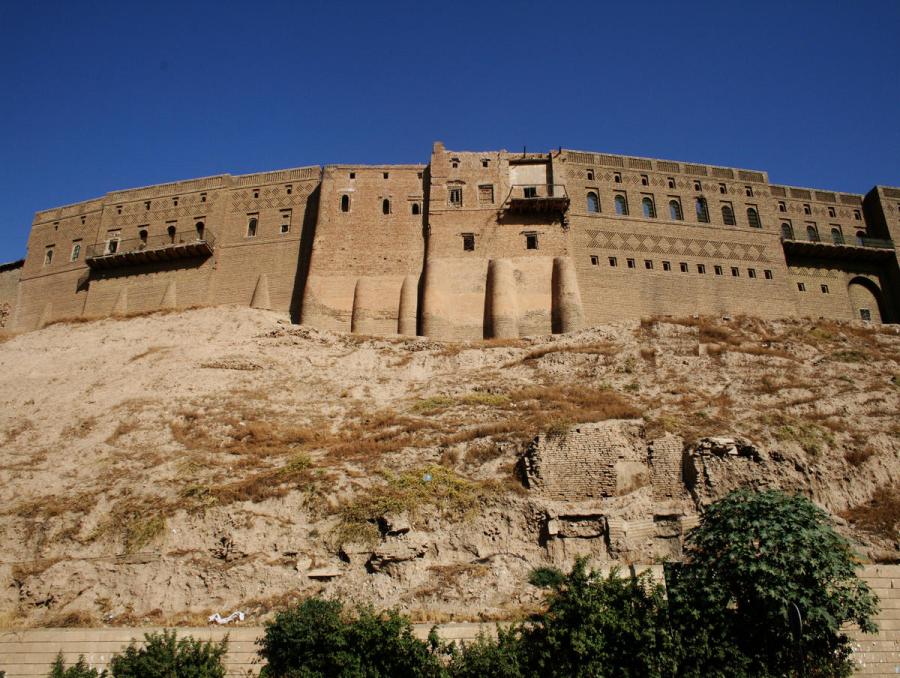
The Erbil Citadel… just the name conjures images of a bygone era. Perched proudly atop a significant tell, the Citadel, or Qalat Erbil as it’s locally known, isn’t just an old structure; it’s a living, breathing testament to the enduring spirit of human civilization. To stand at its base, looking up at its weathered walls rising some 32 meters above the modern city, is to feel the weight of millennia pressing down. This isn’t just a historical site; it’s believed to be one of the oldest continuously inhabited places on our planet, a fact that sends shivers of awe down my spine.
My first visit to Erbil was a sensory overload. The air hummed with a unique energy, a blend of ancient whispers and the vibrant pulse of contemporary life. As I approached the Citadel, the sheer scale of the tell became apparent. It’s not a natural hill, but an artificial mound, a layered cake of civilizations built upon the remnants of their predecessors. Imagine, for over 6,000 years – perhaps even longer, with pottery fragments hinting at Neolithic settlements – generations have lived, built, and rebuilt on this very spot. Each crumbling mud-brick, each discarded tool, contributing to the gradual rise of this historical sentinel.

The architecture of the Citadel reflects the different periods of its history. It contains a combination of structures, including houses, mosques, a bathhouse, and a citadel within its walls. The buildings are made of mud-brick, and the narrow alleys and winding streets create a labyrinthine atmosphere.
The earliest evidence for occupation of the citadel mound dates to the 5th millennium BCE, and possibly earlier. It appears for the first time in historical sources in the Ebla tablets around 2,300 BCE, and gained particular importance during the Neo-Assyrian period. Early on, houses and structures on the Erbil Citadel were constructed with mud bricks, which crumbled and collapsed easily in the sun and rain. The rebuilding of these mud brick structures on top of one another, over thousands of years, has resulted in the citadel rising over 100 feet from the ground level.
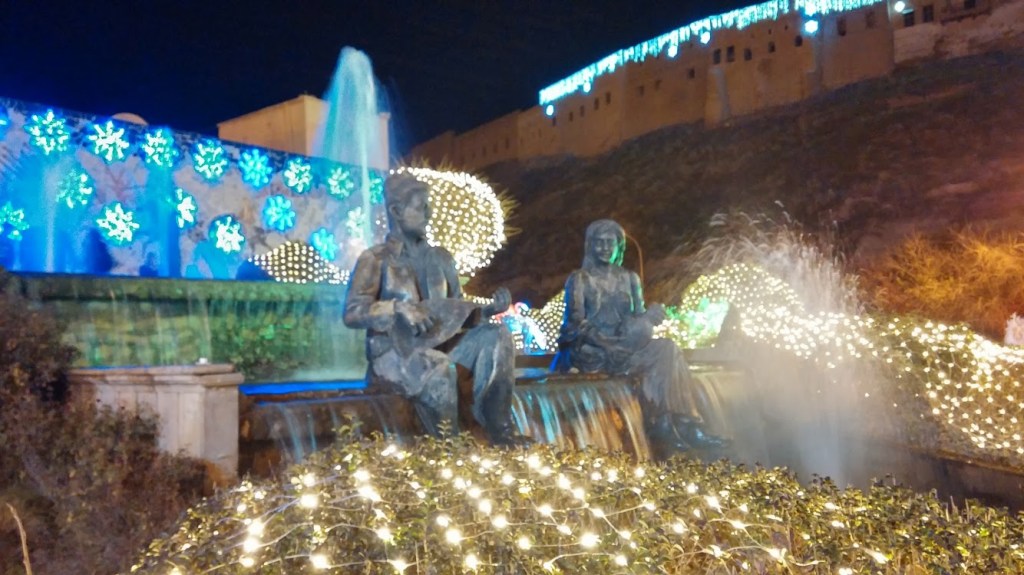
The site of the citadel may have been occupied as early as the Neolithic period, as pottery fragments possibly dating to that period have been found on the slopes of the mound. Many religions, ethnicities, empires and people have inhabited Erbil since the earliest evidence of settlement, dating back to 5000 BCE. The Erbil Citadel passed through Sumerian, Assyrian, Sassanid, Mongol, Christian and Ottoman hands.
The city was first largely under Sumerian domination from circa 3000 BCE, until the rise of the Akkadian Empire (2335–2154 BCE) which united all of the Akkadian Semites and Sumerians of Mesopotamia under one rule. Alexander the Great defeated the Persian king Darius III on the plains surrounding Erbil in 331 BCE, in one of the most famous battles of antiquity.
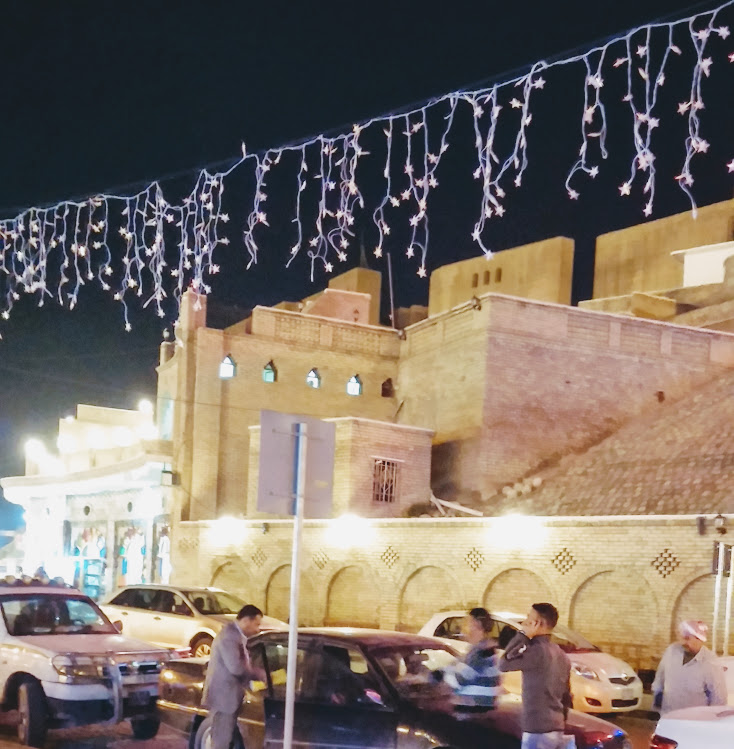
During its fully occupied periods, the Citadel was a microcosm of society, divided into distinct districts. The Serai, towards the east, housed the noble families, their lives likely unfolding with a certain degree of privilege. The Takya district, named after the homes of dervishes, hinted at a spiritual heart within the community. And the Topkhana, towards the west, was a hub of activity, where craftsmen plied their trades and farmers brought in their harvests. It’s fascinating to think that as recently as 1995, over 1,600 people called this ancient fortress home, living within its 247 houses, their lives intertwined with the echoes of the past.
Today, while many have moved to the modern city below, the Erbil Citadel remains a living museum. Over a thousand people still reside within its walls, their daily routines unfolding against the backdrop of centuries-old architecture. As a visitor, you can wander through those same narrow alleys, your fingers brushing against the timeworn walls, peering into the courtyards, and imagining the lives that unfolded within.
Even from afar, the Erbil Citadel commands attention. I recall seeing an image captured by NASA’s Earth Observatory, taken from space. There, in the heart of the landscape, was the Citadel, a distinct circular form at the center of what looked like a wagon wheel – a testament to its enduring presence and historical significance. The accompanying text highlighted a profound truth: from the earliest civilizations in Mesopotamia to the vast empires of Genghis Khan and the Ottomans, this small plot of land held a strategic and symbolic importance.

UNESCO’s description of the Erbil Citadel as “an imposing example of a multilayered archaeological mound still physically emerging from the surrounding landscape” perfectly captures its essence. The Ottoman-era urban plan, with its defined boundaries and street patterns, still shapes the Citadel today, overlaying the countless layers of history beneath. Even the residential buildings, some dating back to the 18th and 19th centuries, offer glimpses into more recent chapters of its long story.
It’s heartening to know that in recent years, significant efforts have been made to restore and preserve this invaluable site. The collaboration between the Kurdistan Regional Government and UNESCO is breathing new life into the Citadel, ensuring that its historical treasures are protected for future generations. This restoration isn’t just about preserving stones and mortar; it’s about safeguarding a vital piece of human history and fostering a sense of cultural pride.
My visits to the Erbil Citadel were more than just sightseeing; they were journeys through time. It’s a place that humbles you with its antiquity, intrigues you with its labyrinthine pathways, and connects you to the long and complex story of human civilization. In a region often associated with conflict, the Erbil Citadel stands as a powerful symbol of resilience, endurance, and the enduring spirit of humanity. It’s a reminder that even in the face of adversity, the threads of history continue to weave their intricate and fascinating tapestry. And for that, I am eternally grateful for the memories etched in my mind from those days spent wandering its ancient paths.

Wow, I didn’t know that Erbil has such a long history! Nice post.
LikeLiked by 1 person
Thanks, Nilanjana.
LikeLike
Thanks and much appreciated for sharing
LikeLiked by 1 person
I have never heard of this citadel before. This looks so interesting in construction, akin to some old buildings in Morocco
LikeLike
Yes, Morocco has many old traditional mud-brick structures, which look similar.
LikeLiked by 1 person
Thanks for this info.
LikeLiked by 1 person
😃👍
LikeLike
I love to travel and you always talk about such interesting places!
LikeLiked by 2 people
So, we have at least one thing in common and that’s our love to travel.😀
LikeLike
Interesting history. Love to be there someday.
LikeLiked by 2 people
Pingback: Exploring the Enchanting Charms of Old Souk in Erbil – Indrosphere